Gedi Ruins: Coral-Stone History and a Small Snake Park
Forest-framed ruins, Swahili architecture and wildlife exhibits make Gedi one of the Malindi area’s most substantial historical stops.

More photos
Photos published by travelers on Google, not AI generated.
What stands out
- Extensive coral-stone ruins
- Mosques, houses, palace and tombs
- Knowledgeable historical interpretation
- Butterfly breeding area
- Small educational snake park
Worth knowing
- The snake park is small
- Visitors cannot handle the snakes
Don't miss
What comes up most in public reviews
- Coral-stone houses and rooms
- Ruined mosques
- Butterfly breeding area
- Snake park
Worth the trip?
Why the ruins stand out
Gedi Ruins earns a Google rating of 4.5 from 1511 reviews, with visitors repeatedly describing a surprisingly extensive archaeological site rather than a compact collection of old walls. Public accounts focus on the scale of the former settlement, its heavy defensive-looking walls and the many small rooms spread across a large area.
The surviving coral-stone structures are the main draw. Reviewers identify houses, mosques, tombs and a palace, with some also noting bathrooms, wells and evidence of water systems. Together, these details help visitors picture a prosperous and organised Swahili town rather than an isolated village. The contrast between the substantial masonry and the surrounding forest adds atmosphere without distracting from the archaeology.
The settlement is commonly described in reviews as having flourished between the 12th and 17th centuries. Its eventual abandonment remains part of the fascination. Travellers mention competing theories, including water shortages and disease, but the sample reviews do not present a single confirmed explanation.
What the experience is like
The strongest reports come from visitors who engage with the history rather than simply walking between structures. Reviewers praise knowledgeable guides and instructors for explaining how the settlement functioned, why coral stone mattered and what the ruins reveal about trade and wealth. A guided explanation can provide useful context for foundations and rooms that might otherwise be difficult to interpret.
The site’s size also works in its favour. Comments such as “ruins all over” reflect how much there is to examine, from major religious and civic structures to domestic spaces. Visitors interested in archaeology, architecture or East African coastal history are likely to get the most from the experience.
Snake park and butterfly area
The wider attraction includes a snake park and butterfly breeding area or farm, both mentioned across public reviews. The snake section receives qualified feedback: it is described as small, but its instructors are praised for their knowledge. Visitors should treat it as a supporting feature rather than the principal reason to come.
The butterfly area adds variety after the stone ruins and gives families or mixed-interest groups another component to explore. Some reviews also mention monkeys, though the archaeological remains consistently emerge as the defining part of the visit.
Overall verdict
Gedi is best approached as a historical landmark with modest wildlife additions. Its value lies in the density of surviving coral-stone architecture and the opportunity to understand a wealthy Swahili settlement through its mosques, houses, palace, tombs and water-related features.
The small scale of the snake park may disappoint anyone expecting a major reptile attraction, and handling the snakes is not allowed according to one review. Those expectations aside, the combination of substantial ruins, informed interpretation and the butterfly area makes this a rewarding half-day excursion from the Malindi area.
Plan the rest of the trip
Ask anything
Looking for somewhere else?
Keep exploring
More from Kenya
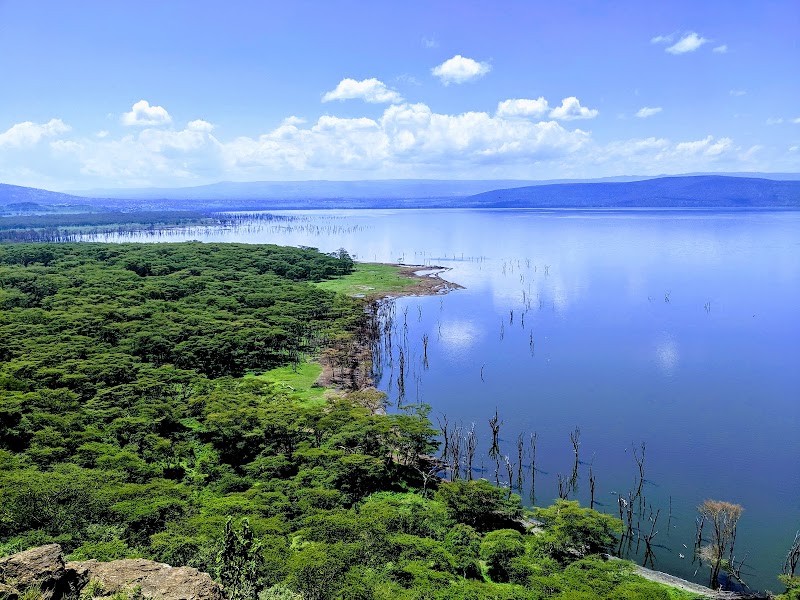
Kenya · Nakuru
Lake Nakuru National Park: Rhinos, Flamingos and Lake Views
Public reviews rate Lake Nakuru National Park highly for close wildlife sightings, flamingos, photography and easy access from Nakuru.
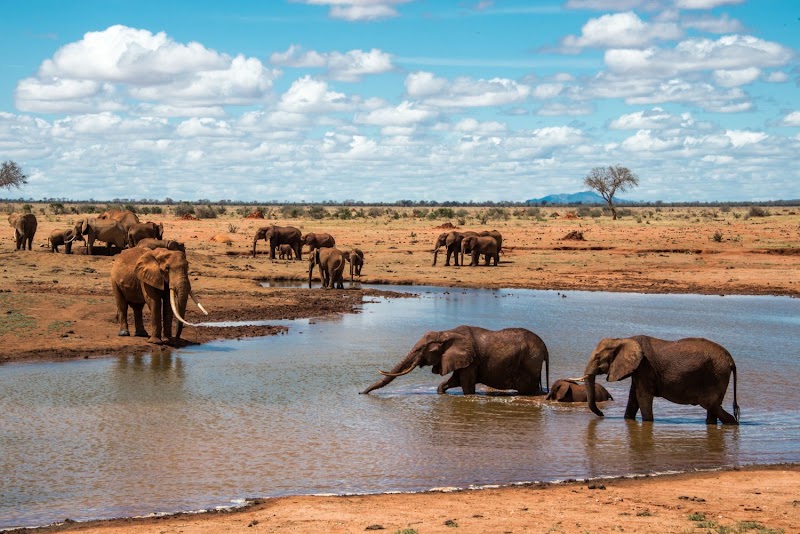
Kenya
Tsavo East National Park: Big Landscapes, Serious Safari
Public reviews describe a spacious Kenyan park with elephants, varied terrain and rewarding game drives, but visitors need to arrive prepared.
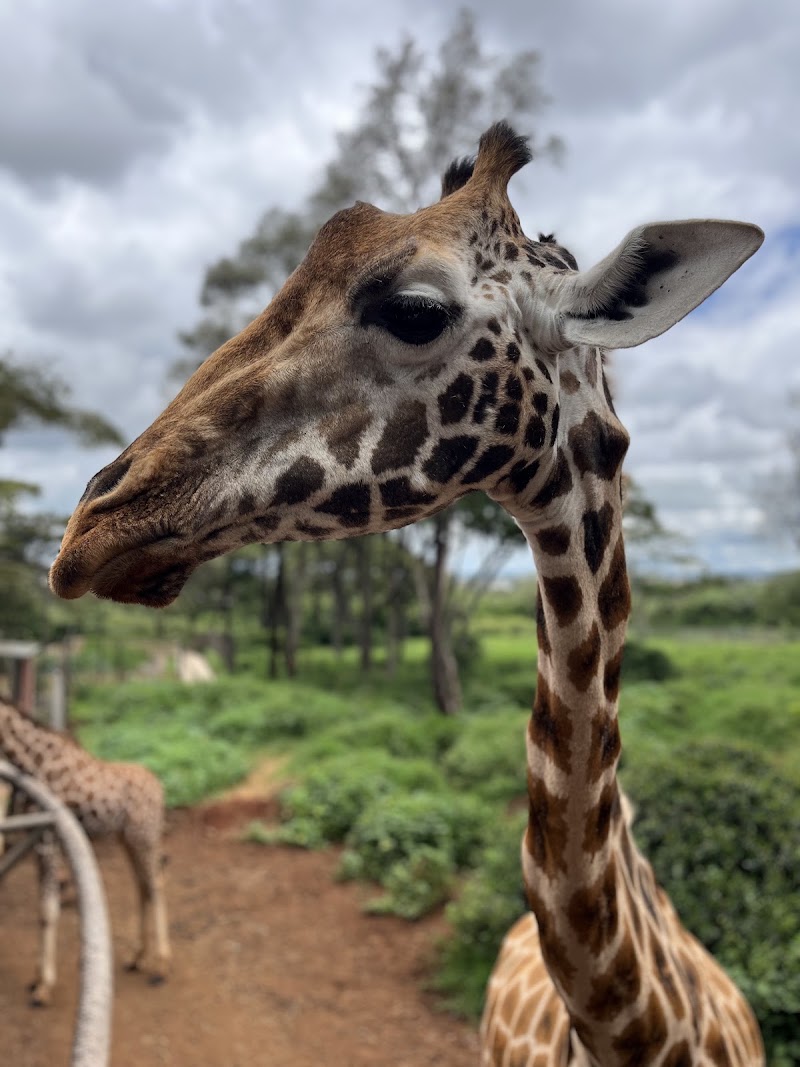
Kenya · Nairobi
Giraffe Centre: Nairobi’s Close-Up Wildlife Encounter
Public reviews praise the chance to hand-feed Rothschild’s giraffes, though tour groups can make the experience feel crowded and quick.

Kenya
Maasai Mara National Reserve: Wildlife Across Open Plains
Public reviews describe a high-impact safari experience, with abundant wildlife, wide landscapes and game drives that reward a slower pace.