Gates of Dawn: Vilnius’ Most Meaningful Landmark
A surviving city gate, a revered Marian icon and a quiet chapel make this one of Vilnius Old Town’s essential stops.

More photos
Photos published by travelers on Google, not AI generated.
What stands out
- 16th-century defensive city gate
- Chapel above the gate
- Revered image of the Virgin Mary
- Quiet, spiritual atmosphere
- Vilnius Old Town setting
Worth knowing
- Dress modestly
- Keep quiet while people pray
- Photography is not allowed inside
Don't miss
What comes up most in public reviews
- See the chapel above the gate
- View the silver-covered image
- Walk the surrounding Old Town streets
Worth the trip?
Why it matters
The Gates of Dawn, also known as Aušros Vartai, is one of Vilnius’ defining cultural and religious landmarks. Public ratings give it 4.7 from 14,965 reviews, with recurring praise for its atmosphere, history and spiritual significance.
The gate formed part of Vilnius’ defensive system in the 16th century. Reviewers identify it as the only remaining city gate still standing in the Lithuanian capital. That fact gives the visit a clear historical anchor, but the building’s importance goes well beyond military architecture.
A chapel above the gate houses the image known as Our Lady of Vilnius. Public reviews describe it as one of Lithuania’s most revered religious images and an important Marian icon in Europe. Pilgrims have been drawn to it for more than 350 years, according to the reviews.
What the visit feels like
The overall impression is reflective rather than grand. Several reviewers describe the site as simple, beautiful and atmospheric. The chapel’s sense of holiness is a central part of the experience, especially for visitors interested in faith, sacred art or the shared history of Lithuania and Poland.
The surrounding Old Town setting adds context. Reviewers mention the charm of the streets around the gate, making it easy to include the site while exploring central Vilnius. It works as a brief architectural stop, but the chapel rewards a quieter approach. Visitors who pause rather than rush through are more likely to notice the devotional character that defines the place.
What to see
The main focus is the chapel and its image of the Virgin Mary, which is covered with a silver overlay. Public reviews repeatedly call the image striking and spiritually important. One review notes that photographs are not allowed inside, so visitors should not treat the chapel like a conventional sightseeing interior.
The gate itself deserves attention too. Its surviving structure connects the present-day Old Town with the city’s defensive past. The chapel above it creates an unusual combination of civic history and active religious practice in one compact landmark.
Practical expectations
The Gates of Dawn is best suited to pilgrims, architecture and history enthusiasts, and travellers exploring Vilnius Old Town. It is still a place of worship, not simply a visitor attraction. Reviews specifically recommend modest dress and quiet behaviour while people pray.
The public listing does not establish a price level, and the supplied reviews do not identify a best season or time of day. The most reliable planning choice is to fit the visit into an Old Town walk and allow time for respectful observation inside the chapel.
This is not a stop built around entertainment or extensive exhibits. Its appeal lies in the surviving gate, the revered image and the atmosphere of prayer. For visitors seeking one of Vilnius’ most meaningful landmarks, the evidence from public reviews is unusually consistent: the Gates of Dawn is worth taking seriously.
Plan the rest of the trip
Ask anything
Looking for somewhere else?
Keep exploring around Vilnius
More from Lithuania

Lithuania · Kėdainiai
Kėdainiai Minaret: Lithuania’s Unlikeliest Landmark
A small, solitary minaret in a Kėdainiai park, remembered for its unusual setting, distinctive story and awkward approach on foot.

Lithuania · Kaunas
KGB Atomic Bunker Museum: Kaunas’s Cold War Time Capsule
Public reviews describe an atmospheric, guide-led museum with original artefacts, Soviet-era context and a strict pre-booking requirement.
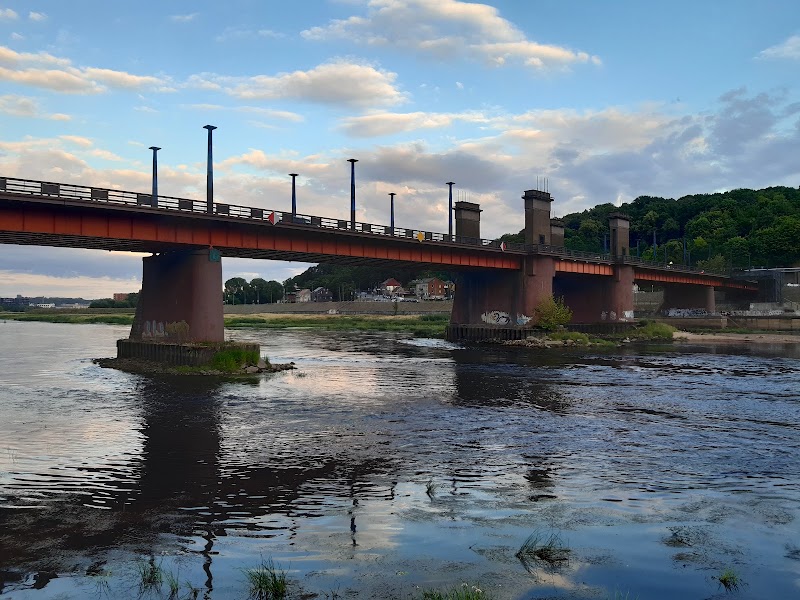
Lithuania · Kaunas
Vytautas the Great Bridge: Kaunas River Views and History
A practical stop near Kaunas Old Town, with calm Nemunas views and a stronger appeal at sunrise, sunset or after dark.
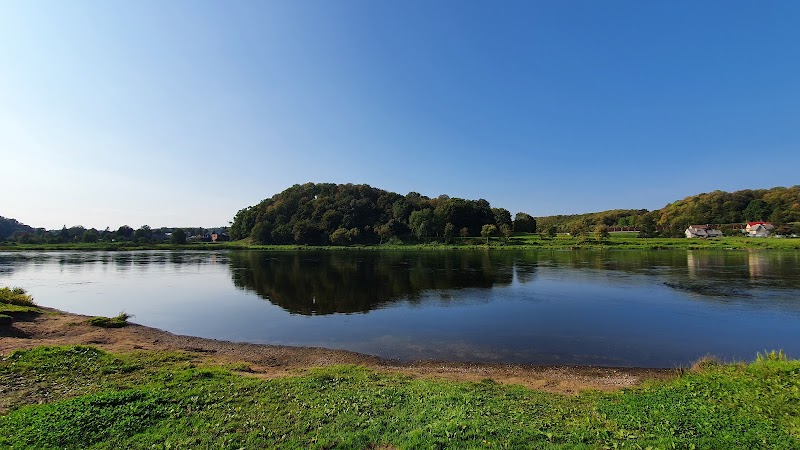
Lithuania · Kaunas
Napoleon Hill Offers a Short Walk and a Long View of History
Napoleon Hill is an easy Kaunas outing with a staircase, free parking and a story tied to the 1812 crossing of the Nemunas River.