Gamle Stavanger: White Wooden Houses and Quiet Old Streets
Stavanger’s historic quarter is a well-preserved walk through white wooden houses, flower-filled lanes and the city’s maritime past.

More photos
Photos published by travelers on Google, not AI generated.
What stands out
- White wooden houses
- Narrow paved streets
- Flower-filled house fronts
- Quiet, well-kept atmosphere
- Friendly local welcome
Worth knowing
- Respect the residential setting
- Avoid blocking entrances for photos
Don't miss
What comes up most in public reviews
- Stavanger Cathedral
- Small independent shops
- The square and its sellers
- A fjord cruise
Worth the trip?
Gamle Stavanger is the part of Stavanger many visitors come to explore on foot. Public reviews give it a 4.7 rating from 9,418 reviews, with repeated praise for its white wooden houses, clean streets and calm atmosphere. The area is compact, photogenic and easy to experience at walking pace.
A historic residential quarter
The old town grew as a working-class neighborhood during the 18th and 19th centuries. Its small wooden homes were associated with sailors, craftsmen and workers connected to Stavanger’s maritime and canning industries. That history still shapes the area’s appearance. Detached houses line narrow, paved streets, and each one has its own details.
Reviewers frequently mention the care given to the neighborhood. The streets are described as quiet, spotless and well looked after. Flowers outside the houses add color without changing the district’s restrained character. This is still a residential setting, so the appeal lies in observing the streetscape rather than moving through a purpose-built attraction.
Best experienced slowly
Gamle Stavanger rewards an unhurried walk. Visitors use the lanes for photography, with the houses, painted fronts and flower displays providing the main visual interest. Several reviews describe the area as feeling like a step back in time, while others focus on its peaceful atmosphere and distinctive homes.
The quarter is also valued for its sense of welcome. Public reviews describe encounters with friendly and helpful local residents. That does not make the area a staged historical experience. It remains a lived-in part of Stavanger, and visitors should keep noise low and avoid blocking entrances while taking pictures.
What to add nearby
The reviews point beyond the residential streets. Stavanger Cathedral is singled out as worth visiting, making it a useful addition to a walk through the old town. Small independent shops and sellers in the square give the wider visit a little more activity after the quiet lanes.
A fjord cruise also appears in the public feedback as a standout experience during a Stavanger visit. It is not part of Gamle Stavanger itself, but it fits well into a day built around the city’s historic center and waterfront. The old town works best as one stop in a broader itinerary rather than as a full-day attraction on its own.
Practical verdict
Gamle Stavanger suits travelers who value architecture, local history and easy wandering. Couples, photographers and visitors with a few hours in Stavanger should find plenty to hold their attention. The strongest feature is consistency: the houses, paving, flowers and tidy streets create a coherent historic setting without the need for a long list of activities.
There is no public price information supplied for the landmark, and the available reviews do not establish a best season or time of day. A half-day visit is a sensible planning guide, especially when combined with Stavanger Cathedral, the square and nearby shops. The quarter’s appeal is visual and atmospheric. Come to walk, look closely and take photographs.
Plan the rest of the trip
Ask anything
Looking for somewhere else?
Keep exploring around Stavanger
More from Norway
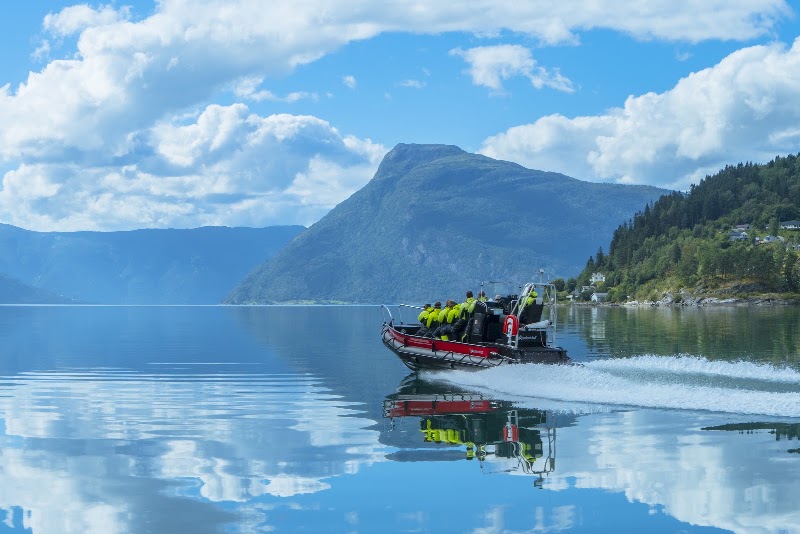
Norway · Skjolden
Adventure Tours Norway: A Fast, Friendly Skjolden Fjord Trip
Public reviews praise Adventure Tours Norway for smooth RIB rides, engaging guides and a short waterfall hike through the fjord landscape near Skjolden.
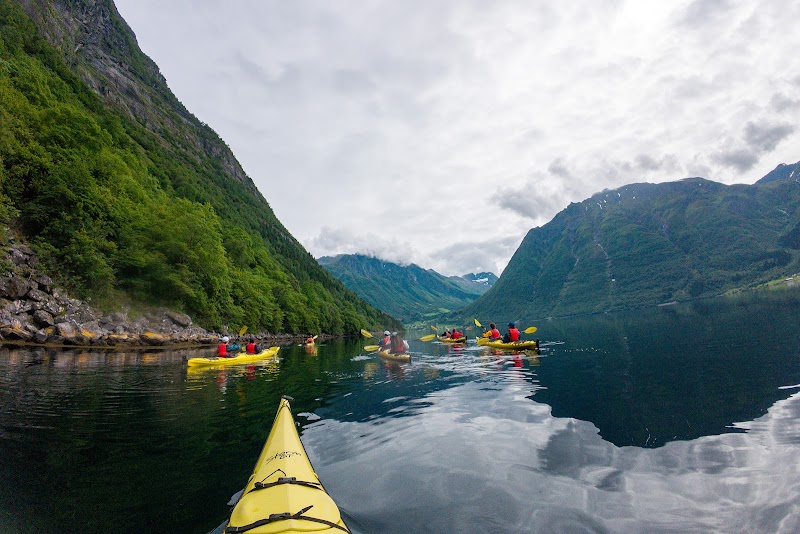
Norway · Davik
Norway Adventures: Bespoke Trips Beyond the Main Routes
Public reviews describe a highly personalised Norway travel service, with self-guided tours, outdoor trips and complex family itineraries.

Norway · Skulestadmo
Voss Active Brings River Adventure to Skulestadmo
Public reviews praise Voss Active for safe, sociable rafting, high ropes and ziplining, with canyoning as a strong alternative when river conditions change.
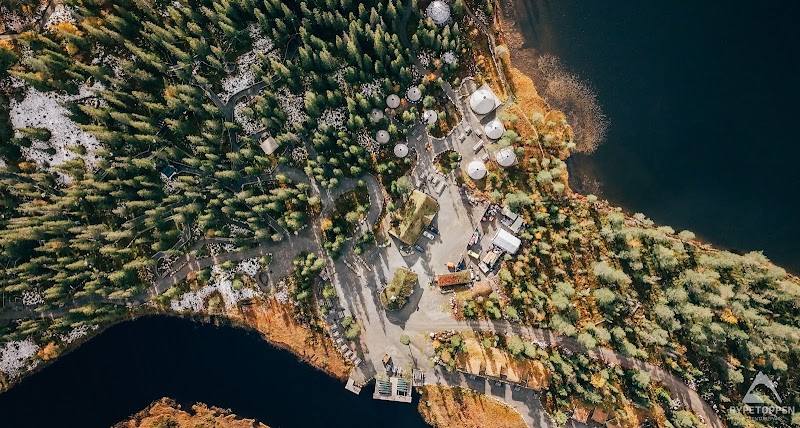
Norway · Meråker
Rypetoppen Adventurepark: Climbing and Zip Lines in Meråker
Rypetoppen Adventurepark suits families and groups seeking an active day outdoors, with graded climbing courses, zip lines and mountain views.