Fortress of Santa Teresa: History Inside a National Park
Strong reviews, preserved fortifications and a nature-rich park setting make this an easy historical stop on Uruguay’s Atlantic side.
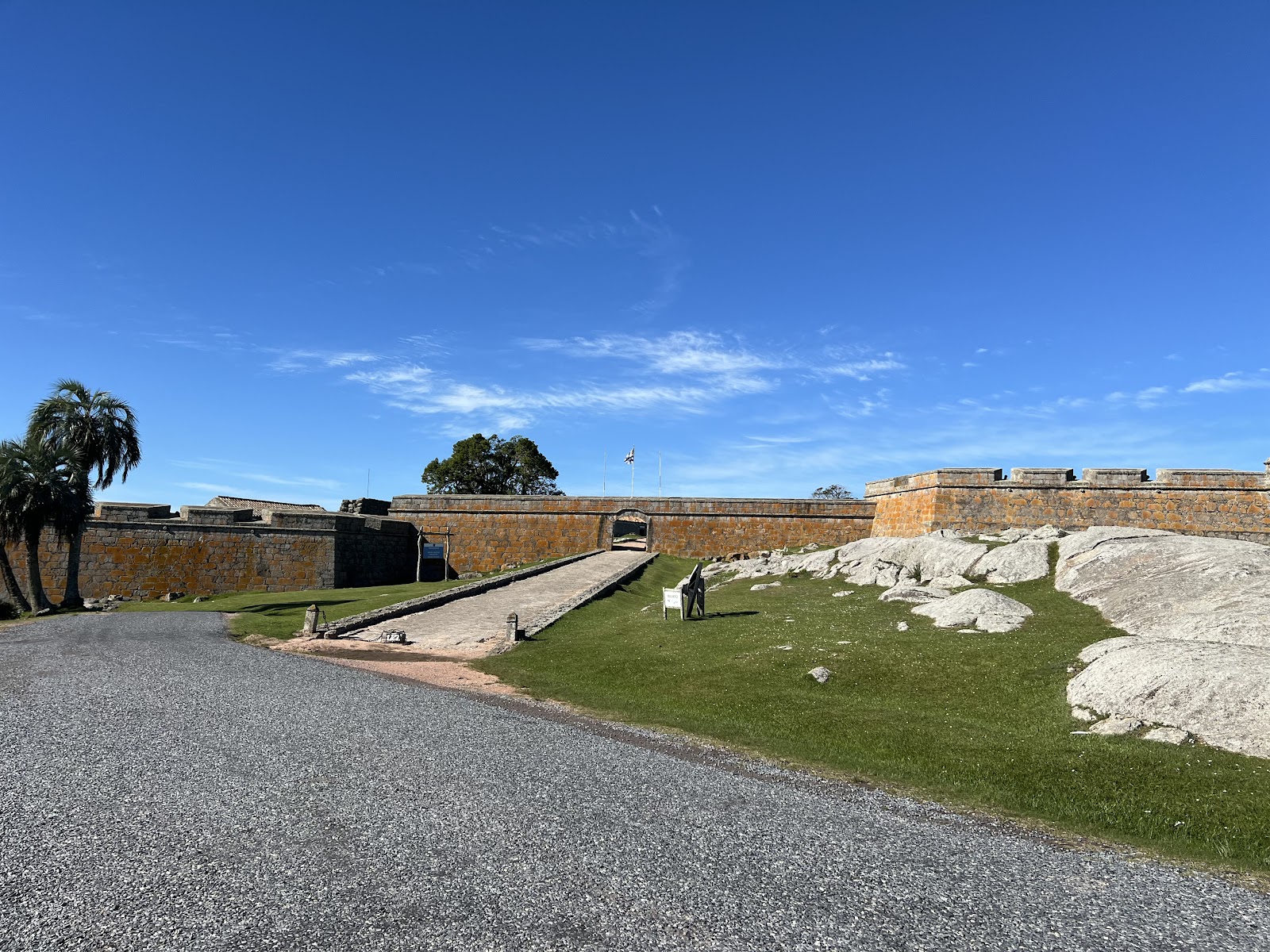
More photos
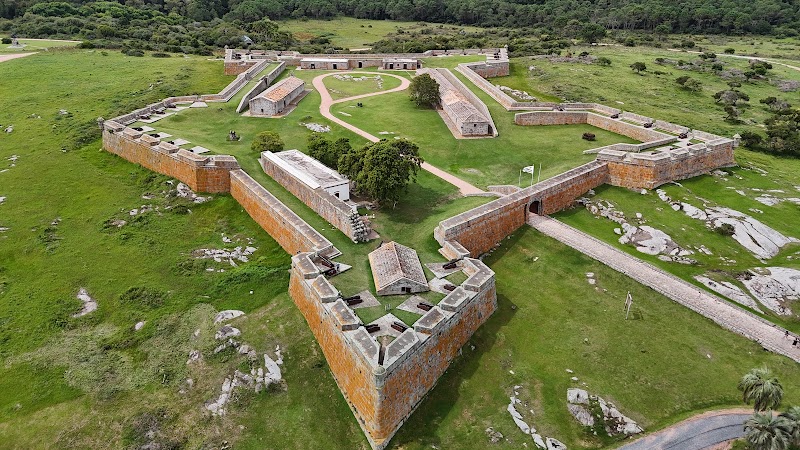

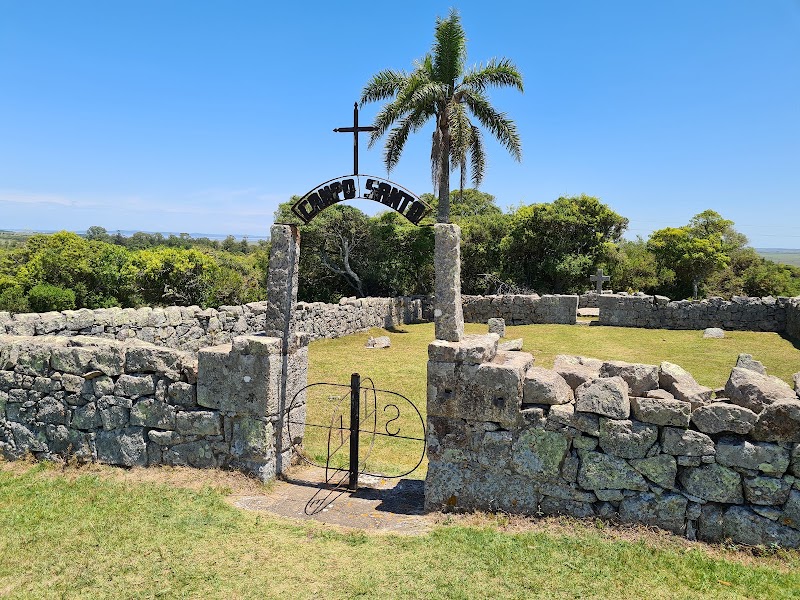

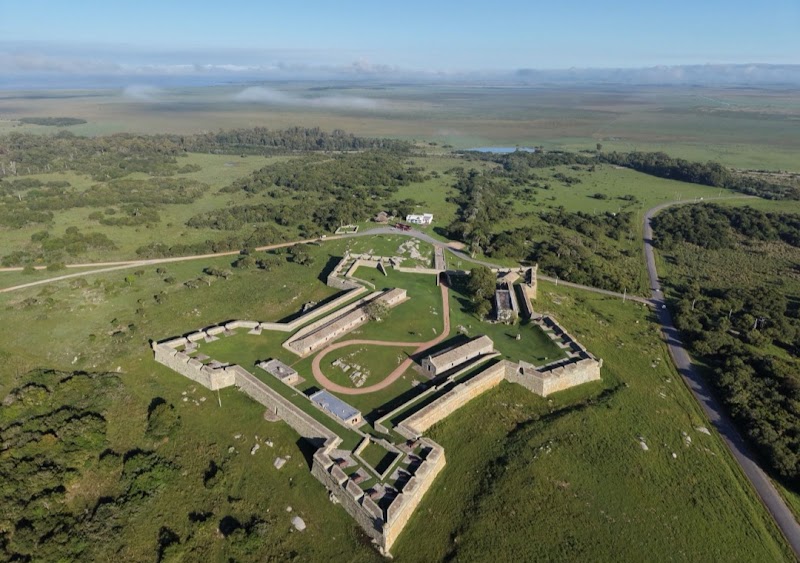

Photos published by travelers on Google, not AI generated.
What stands out
- Well-preserved historic fortress
- Cannon display
- Views from around the fort
- Nature-rich national park setting
Worth knowing
- Cash may be required for admission
- The fortress visit can be quite short
Don't miss
What comes up most in public reviews
- Walk around the fortress
- See the cannon display
- Pause for the surrounding views
- Combine the stop with the national park
Worth the trip?
Why visit
The Fortress of Santa Teresa earns a strong Google rating of 4.7 from 5944 reviews, with public feedback repeatedly highlighting its historical importance, preservation and attractive surroundings. Travellers describe an imposing fort that is enjoyable to explore without requiring a major time commitment.
Reviewers identify its origins with Portuguese construction in 1762, followed by Spanish control. That history gives the structure context beyond its visual appeal, although the shared reviews do not detail how extensively the story is interpreted on site. The most frequently praised features are the fort itself, its cannon display and the broad views available while walking around the complex.
What the experience is like
Visitors generally frame the fortress as a compact sightseeing stop rather than an all-day attraction. One review suggests allowing roughly 30 to 45 minutes, which should suit travellers interested in a walk through the historic structure, time to inspect the cannons and a few pauses for the surrounding views. History enthusiasts may prefer to linger longer over the architecture and defensive layout.
The setting adds substantially to the experience. Several reviewers connect the fortress with the surrounding national park, describing a landscape rich in flowers, birds, animals and open natural areas. This combination makes the stop more varied than a standalone museum visit. The preserved stone fortifications provide the historical focus, while the park offers space for a broader nature-based outing.
Feedback also suggests that the site can feel calm. A traveller visiting around Monday lunchtime found it very quiet, though that single experience should not be treated as a guarantee for other days or seasons.
Planning the stop
Public reviews consistently recommend combining the fortress with time in the national park. That approach makes sense because the fort itself may only occupy part of a morning or afternoon. Travellers can treat it as the historical centrepiece of a wider park visit rather than planning an itinerary around the building alone.
The practical warning repeated in reviews concerns admission. Visitors reported a budget-friendly entrance payment that needed to be made in cash. Payment policies and access arrangements can change, so travellers should confirm current requirements before arrival and carry local currency as a precaution.
The walking described in reviews appears straightforward, but no reliable accessibility details are supplied. Anyone with limited mobility should check current information about surfaces, steps and entry routes in advance.
Editorial verdict
Synthesised public feedback presents the Fortress of Santa Teresa as a well-kept, visually impressive historical landmark in a particularly appealing natural setting. Its main strength is the combination of preserved military history, cannons, views and easy access to a larger park experience.
It is best suited to travellers already exploring the area, history-focused visitors and families or couples looking for a short cultural stop alongside time outdoors. The limited visit length may disappoint anyone expecting an extensive museum, but it works well as part of a broader national park outing.
Ask anything
Looking for somewhere else?
Keep exploring
More from Uruguay
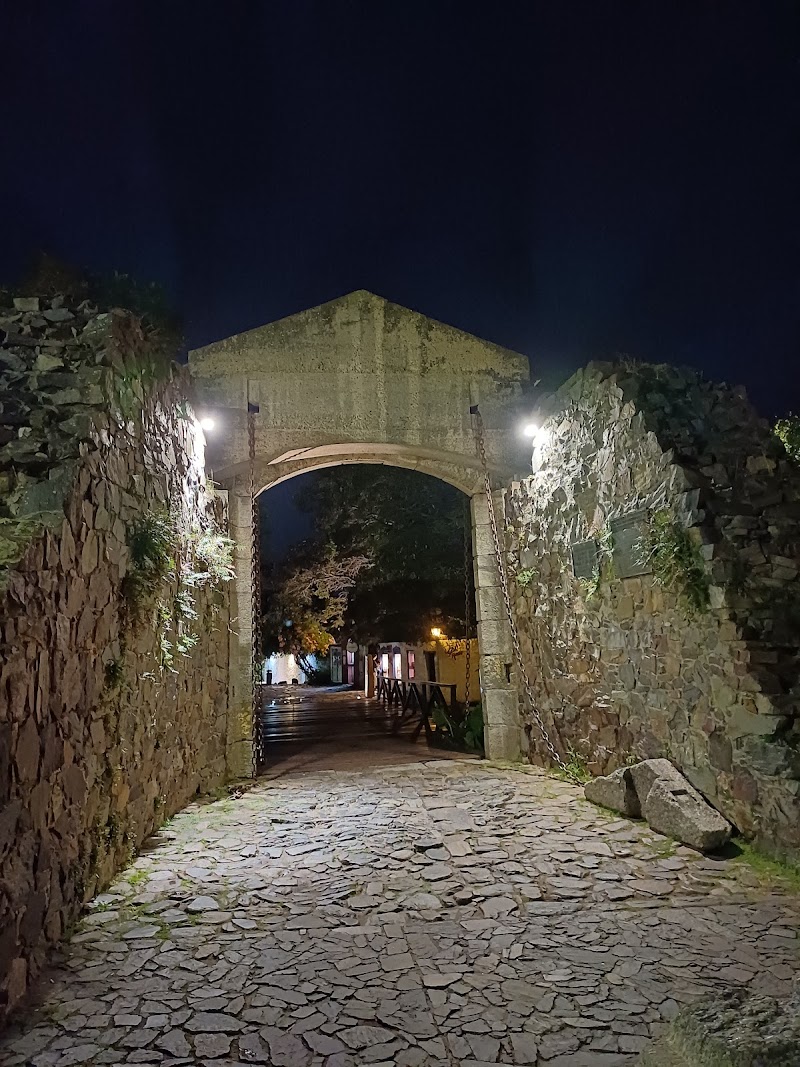
Uruguay · Colonia del Sacramento
Puerta de la Ciudadela: Colonia’s Historic Gateway
Colonia del Sacramento’s preserved city gate offers a striking passage into the old walled quarter and a tangible link to its Portuguese past.

Uruguay · Montevideo
Palacio Legislativo: Architecture and Democracy on Display
Montevideo’s working legislature pairs monumental architecture with guided tours that explain Uruguay’s history and democratic institutions.
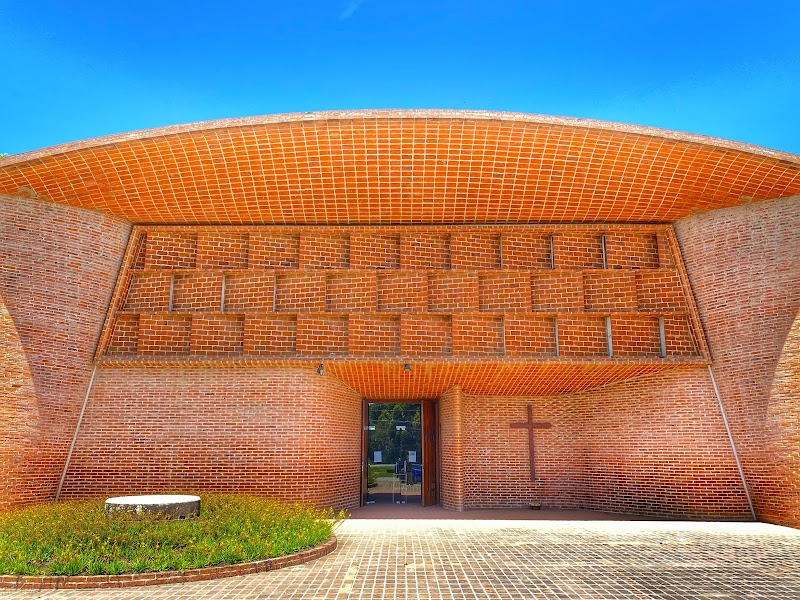
Uruguay · Estación Atlántida
Cristo Obrero Church: Dieste’s Brickwork in Motion
This UNESCO-listed church near Atlántida pairs Eladio Dieste’s structural ingenuity with rippling brick walls and jewel-like stained glass.

Uruguay · Trinidad
Palace Cave: Geology and History Near Trinidad
An intimate archaeological park where unusual ferricrete formations, wildlife and knowledgeable guides turn a short visit into a memorable one.