Fortress of Machaerus: Ruins Above the Dead Sea
A hilltop archaeological site near Madaba, Fortress of Machaerus pairs biblical history with wide views across the Dead Sea.
More photos
Photos published by travelers on Google, not AI generated.
What stands out
- Dead Sea views from the hilltop
- Ruins of a historic fortress-palace
- Connection with John the Baptist
- Possible views towards Jerusalem
- Quiet, contemplative setting
Worth knowing
- Expect an uphill walk and uneven terrain
- The fortress survives mainly as ruins
- Confirm current access arrangements
Don't miss
What comes up most in public reviews
- Walk to the hilltop ruins
- Look across the Dead Sea
- Consider the John the Baptist connection
- Take in the views towards Jerusalem
Worth the trip?
What the public reviews show
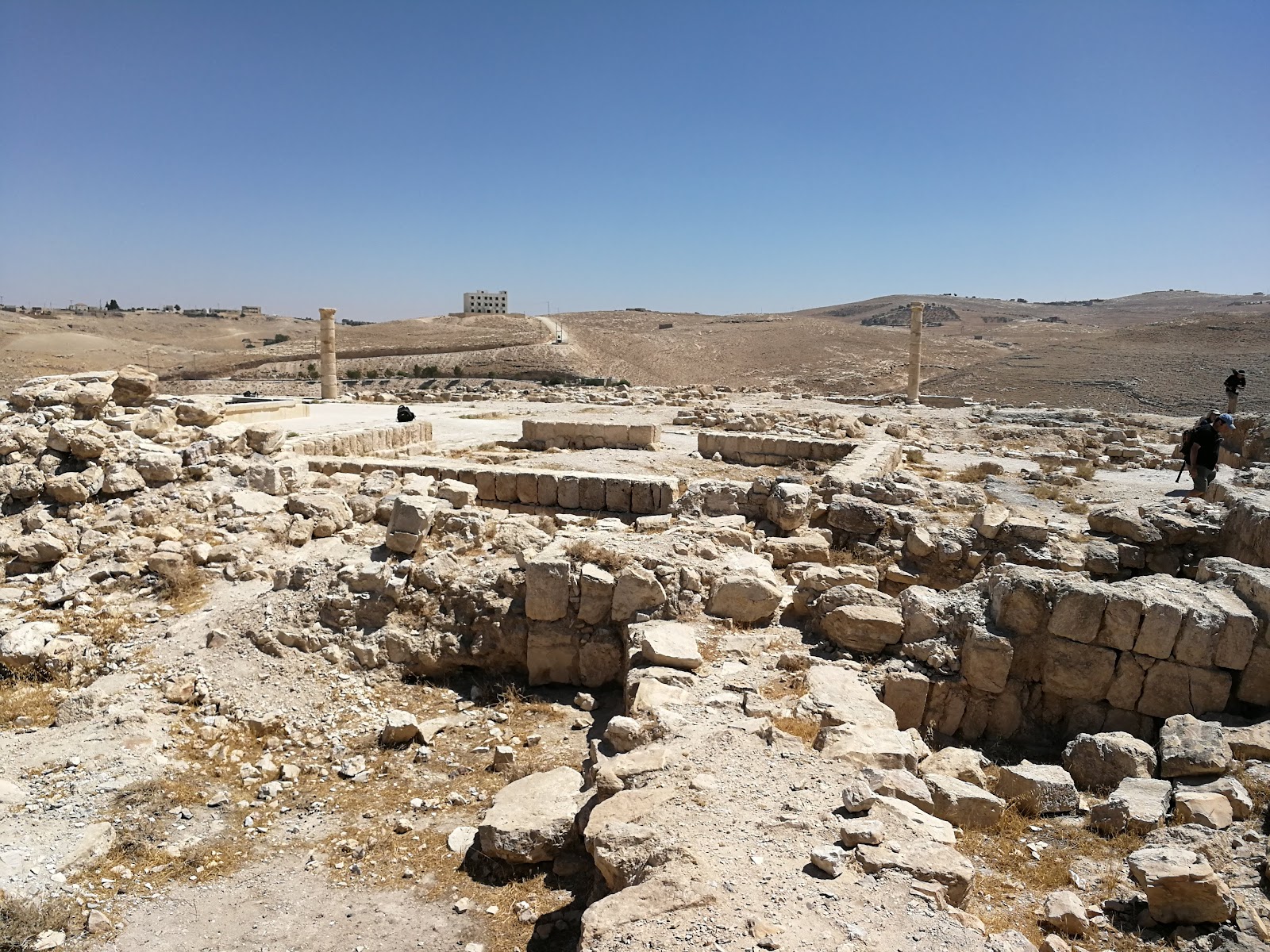
Fortress of Machaerus is a ruined hilltop site associated with Herod the Great, Herod Antipas and the story of John the Baptist. Public Google reviews give it 4.4 from 627 reviews. The strongest pattern is clear: visitors come for the historical setting, the religious significance and the open views across the Dead Sea.
The remains are atmospheric rather than complete. Reviewers describe a desert fortress-palace, with ruins spread across the hill and a climb leading to the top. One account identifies the site by its Arabic name, Qal'at al Mashnaqa. Another connects the location with the imprisonment and beheading of John the Baptist, referencing the accounts in Mark and Matthew.
The climb and the views
The approach involves walking uphill. Reviews differ slightly in emphasis. One visitor calls it a short, easy hike, while another mentions a fair amount of walking before reaching the summit. Taken together, the site appears manageable for visitors who are comfortable on uneven ground and exposed paths, but it is not a drive-up viewpoint.
The reward is the landscape. Multiple reviewers highlight the Dead Sea, and one says Jerusalem can also be seen from the top. The setting is dry, open and quiet, with the ruins occupying a high point above the surrounding terrain. Several comments treat the view as a major reason to make the trip, not a secondary detail.
History with a religious focus
Machaerus carries particular weight for visitors interested in biblical history. Reviews repeatedly identify it as the place where John the Baptist was imprisoned and beheaded at the request of Herodias and Salome. The association gives the ruins a strong sense of place, even though much of the original fortress has disappeared.
One review says the castle was destroyed by an earthquake during the 1900s and that only ruins remain. That comment reflects the condition visitors encounter: this is a site for imagining the former palace and fortress rather than touring intact rooms. The experience is contemplative. One reviewer describes the setting as a place to meditate, while another calls it a true piece of history.
Planning the visit
Public feedback recommends visiting between February and May, when conditions may be more comfortable for the uphill walk and time outdoors. The reviews do not provide a reliable price indication, so visitors should confirm current access arrangements before setting out.
Fortress of Machaerus suits travellers who value historical context, biblical sites and expansive scenery. It is less suited to anyone looking for preserved architecture, extensive visitor facilities or a brief roadside stop. The site requires time on foot, and the experience depends on the landscape as much as on the surviving stones.
The strongest visit combines a slow climb with time at the summit. Visitors should look across the Dead Sea, consider the site’s connection with John the Baptist and allow space for the quiet atmosphere. It is a spare, exposed place. That is part of its appeal.
Plan the rest of the trip
Ask anything
Looking for somewhere else?
Keep exploring around Madaba
More from Jordan
Jordan · Aqaba
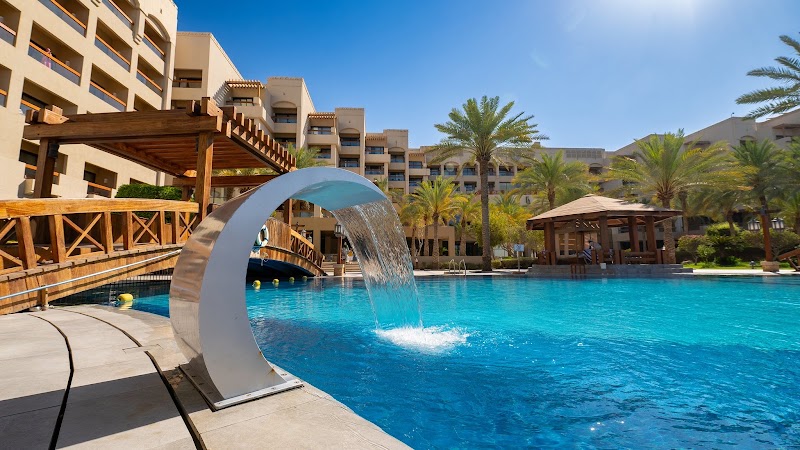
InterContinental Aqaba: A Polished Resort on Jordan’s Red Sea Coast
Public reviews praise the resort’s welcoming service, clean beach, food and spa, with room views the main point to clarify before arrival.
Jordan
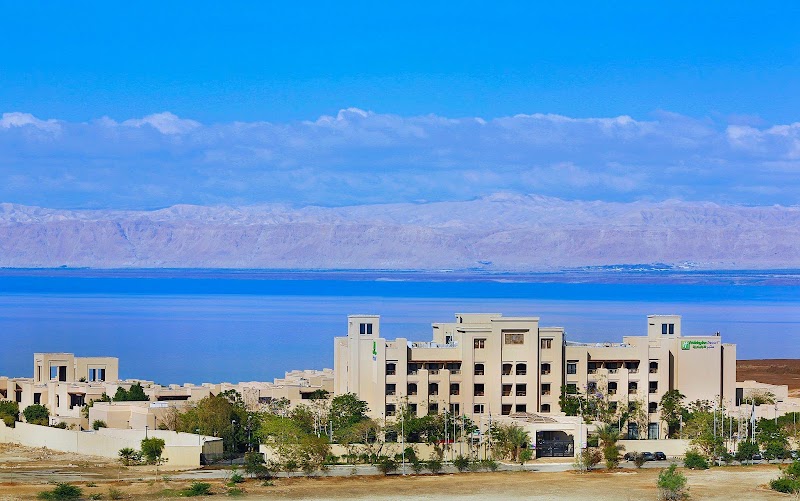
Holiday Inn Resort Dead Sea: A Well-Reviewed Jordan Escape
Public reviews point to a comfortable Dead Sea resort with attentive service, several pools, a private beach area and consistently praised dining.

Jordan · Swemeh
Mövenpick Resort & Spa Dead Sea: Service-Led Resort Stay
Public reviews point to a polished Dead Sea resort with helpful staff, comfortable rooms, a well-regarded spa and strong breakfast service.
Jordan · Swemeh
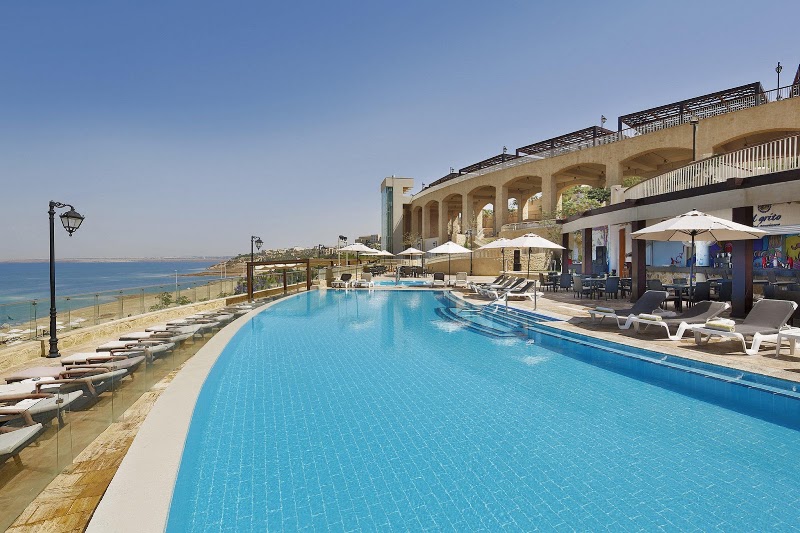
Crowne Plaza Jordan - Dead Sea Resort & Spa Review
Public reviews point to a polished Dead Sea resort with a private beach, a well-regarded spa and consistently praised service.