Fort James: Difficult History in a Neglected Setting
Fort James offers a sobering encounter with Accra’s past, but reviews repeatedly warn of deterioration and informal access arrangements.
More photos
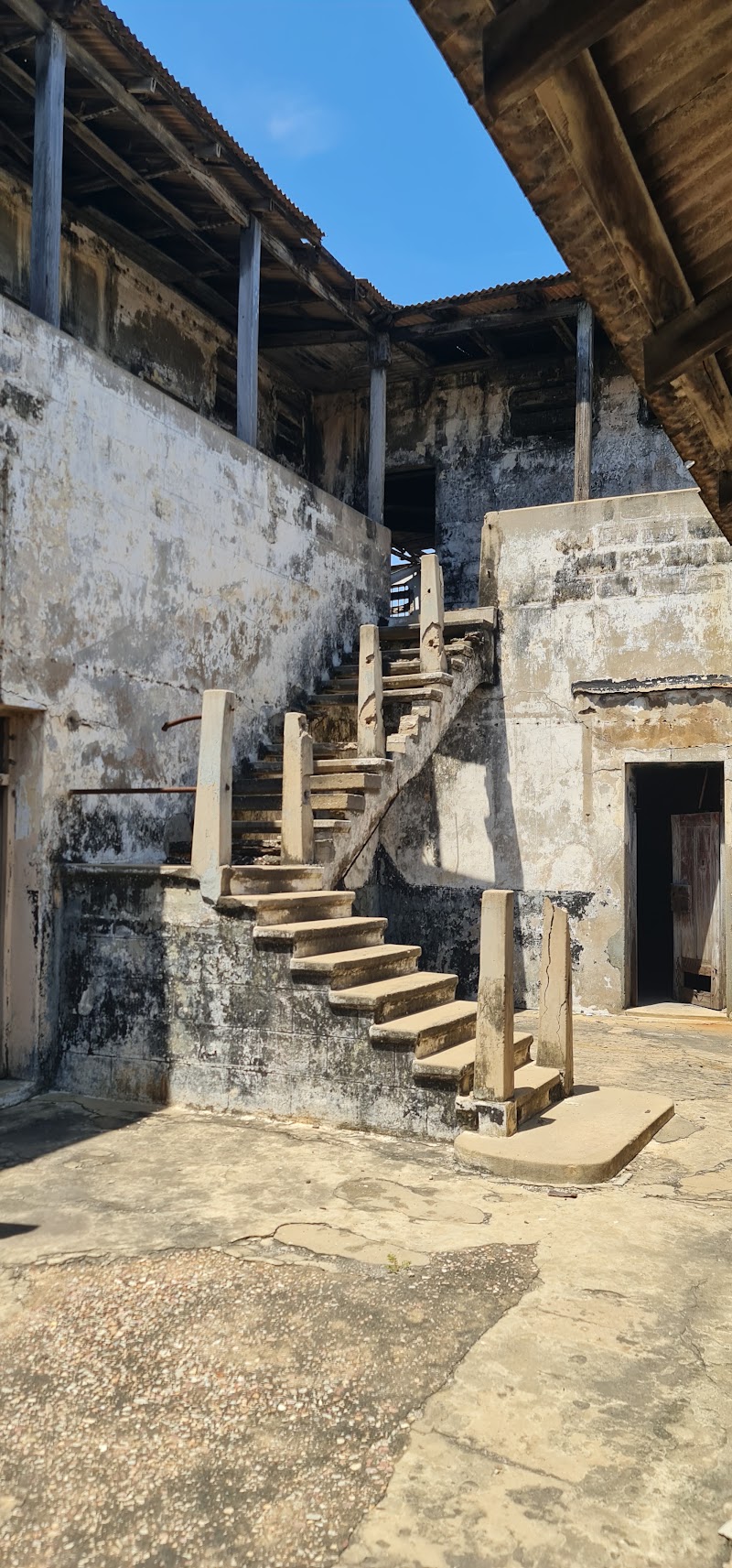
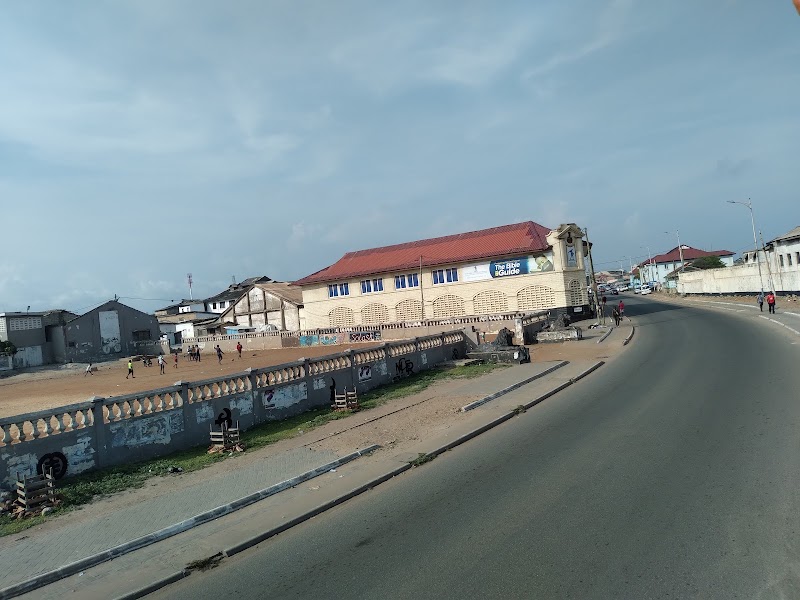
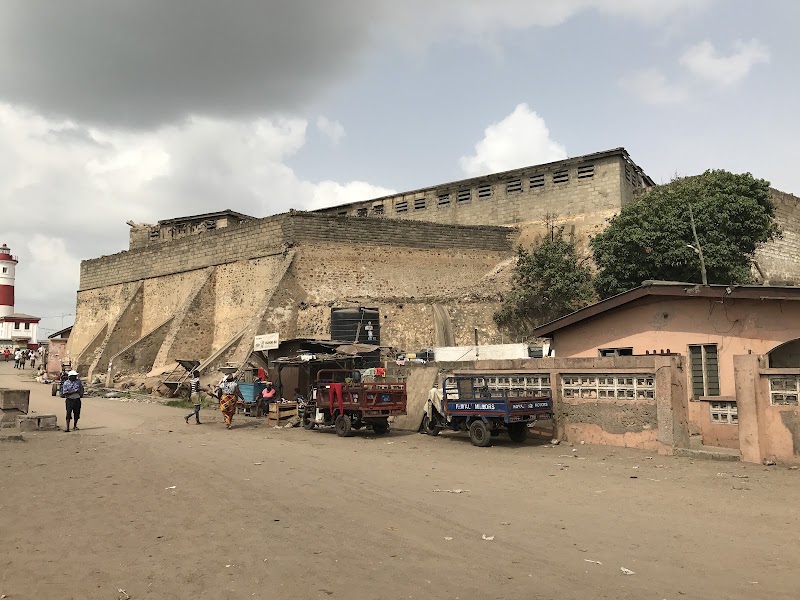
Photos published by travelers on Google, not AI generated.
What stands out
- Former slave cells
- Names scratched into prison walls
- Sempe Accra cultural significance
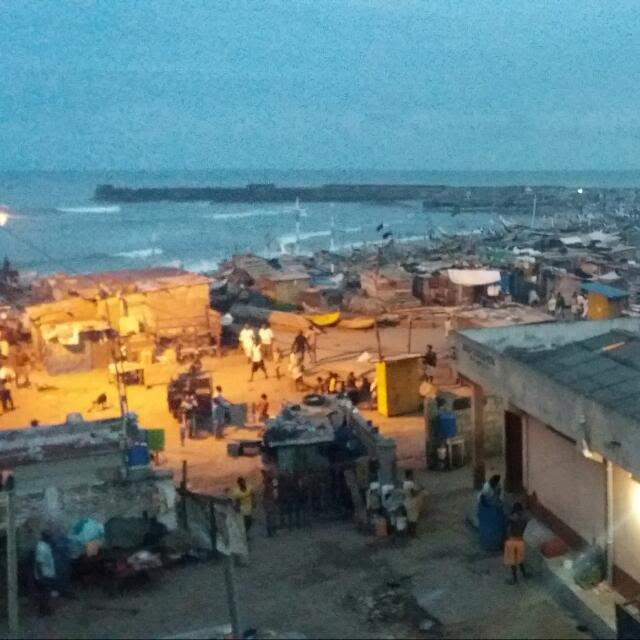
- Views of the working fishing community
Worth knowing
- Poorly maintained and deteriorating structure
- Unclear entrance-fee arrangements
- Reports of pressure to make donations
Don't miss
What comes up most in public reviews
- See the former slave cells
- Look for names scratched into the walls
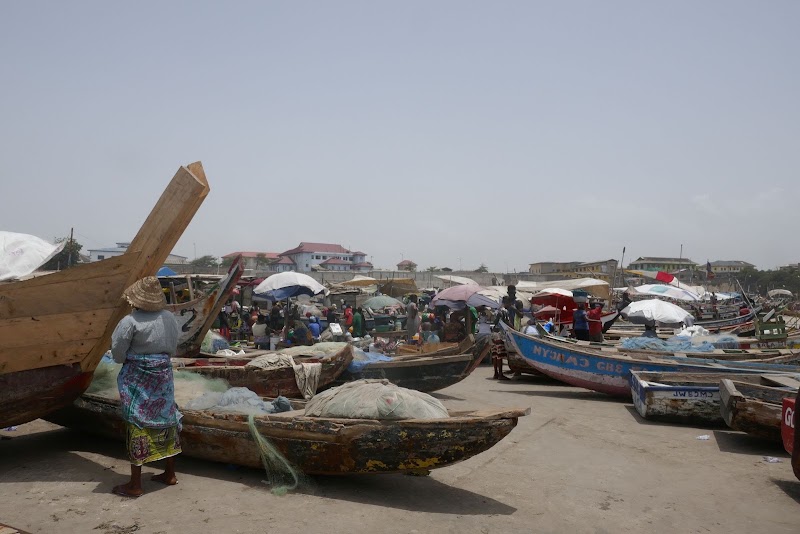
- Observe the fishing boats from afar
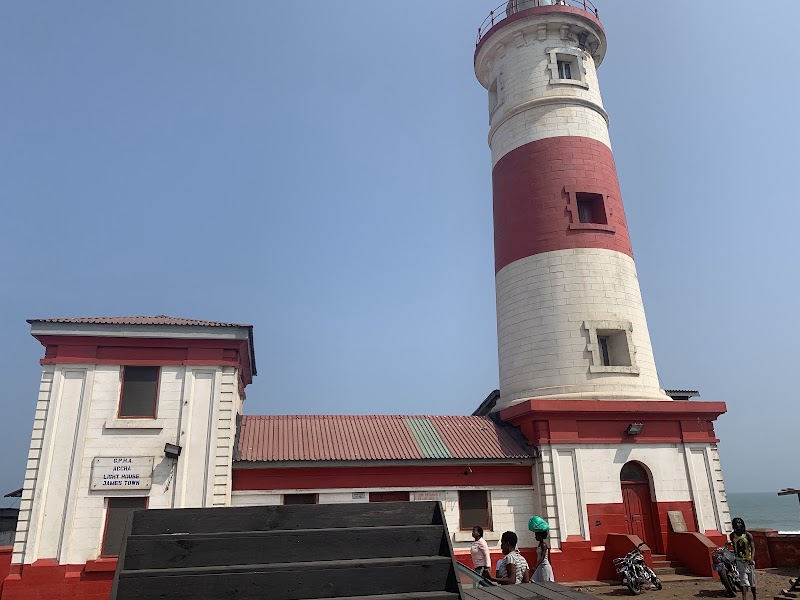
- Note the nearby lighthouse
Worth the trip?
Why Fort James matters
Fort James divides opinion, yet its historical weight is the consistent reason travellers make the trip into Jamestown. Based on its 4.1 Google rating from 637 reviews, the site leaves a stronger impression than its neglected appearance might suggest.
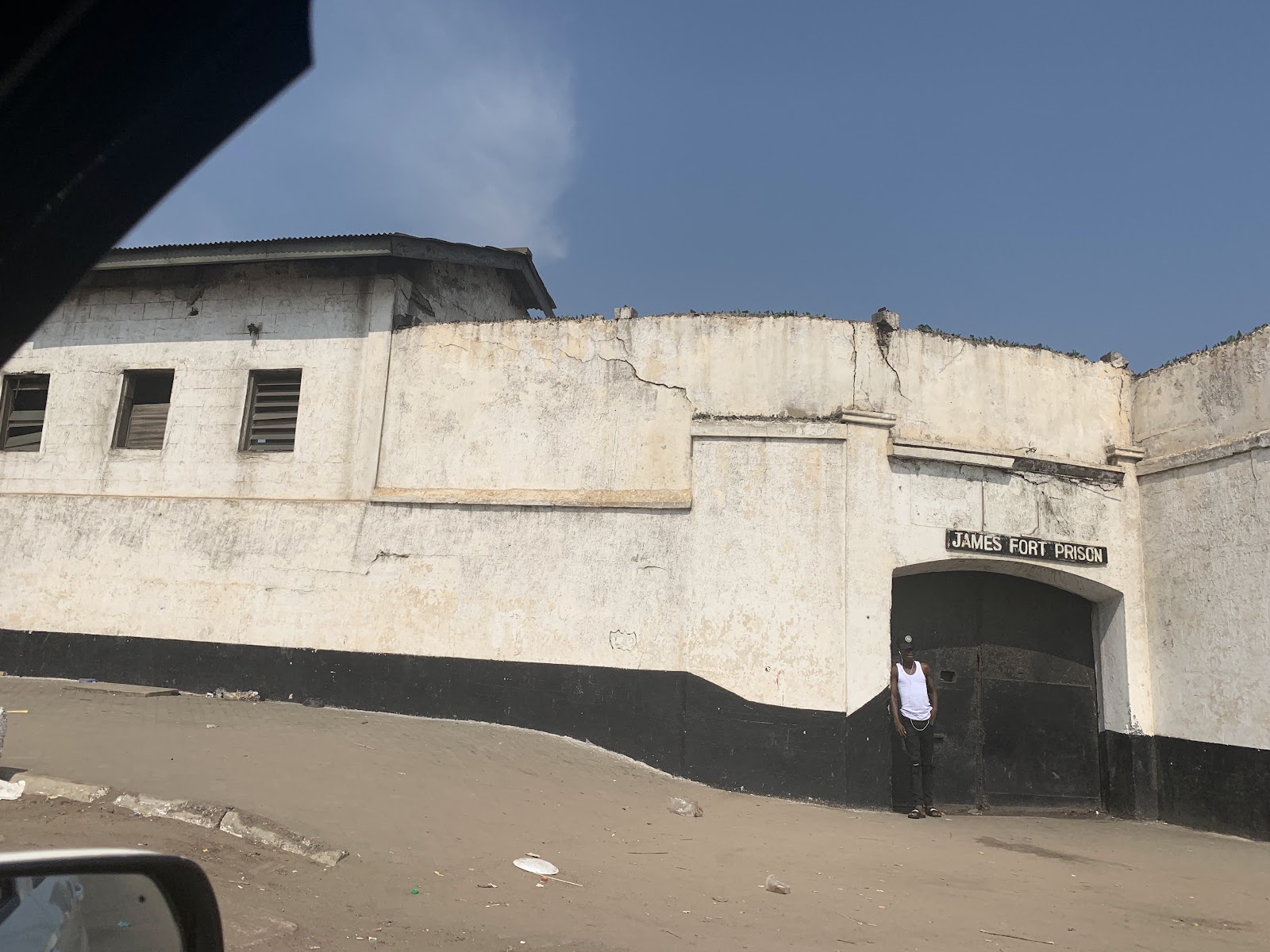
Visitors describe entering former slave cells and confronting the fort’s connection with the transatlantic slave trade. Several find the experience haunting, heavy and necessary rather than conventionally enjoyable. Reviewers also note that the building later served as a prison until 2008. Names scratched into some walls, said to have been left by former prisoners, add a more recent human layer to the site.
The fort also has significance for the indigenous people of Sempe Accra. One local review identifies it as the home of a deity called Anyeni and describes an annual cleansing tradition. Architecture students are also reported to use the building as a place of study.
Condition and visitor experience
The main concern is physical deterioration. Some reviewers call the prison abandoned or say that the structure is falling apart. Anyone expecting a polished museum, clear exhibition panels or a formally managed heritage attraction may be disappointed. The interest lies primarily in the surviving spaces, walls and stories rather than in a developed visitor experience.
Access appears inconsistent. Public reviews mention local people controlling entry and collecting an entrance fee, but they question whether payments are official. Others describe being taken to a run-down school building behind the nearby lighthouse and then asked for donations. These are individual allegations rather than verified operating arrangements, but they recur strongly enough to justify caution.
Travellers should establish what a proposed tour includes and whether any charge is official before entering or following an informal guide. Firmly declining unplanned donation requests may make the visit less stressful.
Jamestown’s working waterfront
The surrounding fishing activity gives the area a separate kind of interest. One reviewer was particularly struck by the skill and determination of local fishers, watching boats head onto the water and return with their catch. That working waterfront context can make a Fort James stop feel connected to present-day Jamestown rather than limited to the building’s difficult history.
The nearby lighthouse is a useful landmark, although reviews focus more on the fort, prison spaces and fishing community than on the lighthouse itself. Observing fishing boats from a respectful distance may add depth to the visit without intruding on people at work.
Editorial verdict
Fort James is best approached as an important but poorly maintained historical site. The old cells, prison markings and local cultural associations give it considerable educational value. At the same time, deterioration, uncertain fee collection and reports of donation pressure weaken the experience.
Travellers with a serious interest in Accra’s history may still find the stop worthwhile, particularly as part of a broader exploration of Jamestown. Those seeking a well-organised attraction with formal interpretation should temper expectations and keep practical boundaries clear.
Ask anything
Looking for somewhere else?
Keep exploring around Accra
More from Ghana
Ghana · Dixcove
Fort Metal Cross: History and Coastal Views in Dixcove
This compact historic fort draws visitors for its difficult past, coastal scenery and locally delivered tours, though upkeep receives mixed reports.
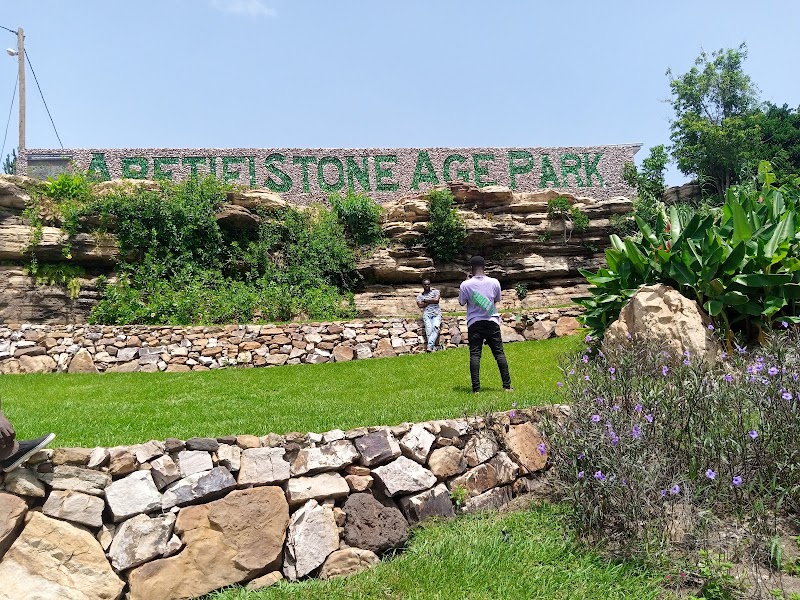
Ghana · Abetifi
Abetifi Stone Age Park: archaeology, views and picnic space
Public reviews describe a scenic, family-friendly park combining rock formations, historical interpretation, gardens and wide mountain views.
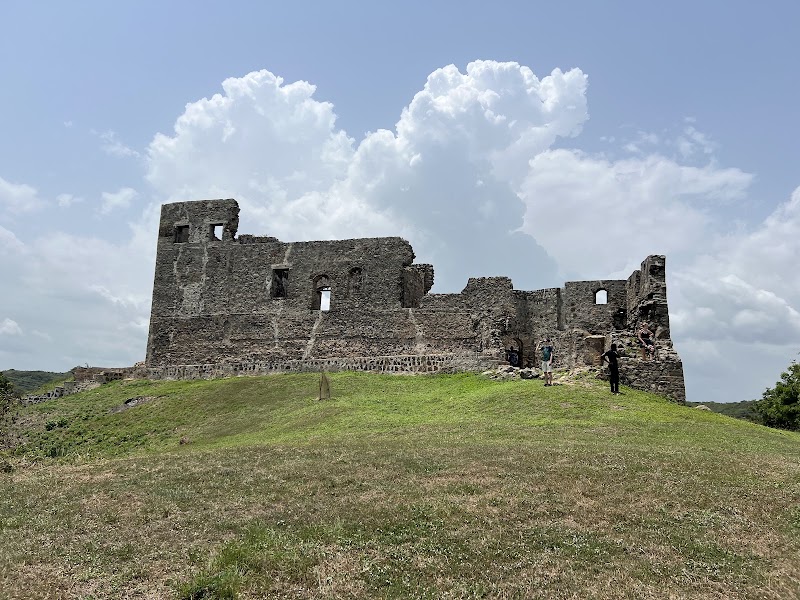
Ghana · Abandze
Fort Amsterdam: An Intimate Hilltop Fort in Abandze
Fort Amsterdam pairs a compact, affecting historical site with broad views over Abandze and Ghana’s Atlantic coastline.
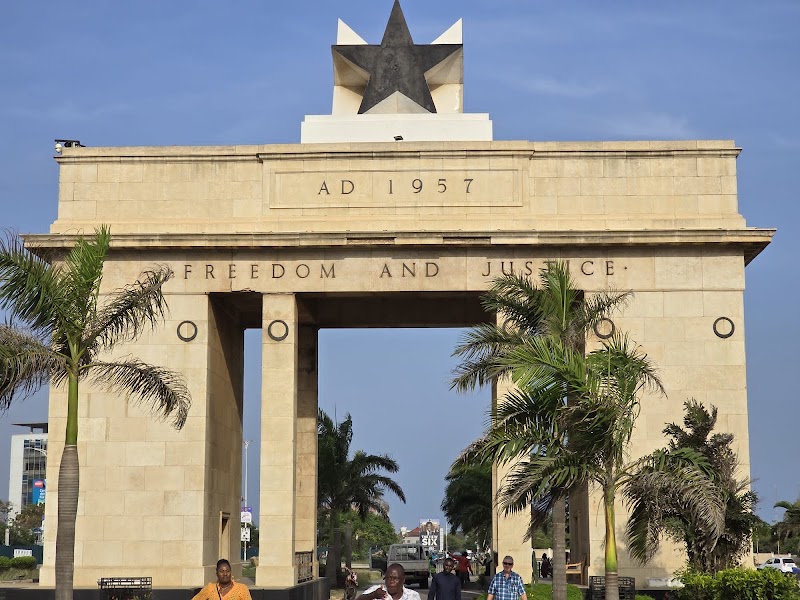
Ghana · Accra
Independence Arch: Accra’s Monumental Photo Stop
Accra’s Independence Arch pairs national history with an expansive setting, elevated views and striking illumination after dark.