Folk Heritage Museum Kawajangsa: Rural Bhutan Remembered
A restored farmhouse, traditional tools and hands-on displays offer an accessible introduction to Bhutan’s rural heritage in Thimphu.
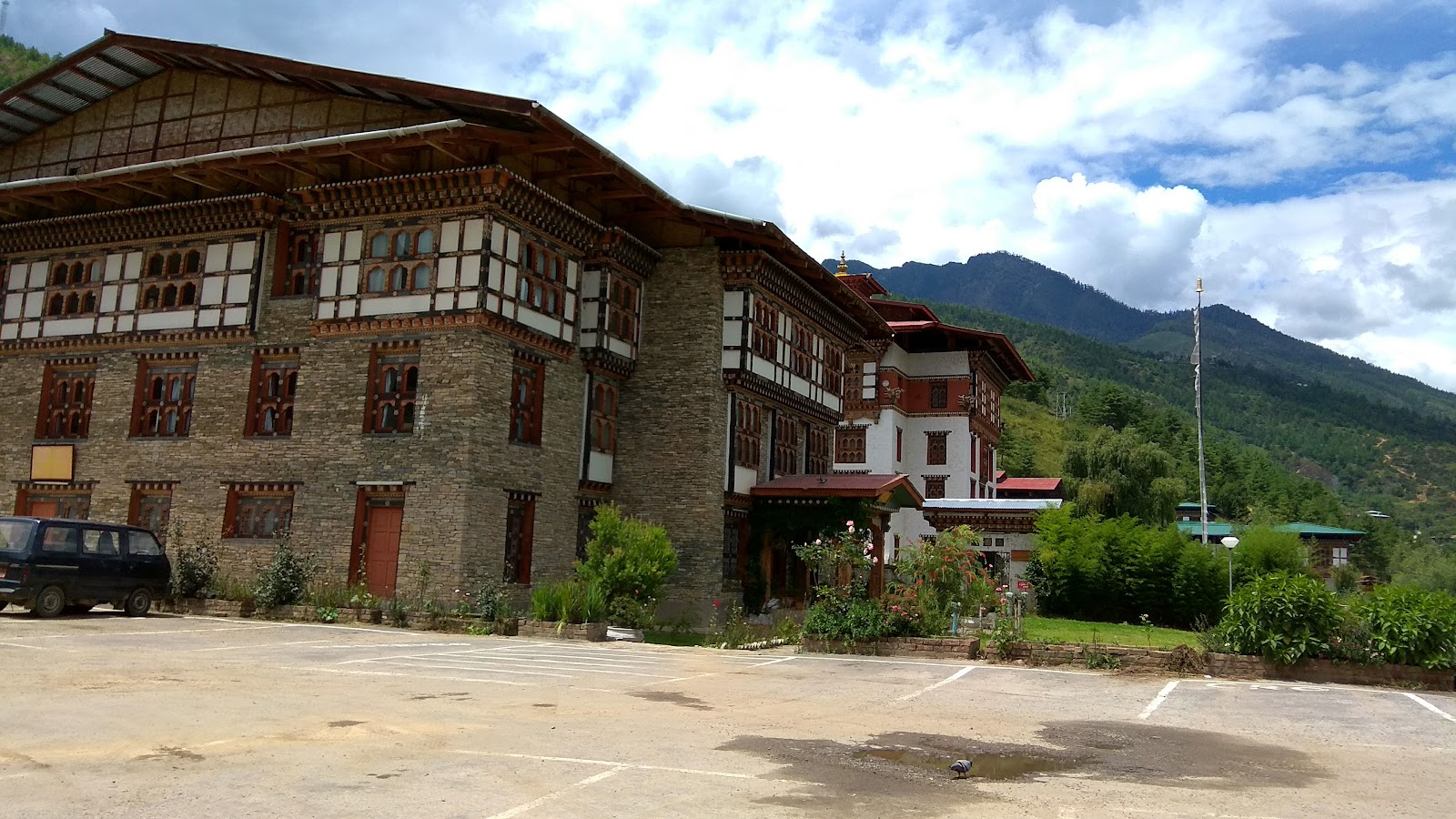
More photos
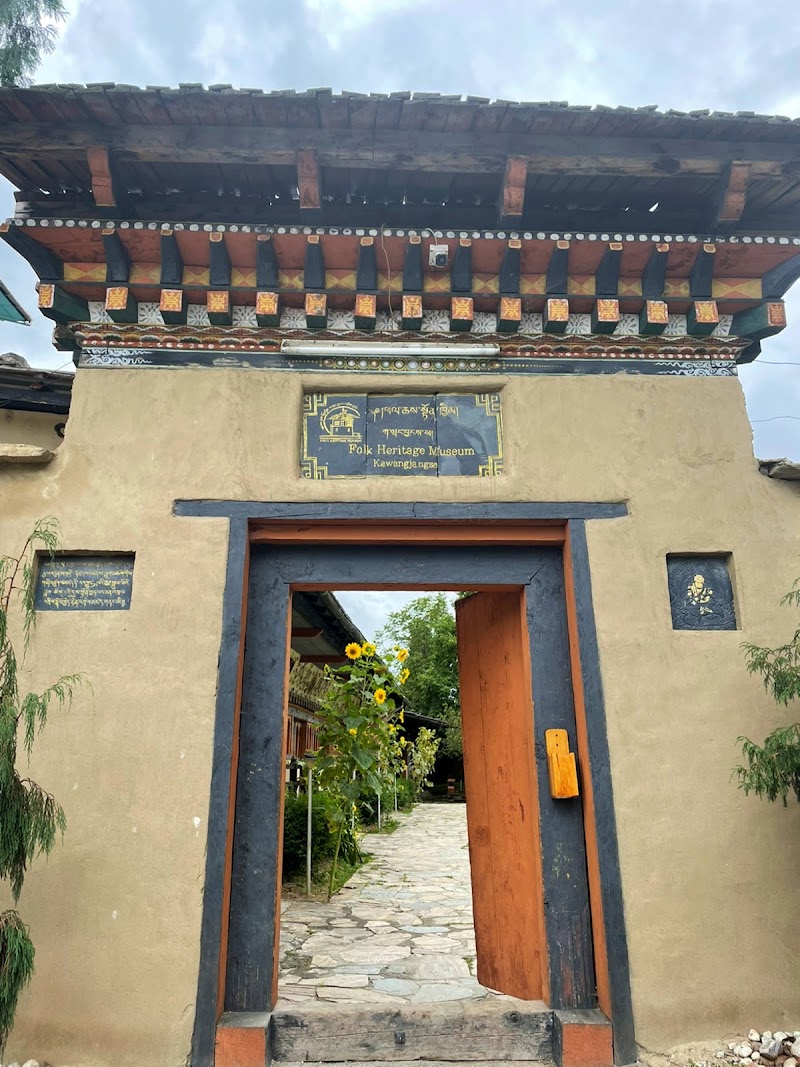
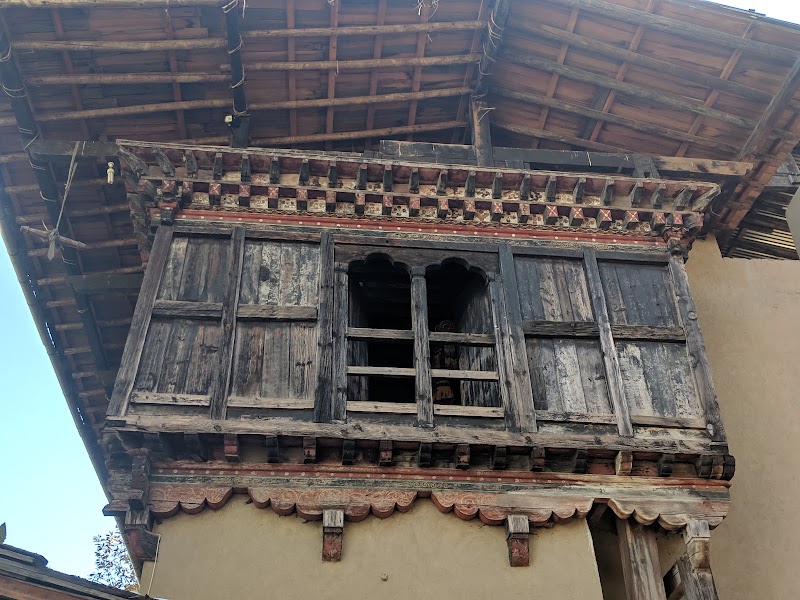
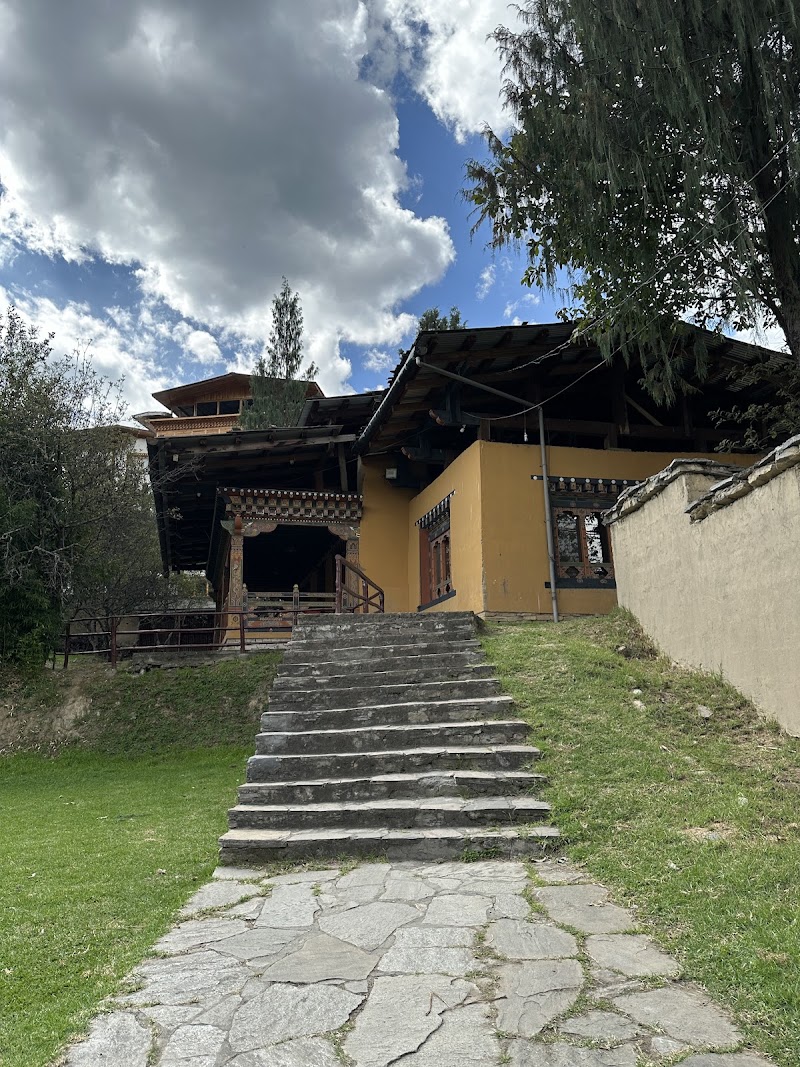
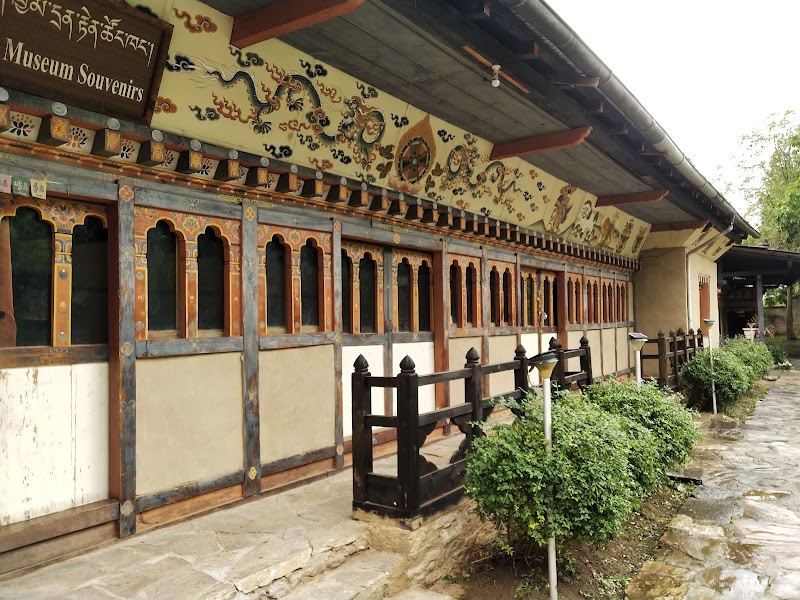
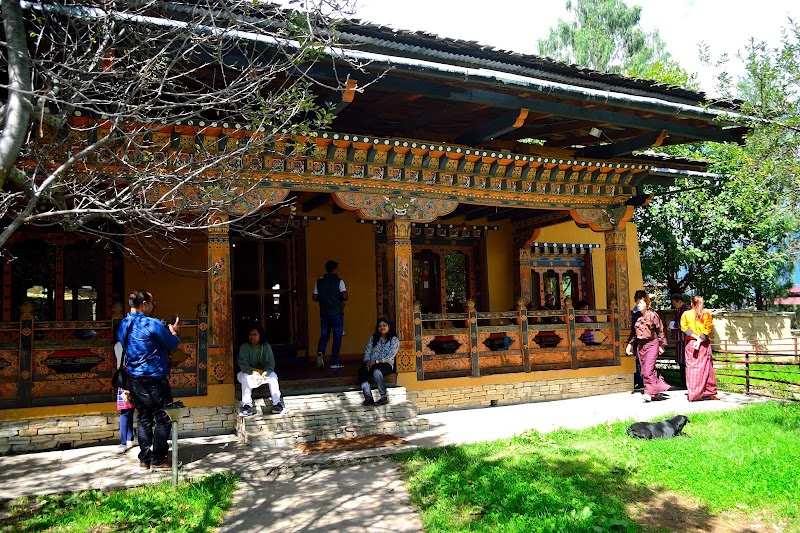
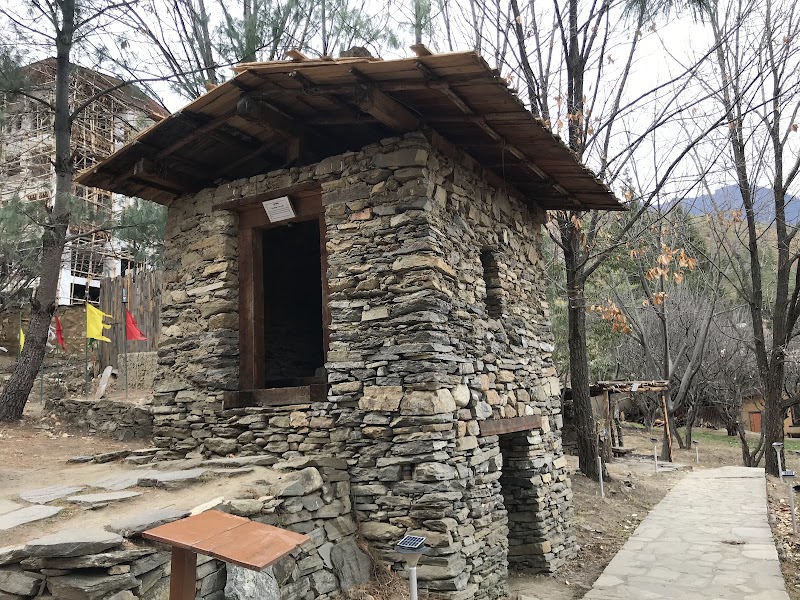
Photos published by travelers on Google, not AI generated.
What stands out
- Restored 19th-century farmhouse
- Traditional kitchens and household objects
- Farming tools and rural-life displays
- Local textiles and weaving
- Bhutanese food at the museum restaurant
Don't miss
What comes up most in public reviews
- Walk through each floor of the traditional farmhouse
- See the old-style kitchen and farming tools
- Look for the weaving and regional textile displays
- Ask whether archery or dart activities are available
- Consider pairing the museum with a Bhutanese meal
Worth the trip?
Why visit
Folk Heritage Museum Kawajangsa, also known as the National Folk Heritage Museum or Phelchey Toenkhyim, focuses on the traditional rural life of Bhutan. It holds a Google rating of 4.2 from 675 reviews, with public feedback consistently praising its atmosphere, cultural detail and accessible presentation.
The central attraction is a restored 19th-century mud-and-timber farmhouse. Rather than presenting Bhutanese heritage only through display cases, the museum places household objects, farming implements and textiles within a setting that resembles the environment in which they were once used. Reviewers frequently describe the visit as immersive, peaceful and useful for understanding daily village life.
Inside the traditional house
The farmhouse’s different floors reveal practical aspects of domestic life. Public reviews repeatedly mention old-style kitchens, wood stoves, household utensils, agricultural tools and other objects associated with farming and food preparation. Mud floors and timber construction add context that a conventional gallery might struggle to provide.
The displays are generally described as simple rather than highly polished or technology-led. That directness appears to be part of the appeal. Visitors can examine how rural households were arranged and see how work, cooking, storage and family life fitted into the same structure. Traditional clothing, local textiles and weaving also receive positive attention, including a display connecting textile patterns with different regions.
This is primarily an interpretive museum rather than a large collection requiring an entire day. Its strength lies in the coherence of the house, objects and courtyard. Travellers with limited knowledge of Bhutanese culture are likely to gain the most from visiting with a guide who can explain the purpose of individual rooms and tools.
Demonstrations and activities
Several reviewers report seeing traditional skills demonstrated within the grounds. Examples include weaving and the compaction methods used to make mud-brick dwellings. Some also describe trying archery, Bhutan’s national sport, and playing darts outdoors. These activities can make the experience more engaging, particularly for families and visitors who prefer participation to passive viewing.
The available reviews do not establish whether demonstrations and games operate every day, so they should be treated as possible additions rather than guaranteed features. Asking ahead, or checking with a guide on arrival, would help visitors understand what is scheduled.
Food and overall verdict
The museum restaurant is mentioned positively by reviewers who paired their visit with a Bhutanese meal, including a banquet-style lunch. That combination can turn a relatively compact museum stop into a broader introduction to local food and rural traditions.
Synthesizing the public feedback, the museum works best as a two-to-three-hour cultural visit rather than a full-day attraction. The farmhouse itself is the essential feature, supported by well-maintained grounds, practical artefacts and occasional demonstrations. Visitors expecting elaborate interactive technology may find the interpretation modest, but those interested in architecture, textiles, farming and everyday Bhutanese history should find it rewarding.
Ask anything
Looking for somewhere else?
Keep exploring around ཐིམ་ཕུུུུ
More from Bhutan

Bhutan · ཐིམ་ཕུུུུ
Ludrong Memorial Garden: A Calm Green Break in Thimphu
Riverside paths, lawns, ponds and Dzong views make this well-liked garden a restorative break from central Thimphu.
Bhutan · Dochula
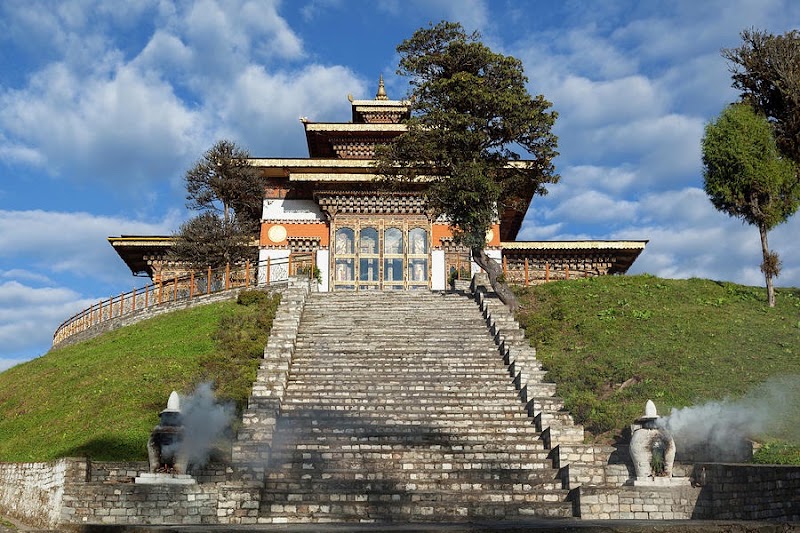
Druk Wangyal Lhakhang: Sacred Art at Dochula Pass
Facing Dochula’s 108 stupas, this serene Buddhist temple pairs richly painted interiors with expansive mountain-pass scenery.
Bhutan · Trongsa
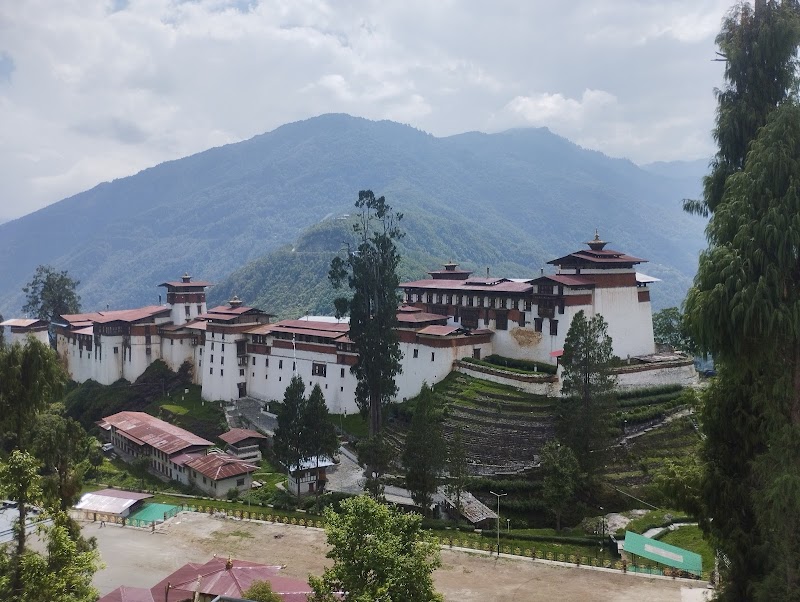
Trongsa Dzong: Bhutan’s Dramatic Ridge-Top Fortress
Public reviews praise this vast fortress complex for its intricate interiors, spiritual atmosphere and commanding views across the Trongsa valleys.
Bhutan · Jakar
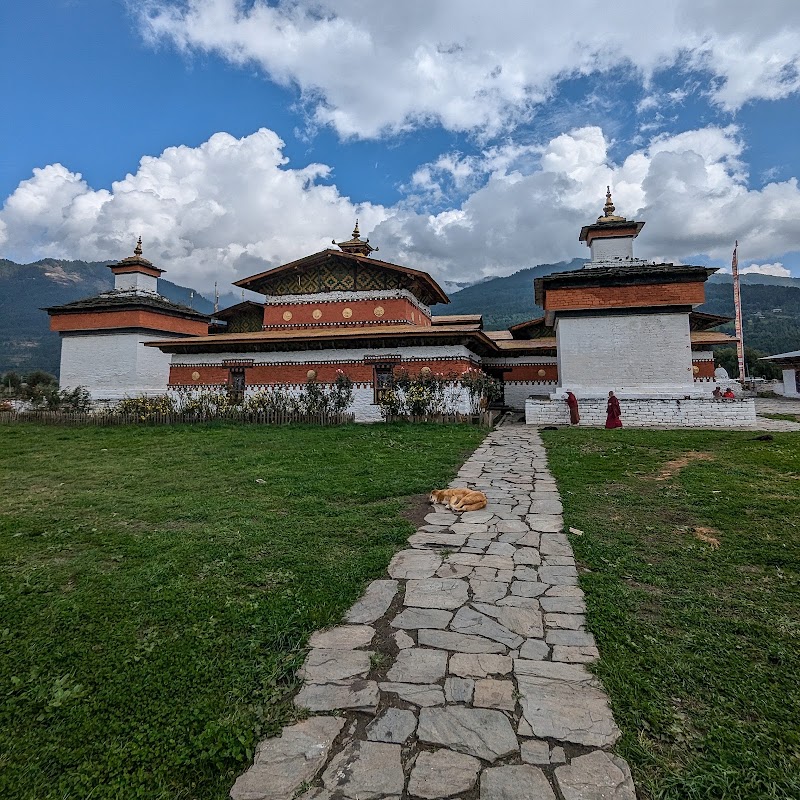
Jambay Lhakhang: ancient spirituality in Bumthang
This compact, active temple near Jakar combines deep religious significance with a quiet valley setting and centuries of Bhutanese history.