First Iron Bridge in the Caribbean: Spanish Town History
A compact Rio Cobre landmark, this early cast-iron bridge draws praise for its historic structure, stonework and local significance.
More photos



Photos published by travelers on Google, not AI generated.
What stands out
- Cast-iron span over the Rio Cobre
- Cut-stone bridge abutments
- View from the current bridge
- Connection to local memories
Worth knowing
- Reviews provide few practical access details
- Best treated as an en-route stop
Don't miss
What comes up most in public reviews
- View the old span from the current bridge
- Notice the cut-stone abutments
- Admire the cast-iron structure
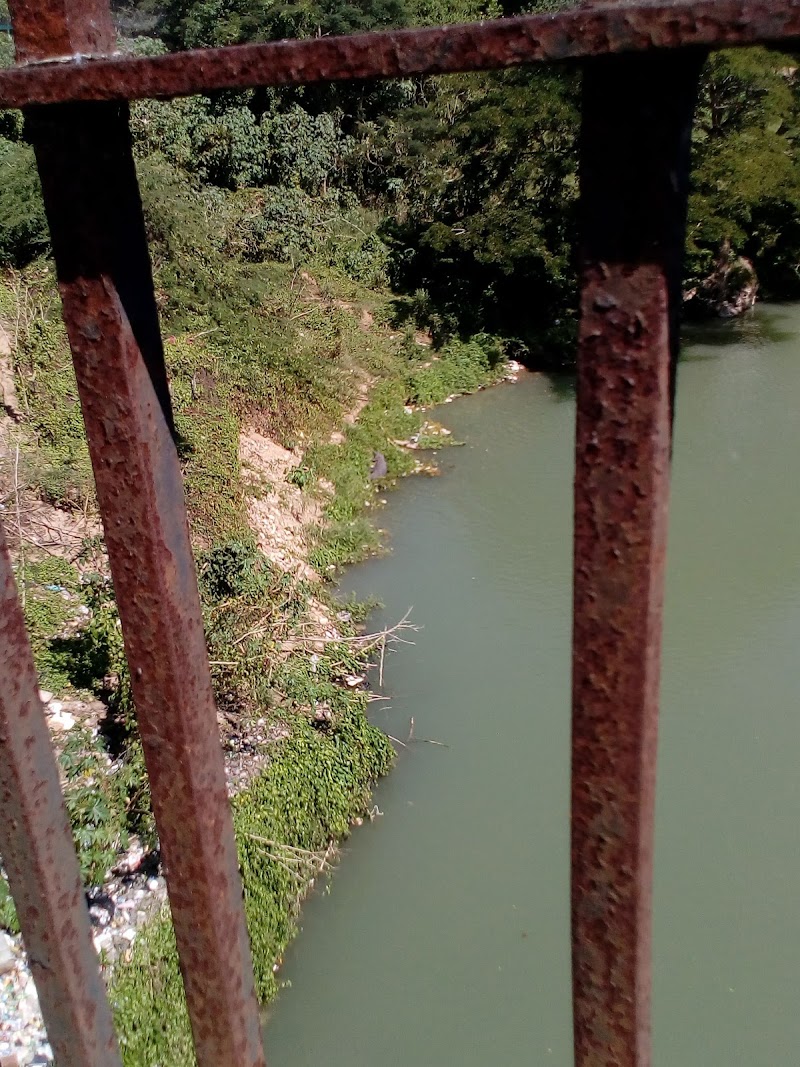
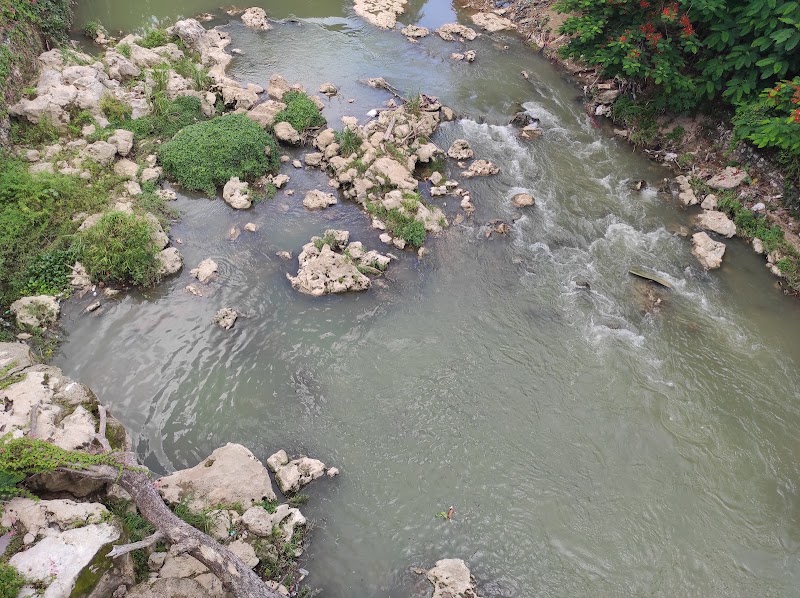
- Take in the Rio Cobre setting
Worth the trip?
Why it stands out
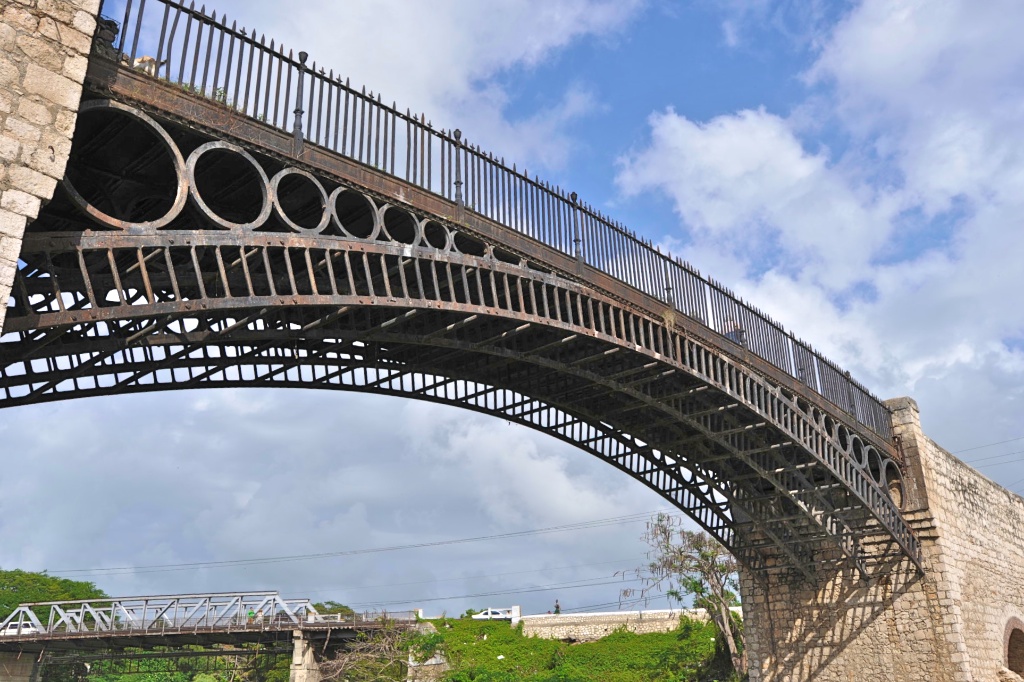
At the eastern end of Spanish Town, the First Iron Bridge in the Caribbean spans the Rio Cobre beside the crossing now used by traffic. Public feedback is limited but broadly positive, giving the landmark a Google rating of 4.2 from 57 reviews. Travellers repeatedly describe it as beautiful, historically important and worth admiring while travelling to or from Jamaica’s former capital.
The bridge also carries a strong sense of local memory. One reviewer recalls living nearby, while another associates the structure with “lots of memories.” That personal connection adds context to what might otherwise appear to be a short roadside sightseeing stop. It is both an engineering relic and a familiar feature of the Spanish Town landscape.
Structure and historical interest
The most detailed public review describes an approximately 81-foot-long and 15-foot-wide cast-iron span supported by abutments made from cut stone. The same account dates its erection to 1801 and identifies it as the oldest bridge of its kind in the Western Hemisphere. Those details come from traveller commentary rather than information presented in the supplied listing, but they explain why the bridge attracts attention from people interested in Jamaica’s built heritage.
Visually, the contrast between the iron structure and the substantial stone supports appears to be the main point of interest. Reviewers do not describe elaborate decoration, exhibitions or an extensive visitor area. The appeal lies in seeing an early piece of infrastructure still present over the Rio Cobre and considering its place in the history of Spanish Town.
What the visit is like
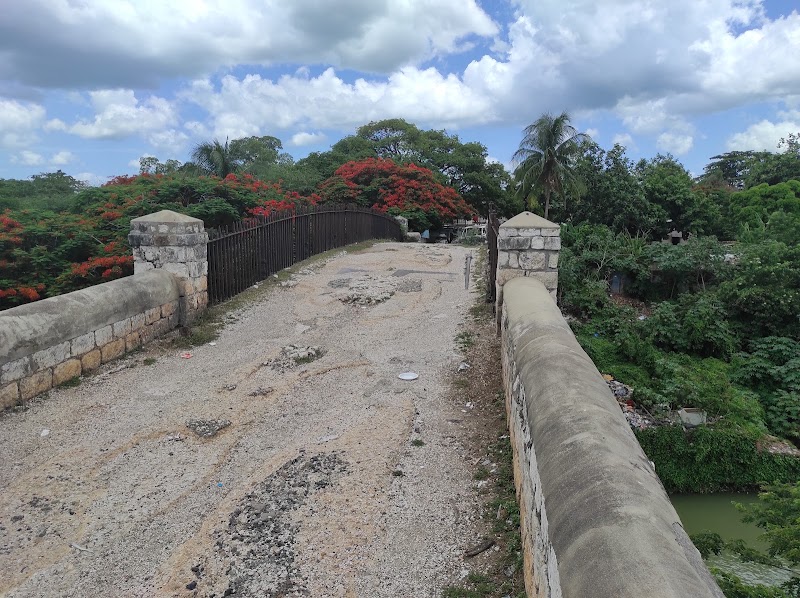
Reviews suggest that the old bridge is viewed from the bridge currently in use. That makes the experience closer to pausing for a look than visiting a conventional managed attraction. One comment specifically recommends admiring it while en route to or from Spanish Town, reinforcing its suitability as an addition to a wider historical itinerary rather than a destination requiring several hours.
The repeated use of “beautiful” indicates that the setting and surviving structure have visual appeal, but the public comments provide little practical information. They do not establish opening hours, formal interpretation, guided visits, parking arrangements or pedestrian access onto the historic span. Travellers should therefore approach it primarily as an observable landmark and avoid assuming that the old bridge itself can be crossed or explored closely.
Editorial verdict
For travellers already visiting Spanish Town, the bridge offers a concise encounter with Jamaica’s transport and engineering history. Its cast-iron construction, cut-stone abutments and position above the Rio Cobre give it more substance than a simple roadside marker. Local recollections in the reviews also suggest that its importance extends beyond age and construction technique.
The limited practical detail prevents it from standing alone as a fully planned attraction. Even so, the positive rating and recurring admiration make it a worthwhile brief stop for history enthusiasts, architecture followers and travellers exploring the former capital’s landmarks.
Ask anything
Looking for somewhere else?
Keep exploring around Spanish Town
More from Jamaica
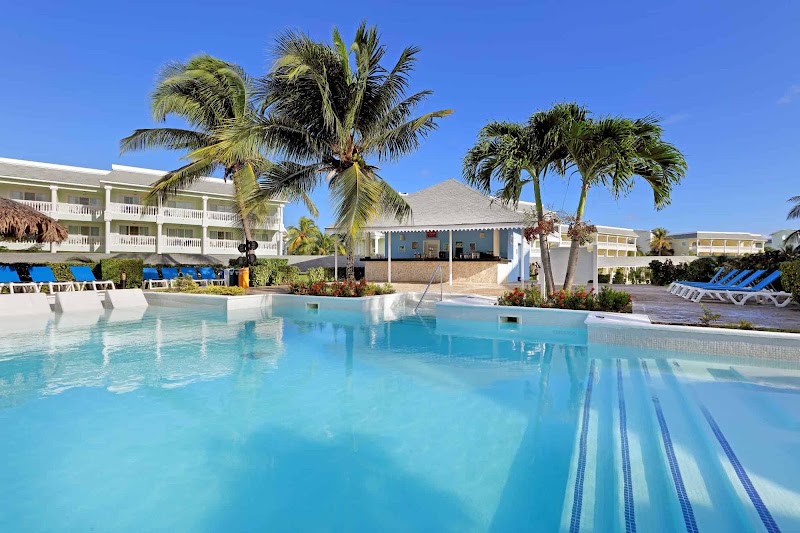
Jamaica · Lucea
Food and warm service stand out at this Lucea resort
Public reviews point to strong dining, attentive staff and family appeal, with limited lift access the clearest practical concern.

Jamaica · Montego Bay
Iberostar Waves Rose Hall Beach review
A lively Montego Bay resort praised for warm service, varied dining, group activities and an entertainment team that keeps the atmosphere upbeat.
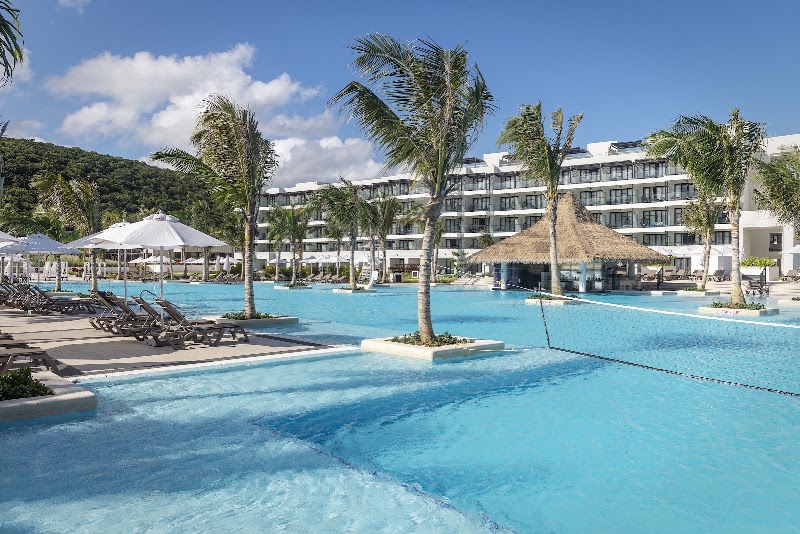
Jamaica · Coral Spring
Ocean Eden Bay: Service-led adults-only resort stay
Strong service, beach-view rooms and memorable Steak House meals define reviews of this adults-only Coral Spring resort.
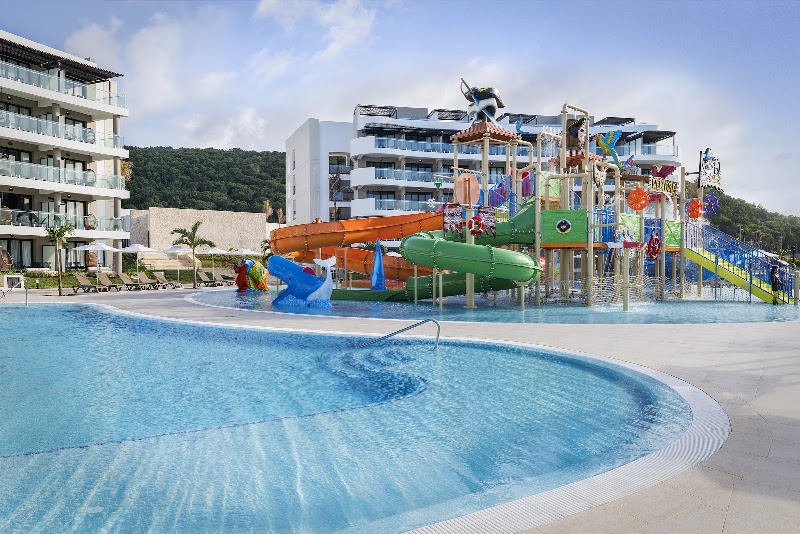
Jamaica · Coral Spring
Ocean Coral Spring: Relaxed stays with standout service
Strong public feedback points to warm staff, varied dining and thoughtful celebration touches at this Coral Spring resort.