Felix Romuliana: Roman history in the Serbian countryside
Impressive Roman ruins, preserved architectural details and a quiet setting make Felix Romuliana a rewarding half-day trip near Zaječar.

More photos
Photos published by travelers on Google, not AI generated.
What stands out
- Expansive Roman palace ruins
- Preserved bricks and decorations
- Calm, uncrowded atmosphere
- Serbian and English narration
- Plentiful parking
Worth knowing
- Remote location requires planning
- Museum may be closed
- Few interactive elements
Don't miss
What comes up most in public reviews
- Walk through the scattered palace ruins
- Examine the preserved masonry and decorations
- Ask about the timed Serbian or English narration
Worth the trip?
The verdict
Felix Romuliana holds a 4.7 rating from 2,803 Google reviews. Visitors return to the same points: the atmosphere, the sheer scale and the site’s historical significance. At Gamzigrad, the archaeological remains are described as an imperial palace and fortress linked to Roman Emperor Galerius, dating from the third to fourth centuries. Reviewers also note its status as a UNESCO World Heritage Site.
Nobody should arrive expecting a polished attraction full of interactive displays. The draw is the chance to cross a broad field of partially excavated ruins and get a sense of the ambition behind the original complex. For travellers interested in Roman history, public feedback suggests the remote journey is worth making, especially as part of a wider stay in the Zaječar area.
What the visit feels like
Reviews tend to describe Felix Romuliana as calm, spacious and often uncrowded. Surviving walls and scattered structures shape the visit, which feels more like an unhurried walk than a tightly directed visitor route. Several reviewers point to an interesting contrast: the fortress can appear simple at first, yet the history behind it is anything but.
Although excavation remains incomplete, enough survives to communicate the layout and scale of the complex. Preserved bricks, decorations and architectural details attract particular praise. The masonry can be examined at close range, while the open setting gives visitors room to stop and look across the wider ruins. This deserves a few hours. Most travellers should not treat it as a quick roadside stop.
Interpretation and practicalities
One reviewer mentions narration at fixed times in both Serbian and English, so checking the schedule on arrival is sensible. Interpretation makes a real difference at Felix Romuliana, since much of the visit depends on knowing what the foundations, walls and decorative fragments once formed. Without that background, the site may look to some visitors like little more than an expansive ruin field.
Access to the museum may not always be possible. A public review reports finding it closed, though the outdoor archaeological complex was still judged worthwhile. There is little to interact with elsewhere on the site, too. Families looking for hands-on exhibits may therefore find the visit less engaging than history enthusiasts do.
Parking is described as plentiful, which takes some friction out of the rural location. Even so, travellers need to plan the journey rather than expect to come across the site casually.
Who should make the trip
Felix Romuliana is best suited to visitors interested in Roman archaeology, imperial history and quiet outdoor heritage sites. It makes particular sense for those already travelling through eastern Serbia or staying around Zaječar. Open space, visible ruins and limited crowds set the pace: slower, observant and focused on the site rather than entertainment.
The strongest visits involve spending time with the surviving masonry and joining the Serbian or English narration when it is available. Excavation is incomplete and the museum may be closed, but reviews indicate that the palace complex still has enough scale, detail and historical interest to justify the detour.
Plan the rest of the trip
Ask anything
Looking for somewhere else?
Keep exploring around Gamzigrad
More from Serbia
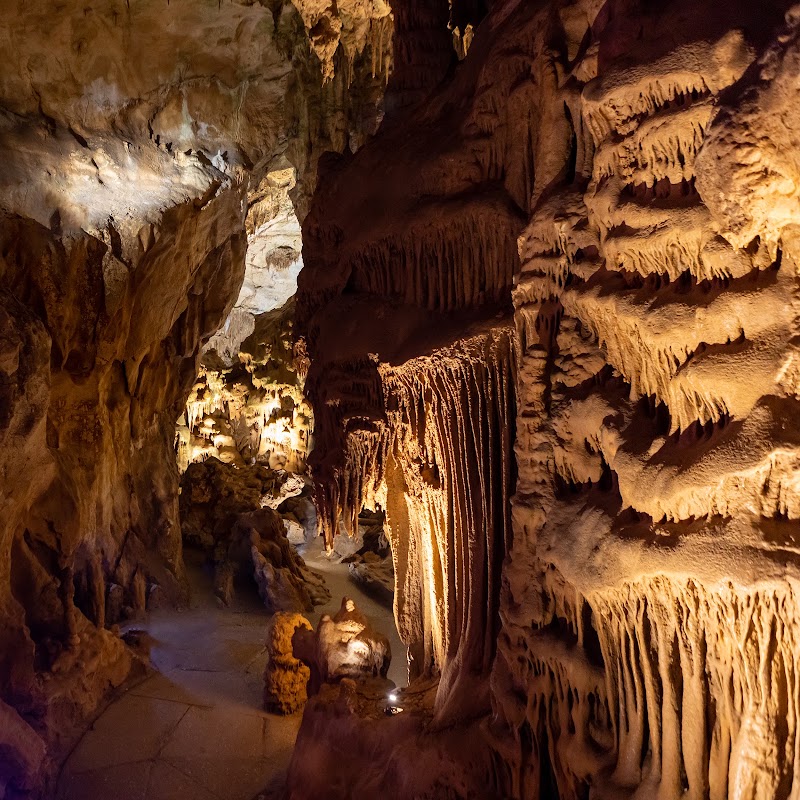
Serbia · Despotovac
Resavska Cave: A Cool, Guided Walk Beneath Serbia
Public reviews consistently praise Resavska Cave for its striking formations, clear guided tours and welcome relief from summer heat.
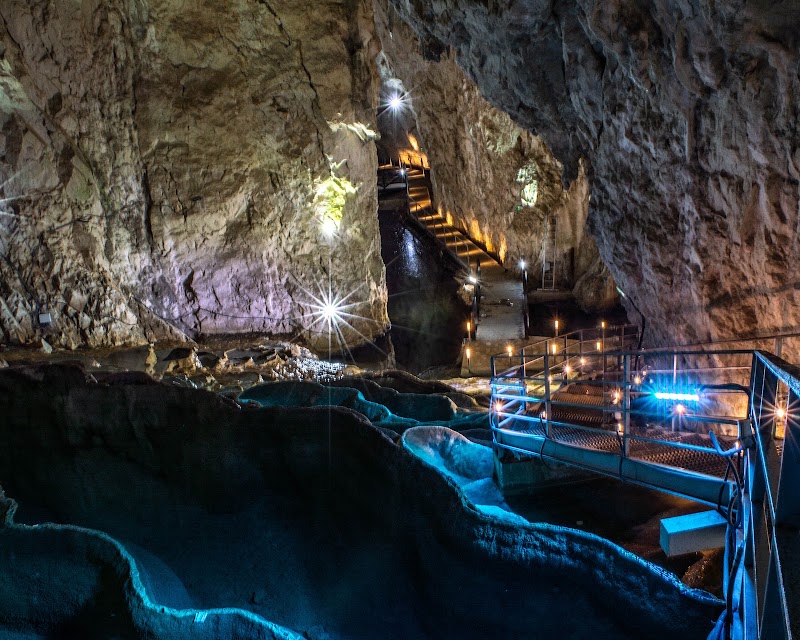
Serbia · Zlatibor
Stopić Cave: A Striking Family Stop Near Zlatibor
Large chambers, unusual tufa pools and an easy drive make Stopić Cave a worthwhile nature visit near Zlatibor, Serbia.

Serbia · Черевић
Fruška Gora National Park for Trails, Lakes and Quiet Roads
Public reviews describe a peaceful, scenic national park near Čerević, Serbia, with mountain roads, walking routes, mountain biking and swimming spots.
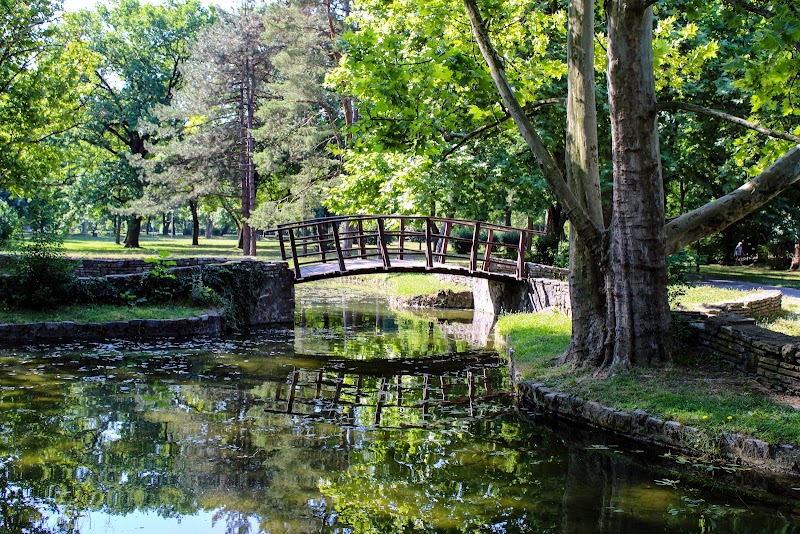
Serbia · Beograd
Topčider Park: Belgrade’s Green Escape for Easy Walks
Topčider Park suits relaxed walks, picnics and family outings, with historic sights, greenery and a lively local atmosphere tempered by uneven maintenance.