Falaj Daris: Ancient water engineering in a Nizwa park
This compact UNESCO-listed falaj rewards an interest in Omani history and engineering, though limited interpretation leaves some visitors underwhelmed.

More photos
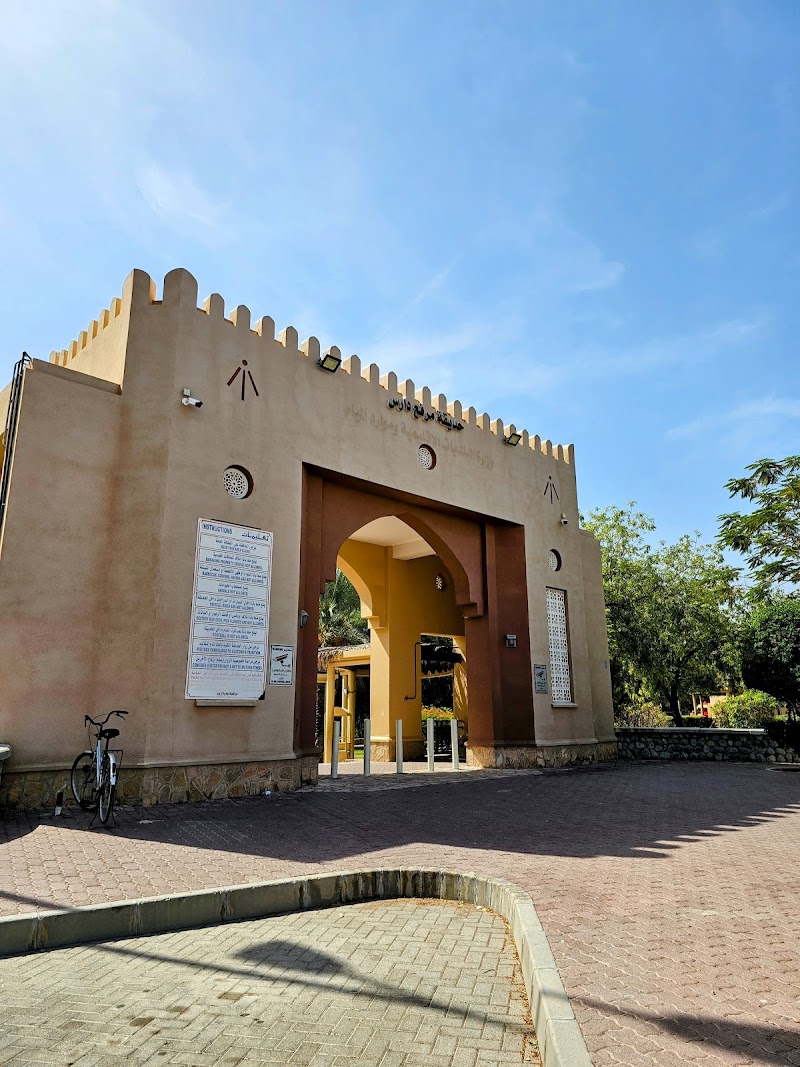

Photos published by travelers on Google, not AI generated.
What stands out
- Preserved traditional water channels
- Compact park setting
- Traditional Omani design
- Everyday use of the waterway
Worth knowing
- Limited or inconsistent interpretation
- Water source is not clearly identified
- The landmark itself is compact
Don't miss
What comes up most in public reviews
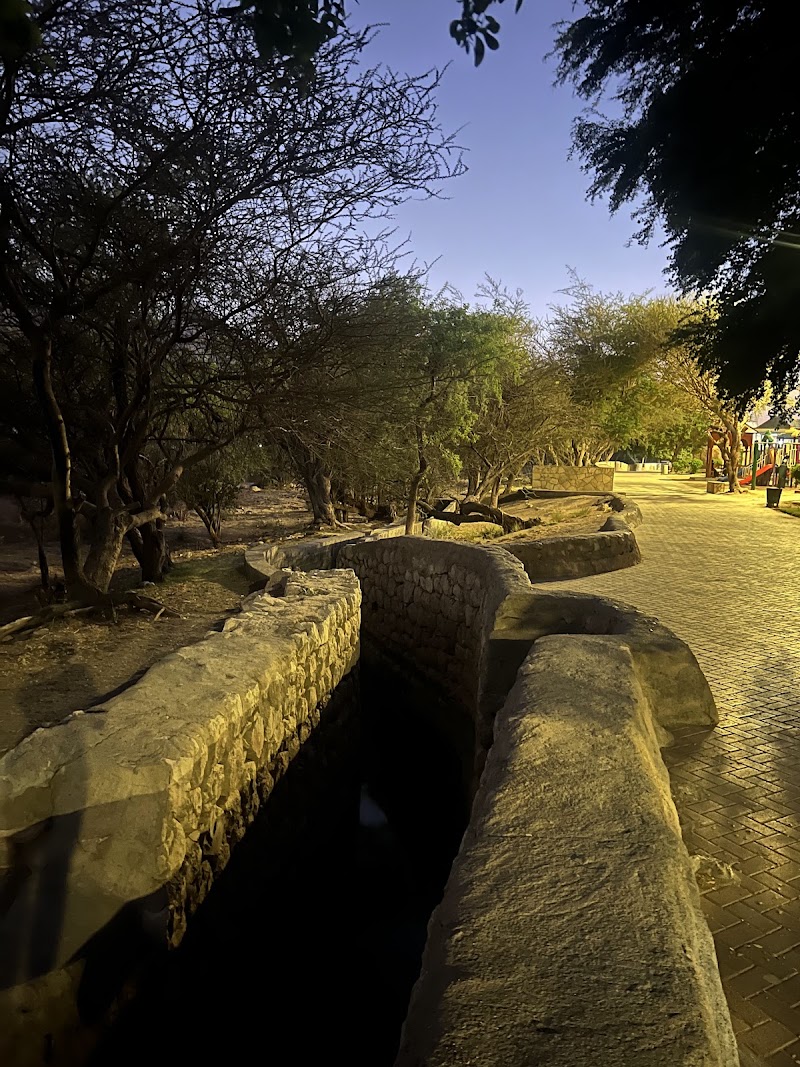
- Follow the channel through the park
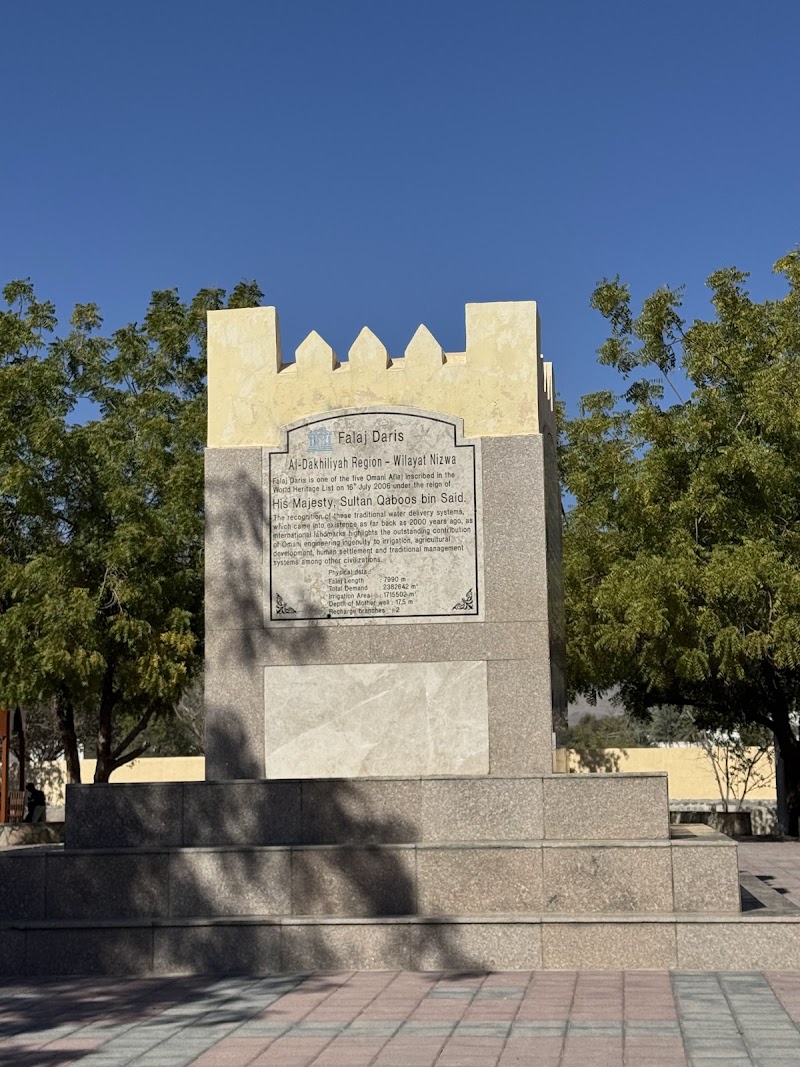
- Look for the information plaque
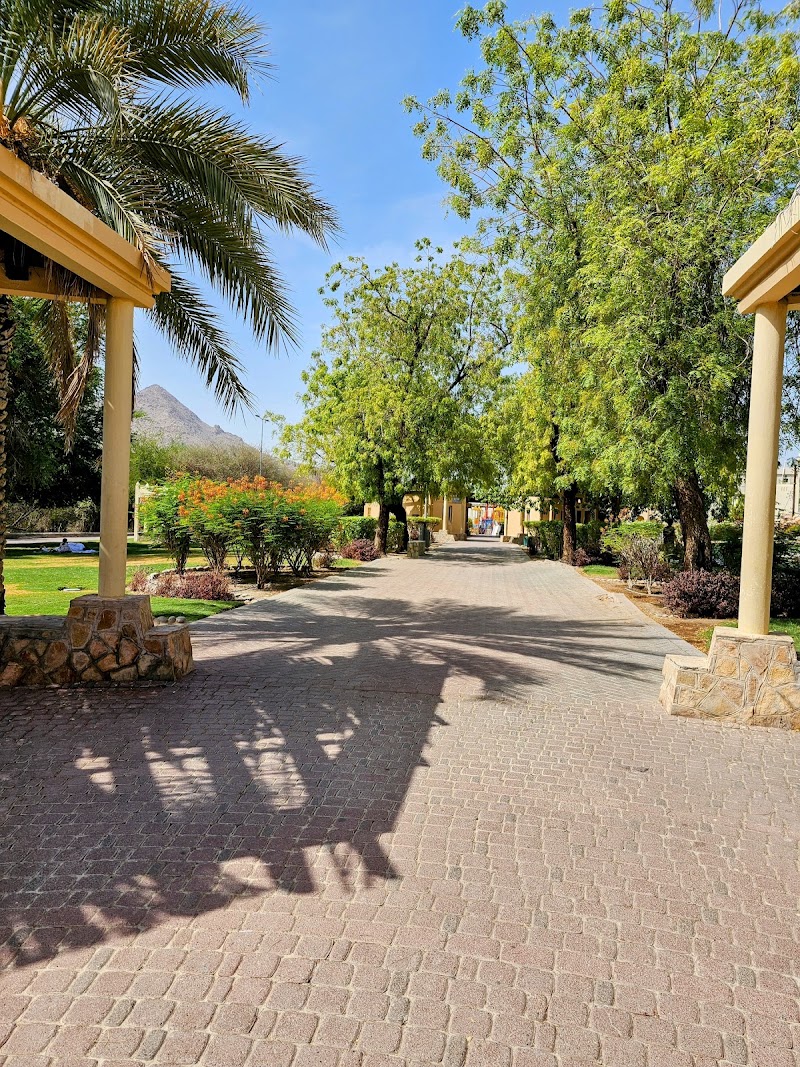
- Walk from the garden entrance to the far end
- See the steps and water pond
Worth the trip?
What visitors find
Falaj Daris holds a Google rating of 4.2 from 58 reviews, with public feedback split between admiration for its historic water engineering and disappointment at the limited visitor experience. The visible attraction is a working-looking network of channels and pools set within a public park rather than a conventional monument or museum.
Several reviewers describe the falaj as beautifully preserved and representative of traditional Omani design. Its appeal lies in seeing how water is directed through a settlement using a carefully constructed channel system. Travellers interested in UNESCO sites, engineering or the practical history of water management are most likely to appreciate the stop. For others, the channels may appear modest, particularly without detailed context.
How long to allow
The landmark itself is compact. One reviewer considered 30 minutes sufficient to see it, while others extended their visit by walking through the surrounding garden or park. A route from the garden entrance to the far end provides a better sense of the channel’s layout than simply viewing the pool near the entrance.
Visitors report straightforward access and no park ticket requirement, although entry arrangements can change. One review directs arrivals to turn left after entering and continue toward an information plaque. The same account mentions steps and a water pond near the front of the site. Parking was also described as uncomplicated, but the available reports do not provide enough consistent detail to assess facilities.
What the experience is like
The falaj remains part of a social landscape rather than a sealed archaeological display. Reviewers mention children playing in the water and local people resting or swimming in the channel during hot weather. Some travellers find this lively use appealing because it shows the waterway within everyday life. Others feel that recreational activity makes the setting less informative as a heritage attraction.
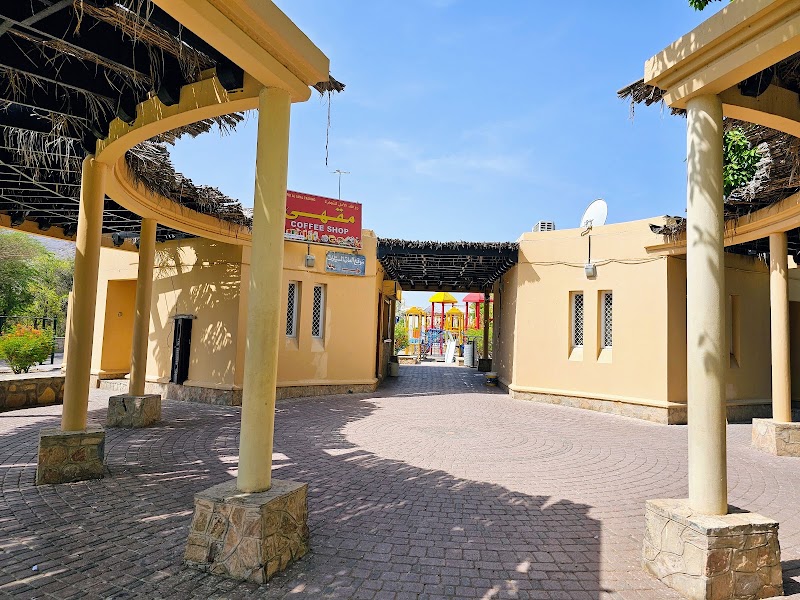
Expect a simple park environment rather than an elaborate presentation. Construction or other ongoing work was noted by one reviewer, though the report does not clarify its extent or whether it remains current. The channels, stairs and pool form the main visual features, with no major collection of artefacts or extensive exhibition described in the supplied reviews.
Interpretation and verdict
Interpretation is the clearest weakness in public feedback. One visitor found a plaque explaining the place, while another reported no useful information about the falaj and no identification of its water source. This inconsistency matters because much of Falaj Daris’s significance is technical and historical rather than visually dramatic. Reading about Oman’s falaj systems before arrival could make the visible channels easier to understand, though the site itself may not answer detailed questions.
Falaj Daris works best as a short addition to time in Nizwa, especially for travellers already interested in UNESCO heritage or traditional infrastructure. It is less convincing as a stand-alone excursion for those expecting monumental ruins, extensive displays or a clearly explained source-to-destination water system. The park setting allows a longer pause, but the core landmark remains a concise visit.
Ask anything
Looking for somewhere else?
Keep exploring around Nizwa
More from Oman
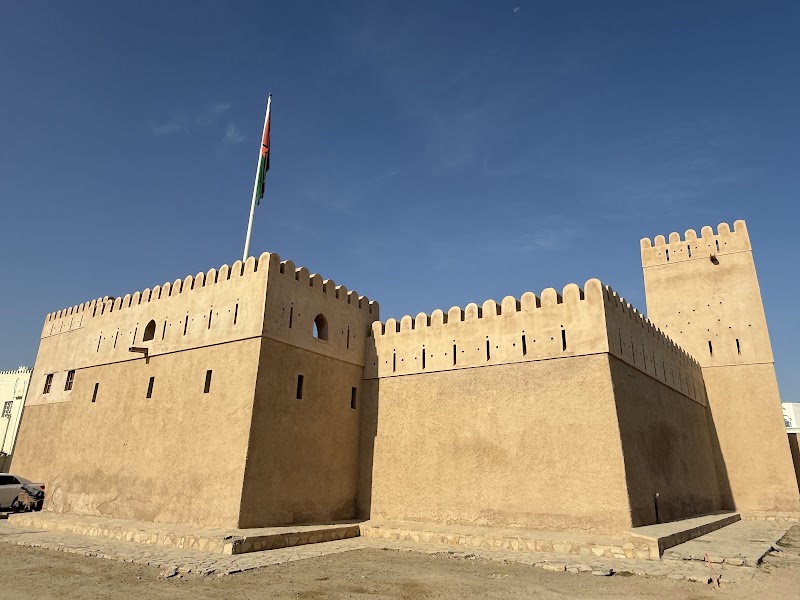
Oman · Sur
Al Ayjah Castle: A Brief Look at Sur’s Fort Architecture
This compact, renovated castle in old Sur offers accessible towers and rooms, but limited interpretation and sparse interiors.
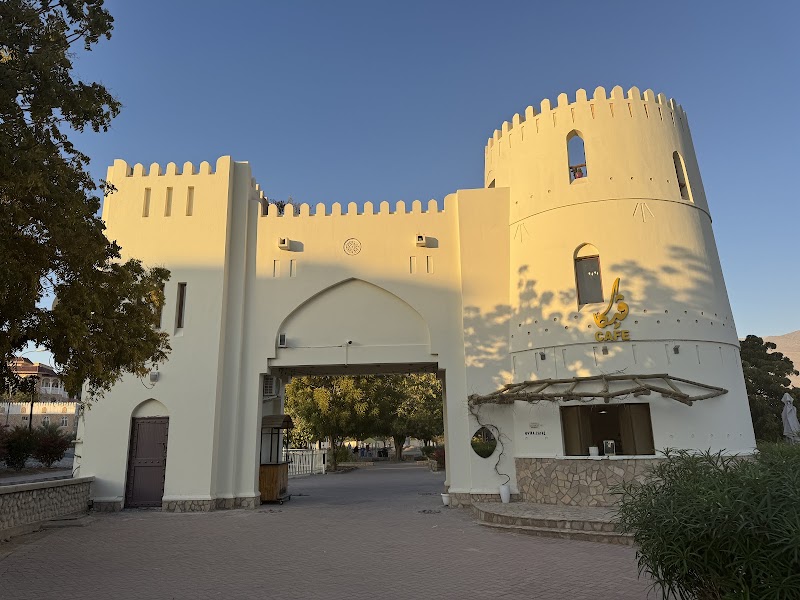
Oman · Nizwa
Falaj Daris Park: Green Space and Irrigation Heritage
This relaxed Nizwa park pairs lawns and family space with flowing water from Oman’s historic Falaj Daris irrigation system.
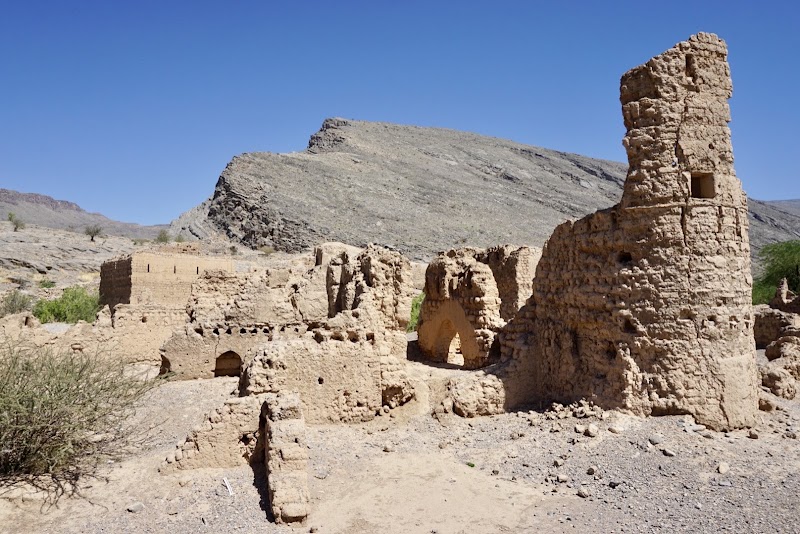
Oman · Tanuf
Tanuf Castle Ruins: A Quiet Window into Old Oman
Near Nizwa, these atmospheric ruins offer traditional architecture, uncrowded exploration and strong photography potential in a compact stop.
Oman · Muscat
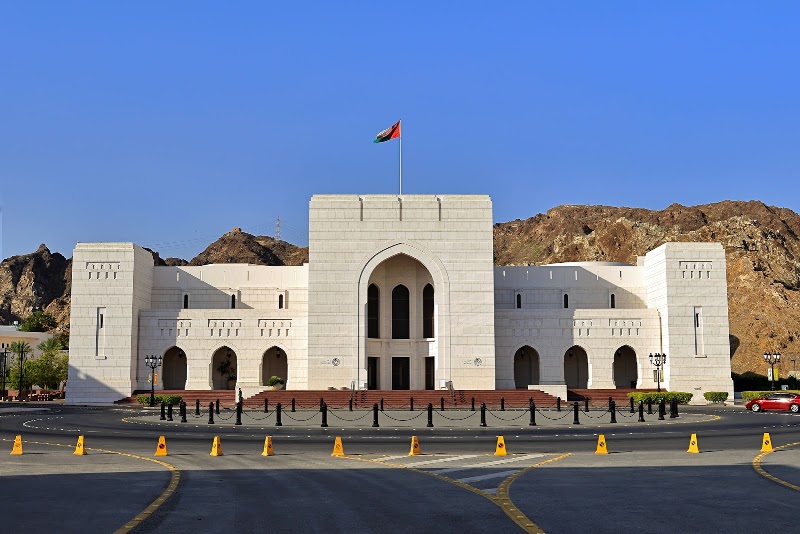
The National Museum of Oman: A Clear Guide to the Sultanate
Muscat’s National Museum earns strong marks for thoughtful displays covering Omani history, maritime ties, faith, culture and royal heritage.