Falaj Al Khatmain: Water, Ruins and Palms in Birkat Al Mouz
This historic irrigation channel links palm plantations, mud-brick ruins and cultural landmarks in one of Birkat Al Mouz’s most rewarding walks.
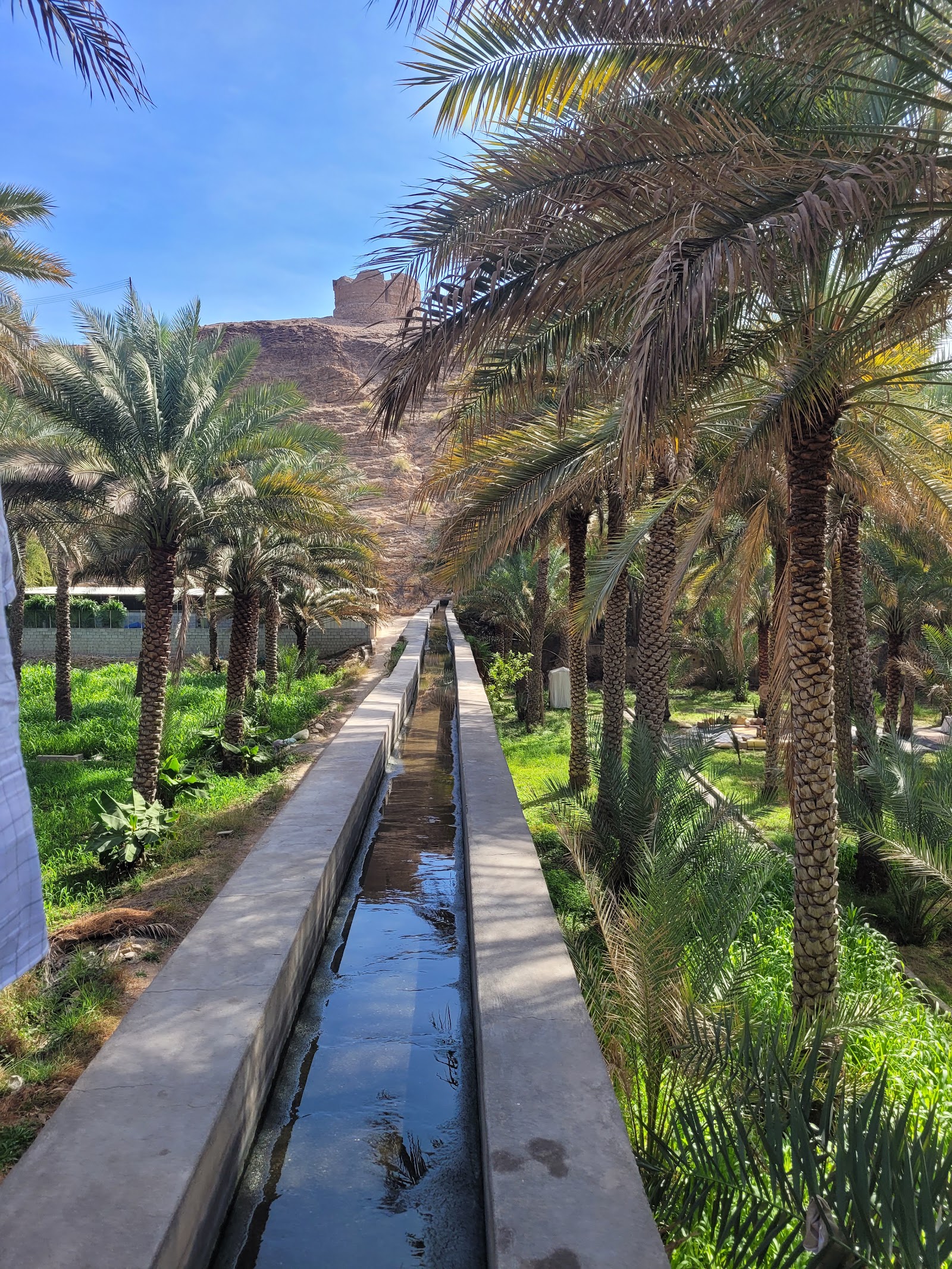
More photos
Photos published by travelers on Google, not AI generated.
What stands out
- Traditional gravity-fed water channels
- Three-way water division system
- Date and banana plantations
- Abandoned mud-brick village
- Hajar Mountain backdrop
Worth knowing
- The experience involves walking between separate sites
Don't miss
What comes up most in public reviews
- Follow the channel toward the old town ruins
- See the three-way water division point
- Walk through the palm plantations
- Visit Al Nabahinah Mosque and Bait Al Rididah Castle
- Continue toward Bait Asabah and Alsibani village
Worth the trip?
Why the falaj stands out
Falaj Al Khatmain is less a single monument than a working thread through the landscape of Birkat Al Mouz. Public feedback, including a Google rating of 4.4 from 1849 reviews, repeatedly praises the intelligence of the traditional irrigation design and the contrast between flowing water, green plantations and old mud-brick structures.
Reviewers describe a gravity-fed network of open channels that carries water through the settlement and divides it between agricultural areas. The three-way water division point receives particular attention for showing how water could be distributed evenly without modern machinery. Rather than viewing the falaj from one fixed position, visitors get the clearest sense of it by following the channel and watching how it connects cultivated ground with the historic village.
Several public reviews identify Falaj Al Khatmain as part of Oman’s UNESCO-listed irrigation heritage. They also emphasize that it remains closely connected to local life, rather than functioning only as an archaeological display.
Walking through Birkat Al Mouz
The most common recommendation is to walk beside the water toward the old town ruins. Date palms and banana plantations create the oasis setting mentioned throughout visitor feedback, while the Hajar Mountains provide a stark backdrop. Shaded sections beside the water appear to be especially appealing, though the outing still involves walking between several separate landmarks.
The abandoned traditional village is a natural extension of the falaj visit. Its weathered mud-brick buildings add architectural and cultural context to the irrigation system, helping explain why dependable water distribution mattered to the settlement. Reviews often combine the channels and ruins into one continuous experience rather than treating them as unrelated attractions.
Travellers also note that Al Nabahinah Mosque and Bait Al Rididah Castle are within a few minutes’ walk. Those continuing farther can reach Bait Asabah and the traditional village known as Alsibani. Together, these stops make the area suitable for a few hours of unhurried exploration, particularly for visitors already travelling through nearby Nizwa.
What the reviews suggest
The strongest review pattern is admiration for practical ingenuity. Visitors frequently use the falaj to understand how communities moved and shared water, while the palms and cultivated plots demonstrate the system’s continuing importance. History and scenery carry equal weight here: some travellers focus on the engineering, while others respond most strongly to the ruins, village atmosphere and oasis landscape.
Winter is the season specifically recommended in public feedback, largely because cooler conditions make it easier to follow the channel and enjoy the surrounding views. A slower visit is likely to be more rewarding than a brief photo stop. Walking from the water division area toward the plantations and ruins reveals how the separate pieces fit together.
Falaj Al Khatmain will appeal most to travellers interested in traditional engineering, Omani history and self-guided cultural walks. The experience is simple and place-led. Its value comes from observing the water, following its route and seeing the settlement that developed around it.
Plan the rest of the trip
Ask anything
Looking for somewhere else?
Keep exploring around Birkat Al Mouz
More from Oman
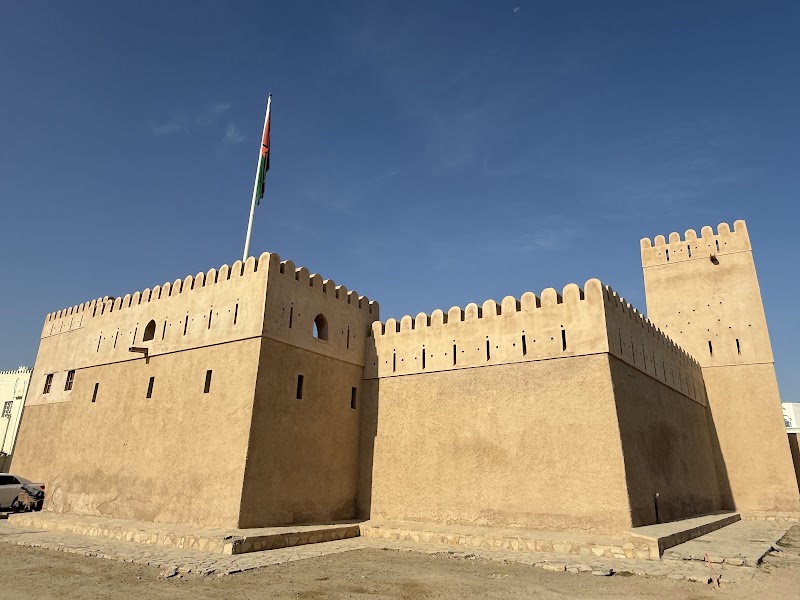
Oman · Sur
Al Ayjah Castle: A Brief Look at Sur’s Fort Architecture
This compact, renovated castle in old Sur offers accessible towers and rooms, but limited interpretation and sparse interiors.
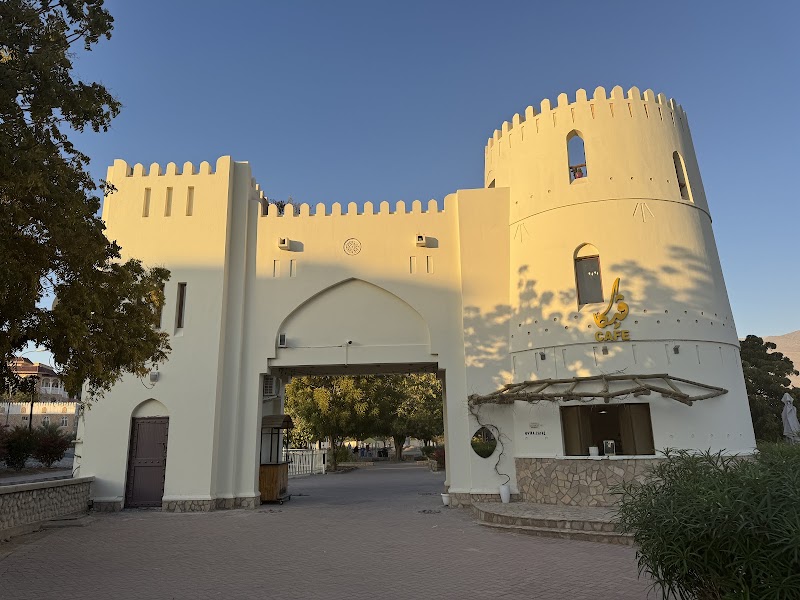
Oman · Nizwa
Falaj Daris Park: Green Space and Irrigation Heritage
This relaxed Nizwa park pairs lawns and family space with flowing water from Oman’s historic Falaj Daris irrigation system.
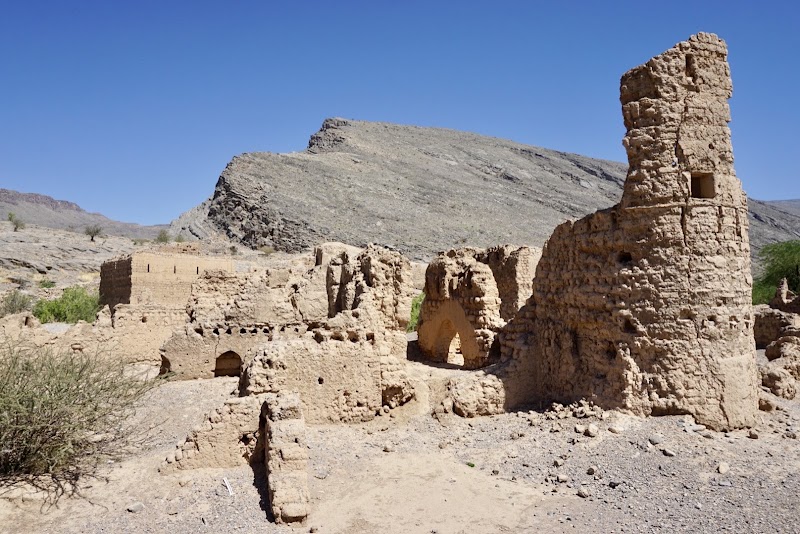
Oman · Tanuf
Tanuf Castle Ruins: A Quiet Window into Old Oman
Near Nizwa, these atmospheric ruins offer traditional architecture, uncrowded exploration and strong photography potential in a compact stop.
Oman · Muscat
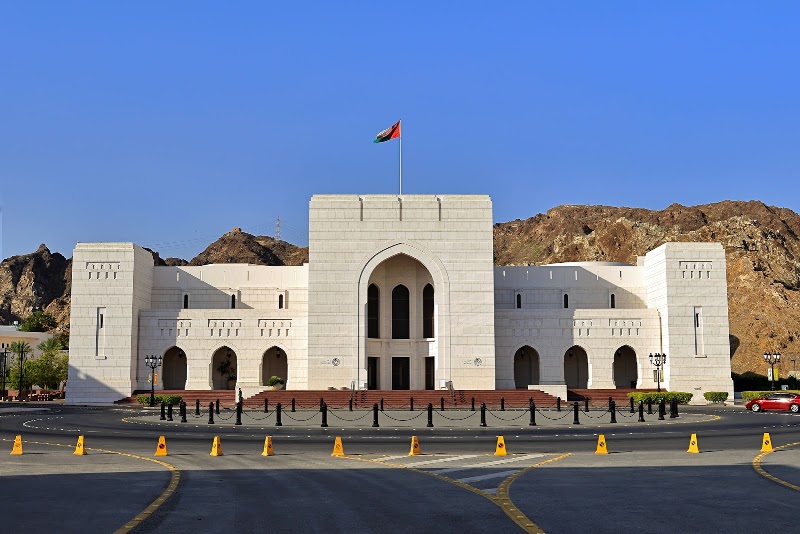
The National Museum of Oman: A Clear Guide to the Sultanate
Muscat’s National Museum earns strong marks for thoughtful displays covering Omani history, maritime ties, faith, culture and royal heritage.