Ethnographic Museum: Rwanda’s Cultural Story in Butare
Strong guides, wide-ranging cultural displays and spacious grounds make this Butare museum a worthwhile introduction to Rwandan heritage.
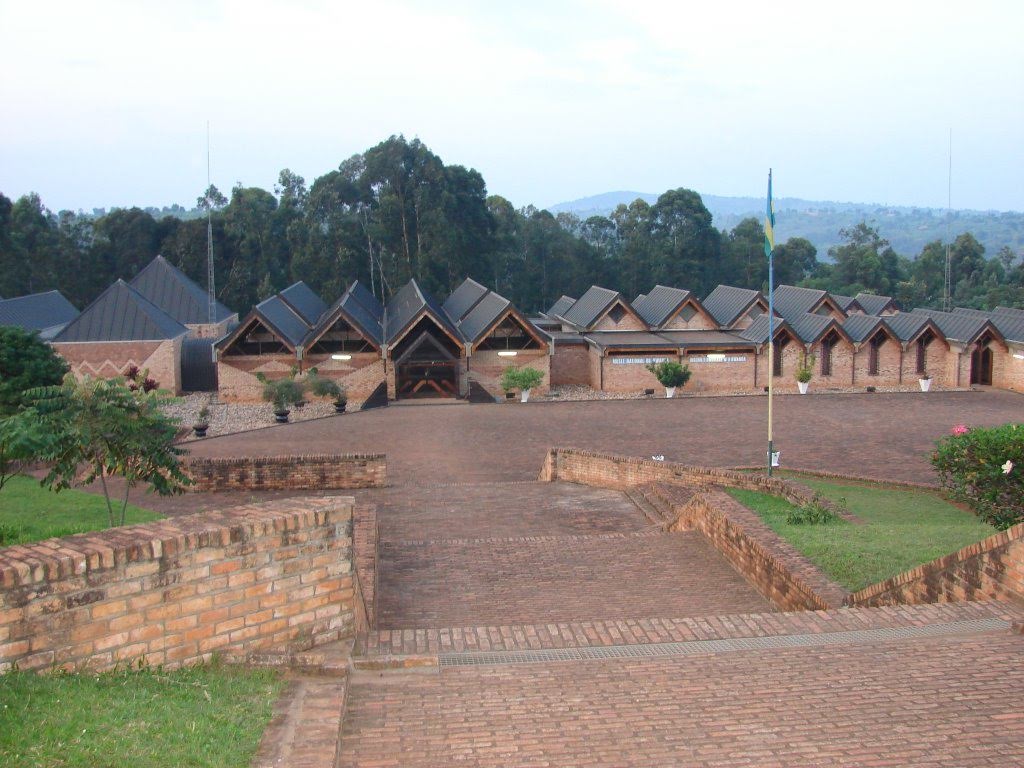
More photos
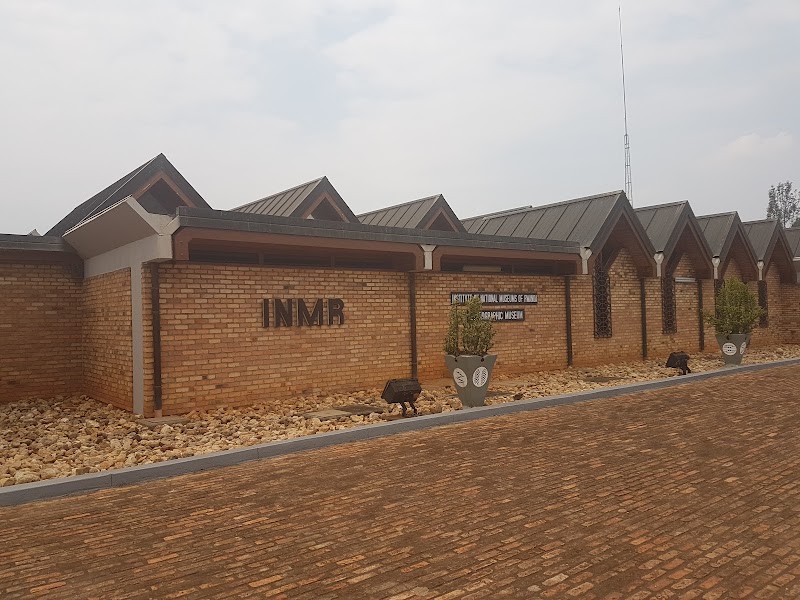
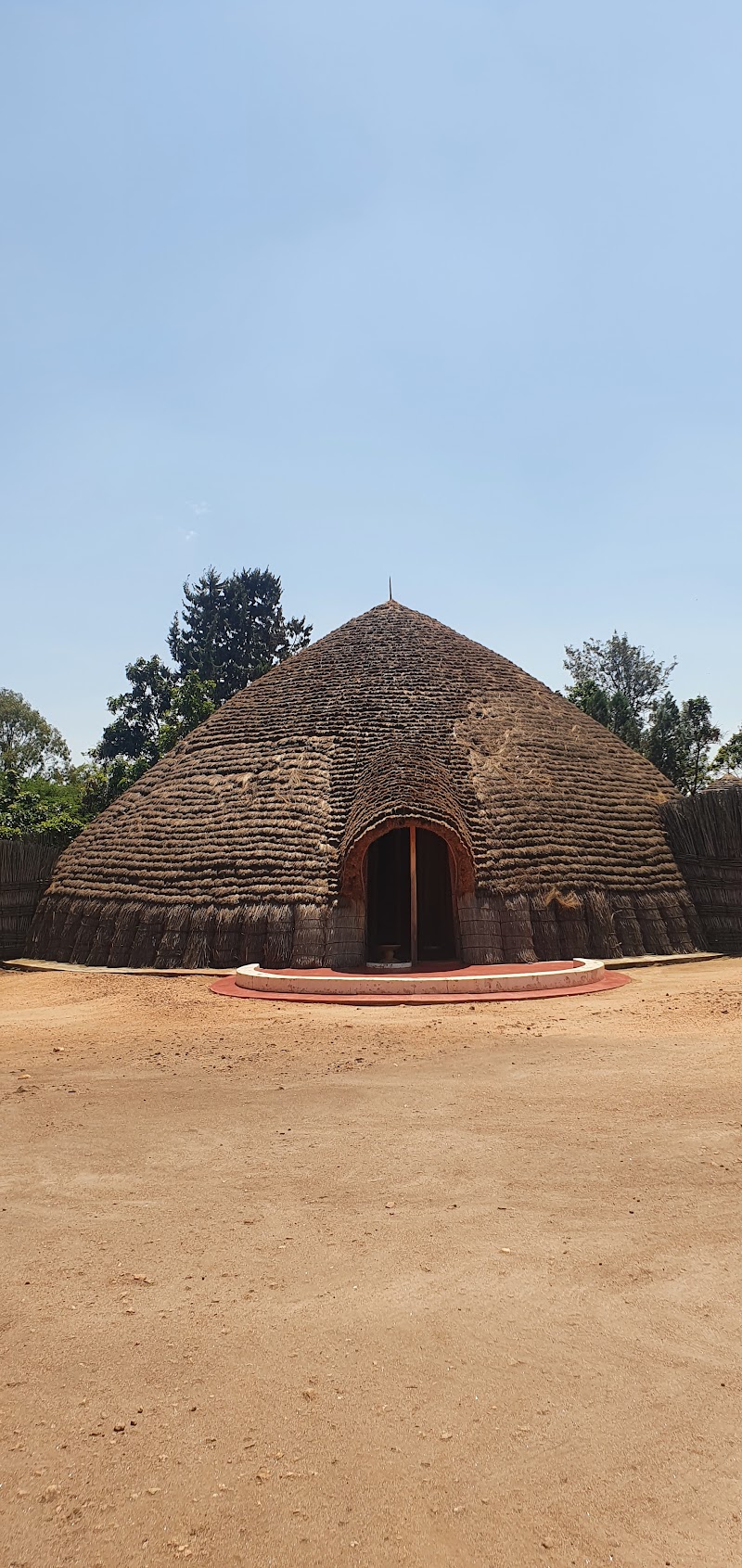


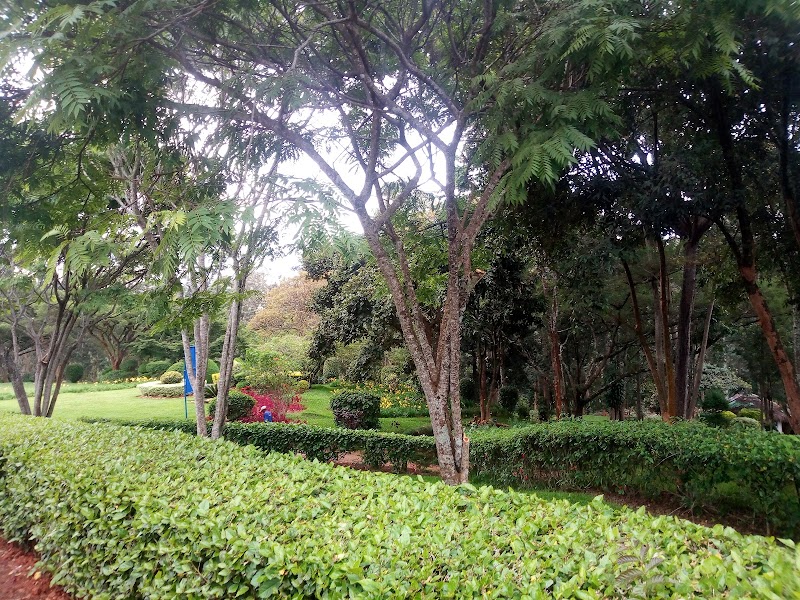
Photos published by travelers on Google, not AI generated.
What stands out
- Knowledgeable and welcoming guides
- Displays on Rwandan customs and history
- Agricultural and clothing heritage
- Expansive lawns and forested grounds
- Traditional houses and arts area
Worth knowing
- Some display placards may feel dated
- Check current joint-ticket arrangements
Don't miss
What comes up most in public reviews
- Ask for a guided museum visit
- Explore the traditional houses
- Walk through the lawns and forested area
- See displays on dress, agriculture and local faith
- Combine the visit with the King’s Palace Museum
Worth the trip?
The overall picture
The Ethnographic Museum in Butare earns a Google rating of 4.4 from 654 reviews, with public feedback consistently praising its breadth and educational value. Travellers describe it as a strong place to understand Rwanda beyond major historical headlines, focusing instead on traditional lifestyles, customs, language, clothing, agriculture and belief systems.
The museum appears best suited to visitors who enjoy context and explanation rather than simply viewing objects. Reviews repeatedly say that the experience left them with a clearer understanding of Rwandan history and culture. It can also fit naturally into a wider heritage-focused journey through southern Rwanda, particularly when paired with museums and cultural sites around Nyanza.
Guides make the difference
Guided interpretation is the clearest strength in the review pattern. Several visitors praise the guides as welcoming, knowledgeable and detailed, noting that their explanations helped connect individual artefacts to broader cultural traditions. Displays cover agricultural heritage, customary dress, local faith before the spread of Christianity and Islam, and older patterns of daily life.
That human interpretation may be especially useful because at least one reviewer found some of the written placards dated. Travellers who want depth should therefore ask whether a guided visit is available rather than relying entirely on labels. Reviews suggest the guides do more than identify objects: they explain how the material relates to Rwandan society, cultural practices and traditional ways of living.
No reliable visit duration emerges from the feedback, but the range of indoor collections and outdoor features makes half a day a sensible allowance for travellers who prefer not to rush.
More than indoor galleries
The grounds receive notable praise in their own right. Reviewers mention expansive lawns, a forested area, traditional houses and a space associated with learning and practising traditional arts. These outdoor elements broaden the visit and provide a change of pace after the museum displays.
Families may find the open space particularly helpful. One review specifically notes that children have room to run around outside, although the feedback does not identify dedicated play facilities. The combination of galleries and grounds should work well for mixed-age groups, provided adults remain interested in the museum’s cultural and historical focus.
Planning a wider cultural route
Public reviews commonly frame the museum as part of a broader exploration of Rwanda’s heritage. The King’s Palace Museum in Nyanza is specifically mentioned as a stop that can be combined with Butare, and travellers also refer to joint admission options covering multiple museums. Current arrangements should be checked directly, as ticket structures can change.
The main caution is presentation rather than substance. Some labels may feel older, but reviewers still regard the collections as informative, especially with a guide. Overall, the Ethnographic Museum stands out for travellers seeking a grounded account of Rwandan customs, material culture and everyday history, supported by spacious grounds that reward time beyond the exhibition rooms.
Ask anything
Looking for somewhere else?
Keep exploring around Butare
More from Rwanda
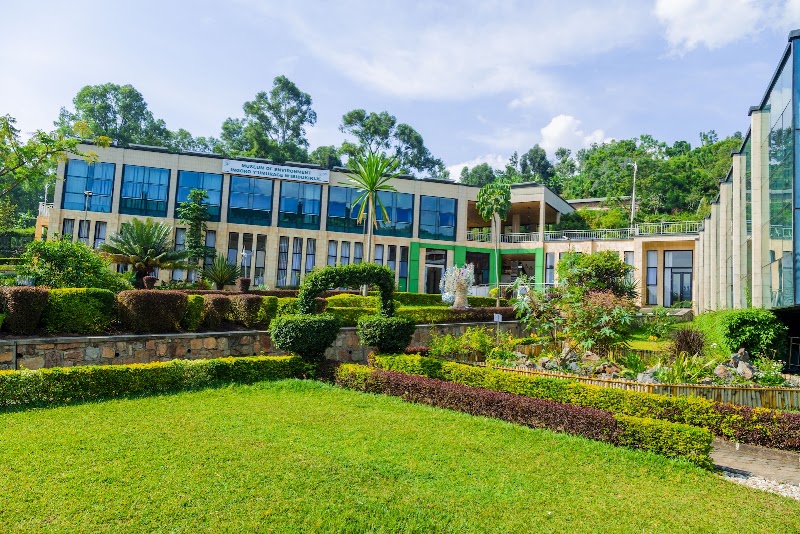
Rwanda · Kibuye
Museum of Environment: Rwanda’s landscape explained
Kibuye’s specialist museum explores Rwanda’s geography, energy production, native plants and environmental future through accessible displays and guided visits.
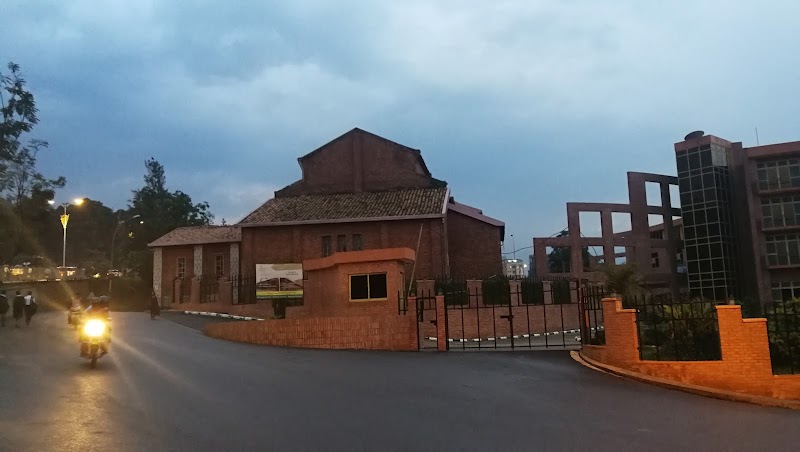
Rwanda · Kigali
St Famille Church: Historic Catholic Life in Kigali
A large, active Catholic church in Kigali, noted by reviewers for its history, emotional resonance, cleanliness and busy Sunday services.
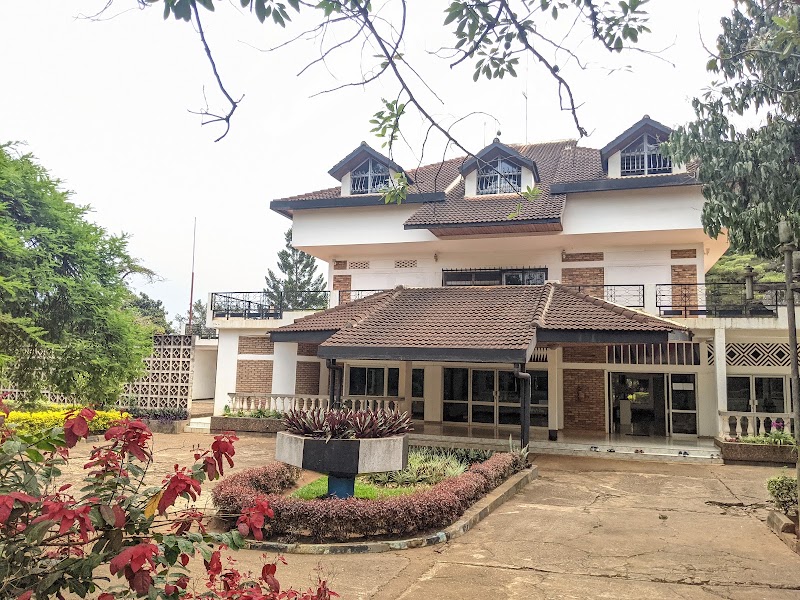
Rwanda · Kigali
Rwanda Art Museum: Contemporary art meets political history
Set in a former presidential residence, this Kigali museum combines work by local artists with a consequential piece of Rwanda’s past.
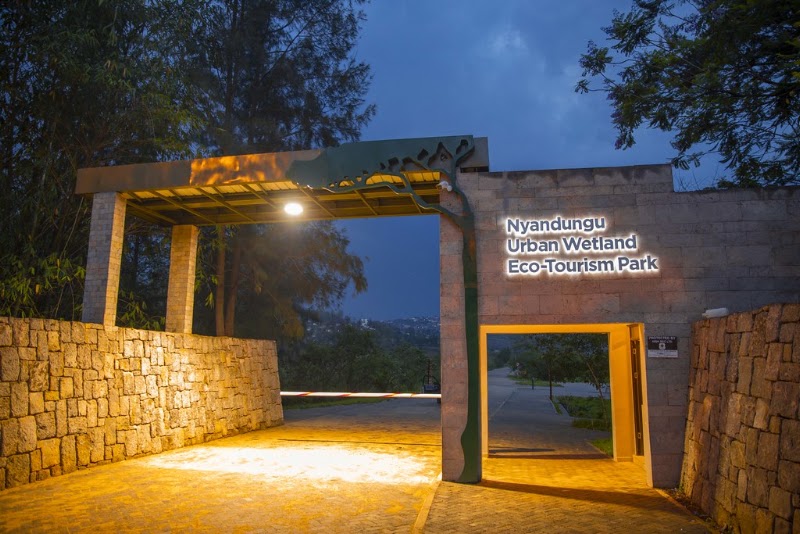
Rwanda · Kigali
Nyandungu Eco-Park: Quiet Trails and Kigali Hill Views
This landscaped Kigali park suits unhurried walks, cycling and quiet breaks, though some visitors question its scale, biodiversity and entry cost.