Jesuit history and striking chapel acoustics in Jesús María
This national museum pairs Córdoba’s Jesuit history with sacred objects, archaeological finds and a chapel praised for its remarkable acoustics.
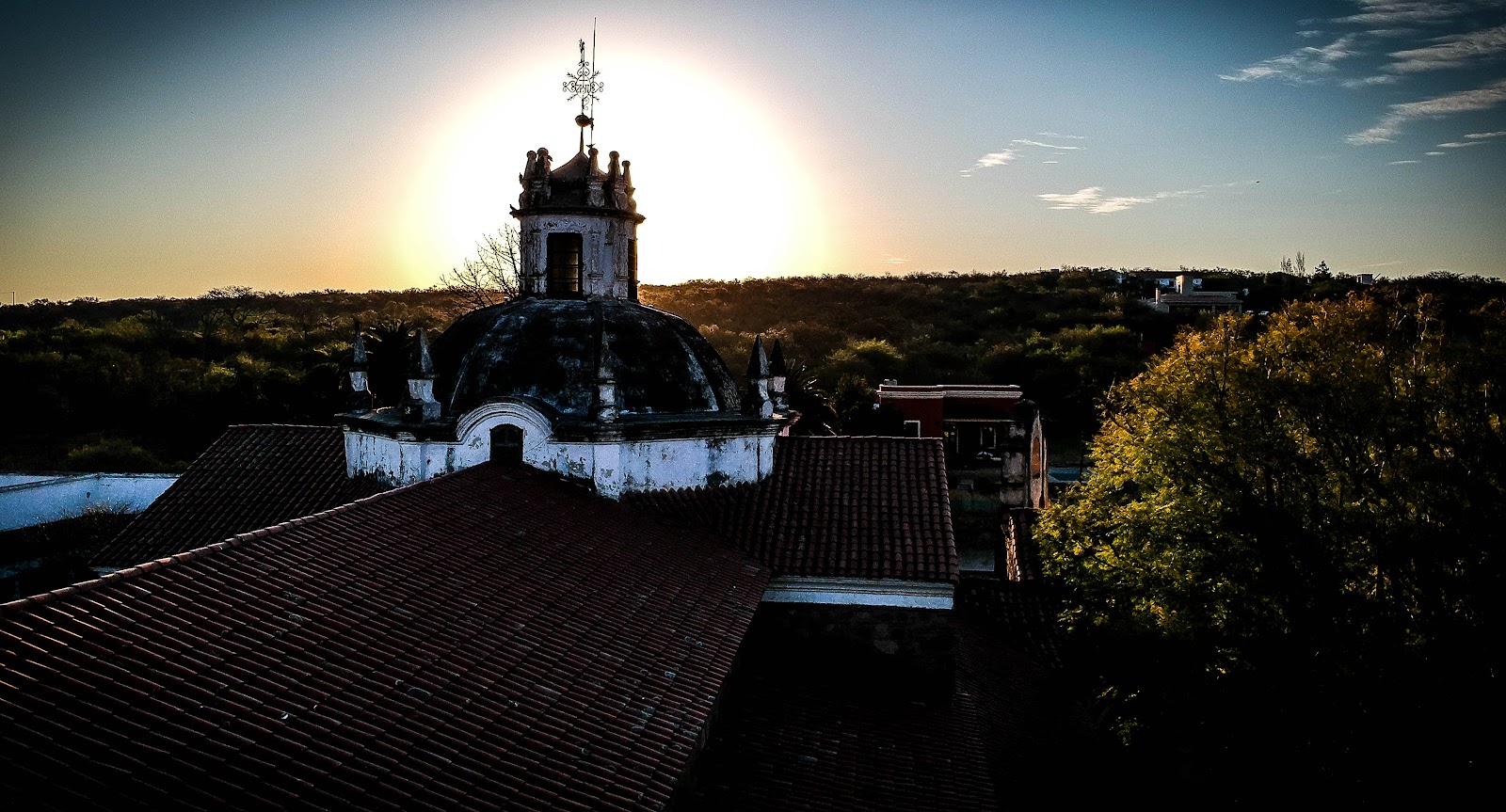
More photos
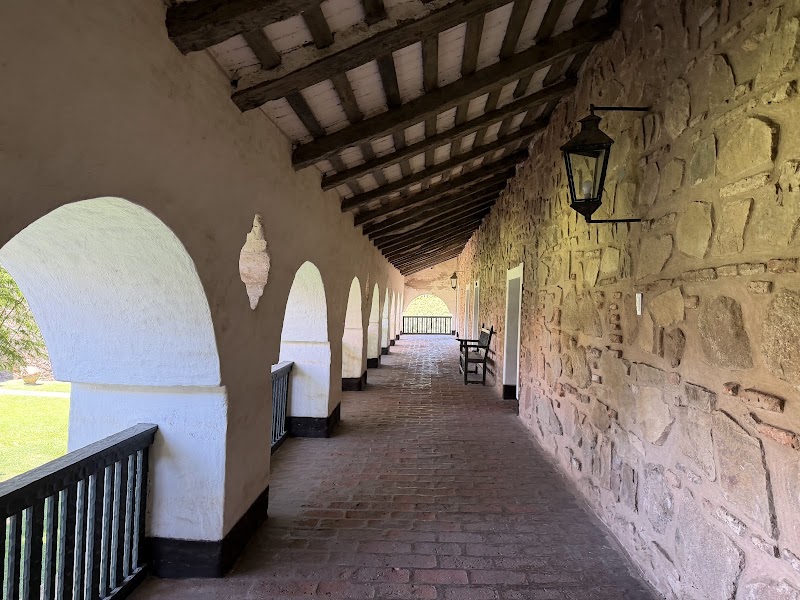
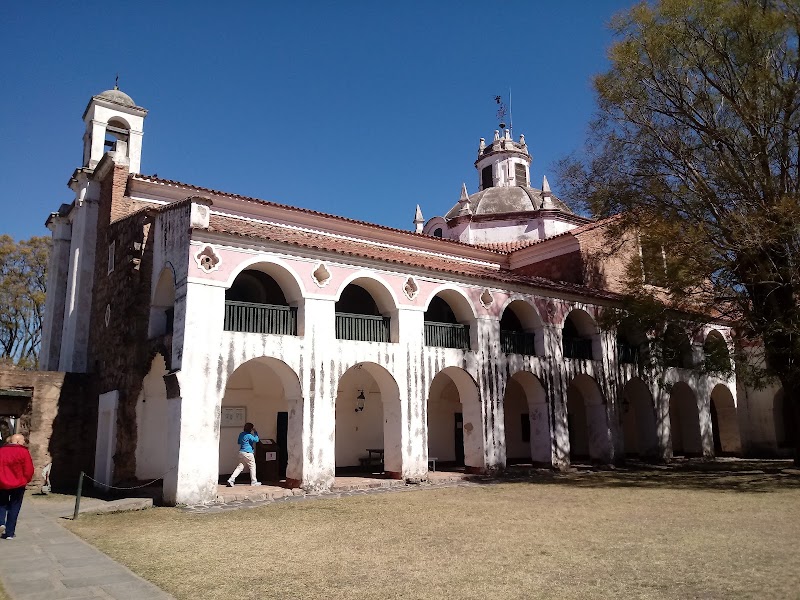
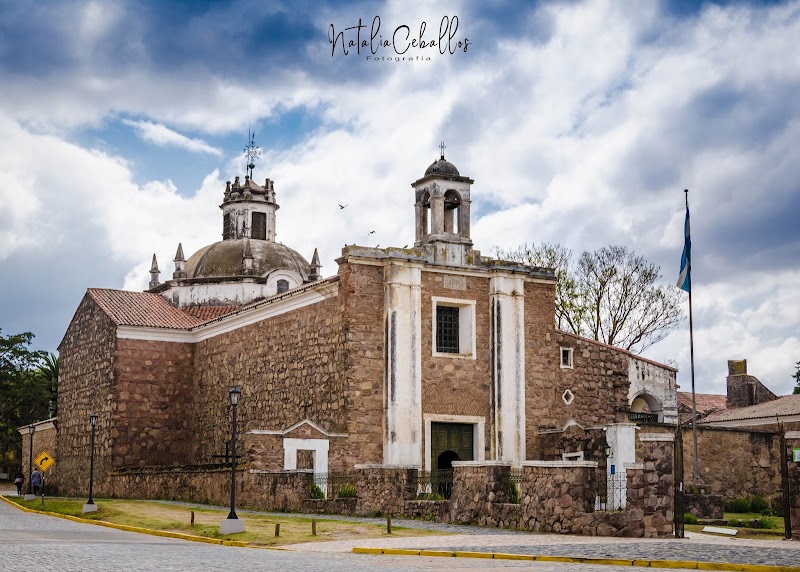
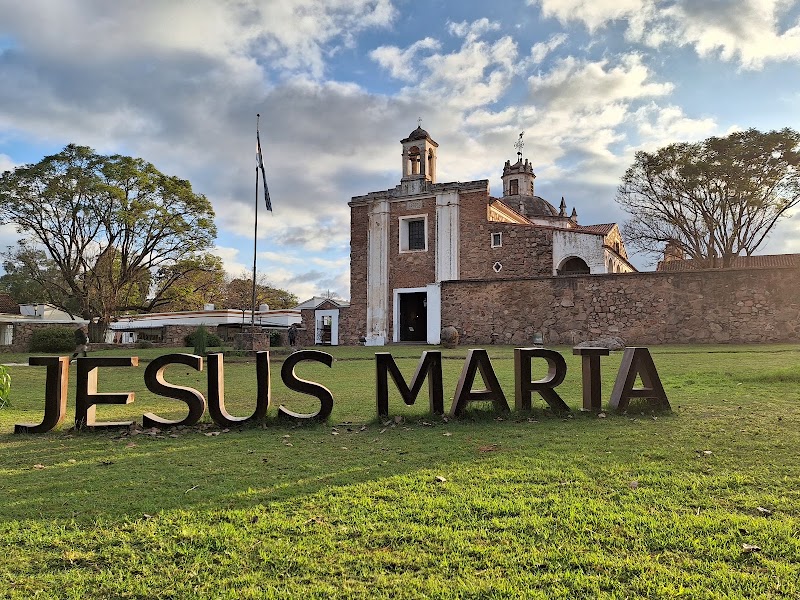

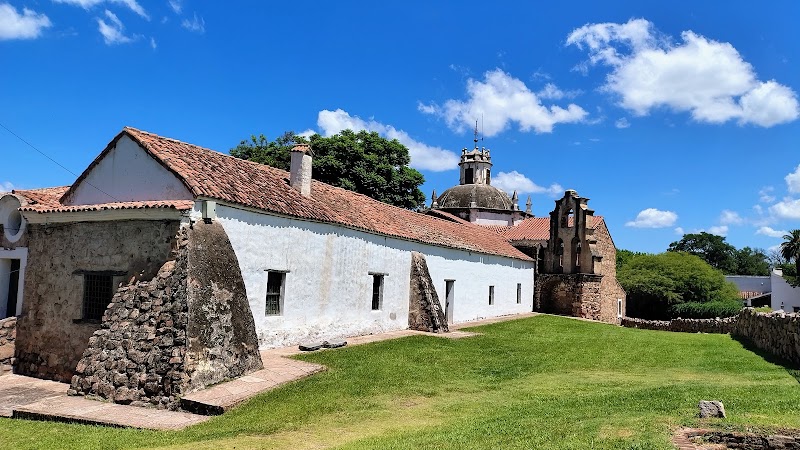
Photos published by travelers on Google, not AI generated.
What stands out
- Jesuit sacred objects
- Pre-Hispanic archaeological finds
- Remarkable chapel acoustics
- Regional Córdoba history
- Decorative historic interiors
Worth knowing
- Some furniture may not match the original period
Don't miss
What comes up most in public reviews
- Listen to the chapel acoustics
- See the pre-Hispanic archaeological collection
- Examine the Jesuit sacred items
Worth the trip?
What the reviews suggest
With a Google rating of 4.6 from 3930 reviews, Estancia de Jesús María - Museo Jesuítico Nacional attracts strong approval as a place to understand the Jesuit presence in Argentina and the wider history of Córdoba. Public feedback tends to focus on the significance of the site rather than spectacle. Visitors describe it as an important regional landmark, with exhibitions that provide useful historical context.
The museum appears best suited to travellers who enjoy religious heritage, archaeology and historic interiors. Reviewers mention decorative details, sacred objects associated with the Jesuits who lived and served here, and pre-Hispanic archaeological findings. Together, these displays broaden the visit beyond the story of a single religious community and connect the museum with earlier layers of regional history.
Collections and interpretation
Several comments indicate that the exhibitions are interesting and accessible, particularly for visitors seeking an introduction to Jesuit activity in Argentina. The collection of sacred items receives specific praise, while the archaeological material is another recurring reason to visit. A well-regarded guide also features in the feedback, suggesting that interpretation can make a meaningful difference to the experience.
There is one notable reservation. A reviewer felt that some of the furniture did not correspond to the period of the original structure. That concern may matter to visitors expecting every interior element to be historically matched to the building. The criticism does not appear to undermine the importance of the site, but it is worth keeping in mind when assessing the furnished rooms.
Admission is described by reviewers as particularly budget friendly, which strengthens the museum’s appeal as a straightforward cultural stop in Jesús María.
The chapel acoustics
The most vivid review feedback concerns the church or chapel and the way sound behaves inside it. One visitor describes the voice returning through the space in a physically perceptible way, with chanting especially effective. That makes the chapel more than an architectural backdrop. Its acoustics become part of the experience.
Visitors interested in music, sacred spaces or acoustic design may find this the most memorable part of the complex. Any vocal experimentation should, of course, remain respectful of the religious setting and other guests. Even without testing the echo, the comments suggest that pausing quietly inside the chapel is worthwhile.
Planning the stop
The museum works well as a half-day cultural visit, leaving time to examine the archaeological pieces, sacred collection, interiors and chapel without rushing. Travellers with only a passing interest in Jesuit history may need less time, while those who engage with a guide or read the exhibitions closely could stay longer.
One reviewer also points to a café across the street with a view towards the monastery. As this appears in individual rather than repeated feedback, it is better treated as a possible add-on than a core part of the visit. Overall, the public response supports the museum as a substantial historical attraction, especially for travellers exploring Córdoba’s religious and colonial-era story.
Ask anything
Looking for somewhere else?
Keep exploring around Jesus María
More from Argentina
Argentina
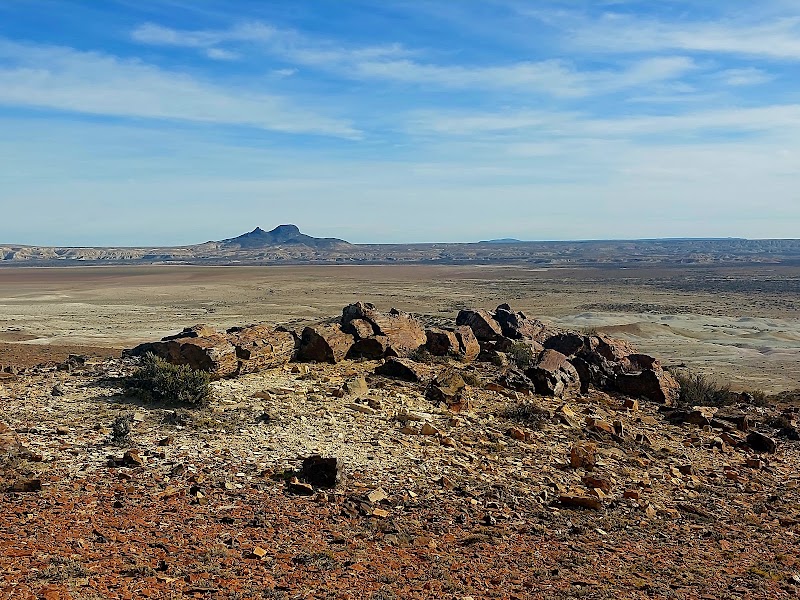
Petrified forests and big scenery off Argentina’s Route 3
A remote national park where vast landscapes, petrified trees and knowledgeable rangers reward the long gravel-road diversion.

Argentina
Iberá Wetlands: Peaceful Wildlife Encounters in Argentina
Travellers praise Iberá Wetlands for abundant birdlife, capybaras and other wildlife in an unusually calm natural setting.
Argentina
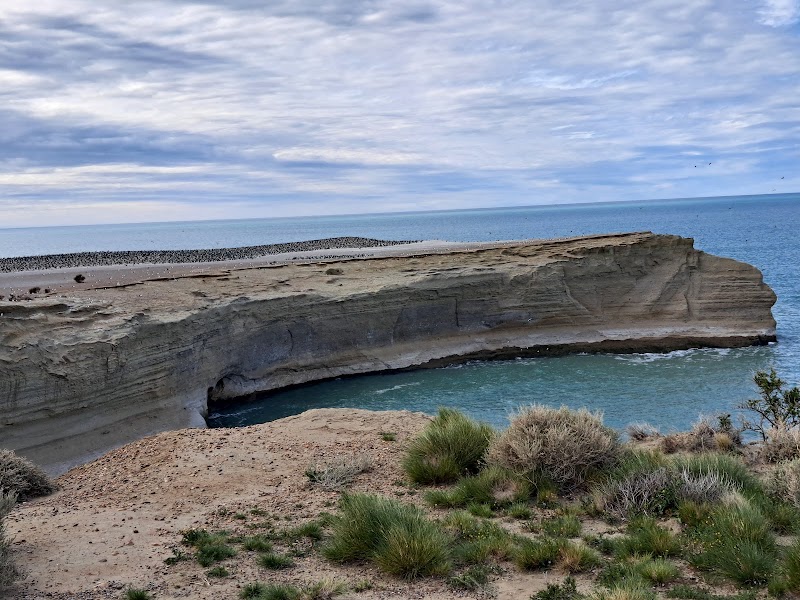
Parque Nacional Monte León: Wild Patagonian Coast
A remote Santa Cruz park where gravel-road access leads to windswept coastline, open steppe and possible guanaco and penguin sightings.
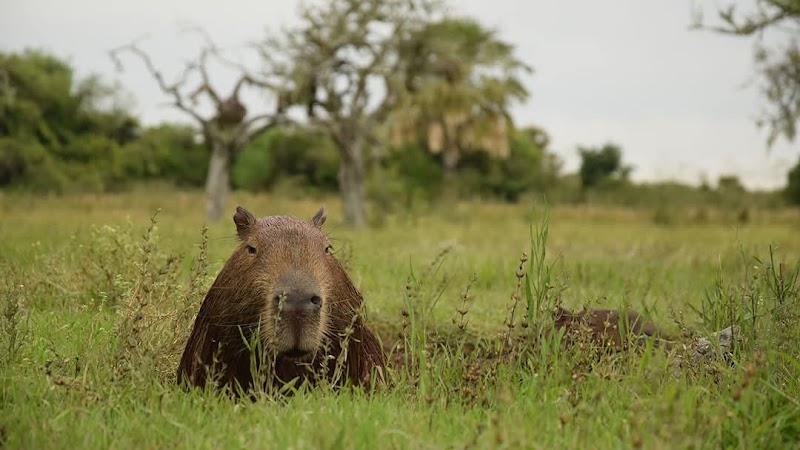
Argentina · Corrientes
Parque Nacional Iberá: Wild Wetlands in Corrientes
Public reviews praise Iberá for abundant wildlife, broad wetland scenery and a sense of nature remaining largely undisturbed.