Erdene Zuu Monastery: Kharkhorin’s Historic Essential
Kharkhorin’s landmark monastery pairs Buddhist worship, historic temples and a striking enclosure lined with 108 stupas.
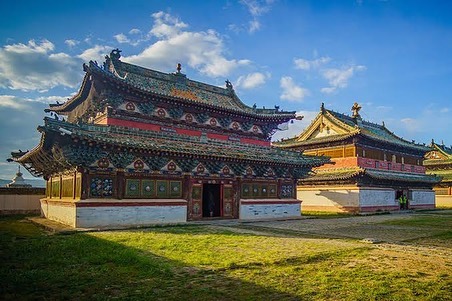
More photos
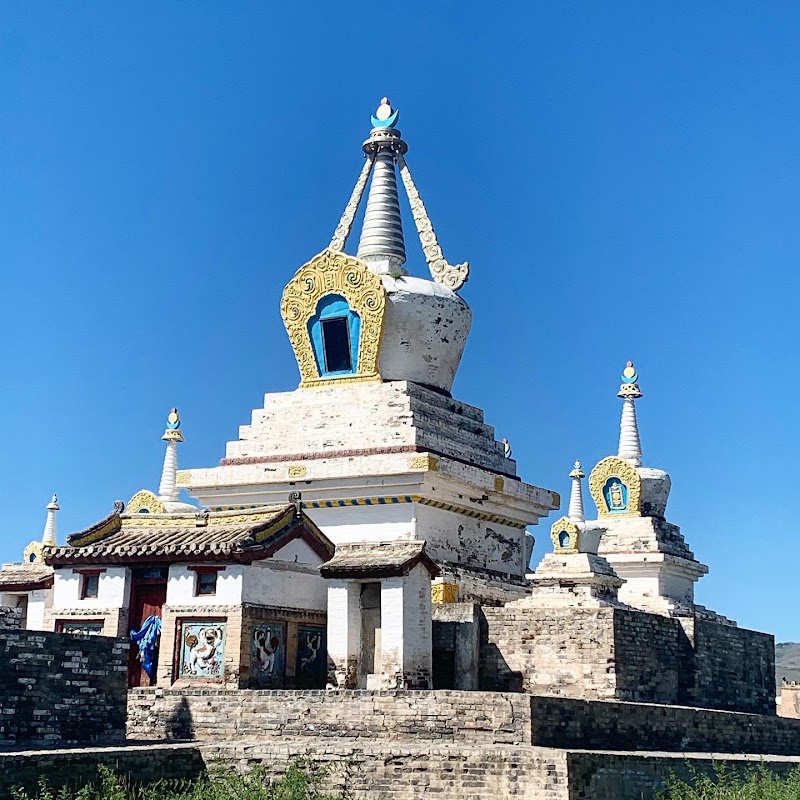
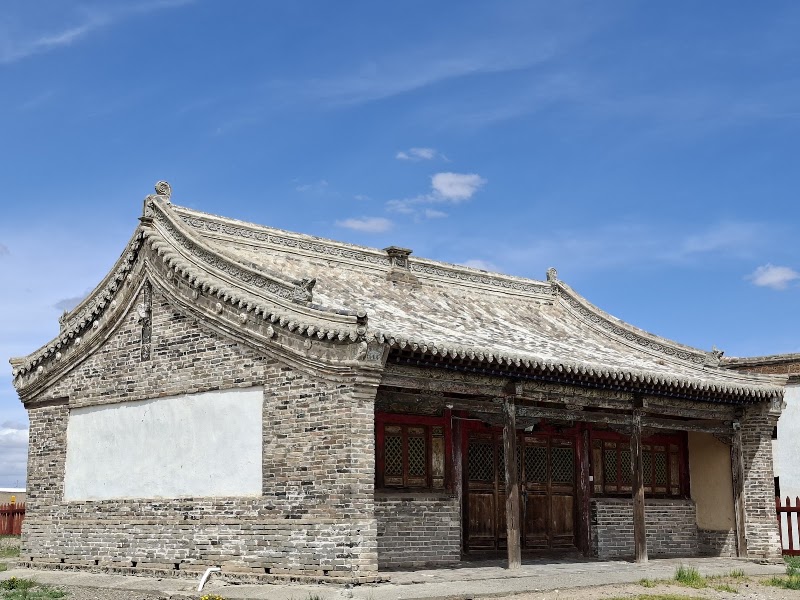
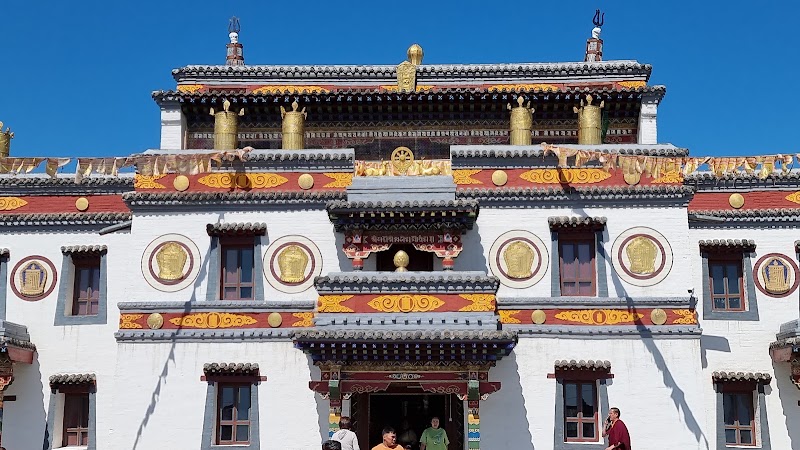

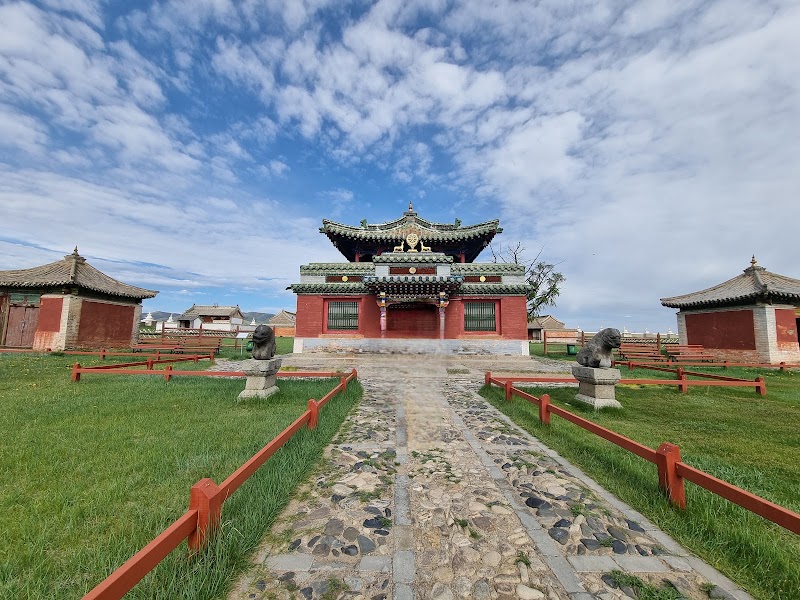

Photos published by travelers on Google, not AI generated.
What stands out
- Enclosure lined with 108 stupas
- Historic temple architecture
- Thangka paintings and religious statues
- Connections to Mongol Empire history
- Active Buddhist worship
Worth knowing
- Only some buildings may be accessible
- English interpretation may require asking
- Summer visits can be busier
Don't miss
What comes up most in public reviews
- Walk beside the 108 stupas
- Visit the accessible temple interiors
- Look for the thangka collection
- Ask about English-language explanations
- Check whether a prayer service is scheduled
Worth the trip?
Why it stands out
Erdene Zuu Monastery is one of Kharkhorin’s central historical and religious attractions. Based on a Google rating of 4.5 from 1,149 reviews, public feedback consistently praises its sense of history, preserved religious buildings and importance to understanding the area. Several visitors describe it as an essential stop when exploring Kharkhorin and the legacy of the Mongol Empire.
The monastery remains a place of worship rather than simply a collection of old buildings. Reviews mention resident monks, Buddhist prayer and local visitors alongside travellers. That active religious character gives the complex more depth, although guests should remain considerate around services and worshippers.
Temples, art and the stupa walls
The enclosure is best known for the 108 stupas surrounding it. Inside, visitors encounter multiple temples and other religious structures, some associated in reviews with construction beginning in the 17th century. Travellers frequently comment on the condition of the complex and the architectural details that become more noticeable with time.
Temple interiors contain statues and collections of thangka paintings described by reviewers as dating from the 17th and 18th centuries. Public reports indicate that only some buildings or rooms are open to visitors. One review specifically mentions access to two temple interiors, including Gol Zuu, but access may depend on current operating arrangements.
Explanations are available in parts of the complex, according to reviews. Much of the interpretation may be in Mongolian, though visitors can ask whether an English version or English-language guidance is available. This is worthwhile because the monastery’s connection to Mongolian history is a major part of its appeal, and the visual displays alone do not necessarily provide the full context.
Planning the visit
Reviews describe entry to the wider complex as free, with no ticket or queue required at the time of those visits. A large car park and an entrance at the south gate are also mentioned. Travellers should still check locally for current access rules, particularly for individual temples, guided interpretation or religious spaces.
Summer may be busier, especially when tour groups arrive. Reviewers recommend visiting early in the day or toward sunset for a quieter atmosphere and softer light across the temples and stupa walls. One visitor reports seeing a Tibetan Buddhist prayer service at 11am, though service schedules can change and should be confirmed on arrival.
Editorial verdict
Erdene Zuu earns its strong reputation through historical significance rather than spectacle alone. The combination of temple architecture, Buddhist art, active worship and the 108-stupa enclosure makes it the clearest cultural priority in Kharkhorin. Limited access to some buildings is the main frustration noted in reviews, while English interpretation may require asking. Even so, the public consensus points to a rewarding half-day visit, particularly for travellers interested in Mongolian history, sacred architecture and living religious traditions.
Ask anything
Looking for somewhere else?
Keep exploring around Kharkhorin
More from Mongolia
Mongolia
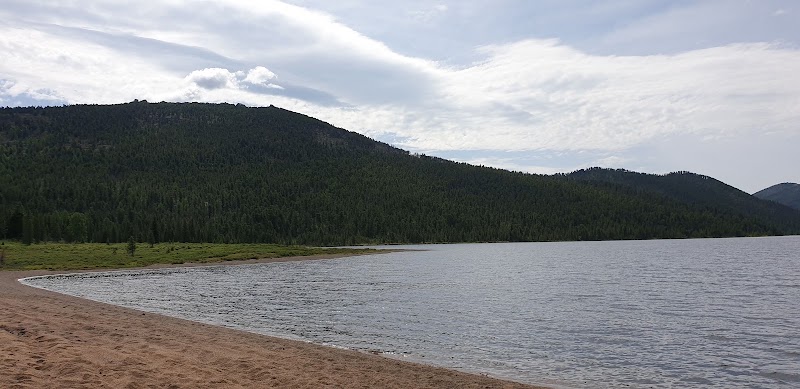
Khan Khentii: Mountains, Forests and Nomadic Landscapes
Public reviews portray Khan Khentii as a tranquil expanse of green valleys, forests and mountains suited to slow outdoor exploration.
Mongolia · Dalanzadgad
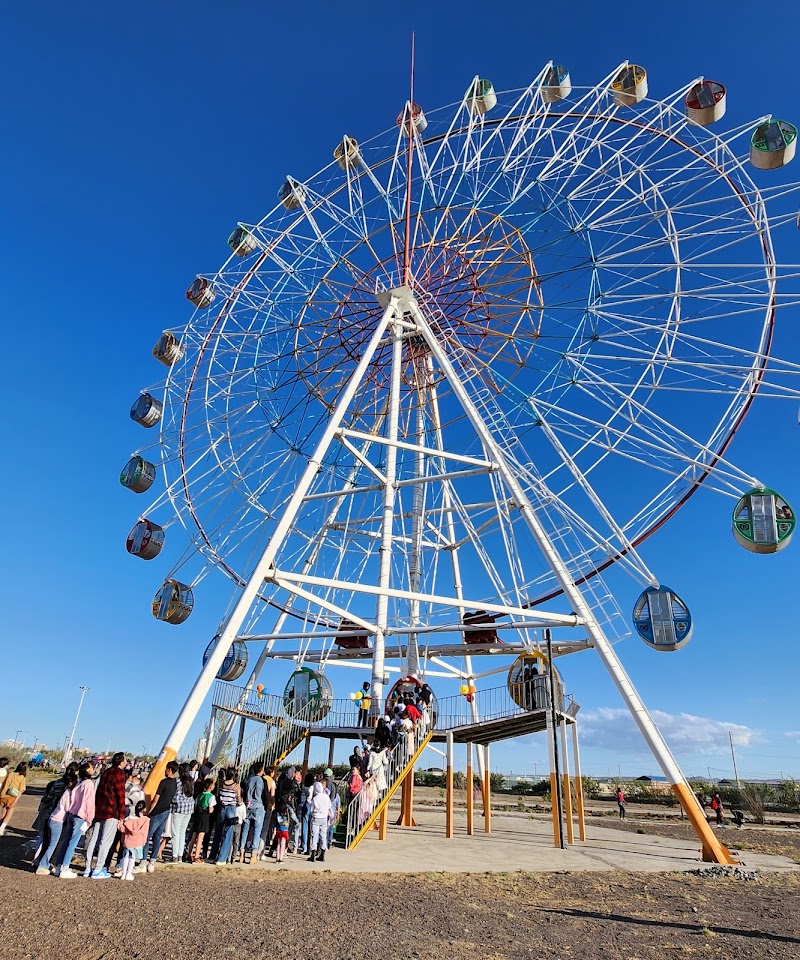
Ömnögovi Aimag Culture & Recreation Center review
Dalanzadgad’s dinosaur-themed recreation park offers a short, family-friendly stop, though ageing sculptures and faulty animatronics temper expectations.
Mongolia
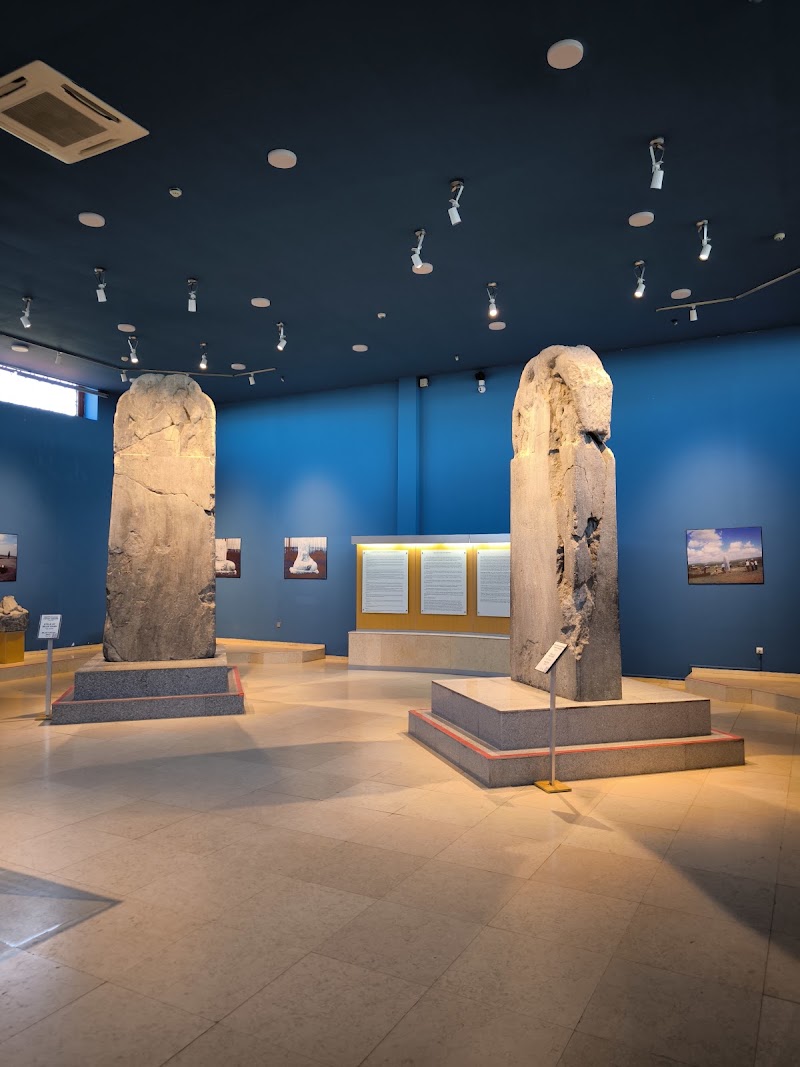
Göktürk history at Khoshoo Tsaidam
A compact museum near Kharkhorin preserves the Orkhon Inscriptions and major artefacts from the early history of the Turkic peoples.
Mongolia · Ulaanbaatar
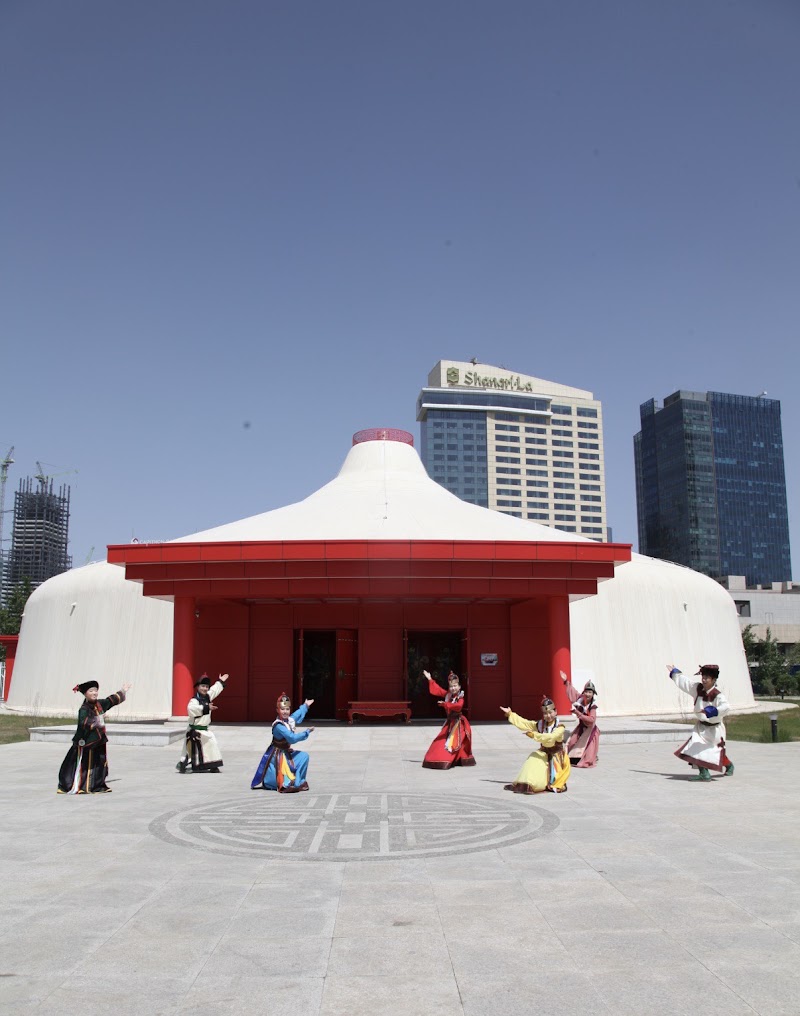
Tumen-Ekh packs Mongolian performance into one vivid hour
Throat singing, horsehead fiddle, dance and contortion make this compact Ulaanbaatar folklore show a strong cultural introduction.