Elmina Castle: Ghana’s powerful window into the slave trade
Knowledgeable guides, preserved dungeons and stark contrasts make Elmina Castle an emotionally demanding but essential historical visit.

More photos
Photos published by travelers on Google, not AI generated.
What stands out
- Knowledgeable, respectful guides
- Preserved dungeons and cells
- Powerful slave-trade history
- Elevated views over the area
Worth knowing
- Emotionally intense subject matter
- Entrance categories may vary
Don't miss
What comes up most in public reviews
- Walk through the preserved dungeons
- Ask the guide questions about the site’s history
Worth the trip?
Why Elmina Castle matters
Public reviews rarely treat Elmina Castle as an ordinary sightseeing stop. Instead, visitors describe a direct, often difficult encounter with the history of enslavement and colonial rule. Standing inside the actual spaces makes that history feel immediate in a way that reading about it may not. The landmark has a Google rating of 4.5 from 3436 reviews, with emotional impact discussed far more often than architectural spectacle.
Elmina Castle is identified as a UNESCO World Heritage Site and one of Africa’s oldest colonial buildings. Its preserved rooms show that commerce, religion and human suffering existed within the same complex. Reviewers often dwell on one especially disturbing contrast: enslaved people were held in dungeons and cells while churches operated elsewhere in the building. The proximity is hard to ignore. For many visitors, it is deeply unsettling.
The guided experience
The guided interpretation comes through in reviews as the strongest part of the visit. Guides are praised as knowledgeable and respectful, and visitors appreciate their willingness to answer questions. That explanation matters. Without it, some rooms might be difficult to understand, but the tours connect each space to the broader history of the transatlantic slave trade.
No part of the tour is discussed more often than the dungeons. Travellers call the experience of walking through them visceral, haunting and emotionally intense. The Door of No Return is another focal point, a stark symbol of the final departure forced upon captive Africans. There is little comfortable distance here. Enclosed rooms and the preserved structure put visitors physically close to the conditions being explained.
Reviews indicate that the castle is best experienced by letting the account unfold, not by hurrying through for photographs. Listening carefully, asking questions and giving the dungeons time appear more worthwhile than rushing along the route. Those interested in history and culture are likely to take the most from the visit, though it also has considerable weight for anyone tracing the legacy of the slave trade.
Setting and practical considerations
The castle stands in an elevated position and offers broad views of the surrounding area, with Anomansa noted by one reviewer. Its imposing exterior and coastal location have clear visual appeal. Still, reviews suggest that the scenery should not distract from the difficult history inside. Public feedback also mentions a spacious car park.
There is an entrance fee, with categories that may differ for Ghanaian adults, students and children. Travellers should check the current admission arrangements when they arrive rather than depend on older reports. The available reviews do not point to any clearly preferable season or time of day.
Overall verdict
Public ratings and reviews present Elmina Castle as a worthwhile visit, particularly with a guide. Its preservation and forceful storytelling bring visitors face to face with the realities of enslavement, setting it apart from a standard heritage attraction. The main caution is the emotional strain. The dungeons, cells and accounts of suffering can be distressing, so visitors should expect a sobering experience.
For travellers based in Elmina or exploring the wider Cape Coast area, the castle merits at least a few focused hours. The visits that seem to resonate most are those centred on historical understanding rather than sightseeing, with some time left afterward to absorb what was seen and heard.
Plan the rest of the trip
Ask anything
Looking for somewhere else?
Keep exploring around Elmina
More from Ghana
Ghana · Accra
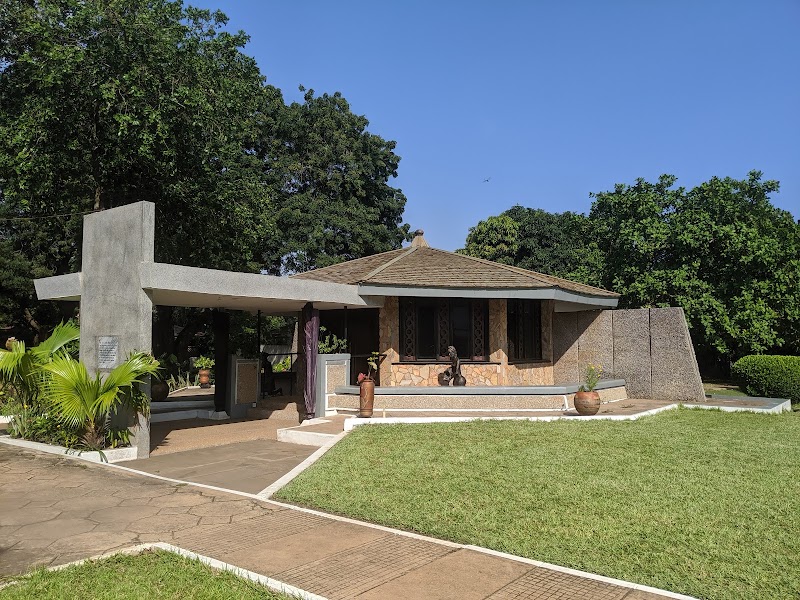
W.E.B. Du Bois Memorial Centre in Accra
A reflective Accra landmark centred on W.E.B. Du Bois’s legacy, final home and resting place, with reviews praising its educational impact.

Ghana · Bompoi
Digya National Park: Ghana’s Rough-Edged Wilderness Escape
Digya National Park rewards travellers who accept difficult access, basic facilities and a genuine sense of wilderness beside Lake Volta.
Ghana · Asiafo Amanfro
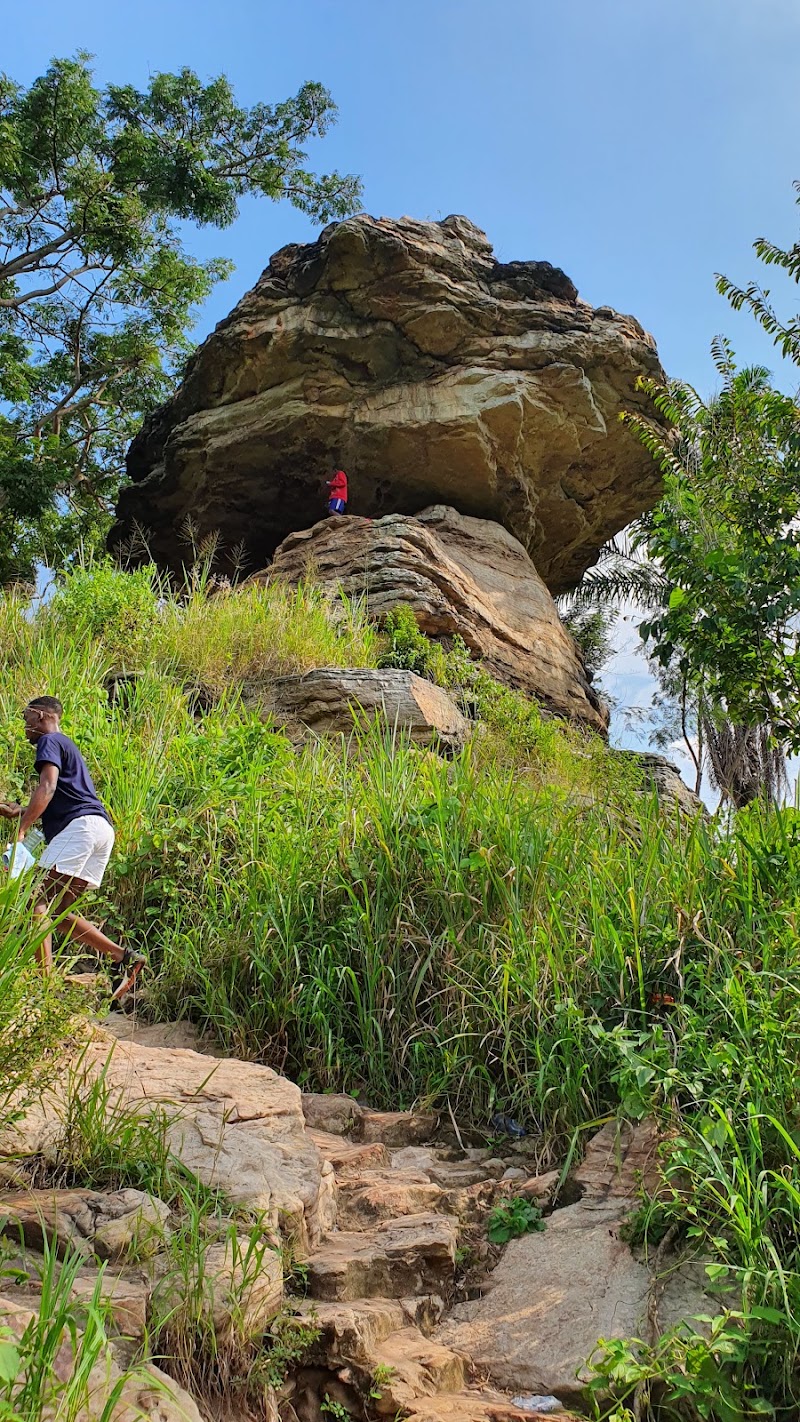
Umbrella Rock: A Scenic Hike Near Asiafo Amanfro
Umbrella Rock rewards a demanding trek with forest views, unusual rock formations, caves and the nearby three-headed palm tree.

Ghana · Nzulenzu
Nzulezo: A Canoe Journey to Life on Stilts
Public reviews describe Nzulezo as an insightful, waterborne visit where visitors see an active community and learn about daily life on the lake.