Ellora Caves: Monumental Art Carved Into Basalt
Ellora’s 34 rock-cut monuments unite Buddhist, Hindu and Jain traditions, with the vast Kailasa Temple dominating visitor impressions.
More photos
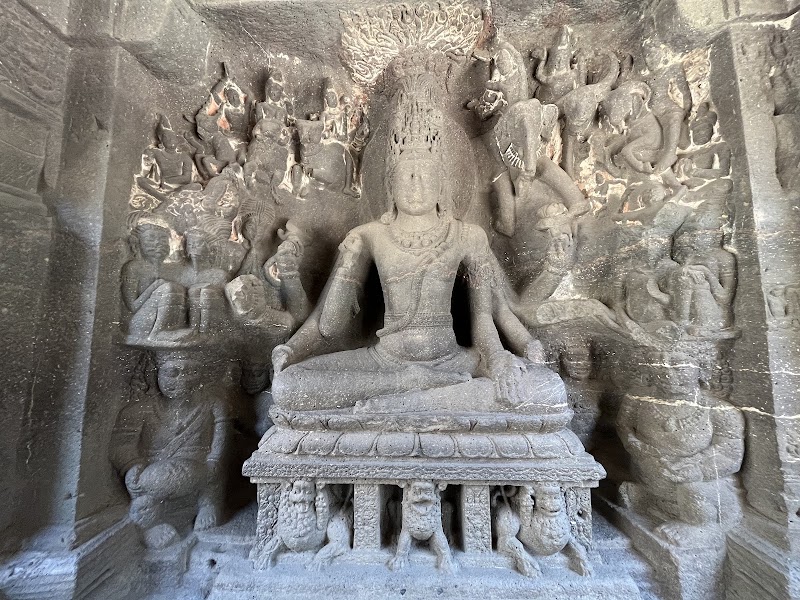


Photos published by travelers on Google, not AI generated.
What stands out
- Kailasa Temple carved from a single rock mass
- 34 rock-cut monuments
- Buddhist, Hindu and Jain heritage
- Intricate sculptures and temple architecture
Worth knowing
- The 34-cave complex is difficult to cover quickly
- Short visits require careful prioritisation
Don't miss
What comes up most in public reviews
- Kailasa Temple, Cave 16
- The Buddhist, Hindu and Jain monument groups
Worth the trip?
Why Ellora stands out
Ellora Caves has a Google rating of 4.7 from 61973 reviews. Again and again, public feedback returns to its sheer scale, the quality of its craftsmanship and the breadth of religious traditions represented here. Located in Verul, Maharashtra, this UNESCO World Heritage site contains 34 major rock-cut monuments carved into a basalt cliff. The Buddhist, Hindu and Jain monuments date from roughly the 6th to the 10th centuries CE.
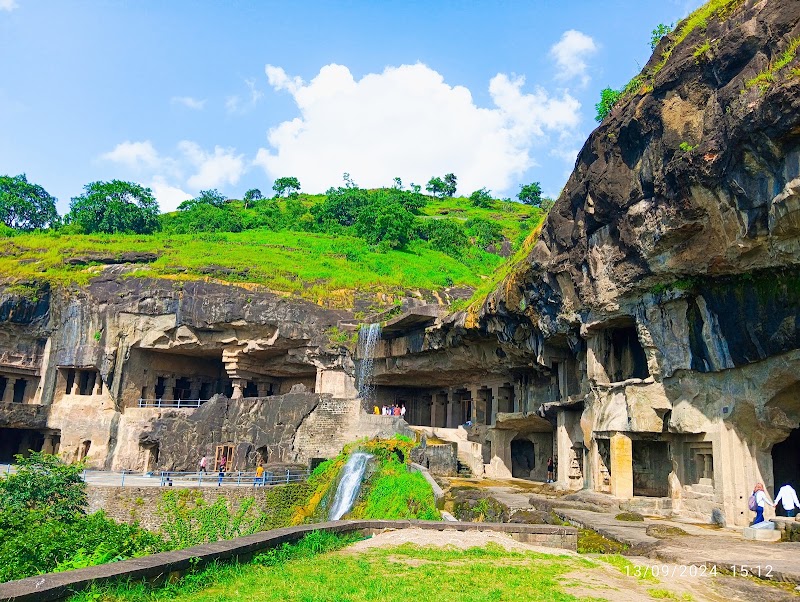
Many reviewers find that calling Ellora a cave attraction does not quite cover it. Monasteries, prayer halls, temples and elaborate sculptures were cut directly from the rock, so the result feels like an architectural landscape, not merely a sequence of chambers. Visitors also dwell on the close proximity of monuments associated with three faiths. Several read this as a powerful expression of religious coexistence.
The defining sight
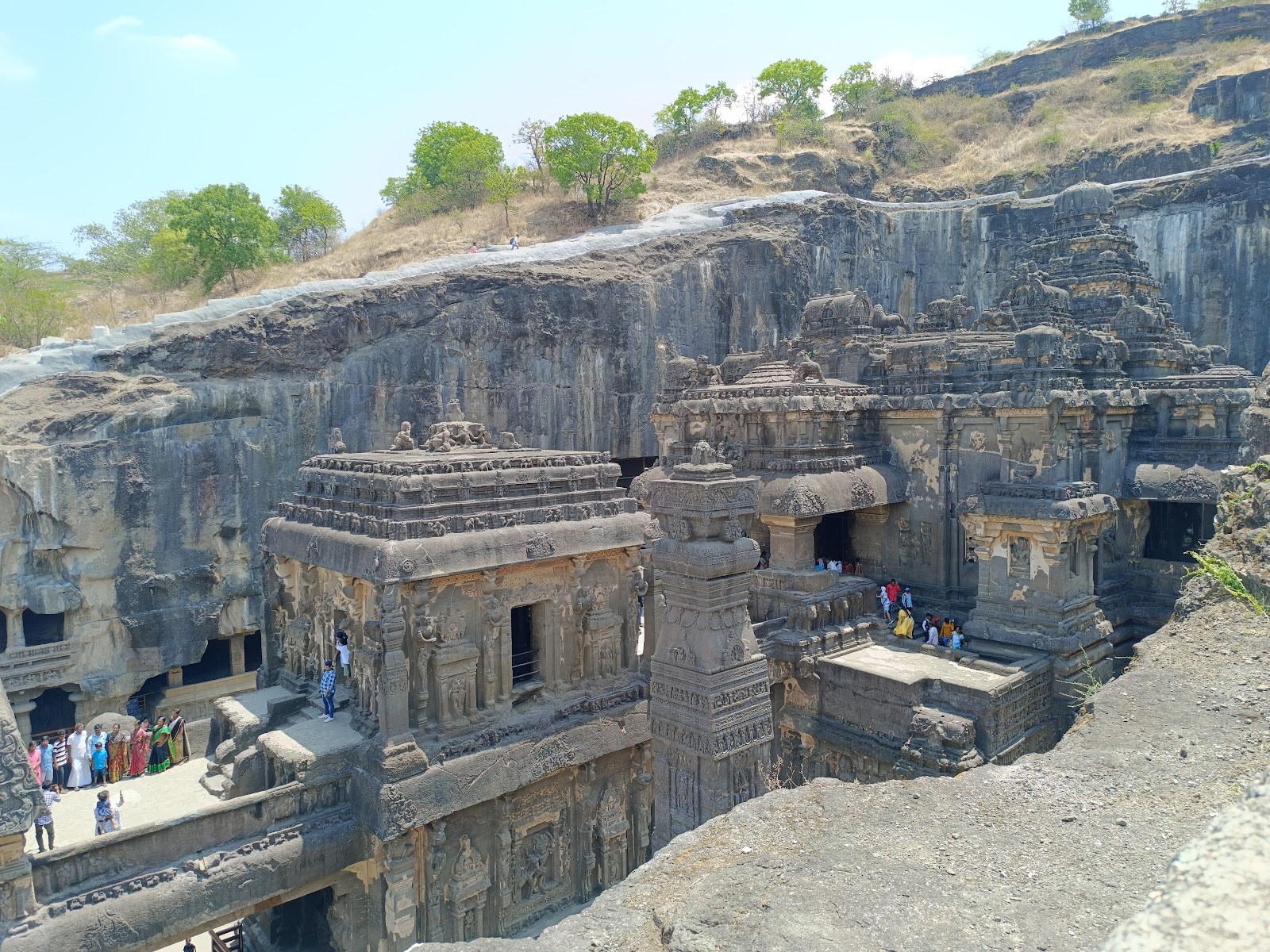
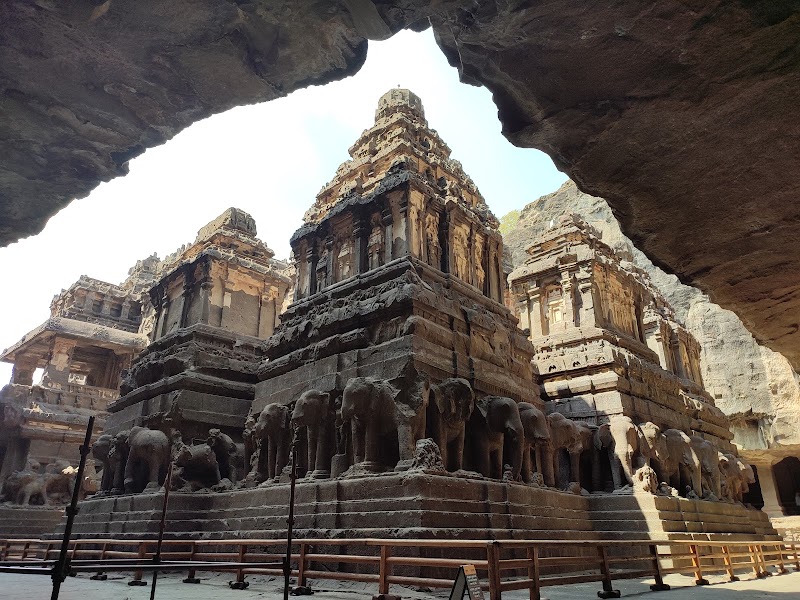
Cave 16, known as the Kailasa Temple or Kailasa Mandir, is the undisputed centrepiece of the available reviews. Its extraordinary size draws attention first, followed by the intricacy of the carving. One detail appears to make the deepest impression: the temple was worked from the top down out of a single mass of rock.
Kailasa often surprises even travellers who arrive expecting something exceptional. This is where Ellora’s ambition becomes plain. Courtyards, sculptural surfaces and freestanding architectural forms set it well apart from an ordinary excavated cave. If time forces a selective itinerary, Cave 16 earns the most consistent endorsement by a wide margin.
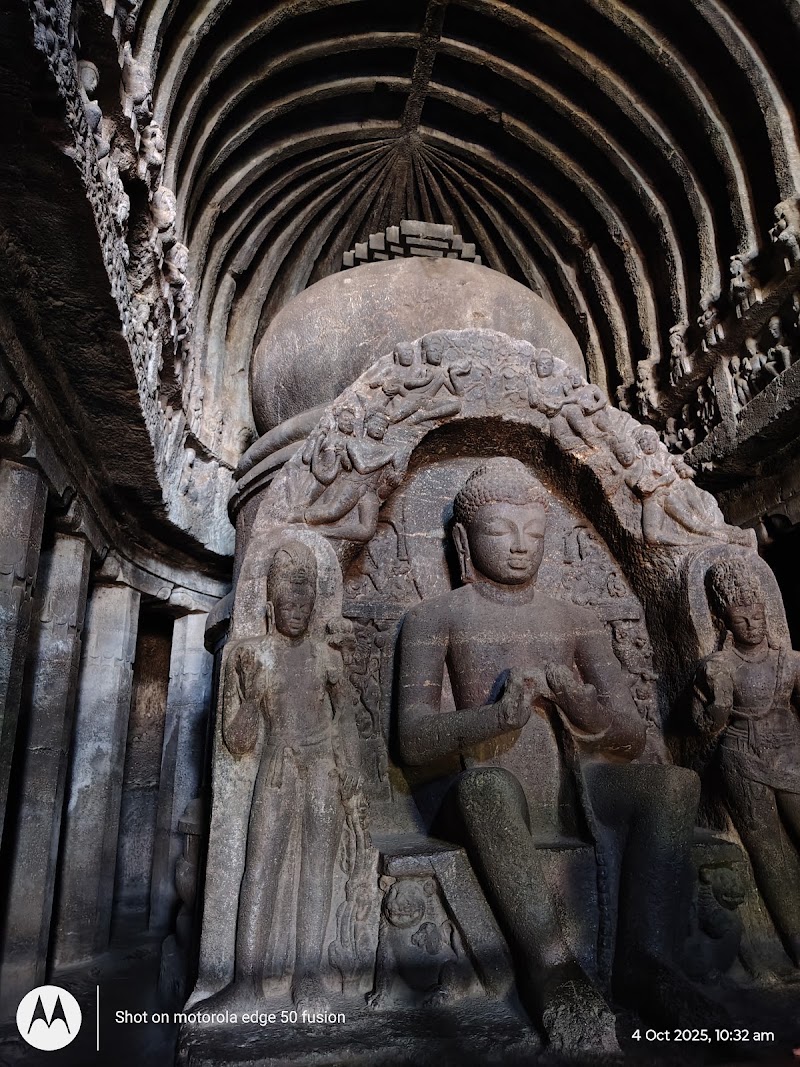
One review also names Cave 10 and Cave 20 as priorities for travellers with limited time. Cave 10 offers another view of the site’s Buddhist architecture, while the wider sequence puts Kailasa in the context of Ellora’s development across centuries.
Exploring the wider complex
The conventional division is straightforward: Buddhist monuments numbered 1 to 12, Hindu monuments numbered 13 to 29, and Jain monuments numbered 30 to 34. It gives the visit some shape. It also makes clear that Ellora is not just one temple, however impressive Cave 16 may be.
Across the complex, public reviews praise the detailed sculptures and the shifts between monasteries, prayer spaces and temples. Travellers who can spend enough time seeing examples from all three religious groups are likely to come away with a fuller sense of the site’s range. A shorter schedule demands choices. Taking in 34 monuments at a rush is difficult.
Editorial verdict
Based on the strong public rating and the themes that recur in reviews, Ellora Caves ranks among India’s most compelling historical landmarks. Its physical scale impresses immediately. What gives the site lasting depth, though, is the meeting of engineering, sculpture and three distinct religious traditions.
Kailasa Temple is essential, but the Buddhist and Jain sections keep Ellora from feeling like a single-monument visit. The site best suits travellers drawn to architecture, archaeology, sacred art and Indian history. Time is the main planning consideration: a brief stop can cover the headline caves, while a broader survey pays off when taken at a slower, more deliberate pace.
Ask anything
Looking for somewhere else?
Keep exploring around Verul
More from India
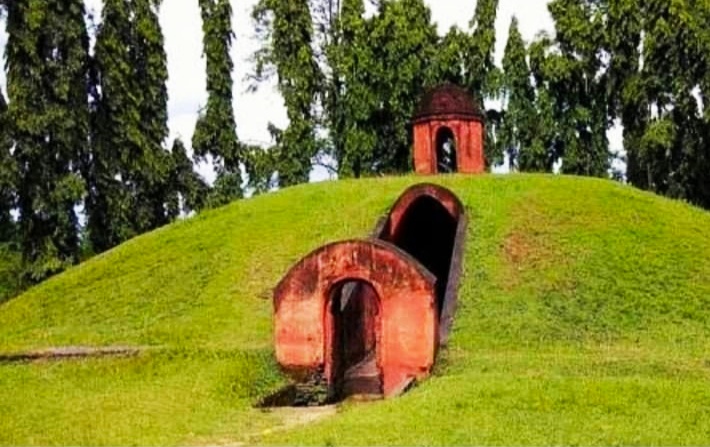
India · Bokopukhuri Habi
Charaideo Maidam: Assam’s Royal Burial Landscape
Ahom royal burial mounds, peaceful grounds and deep historical significance make this a compelling half-day landmark in Assam.

India · New Delhi
Qutb Minar: Monumental Architecture Beyond the Tower
Delhi’s soaring minaret anchors a well-kept heritage complex filled with intricate carvings, lawns and evocative medieval ruins.
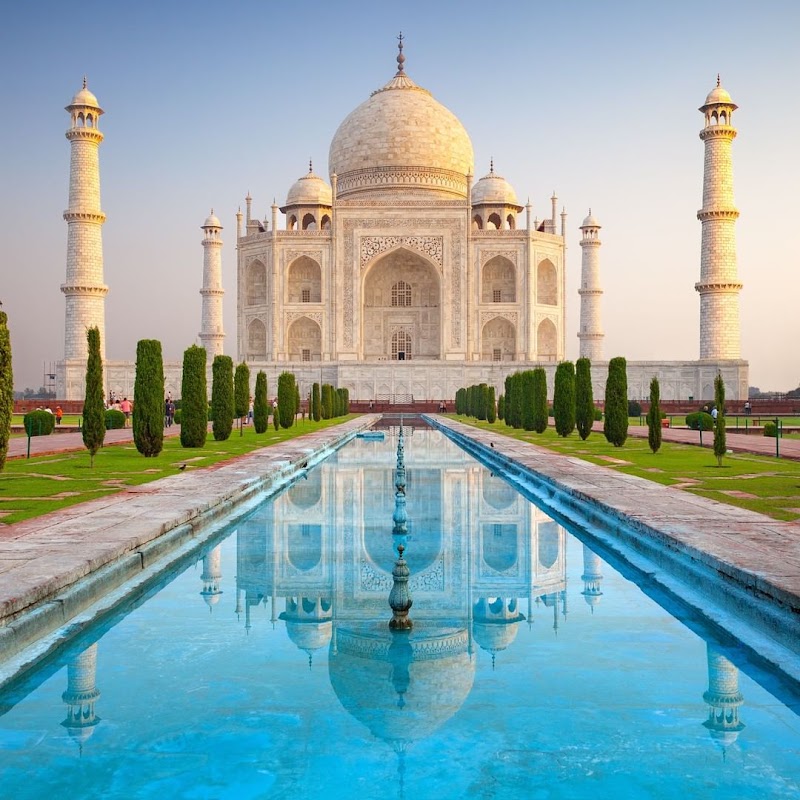
India · Agra
Taj Mahal review: Agra’s defining monument
Agra’s white-marble mausoleum pairs immense historical significance with one of the strongest public rating signals in Indian tourism.
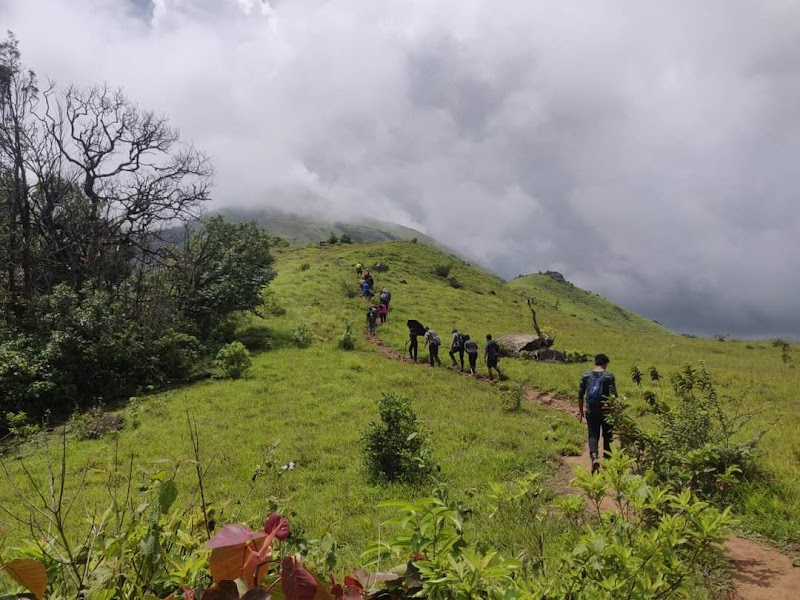
India · Bengaluru
Bangalore AdvenTuRers: organised treks with a social side
Strong public feedback highlights attentive trek leaders, careful organisation and friendly group trips to destinations across Karnataka and Kerala.