Elephanta Caves: rock-cut history across Mumbai Harbour
A ferry journey, substantial hill climb and monumental sculptures make Elephanta Caves a rewarding half-day heritage excursion.
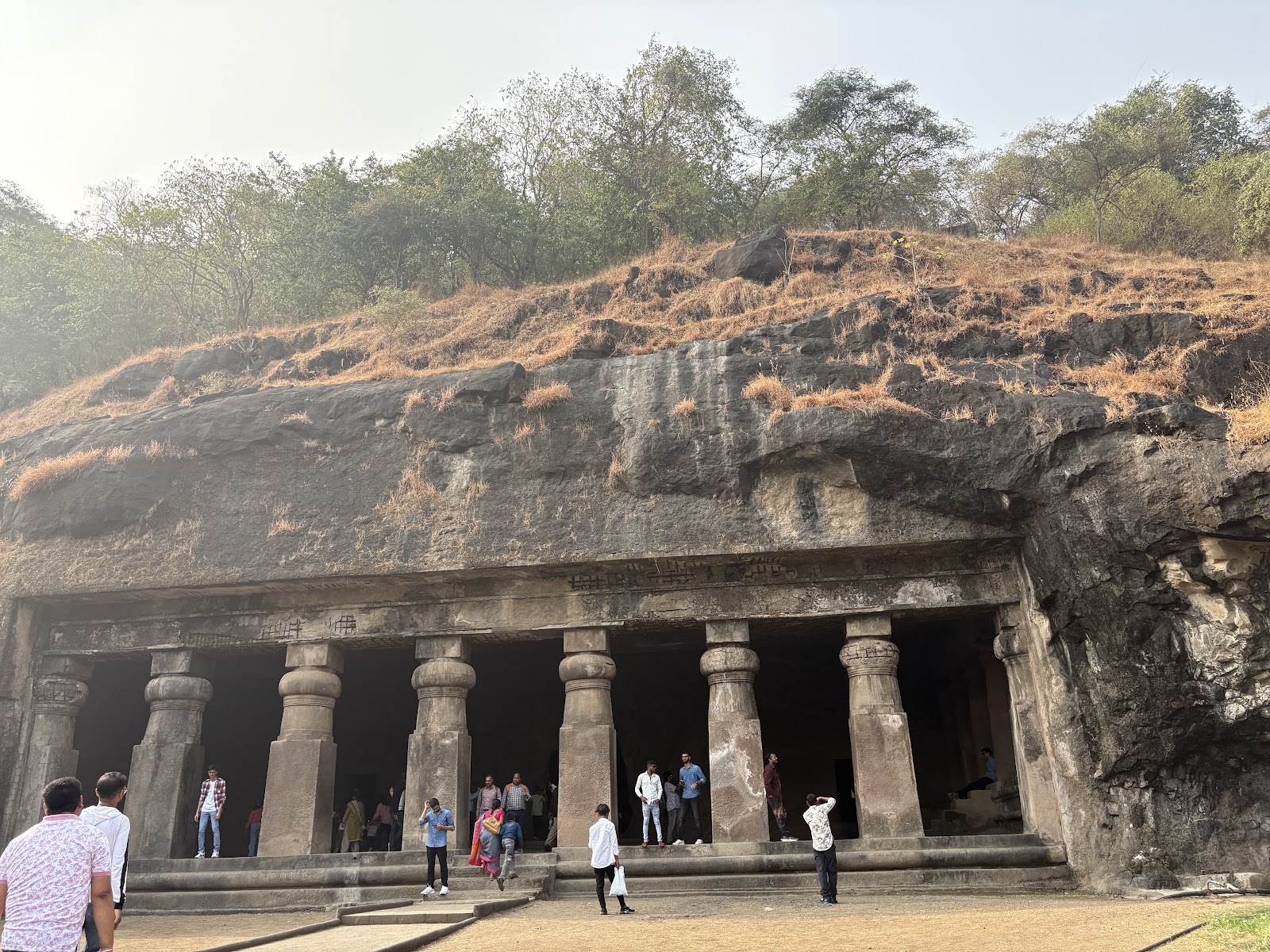
More photos
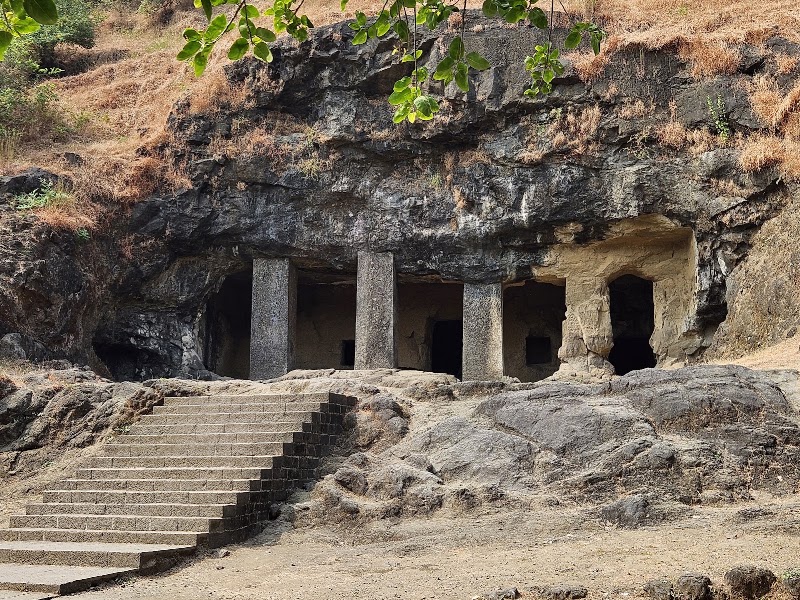
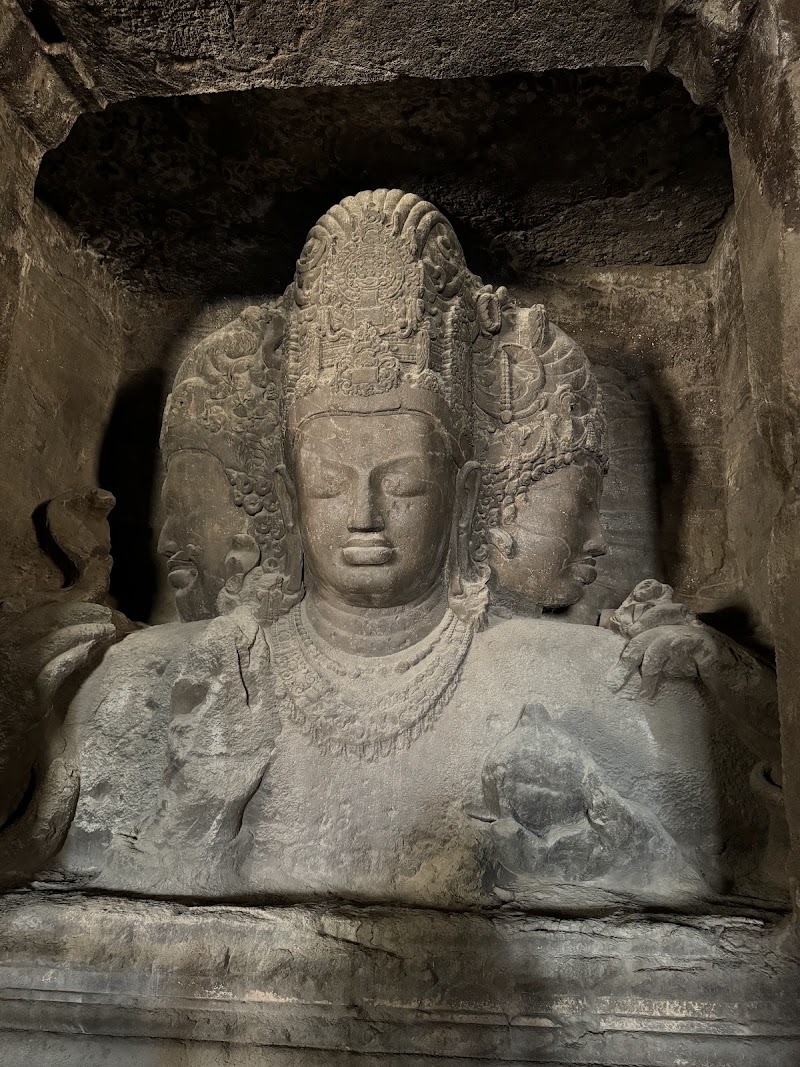
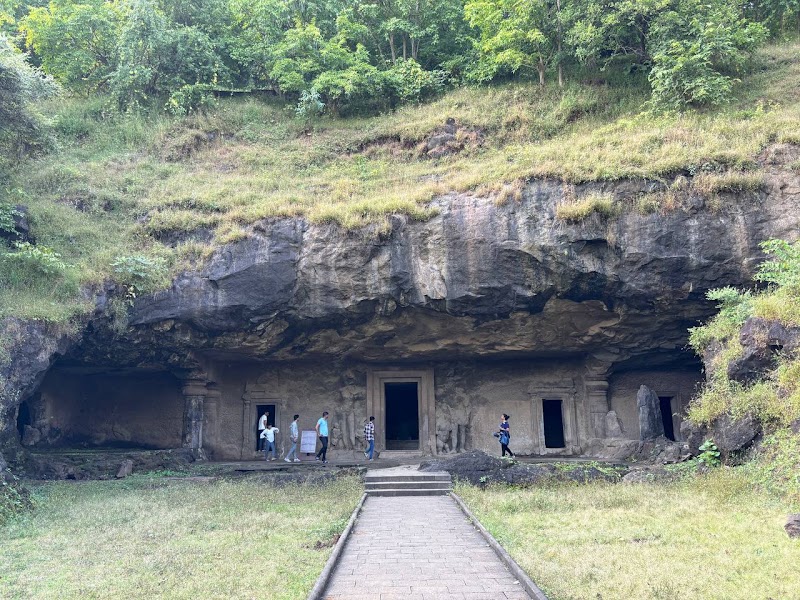
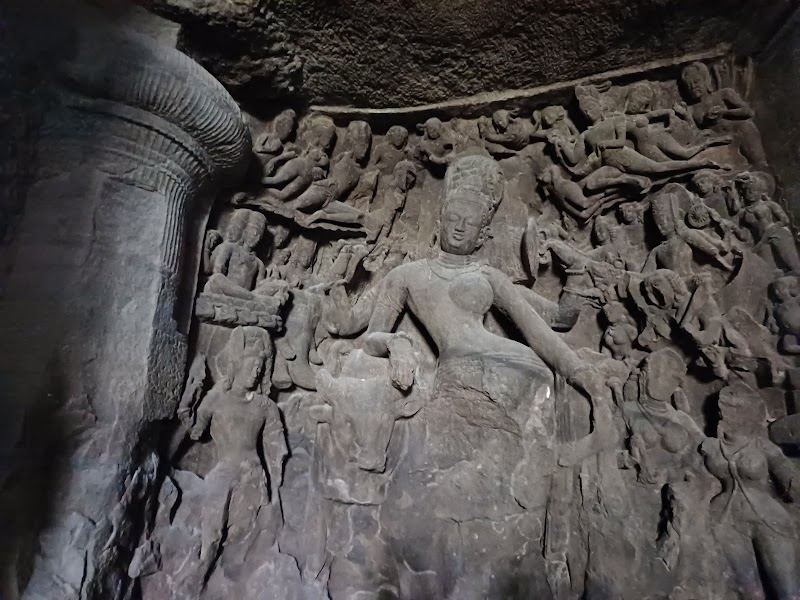

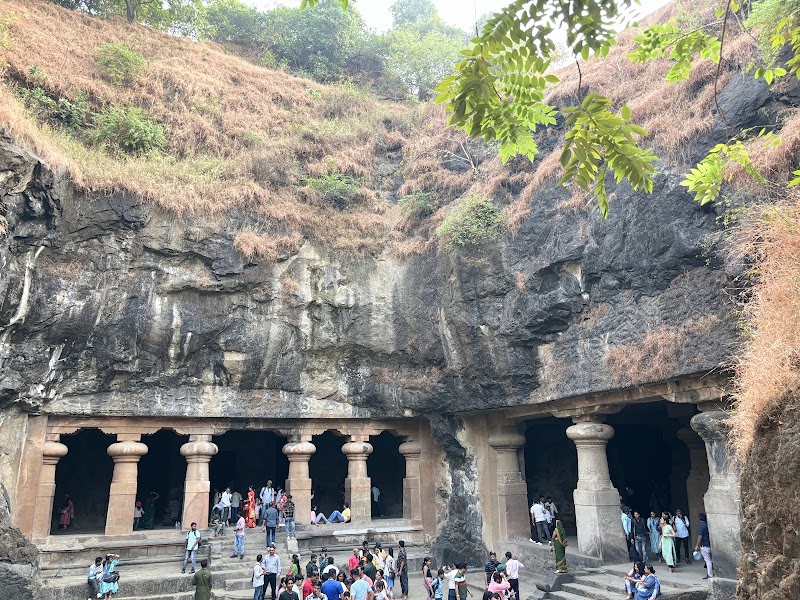
Photos published by travelers on Google, not AI generated.
What stands out
- Ancient rock-cut caves
- Impressive historic sculptures
- Ferry ride across the harbour
- Views of Mumbai from the sea
Worth knowing
- Around 300 steps to climb
- Ferry queues and possible delays
- Closed on Tuesdays
Don't miss
What comes up most in public reviews
- Ferry ride from the Gateway of India
- Rock-cut cave architecture
- Historic sculptures inside the caves
- Mumbai views from the water
Worth the trip?
Overall impression
Elephanta Caves has a Google rating of 4.3 from 40874 reviews. Taken together, the supplied public feedback makes a solid case for travellers drawn to history, architecture or photography. The ancient rock-cut caves and sculptures receive most of the praise, with reviewers calling them impressive, beautiful and rich in heritage. Getting there matters too. This is a sightseeing trip that starts with a sea crossing, not a simple road transfer.
It is not a quick stop. Traveller reports put the full outing at roughly five to six hours once ferry journeys, waiting, walking and time inside the caves are counted. In practical terms, that means setting aside half a day from Mumbai and leaving some room for transport delays and crowds.
The ferry journey
Ferries leave from the Gateway of India, and reviewers often treat the crossing as part of the day rather than dead travel time. Several visitors say it takes about an hour each way. There are open views over the water and back towards Mumbai, a combination of sea travel and historical sightseeing that appears to work particularly well for families and groups of friends.
Queues come up often in the feedback, as do delays. Ferries can get busy as visitor numbers build, so starting earlier tends to be more comfortable. One reviewer suggests arriving at the departure area around 11am to avoid the heavier rush. Anyone hoping for a quieter trip may want to begin as early as the operating schedules allow.
Caves, sculptures and the climb
Landing on the island is not the end of the approach. Reviews describe a short walk to the foot of the hill, then a climb of around 300 steps. A toy train covers part of the route, but not the main uphill section. That climb can be hard work in warm conditions, particularly for visitors with limited mobility.
Then come the caves. Across the review sample, attention repeatedly returns to the rock-cut architecture and the large historic sculptures. History enthusiasts and photographers are likely to get the most from the detail, scale and atmosphere. Some reviewers call the carvings breathtaking. Others are struck by the way architecture and heritage meet across the cave complex.
Families and friends can enjoy the attraction, though the steps deserve some thought before taking very young children or anyone who finds sustained climbing difficult. Comfortable footwear helps. So does taking the ascent slowly.
Practical verdict
Synthesised public feedback presents Elephanta Caves as a memorable excursion, with much of its character coming from the whole sequence: harbour views, the ferry ride, the island approach and finally the caves. The weaker points are mostly logistical, not cultural. Crowds, ferry waits and the long climb can make the day less comfortable, while occasional reviews also raise concerns about cleanliness or crowd management.
The caves are reported to be closed on Tuesdays. Visitors should check current opening times and ferry arrangements before leaving. With half a day to spare, and realistic expectations about the steps, Elephanta Caves remains one of the more distinctive historical outings accessible from Mumbai.
Ask anything
Looking for somewhere else?
Keep exploring around Gharapuri
More from India
India · Bokopukhuri Habi
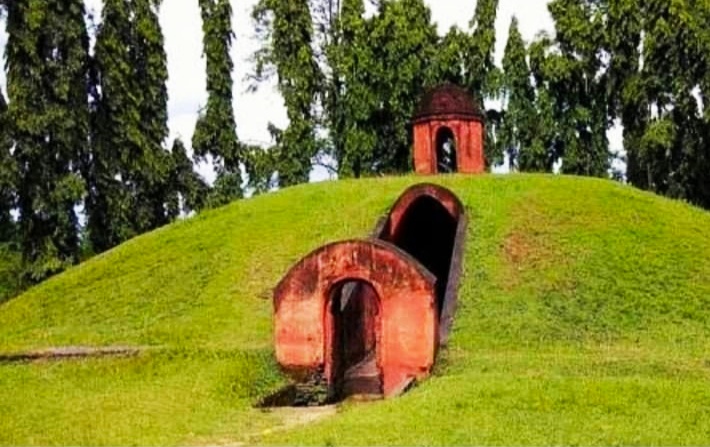
Charaideo Maidam: Assam’s Royal Burial Landscape
Ahom royal burial mounds, peaceful grounds and deep historical significance make this a compelling half-day landmark in Assam.
India · Verul
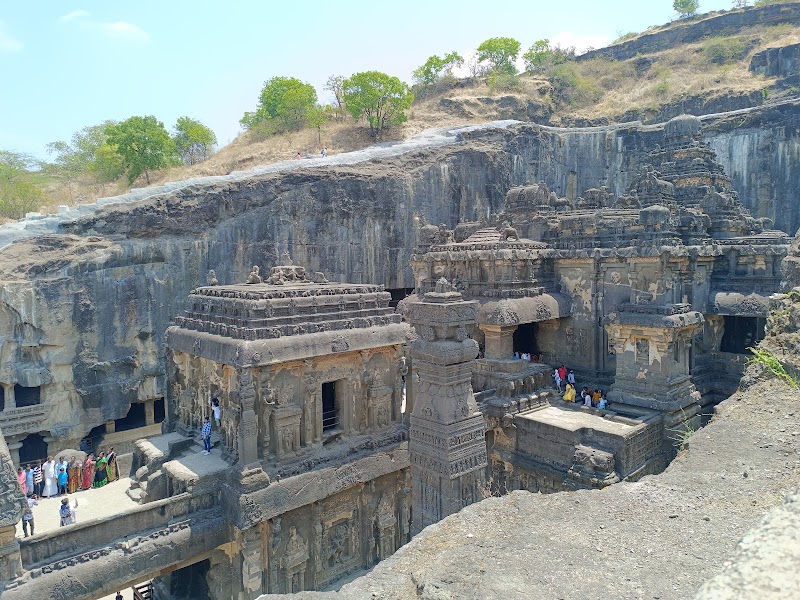
Ellora Caves: Monumental Art Carved Into Basalt
Ellora’s 34 rock-cut monuments unite Buddhist, Hindu and Jain traditions, with the vast Kailasa Temple dominating visitor impressions.

India · New Delhi
Qutb Minar: Monumental Architecture Beyond the Tower
Delhi’s soaring minaret anchors a well-kept heritage complex filled with intricate carvings, lawns and evocative medieval ruins.
India · Agra
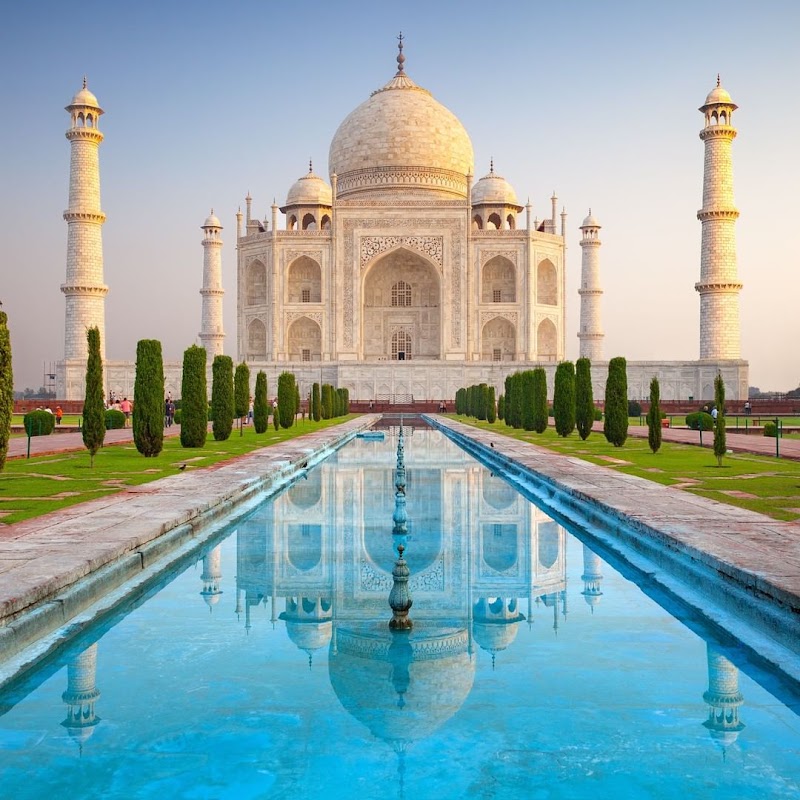
Taj Mahal review: Agra’s defining monument
Agra’s white-marble mausoleum pairs immense historical significance with one of the strongest public rating signals in Indian tourism.