Dvorec Hošperk: Romantic Ruins in the Planina Countryside
Atmospheric manor ruins, architectural fragments and peaceful countryside make Dvorec Hošperk a compelling but strictly exterior visit.
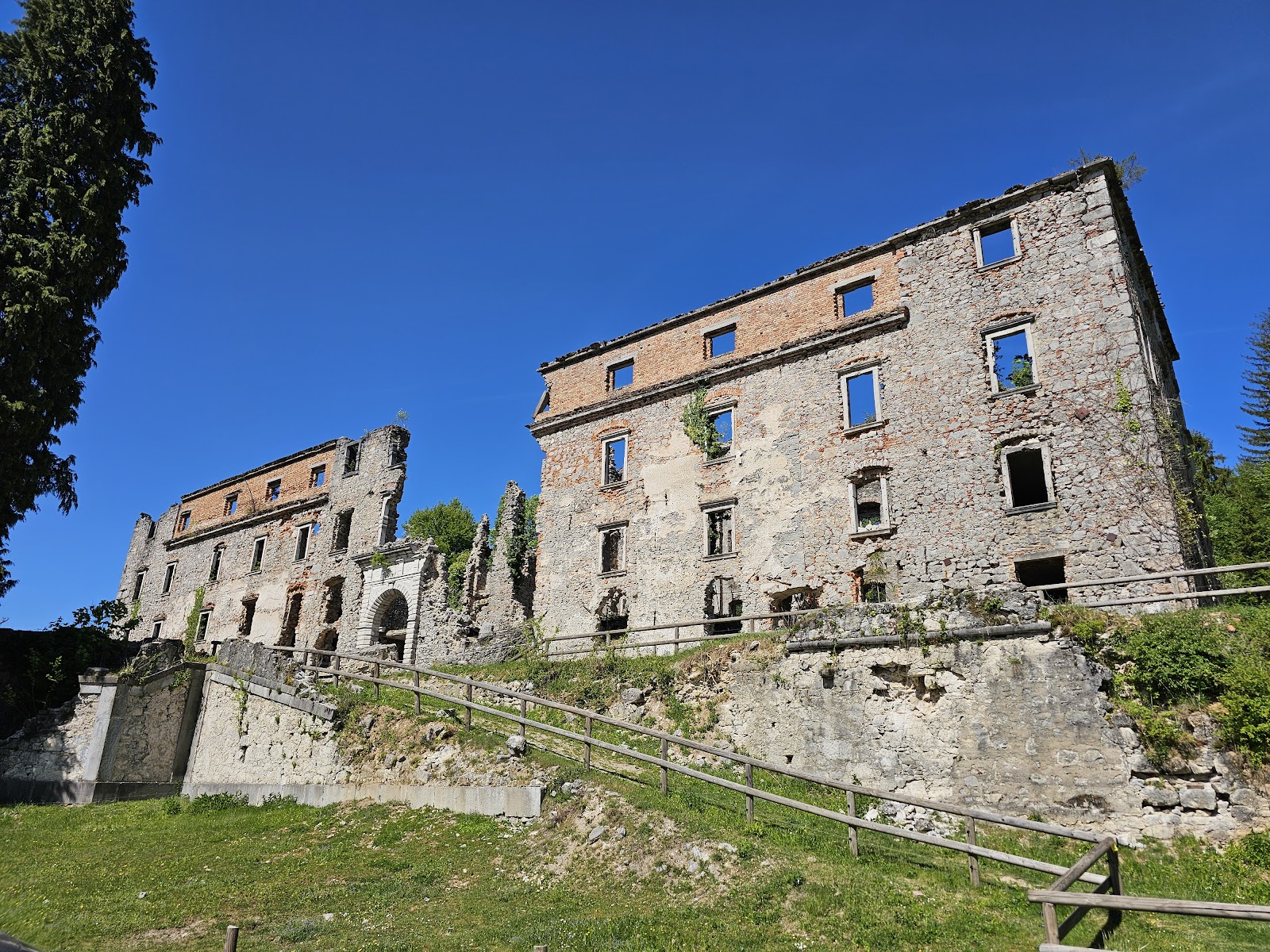
More photos
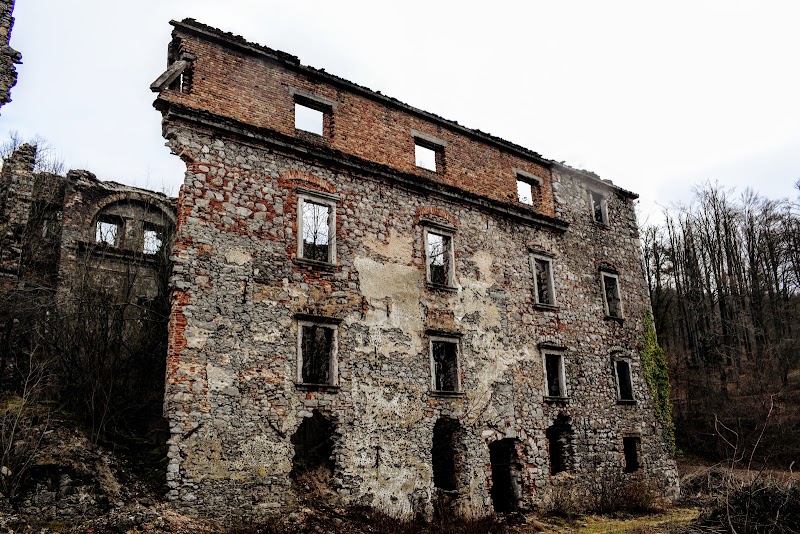
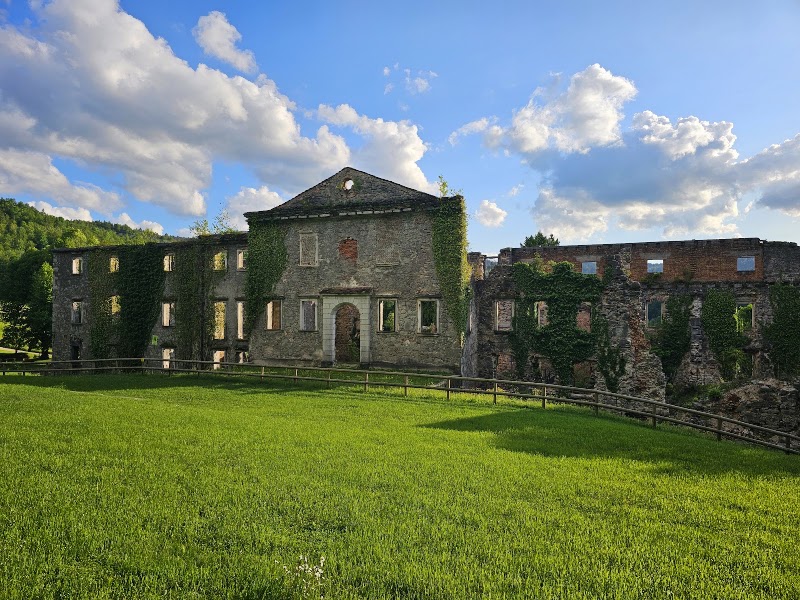
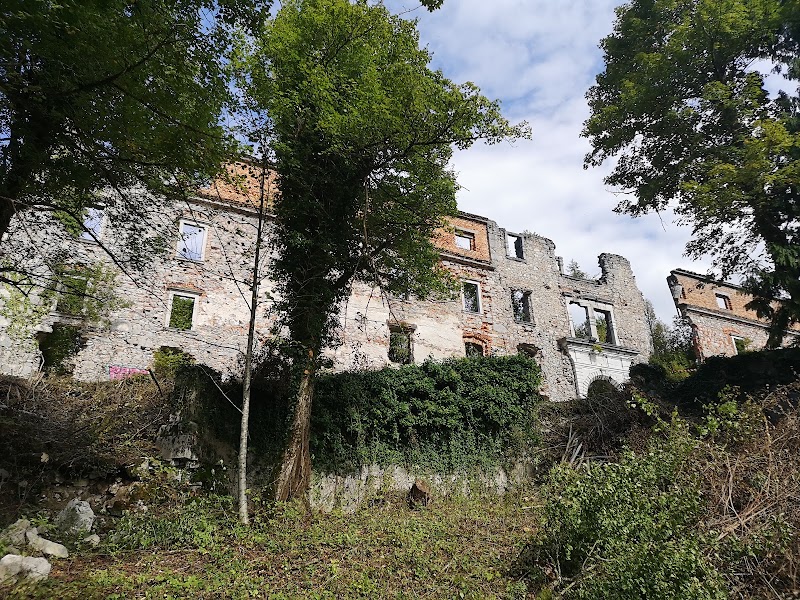

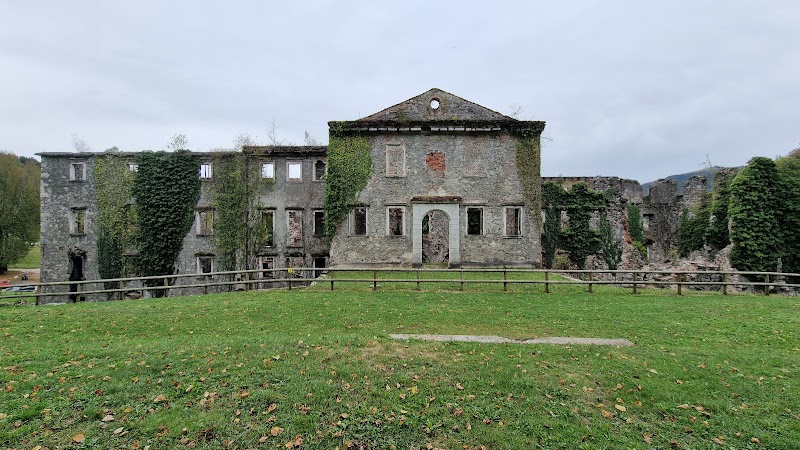
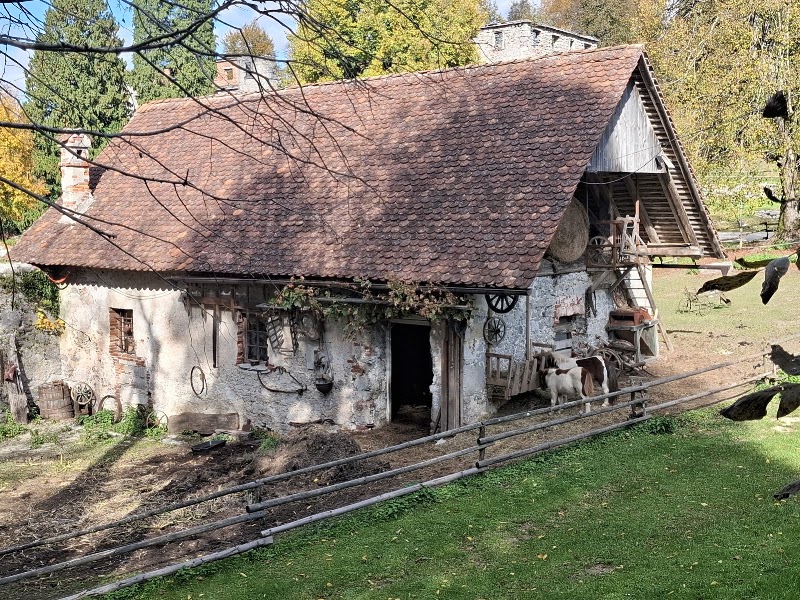
Photos published by travelers on Google, not AI generated.
What stands out
- Atmospheric Renaissance manor ruins
- Peaceful surrounding nature
- Surviving architectural details
- Goats and donkeys near the ruins
Worth knowing
- Unstable ruins are unsafe to enter
- Limited historical information on site
- Uneven ground may restrict accessibility
Don't miss
What comes up most in public reviews
- Walk around the manor exterior
- Inspect the surviving architectural details
- Look for the nearby outdoor museum
- Watch for the goats and donkeys
Worth the trip?
The appeal of Hošperk
Dvorec Hošperk, also known as Haasberg, is a ruined manor near Planina whose weathered remains dominate an otherwise quiet natural setting. Based on its 4.6 Google rating from 708 reviews, the landmark makes its strongest impression through atmosphere rather than a conventional visitor experience. Reviewers repeatedly describe the ruins as magnificent, mystical and peaceful, with the surrounding countryside adding considerably to their appeal.
The structure is identified in reviews as the remains of a Renaissance manor. One account links its destruction to the Second World War, though the site itself apparently offers limited interpretation. What survives still reveals architectural details worth examining from the outside. For many visitors, the contrast between the substantial shell and the calm landscape is the main reason to stop.
What the visit is like
This is primarily a place for walking around the exterior, looking at the surviving masonry and taking in the setting. Reviews warn that the ruins are unstable and unsafe to explore inside. The lack of secure interior access disappoints some visitors, but it does not prevent them from admiring the building’s scale and remaining decorative features from safer ground.
Animals add an unexpectedly light-hearted element. Goats are mentioned several times, sometimes roaming close to or among the ruins, while donkeys also appear in more than one review. Their presence gives the site a character quite different from a formally managed historic property. An outdoor museum is also reported beside the ruins, although at least one reviewer felt that the available information was too limited.
Parking is described by one visitor as being immediately beside the site. That suggests an easy roadside stop, but the reviews do not provide enough detail to confirm facilities, opening arrangements or accessibility conditions. Travellers with limited mobility should be particularly cautious, as uneven ground and restricted access are recurring concerns.
Strengths and limitations
Hošperk suits visitors who enjoy evocative ruins without expecting restored rooms, guided interpretation or polished displays. Its visual drama, rural quiet and surviving details earn consistent praise. The experience appears informal, with the building and landscape doing most of the work.
Safety is the clearest limitation. Reviewers explicitly discourage entering the unstable structure, so the ruins should be treated as an exterior landmark rather than an explorable castle. Information at the site may also feel sparse for anyone hoping for a detailed historical account. One isolated review mentions an unpleasant fish-like or seaside smell, but this does not recur often enough to suggest a dependable condition.
Editorial verdict
Synthesizing the public feedback, Dvorec Hošperk is best approached as a short, atmospheric stop rather than a full-day attraction. It offers impressive ruined architecture, peaceful scenery and the memorable sight of goats and donkeys nearby. Visitors who keep to safe areas and arrive with modest expectations for interpretation are most likely to appreciate it. The strong public rating reflects the site’s mood and visual impact, while concerns about structural instability and access keep it from being a completely rounded landmark experience.
Ask anything
Looking for somewhere else?
Keep exploring around Planina
More from Slovenia
Slovenia · Ljubljana
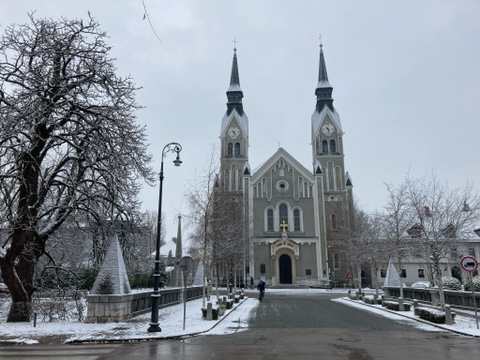
Plečnik’s Trnovo Bridge: Architecture on the Gradaščica
This tree-planted crossing extends Trnovo Church’s square across the river, combining everyday infrastructure with Plečnik’s distinctive civic design.
Slovenia · Miren
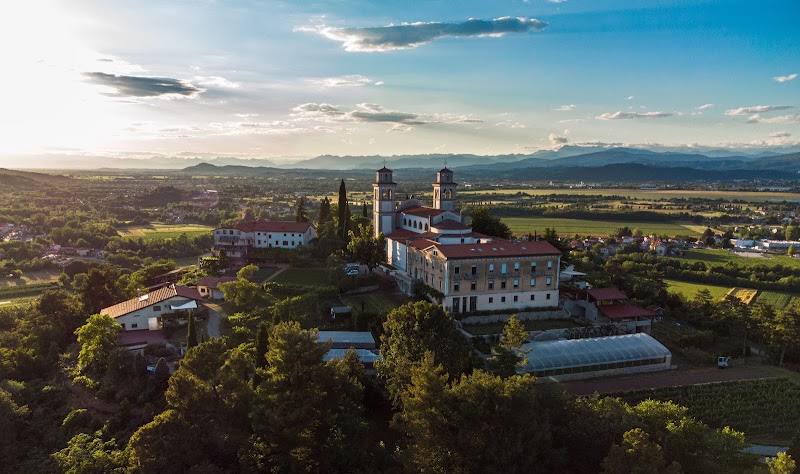
Miren Castle: A Peaceful Church and Valley Viewpoint
Public reviews frame Miren Castle as a tranquil church site valued more for its natural setting and broad views than for castle architecture.
Slovenia · Velike Lašče
Trubar: Slovenian history beside a working mill
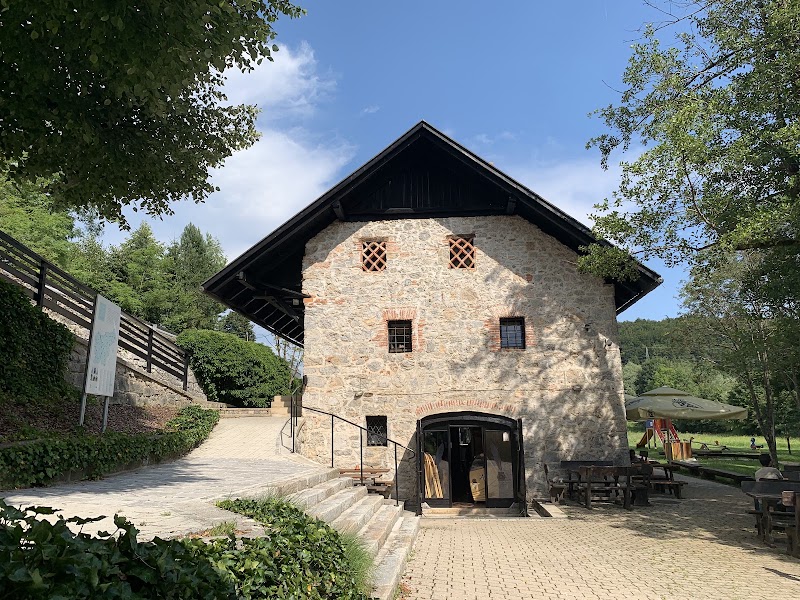
This small museum and riverside homestead combines the story of Primož Trubar with shaded grounds, a cafe-bar and an educational trail.
Slovenia · Šmarješke Toplice
Klevevž Castle: nature and bathing, not castle ruins
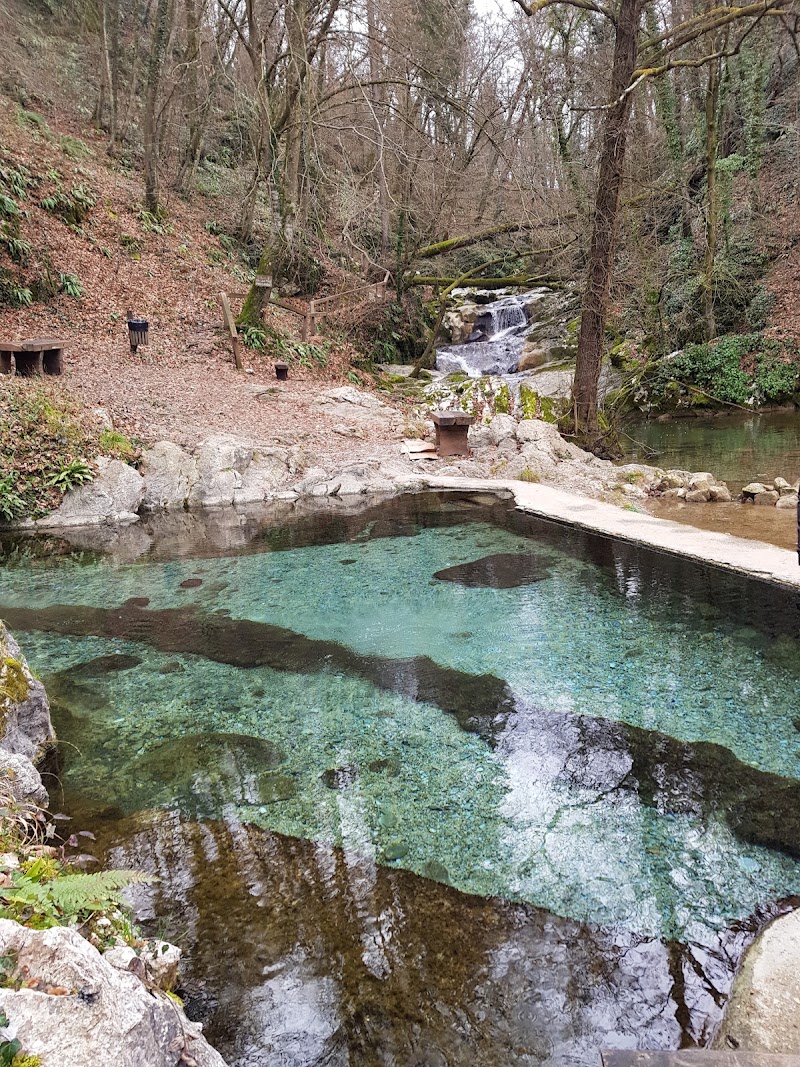
Public reviews favor Klevevž for its scenery and natural bathing pool, while warning that little remains of the castle itself.