Durrës Amphitheatre: Ancient Scale, Limited Interpretation
Roman ruins, underground passages and chapel mosaics make this a compelling history stop, though presentation and maintenance draw mixed feedback.
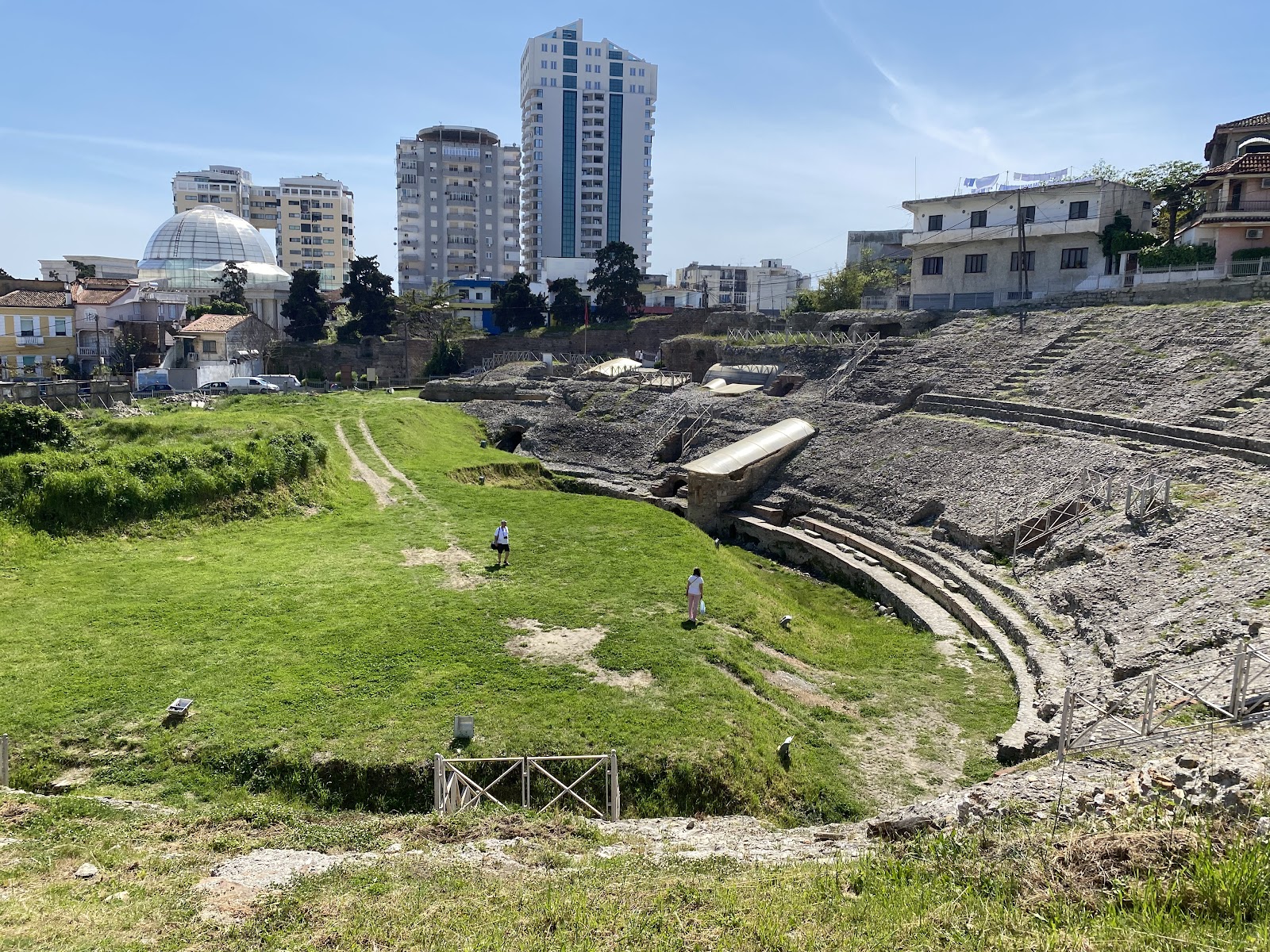
More photos
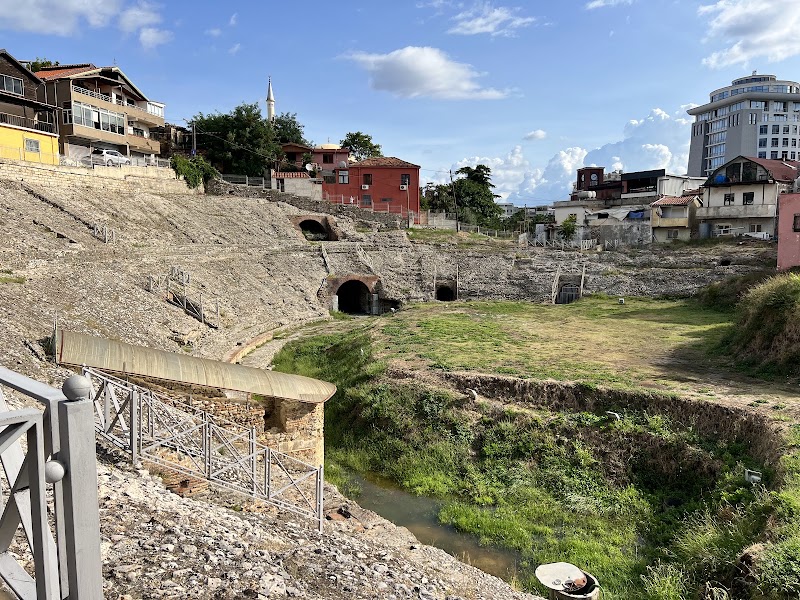
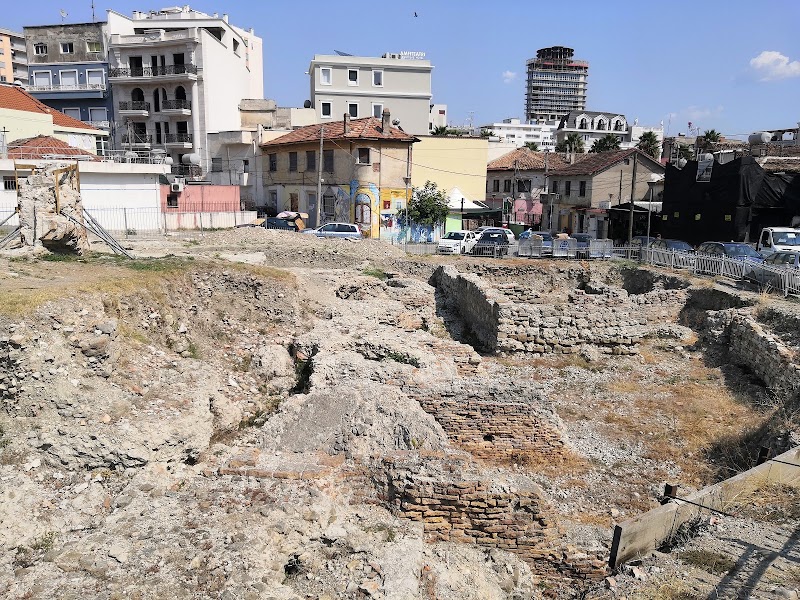
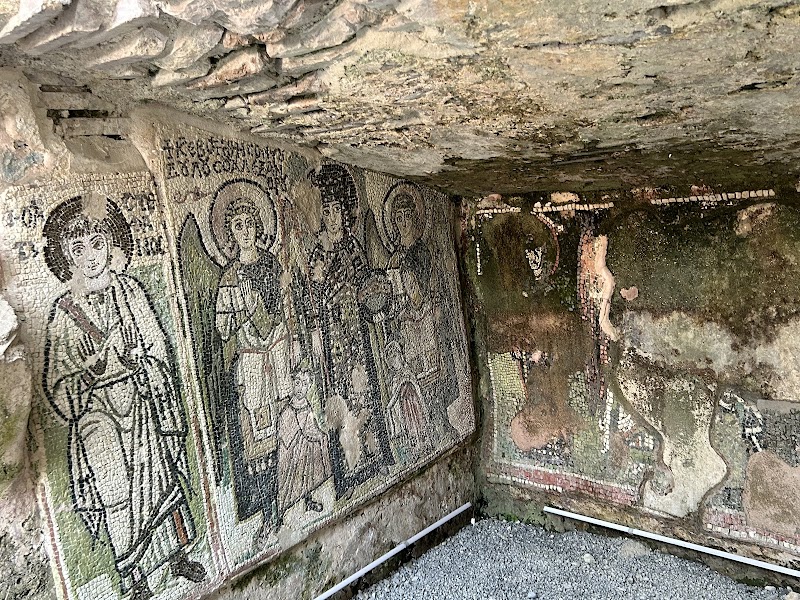

Photos published by travelers on Google, not AI generated.
What stands out
- Unexpectedly large Roman ruins
- Underground cave-like passages
- Mosaics in the chapel
- Atmospheric Old Town setting
Worth knowing
- Limited historical interpretation
- Mixed feedback on maintenance
- Service can feel unwelcoming
Don't miss
What comes up most in public reviews
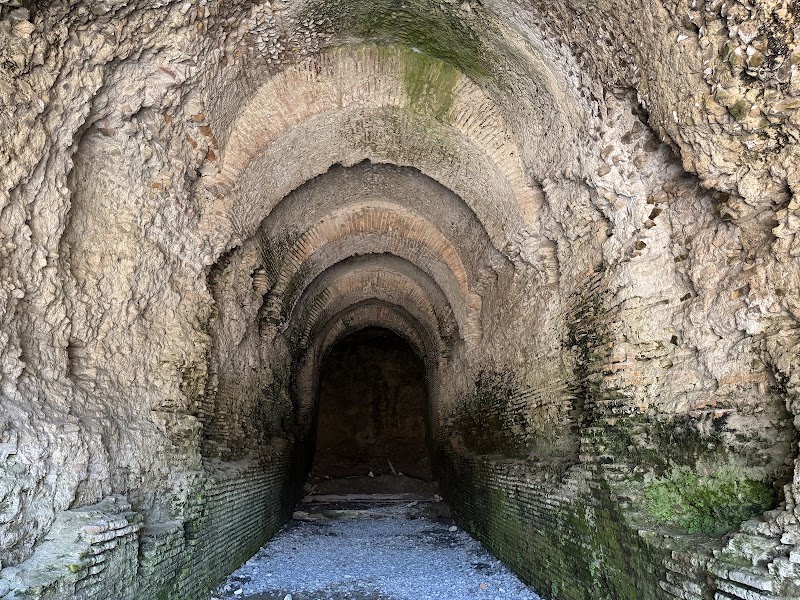
- Explore the underground passages
- Look for the chapel mosaics
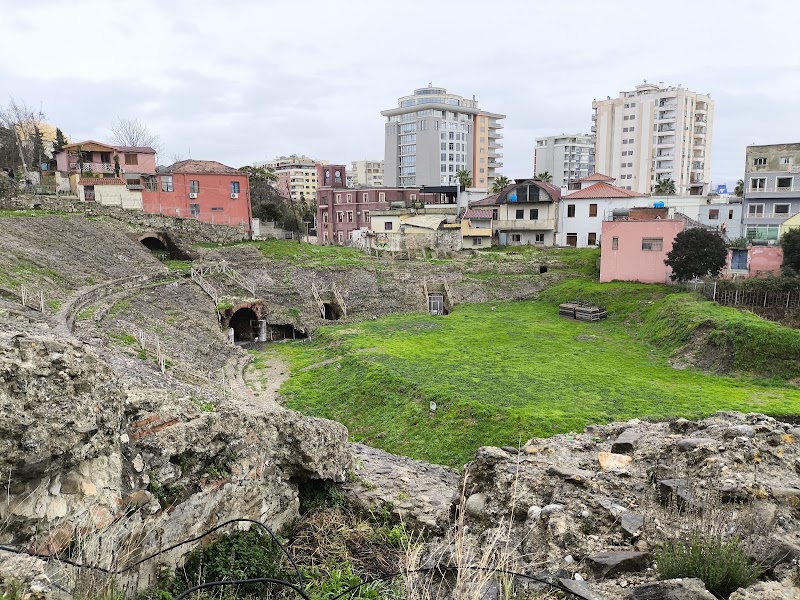
- Walk through the preserved structures
- Approach through Durrës Old Town
Worth the trip?
Why it stands out
Durrës Amphitheatre earns a Google rating of 4.1 from 6722 reviews, with public feedback consistently describing it as one of the city’s most significant historical sights. Travellers are often struck by its scale, particularly those who encounter the ruins while walking through Durrës Old Town. Several reviewers say the amphitheatre is considerably larger than expected, adding impact to what might otherwise appear to be a quick archaeological stop.
Its age is central to the appeal. Reviews repeatedly reflect on the experience of standing within a Roman structure built nearly two thousand years ago. For history and archaeology enthusiasts, that sense of continuity appears to outweigh shortcomings in presentation.
What visitors can explore
The underground, cave-like areas receive some of the strongest praise. Passages through the preserved structure allow visitors to move beyond simply viewing the ruins from outside, helping them picture how the amphitheatre may once have functioned. Reviewers frequently describe this access as impressive and atmospheric.
The chapel mosaics are another recurring highlight. Although the site reportedly offers limited interpretation, these surviving details give visitors something more focused to seek out among the larger stone remains. Reviews suggest that the experience is most rewarding for those comfortable exploring at their own pace and drawing meaning from the architecture itself rather than relying on extensive displays or explanations.
Where the experience falls short
Public reviews are less consistent when discussing upkeep. Some travellers consider the ruins well maintained, while others feel that a site of such historical importance deserves greater care and investment. That contrast suggests expectations play a large role. Visitors anticipating a polished attraction with detailed interpretation may find the presentation underdeveloped.
Limited on-site information is the clearest repeated weakness. The amphitheatre offers plenty to examine, but less context than some history-minded visitors would like. One review also mentions an unwelcoming interaction at the ticket counter. This does not emerge as a dominant pattern, but it reinforces the impression that service and visitor infrastructure may not match the significance of the ruins.
Editorial verdict
Synthesised public feedback places Durrës Amphitheatre among the city’s most worthwhile stops for travellers interested in Roman history, archaeology and substantial ruins. Its strongest features are physical rather than interpretive: the unexpected scale, underground passages, preserved structures and chapel mosaics.
A warm summer evening is specifically praised for walking through the site and its surrounding area. The amphitheatre also suits travellers already exploring Durrës Old Town, since reviewers describe finding it naturally while walking nearby. It is less likely to satisfy those seeking extensive signage, museum-style interpretation or uniformly polished maintenance. Even with those limitations, the site’s age and atmosphere make it a persuasive addition to a history-focused Durrës itinerary.
Ask anything
Looking for somewhere else?
Keep exploring around Durrës
More from Albania
Albania
Himara Old Town: Castle Ruins and Sweeping Coastal Views
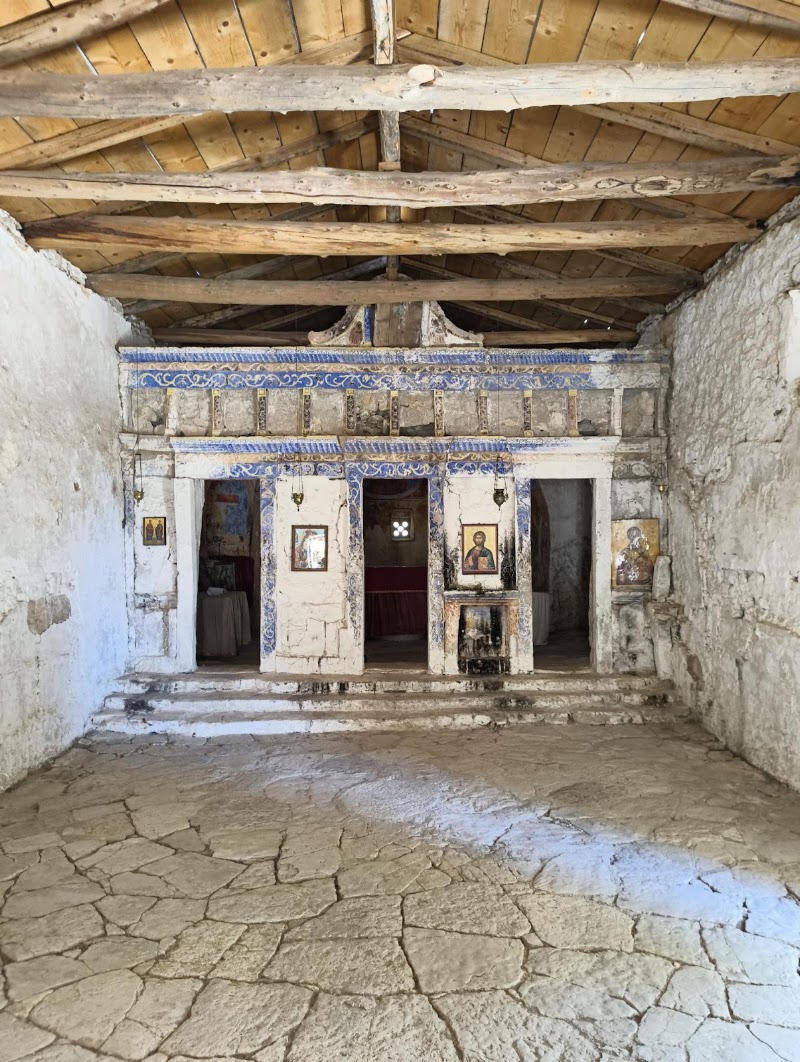
Above modern Himarë, this inhabited old village combines weathered fortifications, historic churches, mountain scenery and broad views of the coast.
Albania · Gjirokastër
Ismail Kadare’s House: Stylish, Sparse and Divisive
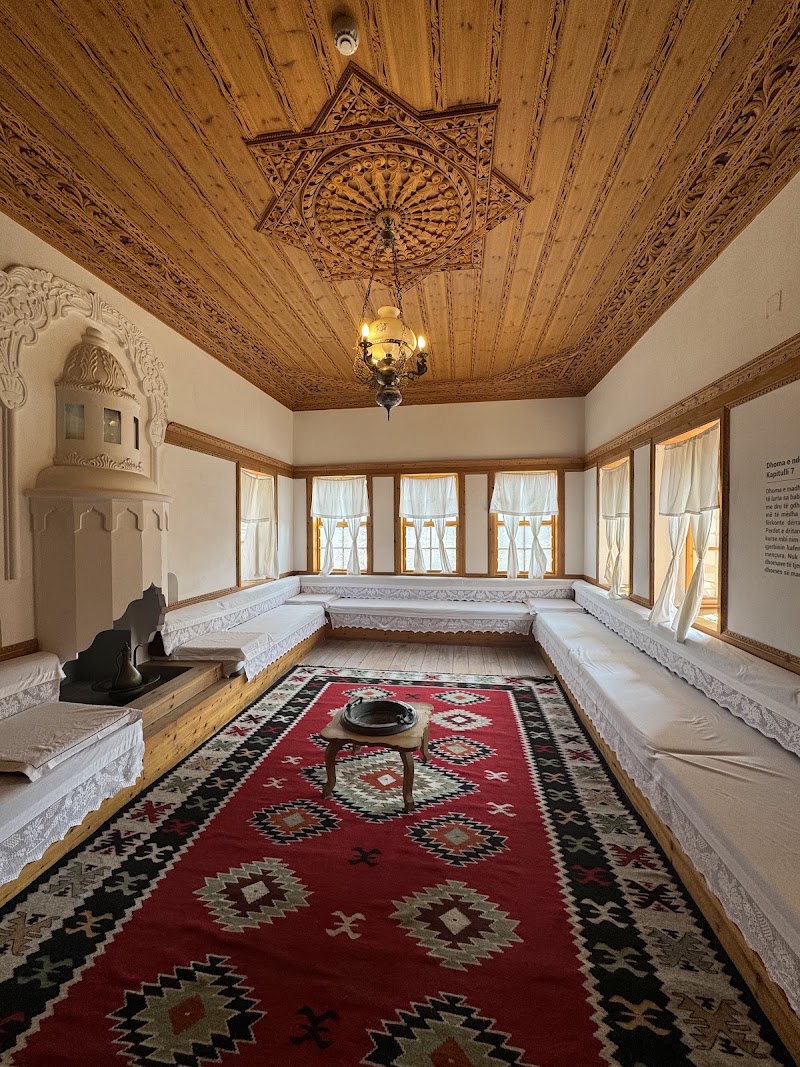
This reconstructed Gjirokastër house offers a reflective introduction to Kadare’s childhood, though reviews question its depth and modern restoration.
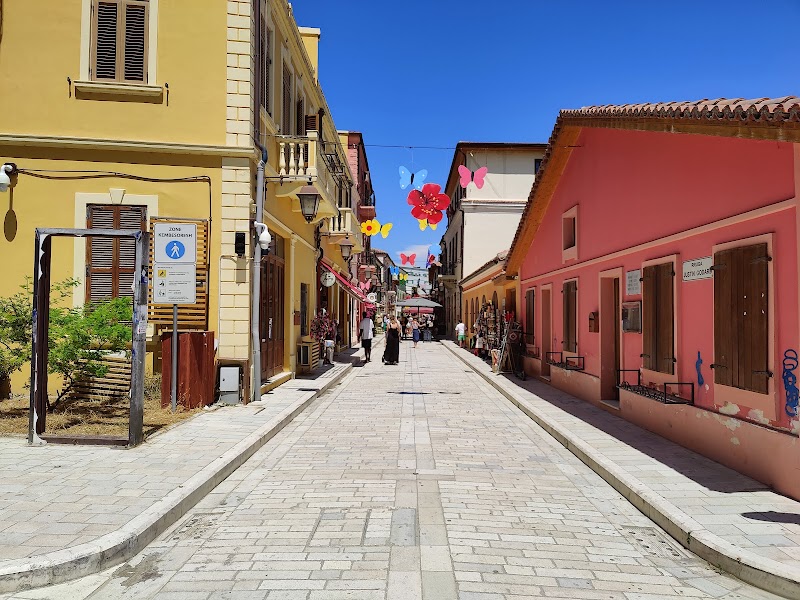
Albania · Vlora
Vlora Old Town: A Compact Quarter for a Leisurely Stroll
Restored façades, pedestrian lanes, cafés and nearby monuments make this small historic quarter a pleasant, if brief, Vlora stop.

Albania · Pojan
Apollonia Archaeological Park: ruins, views and quiet
Ancient ruins, a well-regarded museum and a peaceful hilltop setting make Apollonia one of Albania’s most rewarding historical stops.