Duke Paoa Kahanamoku Statue: Waikīkī Surfing History
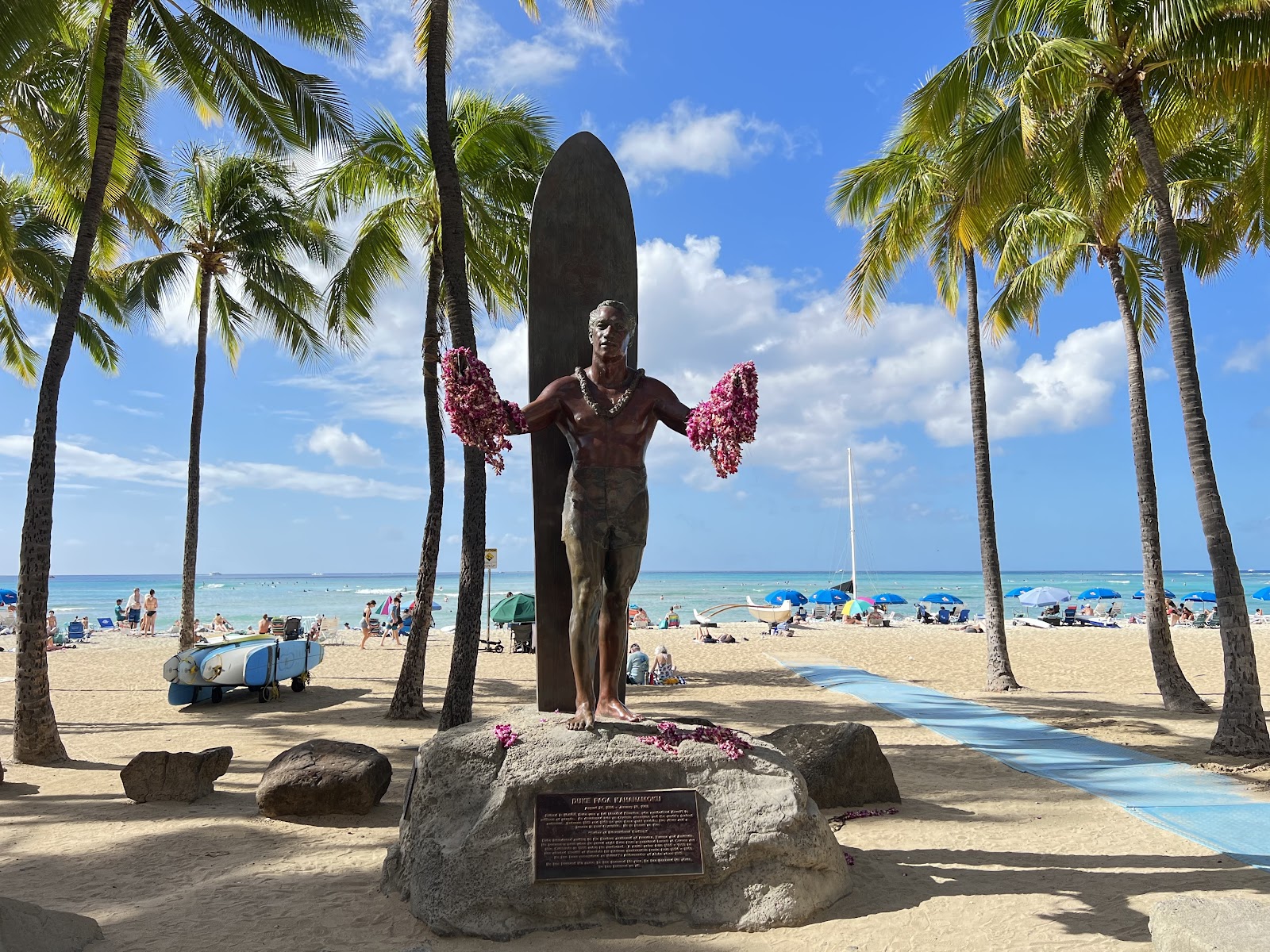
This Honolulu landmark honours the Olympic swimmer and surfing pioneer whose life became closely linked with Hawaiian identity and ocean culture.
More photos
Photos published by travelers on Google, not AI generated.
What stands out
- Tribute to an Olympic swimming champion
- History of surfing’s international growth
- Connection to Hawaiian identity and Aloha spirit
- Historical marker explaining Duke’s legacy
Worth knowing
- Never turn away from the ocean or incoming waves
Don't miss
What comes up most in public reviews
- Read the historical marker
- Learn about Duke’s swimming and surfing legacy
- Reflect on the ocean-safety proverb
- See the tributes left at the statue’s feet
Worth the trip?
Why travellers stop
The Duke Paoa Kahanamoku Statue is both a prominent sculpture and a compact introduction to one of Hawaiʻi’s best-known sporting figures. Its Google listing holds a rating of 4.6 from 4977 reviews, reflecting broad appreciation from travellers interested in surfing, swimming and Native Hawaiian history.
Public reviews consistently identify Duke Kahanamoku as an Olympic swimming champion and an influential ambassador for surfing. Several refer to him as the Father of Modern Surfing or describe his role in introducing the sport to a wider international audience. Reviewers also connect his public image with the Aloha spirit, making the statue more than a simple sporting memorial.
The experience is generally framed as a brief cultural stop rather than a large attraction. Visitors pause to see the sculpture, read the accompanying historical information and reflect on Duke’s influence. One reviewer described leaving a lei at his feet as a gesture of respect.
The history behind the landmark
Reviews tend to focus on the range of Duke’s achievements. He grew up in Waikīkī, excelled as an Olympic swimmer and later became associated around the world with surfing and Hawaiian culture. Travellers frequently come away with a clearer sense of why his name remains so prominent in Honolulu.
The historical marker appears to be an important part of the visit. Reviewers mention learning about Duke’s swimming career, his connection to surfing and the broader way he represented Hawaiʻi internationally. Even travellers already familiar with his name may find useful context here.
One review also highlights the Hawaiian proverb associated with Duke: “Mai Huli`oe I Kokua o Ke Kai,” interpreted there as a warning never to turn one’s back on the ocean. The message has both practical and cultural weight. It cautions against incoming waves while expressing respect for the sea, an idea closely aligned with Duke’s legacy.
What the reviews suggest
The strongest responses come from visitors who take time to read rather than treating the statue solely as a photograph stop. The sculpture has obvious appeal for surfers and swimmers, but reviews suggest that it also works for families, first-time Honolulu visitors and anyone exploring Hawaiian cultural history.
Some travellers incorporate the landmark into a wider sightseeing route. One reviewer reached the area by trolley and praised the views and surrounding businesses seen along the way. That makes the statue easy to consider as one point within a broader Honolulu itinerary rather than the sole focus of an outing.
Verdict
This is a concise but meaningful Honolulu landmark. Its value rests in the story attached to it: an Olympic champion, a major figure in surfing’s international growth and a Hawaiian personality remembered for promoting respect for the ocean. Travellers seeking an elaborate museum experience may find the stop brief, but those prepared to read the marker and consider Duke’s legacy are likely to understand the strong public rating.
Plan the rest of the trip
Ask anything
Looking for somewhere else?
Keep exploring around Honolulu
More from United States
United States
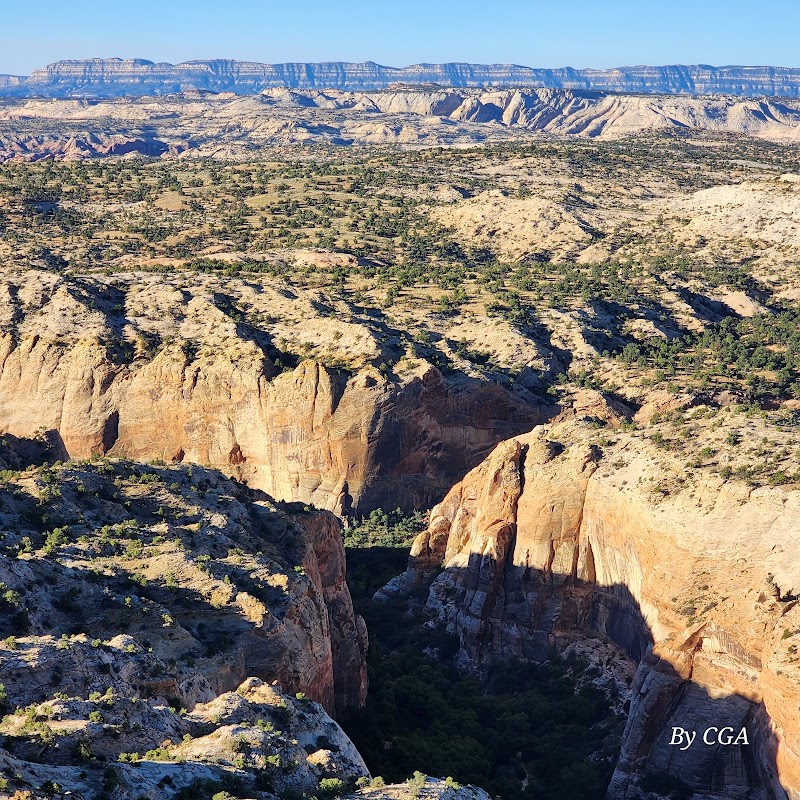
Grand Staircase-Escalante rewards curiosity and self-reliance
Grand Staircase-Escalante National Monument offers vast scenery, quiet dirt roads and unstructured exploration across southern Utah.
United States
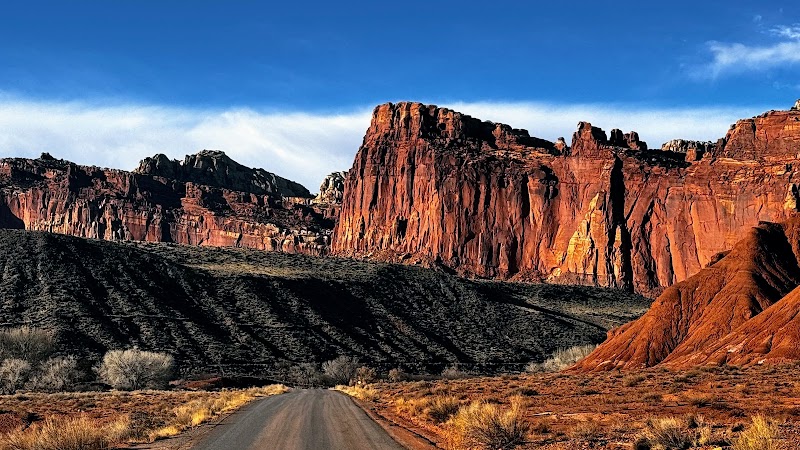
Capitol Reef National Park Rewards Slow, Scenic Exploring
Public reviews highlight Capitol Reef’s manageable hikes, striking drives, Fruita orchards and famously popular pies.
United States
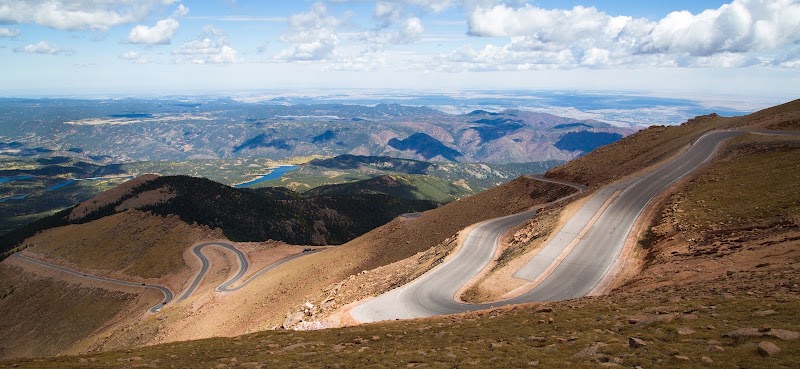
Pikes Peak Delivers Big Views by Road or Railway
Public reviews rate Pikes Peak highly for summit views, scenic driving, cog railway rides and a memorable high-altitude stop.
United States
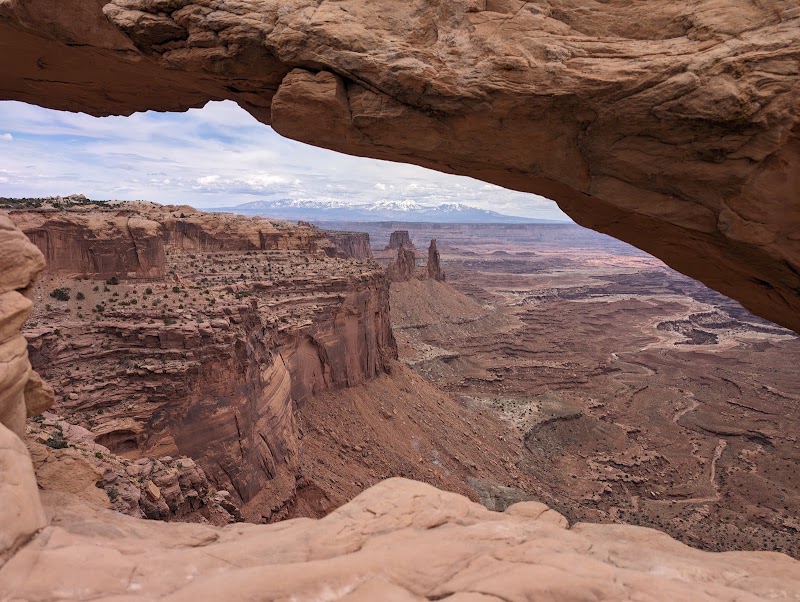
Canyonlands National Park Delivers Huge Desert Views
Public reviews praise Canyonlands for its vast red-rock scenery, panoramic overlooks and memorable walks around the Island in the Sky district.