Dubai Old Village: Creekside walks and traditional design
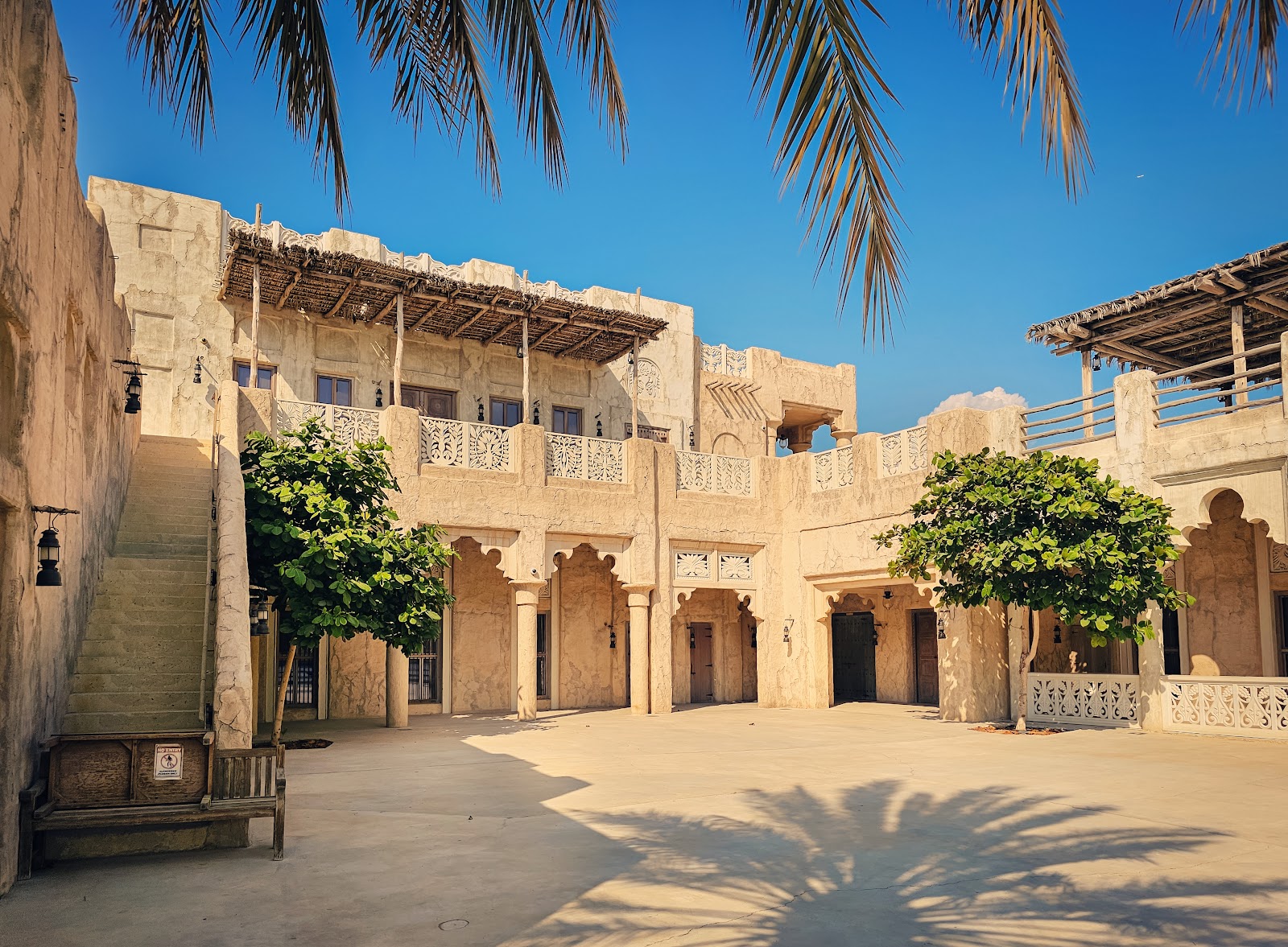
Public reviews praise this atmospheric old-Dubai area for its wind towers, sand-coloured architecture and peaceful walks beside Dubai Creek.
More photos
Photos published by travelers on Google, not AI generated.
What stands out
- Traditional wind towers
- Sand-coloured architecture
- Peaceful narrow streets
- Dubai Creek walks
- Cafés and souvenir shops
Worth knowing
- Area names may blur Al Fahidi and Al Seef
- Moderate tourist crowds are possible
Don't miss
What comes up most in public reviews
- Walk beside Dubai Creek
- Explore the traditional streets
- Photograph the wind towers
Worth the trip?
What public reviews say
Dubai Old Village has a Google rating of 4.6 from 1103 reviews. Much of the praise centres on the traditional architecture, easygoing atmosphere and the sharp contrast with Dubai’s modern skyline. Reviewers often connect the attraction with Al Fahidi and Al Seef, which suggests the name is used for a wider old-Dubai experience, not one clearly defined sight.
Atmosphere comes up most. Visitors write about narrow streets, sand-coloured buildings, restored houses and traditional wind towers. For travellers who know Dubai mainly through its towers, malls and large-scale attractions, many reviews frame this as a useful introduction to the city’s historic character. Calm and peaceful are common descriptions. One account, though, reports moderate visitor numbers and a regular presence of international tourists.
Architecture, culture and photography
The main visual draw is the traditional regional building style. Wind towers appear repeatedly in the feedback, along with textured façades and lanes made for slow wandering. Photographers find plenty of worthwhile corners. Those interested in history and culture tend to value the feeling of seeing an earlier version of Dubai.
One reviewer mentions small museums, galleries and cultural centres inside the restored buildings. Other accounts point to souvenir shops, cafés and restaurants, useful places to stop during a walk. They add a commercial side to the tourist experience, but public feedback gives far more attention to the architecture and ambience than to shopping.
Couples, photographers and visitors looking for a slower outing are often told to consider the village. Reviews suggest it works for a date, a quiet walk or time spent relaxing away from the city’s busier areas. There is no single major monument to tick off. The point is the streetscape, taken at an easy pace.
Walking beside Dubai Creek
Dubai Creek changes the feel of the visit. Reviewers regularly single out the waterfront for longer strolls, where traditional buildings meet open views beside the water. Based on the public feedback, the best approach is to combine the lanes and wind towers with time on the creek promenade.
Public transport gets favourable mentions too. One reviewer notes that bus stops and a metro station are nearby. Another specifically refers to Al Ghubaiba Metro Station. This makes the district practical to pair with other stops in old Dubai, without depending entirely on private transport.
The main caution concerns the name, and what visitors expect from it. Reviews sometimes use Dubai Old Village, Al Fahidi and Al Seef interchangeably, although travellers may regard them as separate areas. Anyone planning a route should check which section they intend to explore. Once there, the advice stays consistent: leave enough time to walk, look closely at the architectural details and carry on beside the creek instead of treating the area as a quick photo stop.
Plan the rest of the trip
Ask anything
Looking for somewhere else?
Keep exploring around Dubai
More from United Arab Emirates
United Arab Emirates · Al Ain
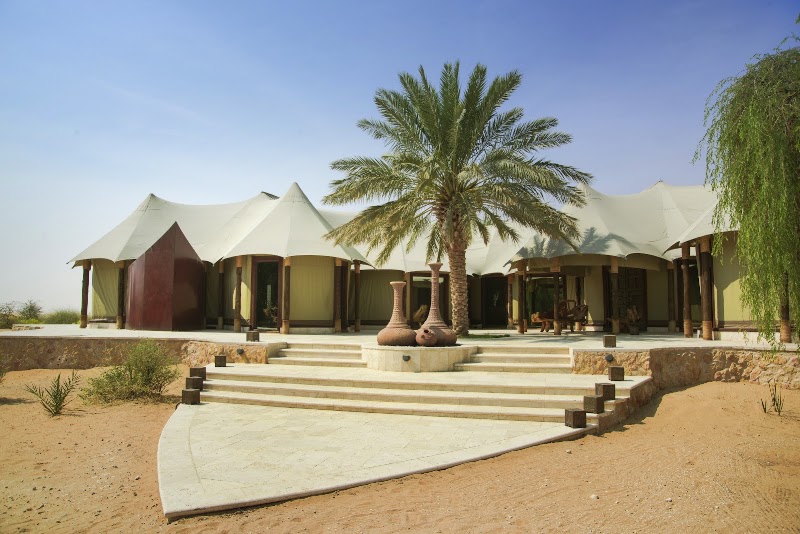
Telal Resort Al Ain: Desert Calm with Uneven Service
Public reviews highlight wildlife, quiet villas and desert experiences, while repeated complaints focus on cooling, room upkeep and management response.
United Arab Emirates · Mzeerʻah
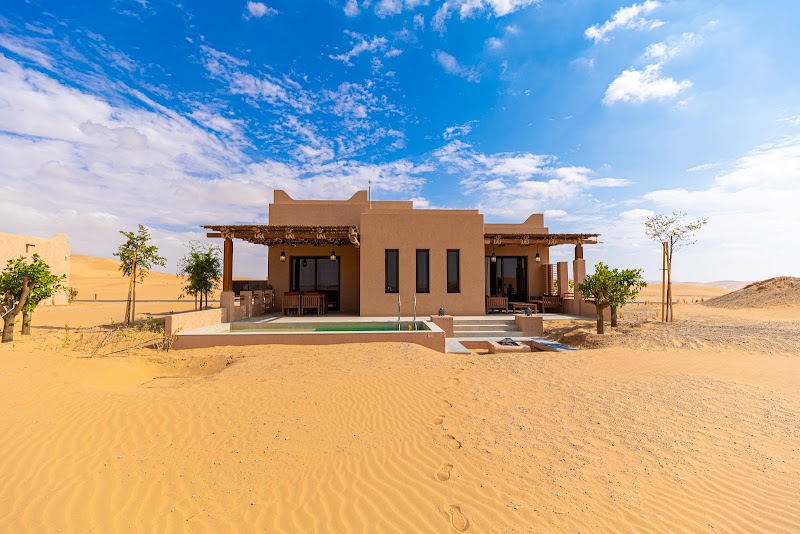
Bab Al Nojoum Bateen Liwa: A Peaceful Family Resort
Public reviews praise this Liwa resort for its polished villas, calm setting and unusually attentive staff.

United Arab Emirates · Abu Dhabi
Bab Al Nojoum Hudayriyat Villas for a Polished Abu Dhabi Stay
Public reviews describe a scenic staycation resort with attentive service, appealing villas and memorable birthday touches.
United Arab Emirates · Abu Dhabi
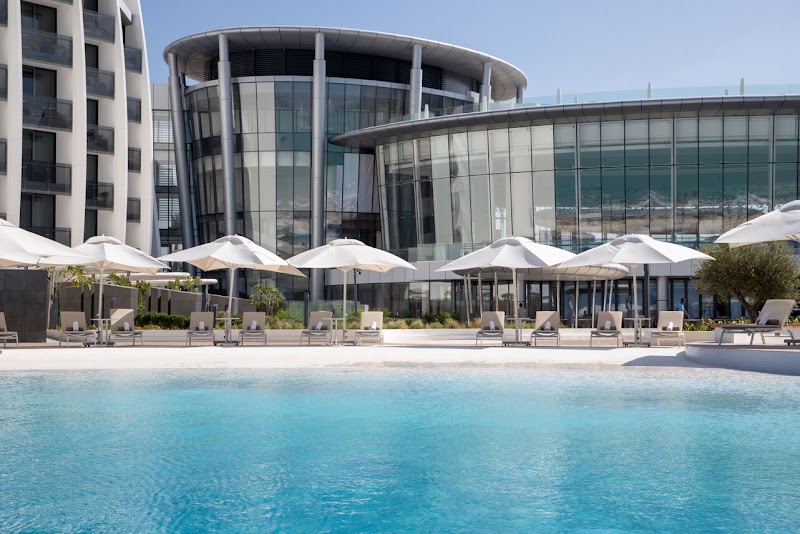
Jumeirah Saadiyat Island: A Polished Beach Resort Stay
Public reviews praise the white-sand beach, spacious rooms and attentive service, while dining and occasional damp smells draw the main criticism.