Dougga: Tunisia’s remarkably complete ancient city
Exceptional preservation, monumental Roman architecture and an open rural setting make Dougga a compelling half-day excursion from Tunis.

More photos



Photos published by travelers on Google, not AI generated.
What stands out
- Exceptionally preserved ancient city layout
- Monumental Capitol and Roman forum
- Theatre, baths, mausoleum and cisterns
- Peaceful countryside setting
Worth knowing
- Uneven ground and some climbing
- The stadium ascent may feel unrewarding
- Rain can limit time spent exploring
Don't miss
What comes up most in public reviews
- The Capitol temple
- The Roman forum
- The ancient theatre
- The baths and cisterns
Worth the trip?
Why Dougga stands out
Public ratings and reviews tell a fairly consistent story about Dougga Archaeological Site. Visitors do not see it as a scattering of unrelated ruins. They see a readable ancient city, with streets, public buildings and monumental architecture still clear on the ground. Its Google rating, 4.8 from 2086 reviews, reflects that enthusiasm. Many reviewers rank it among the finest surviving Roman towns in Tunisia and North Africa.
Ancient Thugga is not tied to a single historical period. Traveller accounts point to Numidian, Punic, Hellenistic and Roman influences, while its UNESCO World Heritage status underlines the site’s wider cultural importance. For anyone drawn to archaeology, urban history or classical architecture, much of the appeal lies in being able to follow the plan of a complete settlement.
The essential monuments
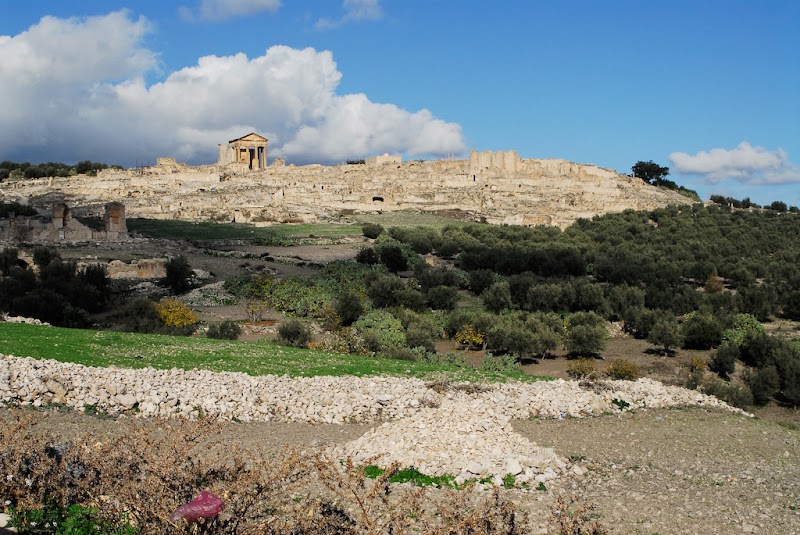
The Capitol dominates both visually and architecturally. Dedicated to Jupiter, Juno and Minerva, it is repeatedly praised for its scale and striking preservation. The surrounding Roman forum matters too, since it shows how civic and religious life fitted together instead of leaving the temple detached from its original context.
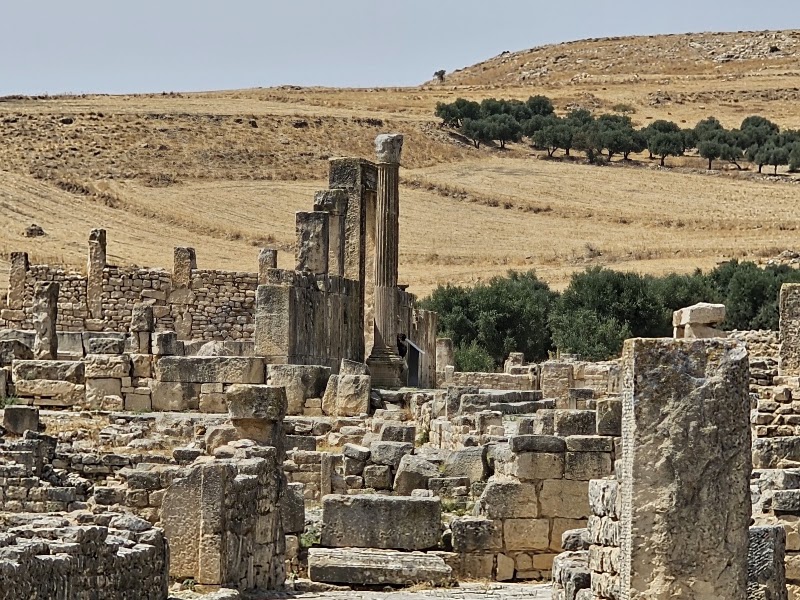
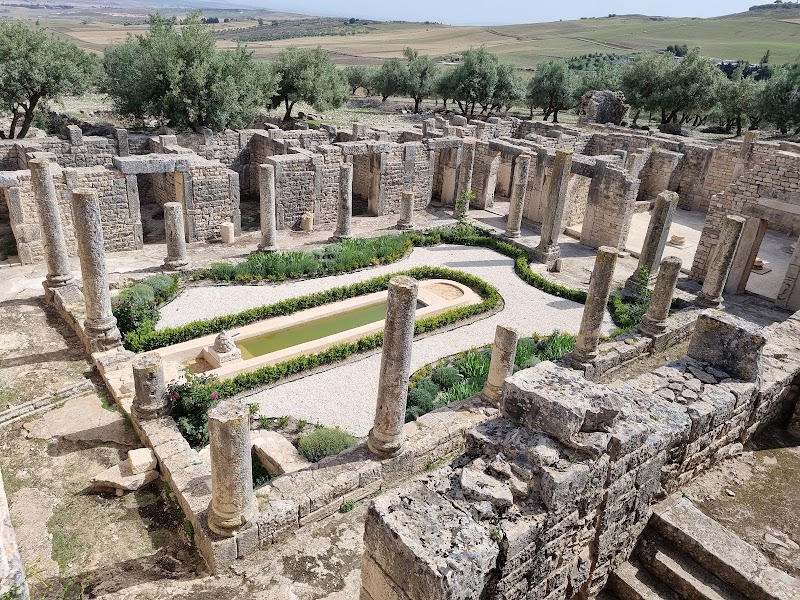
The theatre, baths, mausoleum and cisterns also feature regularly in reviews. They add depth to the visit and give travellers a reason to keep walking beyond the best-known viewpoint. Not every structure has the same grandeur, but taken together, these remains show the town’s practical workings alongside its ceremonial ambitions.
One experienced reviewer had visited more than 100 Roman archaeological sites and still placed Dougga among the most impressive. It is one person’s assessment, but it closely matches the broader enthusiasm running through the public feedback.
Landscape and atmosphere
The setting receives almost as much praise as the ruins themselves. Open countryside creates broad views around the monuments, and the generally peaceful atmosphere lets visitors take in the site without rushing from one highlight to the next. On a clear, sunny day, reviewers find the mix of stone architecture, fields and distant landscape particularly effective.
One account suggests that rain does not necessarily ruin the experience. Even so, dry, bright weather makes several hours of exploration easier. Visitors should expect uneven archaeological ground, plenty of walking and some climbing. One reviewer found that the stadium did not justify the additional ascent, especially when compared with the stronger monuments elsewhere on the site.
Planning the visit
Public feedback most often supports setting aside a half day. One review puts Dougga roughly two hours from the capital, so it works as a day excursion while still leaving several hours for the ruins. Admission is described as budget friendly. Reviews also characterise the surrounding area as safe and welcoming.
A slow circuit works better than a quick stop at the Capitol. Time spent at the forum, theatre, baths, mausoleum and water infrastructure makes the sustained praise for Dougga easier to understand. History-focused travellers may want to stay longer, particularly in good weather, but half a day should be enough to cover the principal remains without making the visit feel like a race.
Ask anything
Looking for somewhere else?
Keep exploring around Téboursouk
More from Tunisia
Tunisia · Ksar Ghilane
Ksar Ghilane: Oasis, Dunes and Roman Remains
A warm spring, Sahara excursions and sunset views make Ksar Ghilane a rewarding stop despite limited transport options.
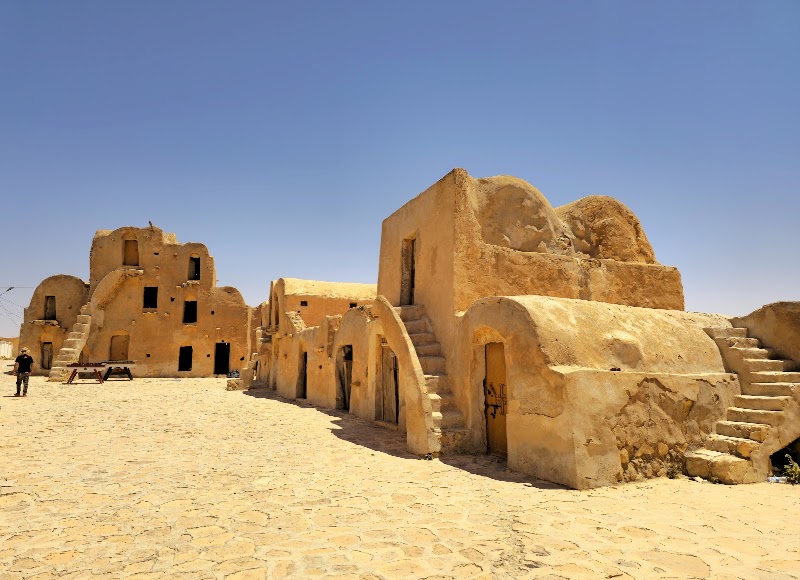
Tunisia · Tataouine
Ksar Ouled Soltane: A Compact, Characterful Landmark
Strong preservation, distinctive architecture and a Star Wars connection make this small Tataouine landmark a rewarding short stop.
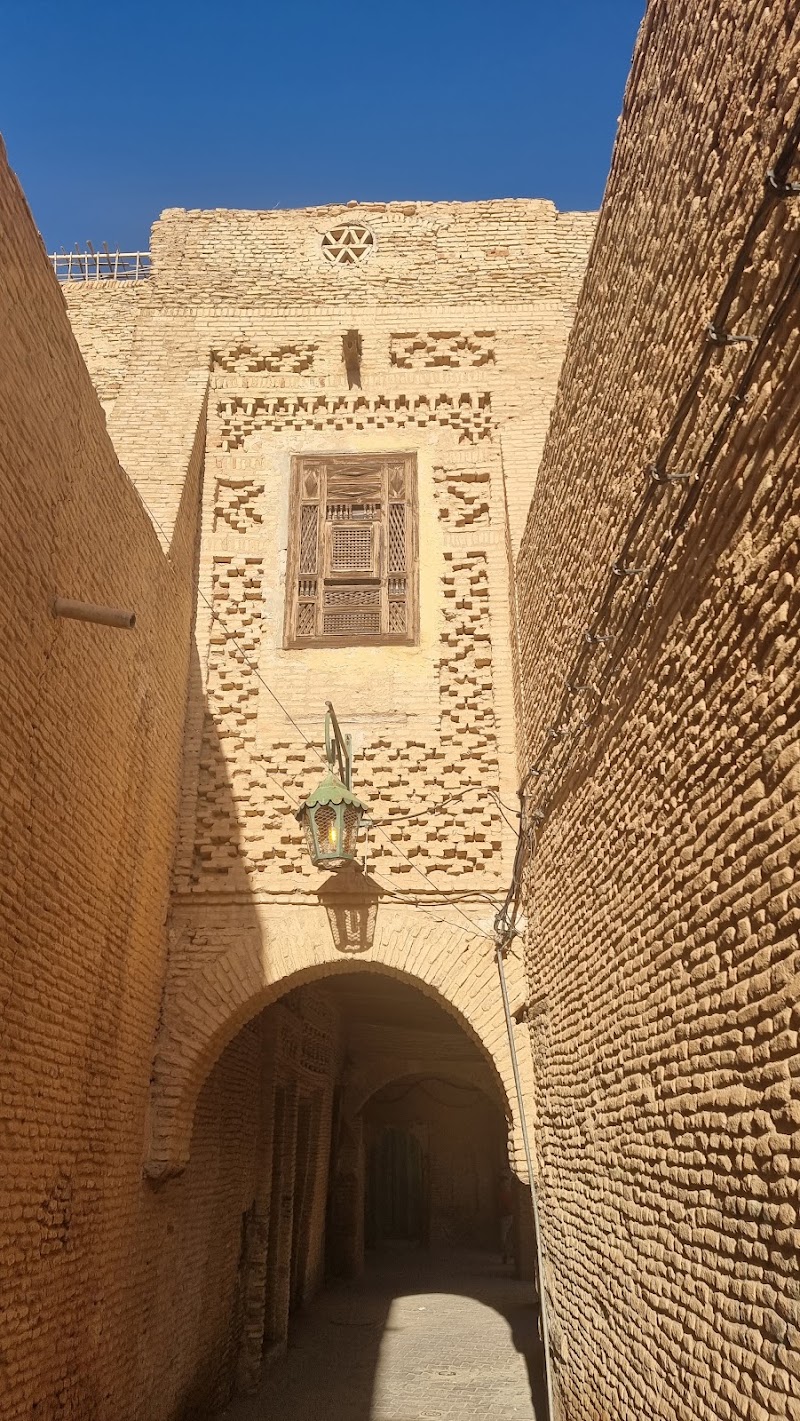
Tunisia · Tozeur
Medina of Tozeur: Brickwork, Alleys and Local Life
Tozeur’s old quarter rewards an unhurried walk with patterned brickwork, traditional doors, small shops and a relaxed residential atmosphere.

Tunisia · Tunis
WildyNess review: Tailored tours across Tunisia
Strong public feedback highlights thoughtful planning, capable guides and flexible itineraries spanning Tunis, southern Tunisia and the Sahara.