Divje Babe Archaeological Park: Cave History and Valley Views
A guided archaeological visit near Cerkno, pairing the cave linked to the Neanderthal flute with a scenic plateau and valley views.
More photos

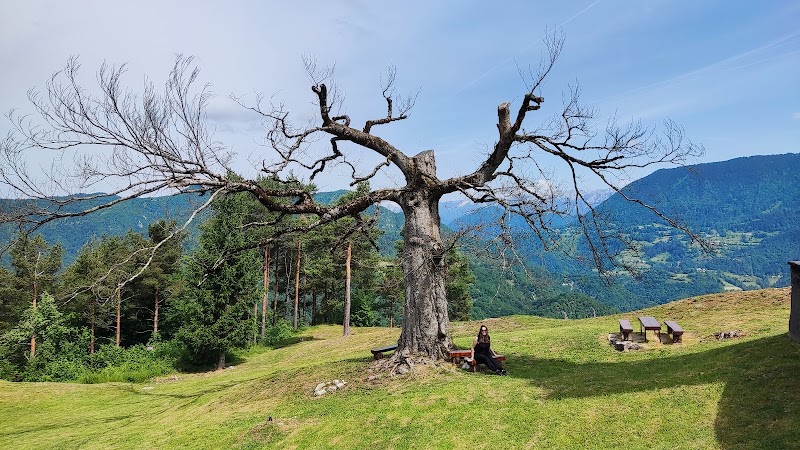
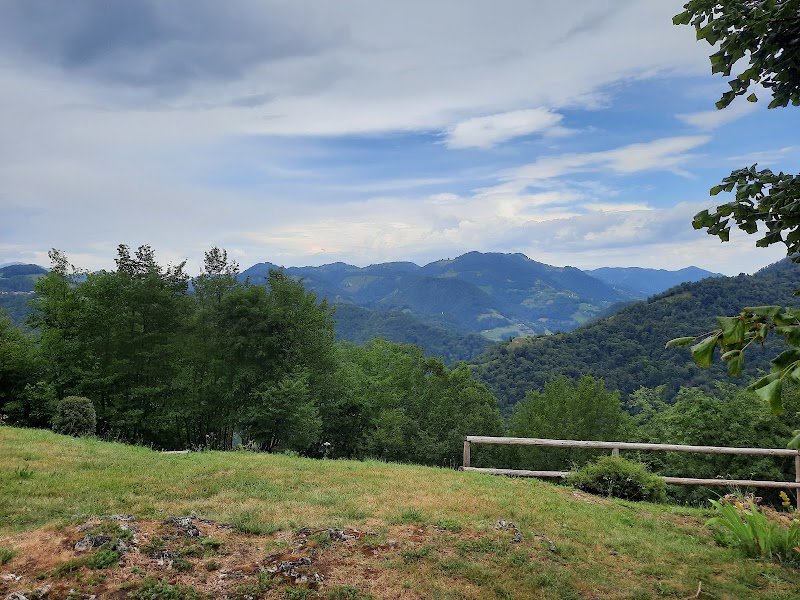
Photos published by travelers on Google, not AI generated.
What stands out
- Guided archaeological interpretation
- Neanderthal flute story
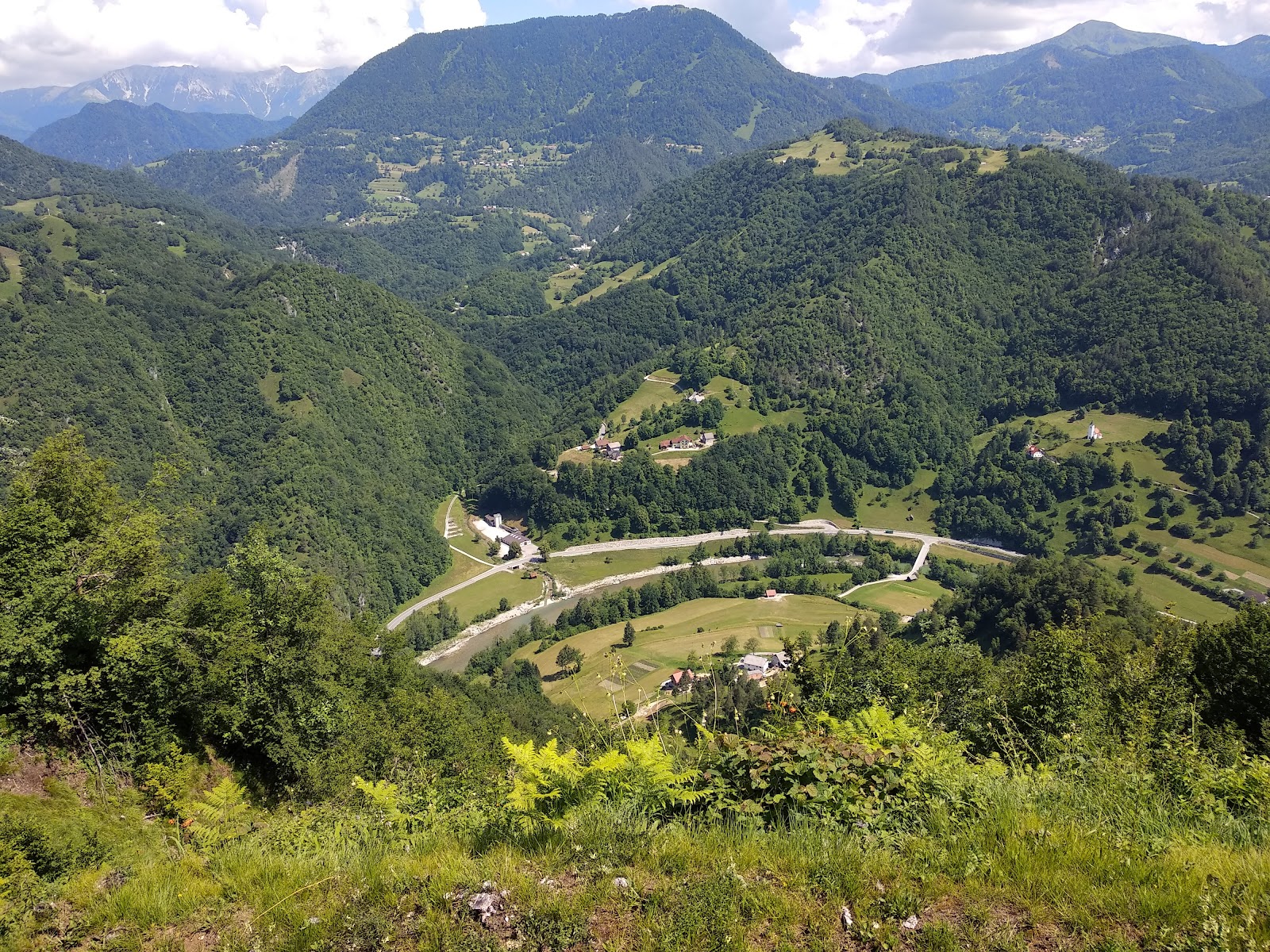
- Views over the valley
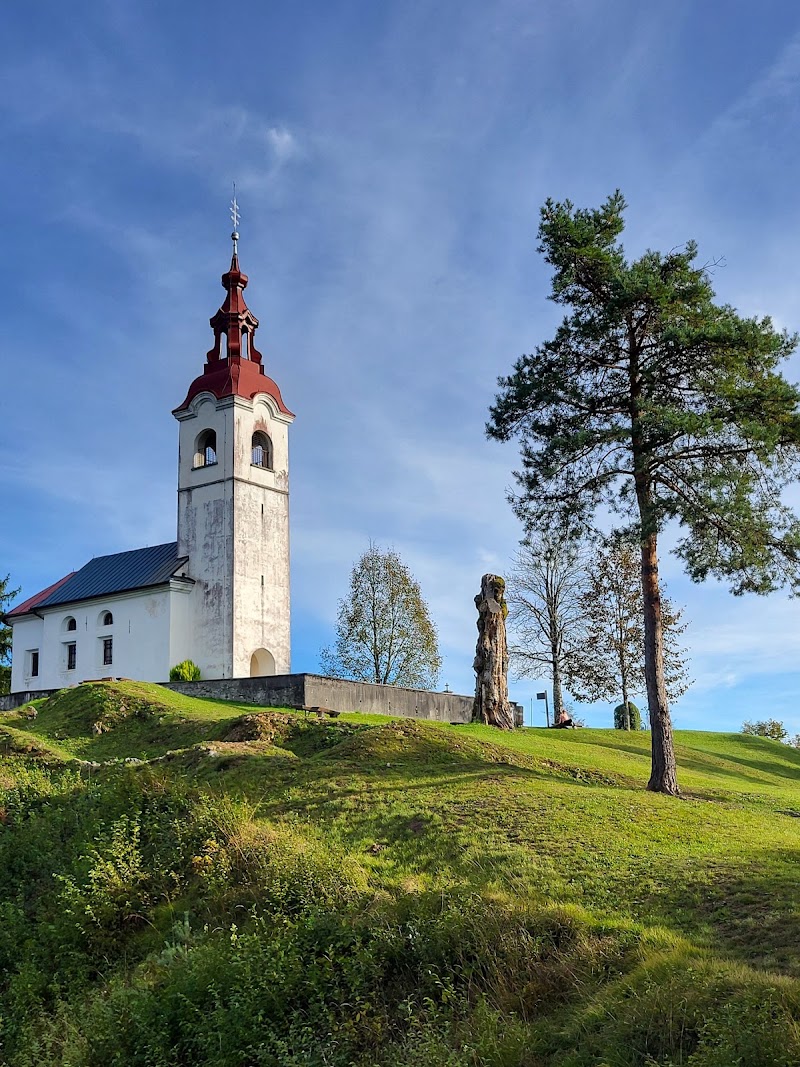
- Church of St. Ivan on the plateau
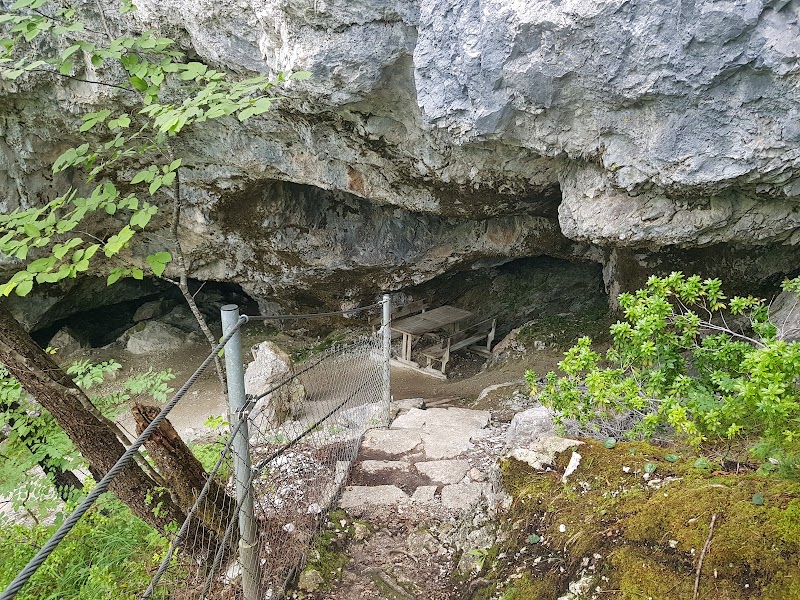
- Cave walk below the church
Worth knowing
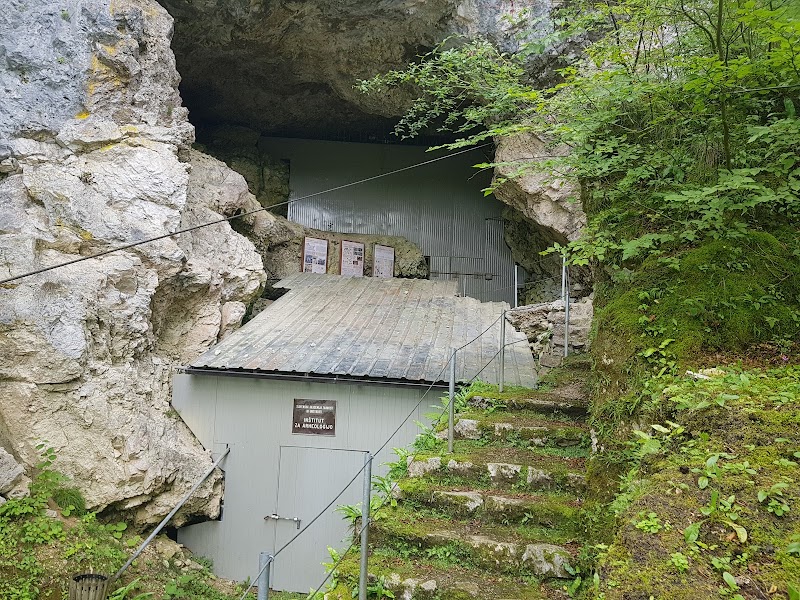
- Key areas may be locked without a guide
- Tour times should be confirmed in advance
- The approach includes walking and slopes
Don't miss
What comes up most in public reviews
- Arrange a guided cave visit
- See the Church of St. Ivan
- Ask about the Neanderthal flute
- Look for the wall projections
- Take in the valley view
Worth the trip?
What public reviews suggest
Divje Babe Archaeological Park holds a Google rating of 4.7 from 120 reviews, with visitors repeatedly praising its combination of archaeology, guided interpretation and mountain scenery. The attraction lies near Reka village and below Šebrelje, with the cave reached from the plateau around the Church of St. Ivan.
The site is best known in the reviews for its association with the Neanderthal flute, described by visitors as possibly the oldest surviving human musical instrument. Reviewers also mention the many animal remains uncovered here, particularly bear bones, and note that research at the site is continuing. This makes Divje Babe more than a straightforward cave visit. Its appeal comes from seeing an active archaeological location while learning how individual finds contribute to a much larger story.
Why the guided visit matters
Guides receive some of the strongest praise. Visitors describe the tour as engaging and knowledgeable, with one review singling out guide Mr Černilogar. This interpretation appears central to the experience, especially because the archaeological area and its wall projections are reportedly locked when no guide is present.
A guided visit therefore seems essential rather than optional. One reviewer reports scheduled tours at 10am on Wednesdays, Saturdays and Sundays during July and August, beginning at the nearby church. The same review recommends contacting the LTO Laufar Cerkno association in advance to arrange or confirm a tour. As schedules and access arrangements can change, checking current details before travelling is prudent, particularly for anyone coming from farther away.
The comments suggest that the guide provides the context needed to understand the flute, animal remains and ongoing research. Without that explanation, the cave alone may not communicate why Divje Babe is considered such an important archaeological location.
Landscape and approach
The setting is a significant part of the visit. Reviews praise the view over the valley and describe the Church of St. Ivan as a scenic landmark on the plateau. From the church area, the cave is reached by a short walk downhill. Another visitor describes parking at Reka and hiking uphill, noting that the cave lies about two kilometres north of the village.
These accounts indicate that the outing involves more effort than arriving at a conventional museum entrance. The walk, slopes and rural location should be considered when planning timing and footwear. In return, the route combines an archaeological destination with open views and a striking hilltop church.
Editorial verdict
Divje Babe is best suited to travellers interested in prehistory, archaeology and guided cultural visits, especially those comfortable adding a short hike to the day. Reviews consistently value the guide, the story of the Neanderthal flute and the valley scenery rather than presenting the cave as a large standalone spectacle.
Its main drawback is access dependence. Visitors arriving outside guided hours may find the key archaeological features closed. With a confirmed tour, however, the park offers a focused and memorable half-day excursion around Cerkno, combining scientific significance, local interpretation and a rewarding plateau setting.
Ask anything
Looking for somewhere else?
Keep exploring around Cerkno
More from Slovenia
Slovenia · Ljubljana
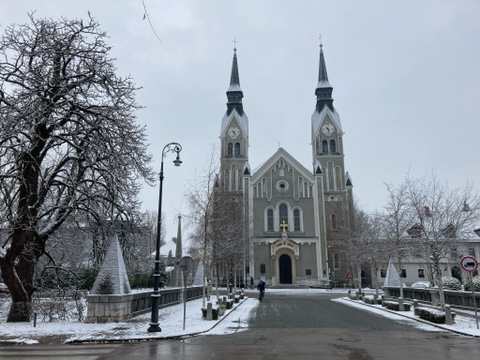
Plečnik’s Trnovo Bridge: Architecture on the Gradaščica
This tree-planted crossing extends Trnovo Church’s square across the river, combining everyday infrastructure with Plečnik’s distinctive civic design.
Slovenia · Miren
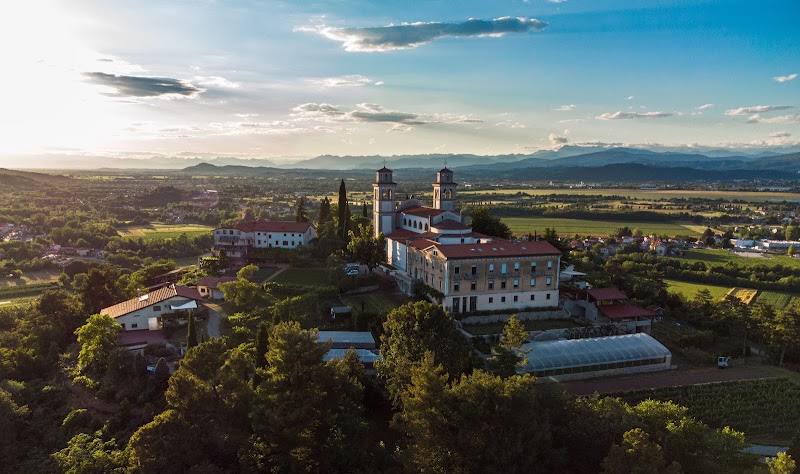
Miren Castle: A Peaceful Church and Valley Viewpoint
Public reviews frame Miren Castle as a tranquil church site valued more for its natural setting and broad views than for castle architecture.
Slovenia · Velike Lašče
Trubar: Slovenian history beside a working mill
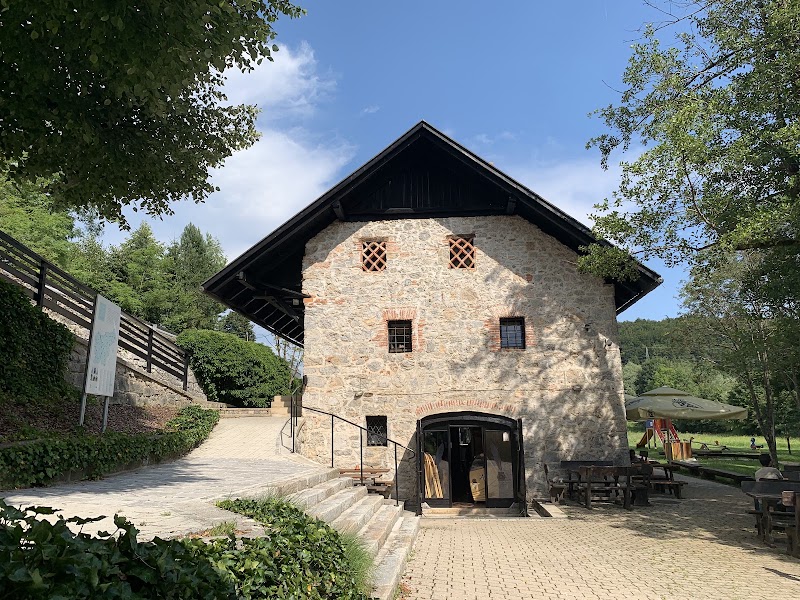
This small museum and riverside homestead combines the story of Primož Trubar with shaded grounds, a cafe-bar and an educational trail.
Slovenia · Šmarješke Toplice
Klevevž Castle: nature and bathing, not castle ruins
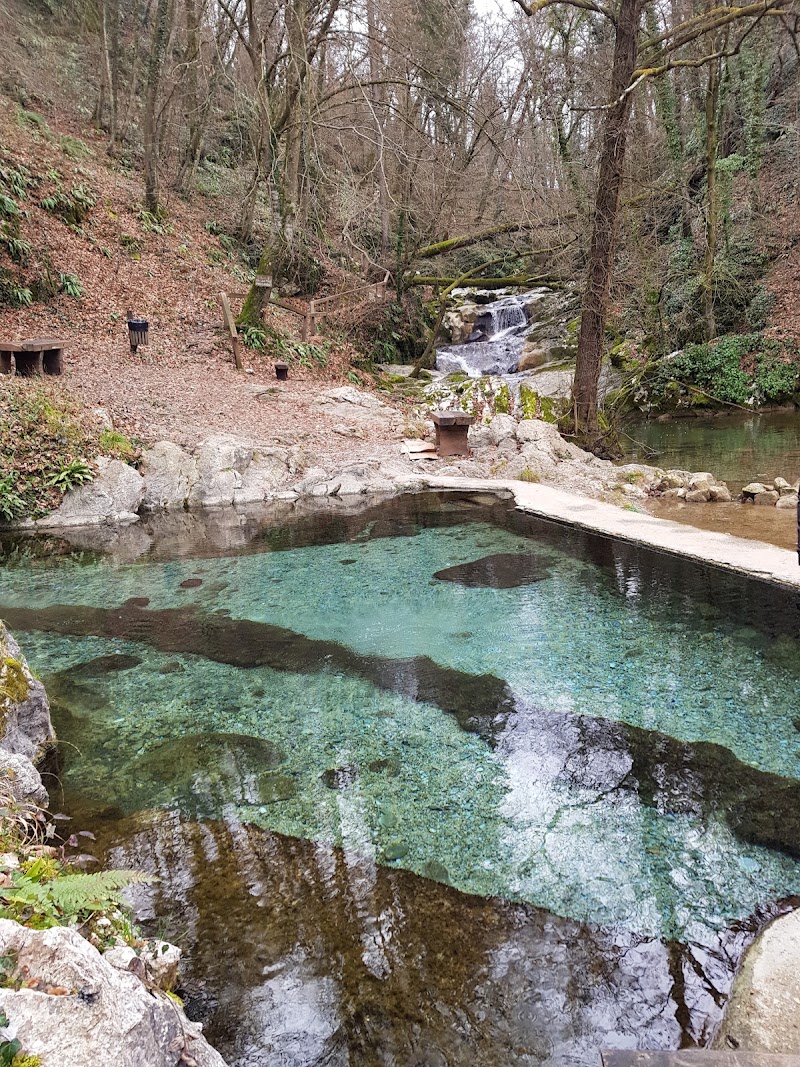
Public reviews favor Klevevž for its scenery and natural bathing pool, while warning that little remains of the castle itself.