Diocletian’s Palace: Roman history in modern Split
Ancient streets, busy squares and everyday city life make this sprawling palace complex the historic and social heart of Split.

More photos

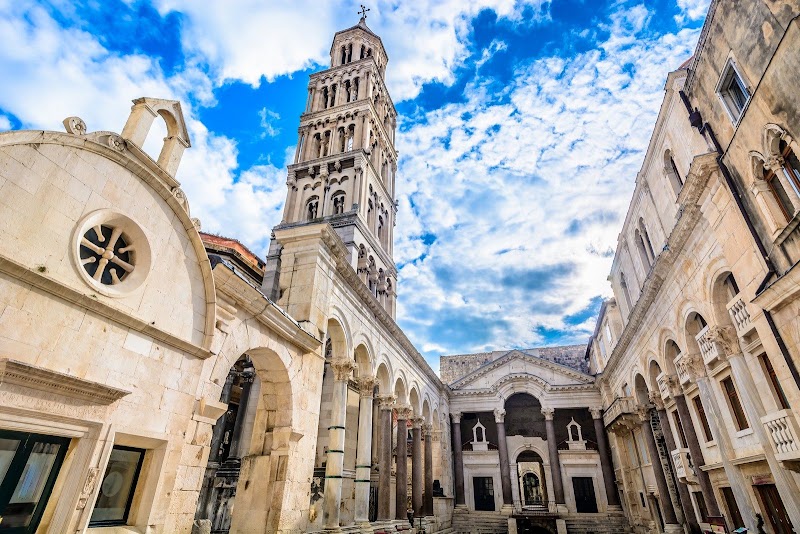

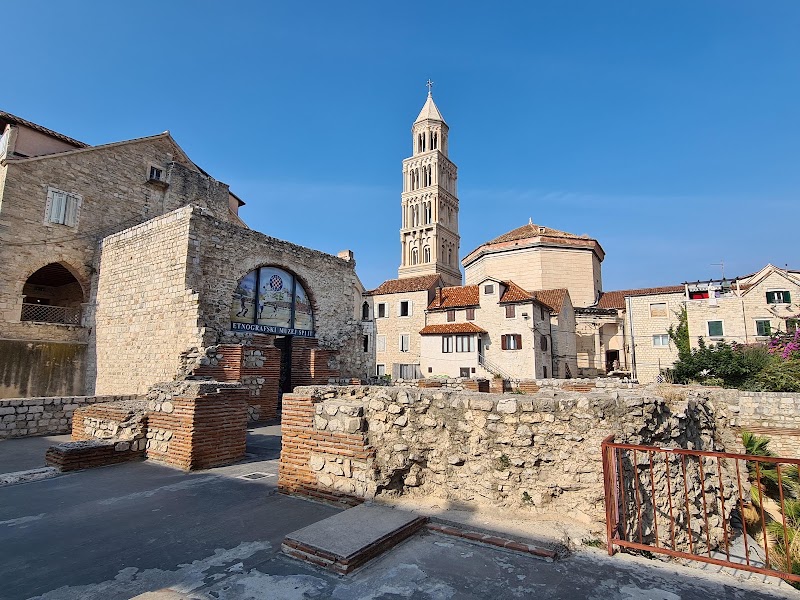


Photos published by travelers on Google, not AI generated.
What stands out
- Ancient stone streets
- Roman structures and preserved architecture
- Lively squares, cafés and shops
- Historic courtyards
- Bell tower views
Worth knowing
- Crowds in the busiest areas
- Pickpocket risk
- Commercial tourist activity
Don't miss
What comes up most in public reviews
- Walk the ancient stone streets
- Explore the historic courtyards
- Climb the bell tower for the view
- Book a local historical walking tour
- Ask about the combined building ticket and guide app
Worth the trip?
A palace that functions as a city centre
Diocletian’s Palace is less a self-contained monument than a historic district woven into central Split. Its ancient stone streets lead between Roman structures, courtyards, squares, cafés, shops and places that remain part of everyday city life. That overlap is the quality most consistently celebrated in public reviews: visitors encounter substantial history without leaving the energy of modern Split behind.
With a Google rating of 4.7 from 92350 reviews, the palace has unusually broad appeal. Travellers interested in Roman history praise its preserved architecture and concentration of historic buildings, while more casual visitors enjoy wandering through the streets, stopping in lively squares and exploring the surrounding restaurants and bars. The waterfront location also makes the area a natural part of a wider day in central Split.
What visitors can expect
The complex rewards unhurried exploration. Reviews repeatedly mention ancient lanes, tucked-away courtyards and architectural details appearing around corners. It does not feel like a museum with one fixed route, so travellers can spend time roaming freely before deciding whether to enter individual historic buildings.
Those seeking more context may benefit from a local walking tour. One reviewer strongly recommended this approach for understanding both the palace and Split’s wider history. Another reported that a combined ticket provided access to five buildings, with an accompanying app functioning as a guidebook. That visitor found the English-language signs helpful and spent about two hours covering the included sites.
The bell tower was a particular favourite in that account, largely for its elevated view. Travellers should allow additional time if they plan to combine interior visits, the tower and breaks in the surrounding cafés.
Atmosphere and timing
The palace is consistently described as lively rather than hushed. Restaurants, bars, shops and vendors fill parts of the area, especially where the historic streets meet Split’s busiest visitor zones. That energy is central to its character, though it can make the complex feel crowded and commercial rather than purely archaeological.
Sunset receives a specific recommendation in the reviews. The softer light suits the old stone and gives visitors an atmospheric time to walk through the streets before the evening activity builds. Those who prefer clearer views of the architecture may find a quieter period more comfortable, while travellers drawn to street life will likely enjoy the busier atmosphere.
Editorial verdict
Synthesised public feedback presents Diocletian’s Palace as Split’s essential landmark, valued as much for its living urban character as for its Roman remains. The strongest experience combines free wandering with some form of historical interpretation, whether through a guided walk, an app or the English-language signs mentioned by one visitor.
Crowds are the principal drawback. One reviewer also warned visitors to remain alert for pickpockets in busy areas. Even with those cautions, the combination of preserved architecture, courtyards, city life and waterfront proximity makes the palace suitable for at least half a day, with longer warranted for multiple building visits and the bell tower.
Ask anything
Looking for somewhere else?
Keep exploring around Split
More from Croatia
Croatia · Split
Red Adventures Croatia: Multi-Island Cycling from Split
Exceptionally positive feedback highlights well-planned cycling routes, reliable bikes and attentive support across the Dalmatian islands.

Croatia · Omiš
DAL MARE ADVENTURES: Canyoning on the Cetina River
Strong reviews make this Omiš operator a compelling choice for guided canyoning, combining waterfalls, abseiling, swimming and rock jumps.
Croatia · Tar
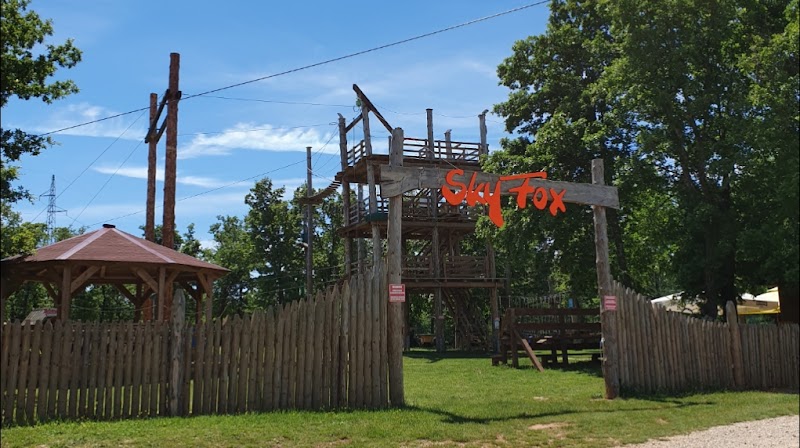
Adventure Park Sky Fox: High Ropes and Family Courses
A well-rated adventure park in Tar with graded high-rope courses, plentiful ziplines and activities suited to children, teenagers and adults.

Croatia · Pula
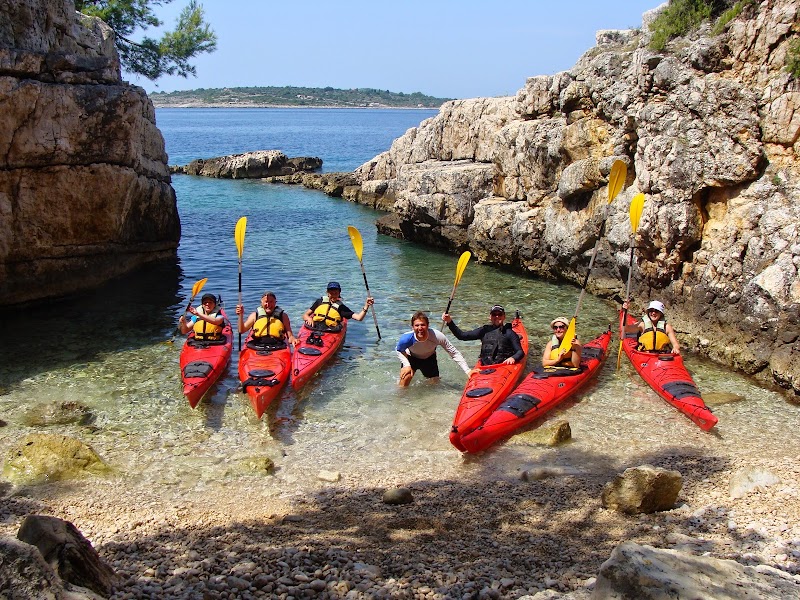
Pula Outdoor Kayak Tours: Cliffs, Caves and Coastal Fun
Strong public feedback points to an upbeat, well-organised paddling experience combining Pula’s coastline with swimming and cliff jumping.