Digya National Park: Ghana’s Rough-Edged Wilderness Escape
Digya National Park rewards travellers who accept difficult access, basic facilities and a genuine sense of wilderness beside Lake Volta.

More photos
Photos published by travelers on Google, not AI generated.
What stands out
- Wildlife watching in a pristine setting
- Boat cruising on Lake Volta
- Tent stays in a remote park
- Forest and savannah landscapes
- A strong sense of wilderness exploration
Worth knowing
- Very rough access roads
- Few tourist facilities
- Unclear arrival procedures
Don't miss
What comes up most in public reviews
- Ask for a ranger’s telephone number at Atebubu
- Arrange the boat or canoe crossing at Kwadjokrom
- Take a boat cruise
- Sleep in a tent
Worth the trip?
Public ratings and traveller reviews give Digya National Park a score of 4 from 60 reviews. The consensus is clear: this is one of Ghana’s more demanding national parks to reach, but also one of its most rewarding for visitors seeking wildlife, open landscapes and a less developed park experience.
The setting
Located in Ghana’s Sene East District near Bompoi, Digya covers roughly 3,475 square kilometres of undulating terrain. Public descriptions place it along the western edge of Lake Volta, with much of the park bordered by water. The landscape shifts between forest and savannah, with grassy areas, scattered trees and some taller emergent vegetation. Sandstone inselbergs are also noted in descriptions of the park.
Several reviews identify Digya as Ghana’s oldest protected area. Its position beside Lake Volta shapes the visit. Access to the main park area involves a canoe or boat crossing, making the journey part of the experience rather than a simple transfer.
What the visit feels like
Digya suits travellers who want adventure tourism and wilderness exploration more than a polished visitor centre. Reviews repeatedly mention wildlife watching, boat cruising and the chance to sleep in tents. One review describes the park as pristine and among Ghana’s strongest places for watching wildlife, while others emphasise the quiet, undeveloped character of the reserve.
The atmosphere is notably different from better-established parks such as Mole. There are very few tourist facilities, and the park’s appeal rests on its scenery, guides, water access and sense of remoteness. It is a place for people who are comfortable with improvisation.
Access and practical planning
The road journey is the main obstacle. Reviews describe poor infrastructure and long stretches of bumpy road. Travellers commonly mention starting at the office in Atebubu, where they can obtain a ranger’s telephone number, then continuing towards Kwadjokrom. The drive from Atebubu to the camp is described as taking roughly 2.5 to 4 hours, depending on the vehicle and driving conditions.
Planning should happen before arrival. Public reviews say information can be unclear, park processes are not always obvious, and visitor facilities remain minimal. A suitable vehicle, patience and direct contact with a ranger are important parts of the preparation. The journey can be uncomfortable, but reviewers consistently say the experience is worth the effort.
Who should go
Digya is best for adventurous travellers, wildlife enthusiasts and visitors who value remote landscapes over convenience. The boat crossing, tent stays and rough approach road all add to the sense of exploration. Travellers expecting established roads, abundant accommodation or a clearly signposted tourism operation may find it frustrating.
For those willing to accept the limitations, the park offers a rare combination of Lake Volta scenery, boat-based access and broad wilderness. The public review pattern is positive, but firmly conditional: Digya works because it feels undeveloped, not despite it.
Plan the rest of the trip
Ask anything
Looking for somewhere else?
Keep exploring around Bompoi
More from Ghana
Ghana · Accra
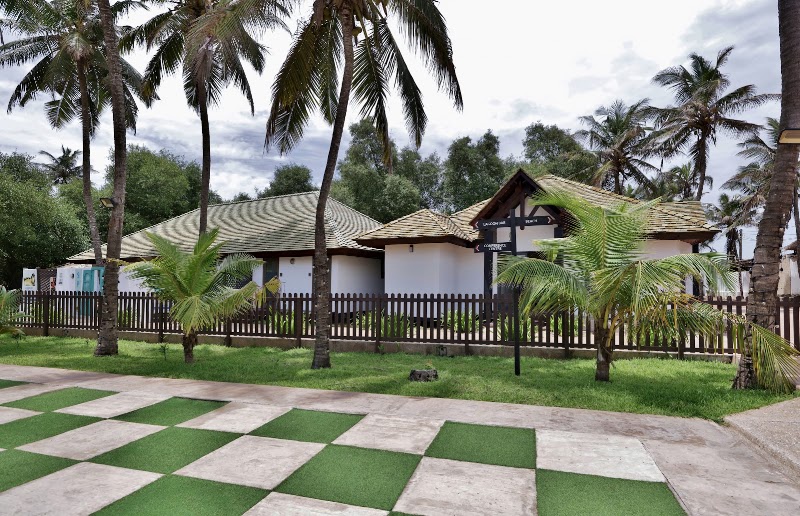
Labadi Beach Hotel: A Strong Accra Base With Uneven Service
Public reviews praise the food, spacious rooms and conference support, while a small but serious set of complaints concerns damp rooms, air conditioning and service lapses.

Ghana · Accra
Kempinski Hotel Gold Coast City Accra Review
Public reviews point to a polished Accra stay with strong service, comfortable rooms, a well-liked spa and a standout evening restaurant.
Ghana · Accra
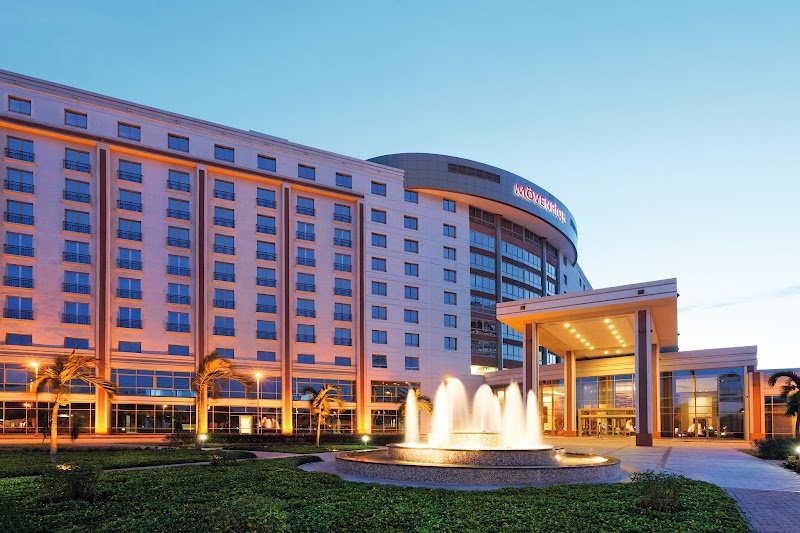
Movenpick Ambassador Hotel Accra: Strong Service, Central Stay
Public reviews praise the hotel’s staff, breakfast, beds and location, while some guests report check-in issues, room concerns and inconsistent hot water.
Ghana · Accra
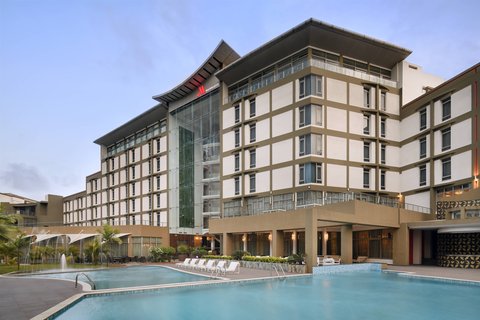
Accra Marriott Hotel: Strong Service Near the Airport
Public reviews praise the welcoming staff and executive lounge, while room upkeep and service recovery draw some criticism.