Dholavira: Harappan Engineering in the Kutch Landscape
Public reviews praise Dholavira for its preserved ruins, sophisticated water systems and unusually clear sense of life more than 4,000 years ago.

More photos
Photos published by travelers on Google, not AI generated.
What stands out
- Preserved Harappan ruins
- Advanced water management system
- Citadel, walls and storage spaces
- Drainage systems and reservoirs
- Serene, introspective atmosphere
Worth knowing
- The site is spread out and requires walking
- A guide fee may feel high to some visitors
- Public reviews do not establish a seasonal best time
Don't miss
What comes up most in public reviews
- Inspect the water reservoirs and drainage systems
- Walk through the citadel ruins
- See the thick city walls and storage spaces
- Ask about hiring a guide
- Visit the museum
Worth the trip?
Why visit Dholavira
Public ratings give the Dholavira Harappan Civilization Archeological Site and Museum a strong 4.6 rating from 1,315 reviews. The appeal is specific: this is a large, legible archaeological site where visitors can see how an urban settlement functioned thousands of years ago.
Reviewers repeatedly describe the experience as fascinating and informative. Several say that walking through Dholavira feels like stepping into a much earlier age. The ruins are not presented as isolated fragments. They reveal a planned settlement with major walls, storage areas, drainage works, reservoirs and spaces identified by visitors as a stadium and citadel.
The setting adds to the mood. Reviews call the site serene and introspective, with enough space to take in the scale of the remains without the feel of a crowded attraction.
The water system is the main story
Dholavira’s water management receives the most consistent attention in the public reviews. Visitors describe reservoirs, filtration, reuse and recycling as evidence of careful planning in a dry environment. The system is what turns the site from an impressive collection of ruins into a lesson in practical engineering.
Reviewers also point to the thickness of the city walls, with one account citing walls around 11 metres thick. Storage spaces and drainage infrastructure help explain how the settlement was organised. The details reward a slower visit. A quick look at the ruins will miss much of what makes the site distinctive.
Some reviews make broader claims about the absence of weapons and conflict. Those comments reflect individual visitor interpretations and should not be treated as a complete archaeological conclusion. The clear takeaway is the sophistication of the settlement’s design.
What the visit feels like
The site is described as well maintained, and one weekday visitor reported no wait. That suggests a quieter experience may be possible outside peak periods, though public reviews do not establish a reliable seasonal pattern.
A guide is worth considering. One reviewer specifically recommends hiring one, while noting that the fee can feel high. Guided context could help visitors understand the citadel, reservoirs, walls and drainage features rather than viewing them as disconnected remains.
The museum and archaeological area work best for visitors who enjoy walking, observation and historical interpretation. This is not a quick photo stop. The scale of the settlement asks for time.
Planning the wider outing
Dholavira can anchor a broader visit to the Kutch region. One reviewer says the trip prompted visits to Bhuj, Dhordo, Khadir Bet and the road known as Road to Heaven. Those places are not substitutes for the archaeological site, but they show how Dholavira can fit into a wider regional itinerary.
The strongest reason to go is the combination of preservation and explanation. Visitors can stand among the remains while tracing a story of urban planning, water scarcity and adaptation. For anyone interested in the Harappan civilization, the public reviews are consistent: Dholavira is worth the journey.
Plan the rest of the trip
Ask anything
Looking for somewhere else?
Keep exploring around Dholavira
More from India
India · Kumbhalgarh
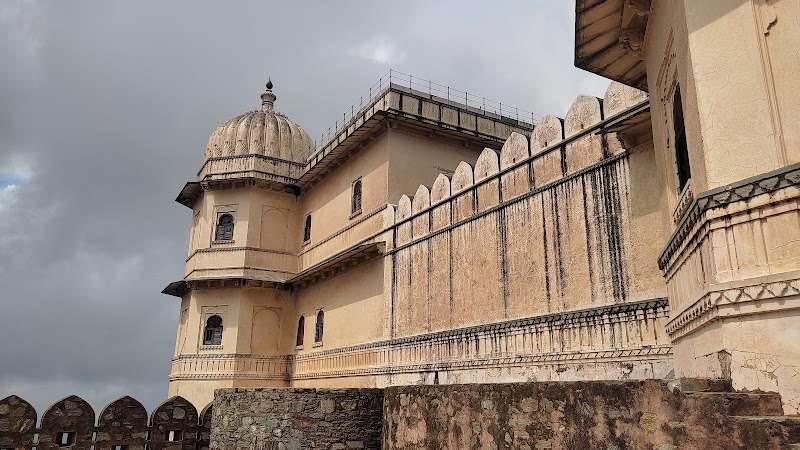
Badal Mahal, Kumbhalgarh’s High Point for Fort and Hill Views
At the top of Kumbhalgarh Fort, Badal Mahal combines historic architecture, painted interiors and sweeping views across the Aravalli Hills.
India · Jaipur
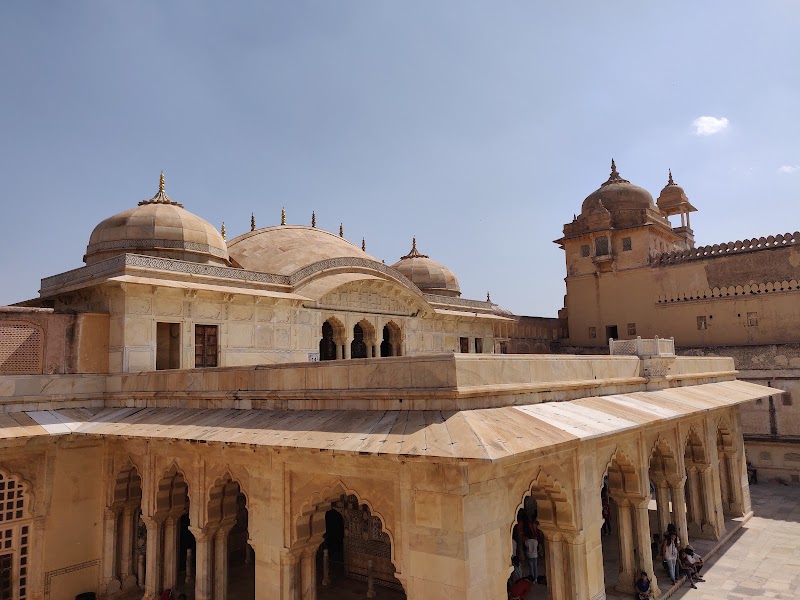
Sheesh Mahal, Amer Fort: Jaipur’s Mirror Palace
Inside Amer Fort, Sheesh Mahal draws visitors for its intricate mirror work, floral patterns and striking optical effects.
India · Bagani
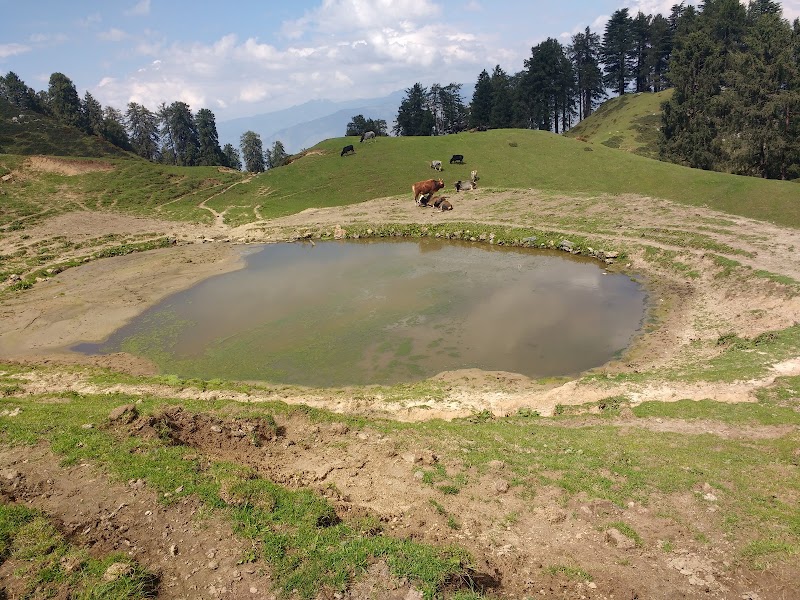
Budher Caves: A Rough Trek to a Quiet Mountain Retreat
Budher Caves rewards prepared hikers with forest trails, open mountain views and a cave system near Moila Top.

India · Agalgre
Wari Chora: Meghalaya’s Demanding River Canyon Escape
Public reviews give Wari Chora a 4.6 rating from 838 reviews, praising its canyon scenery while warning that reaching it takes planning.