Dambulla Rock Inscription and the Wider Cave Complex
Strong reviews praise Dambulla’s caves, paintings and Buddha statues, though they offer little detail about the rock inscription itself.
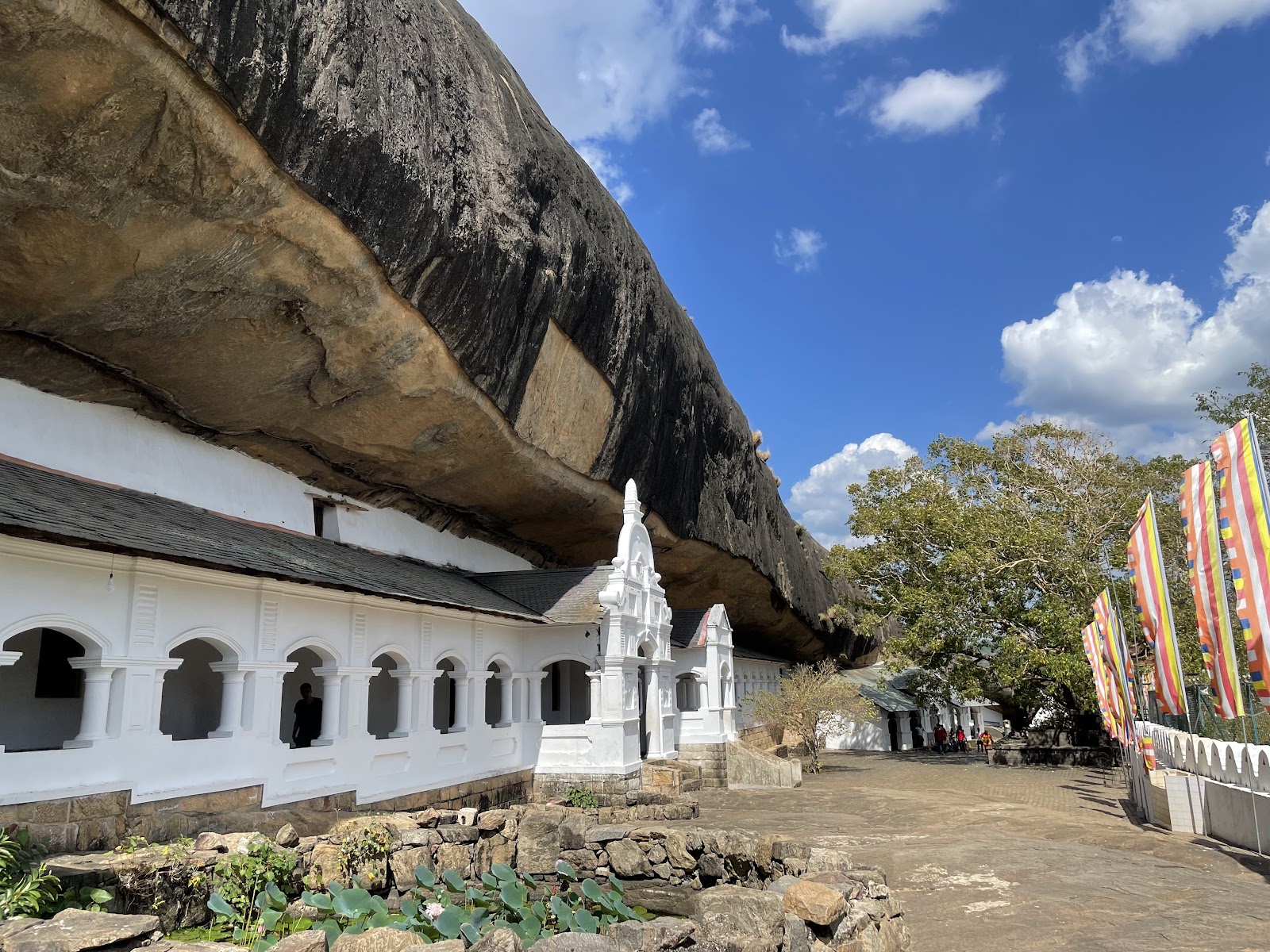
More photos

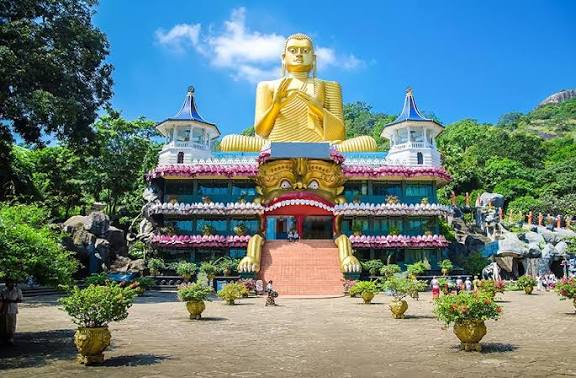
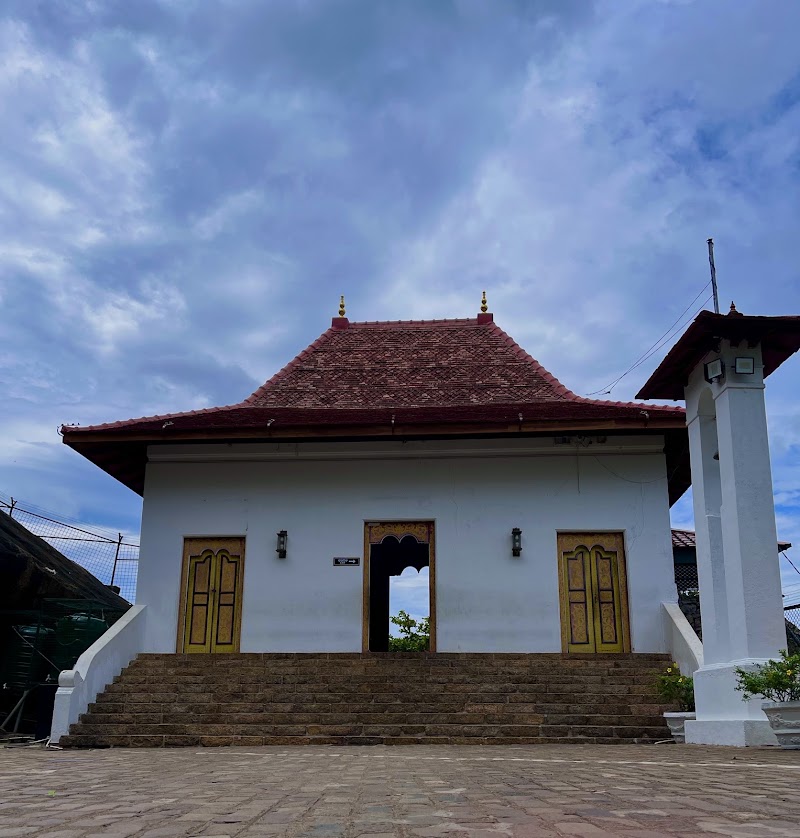
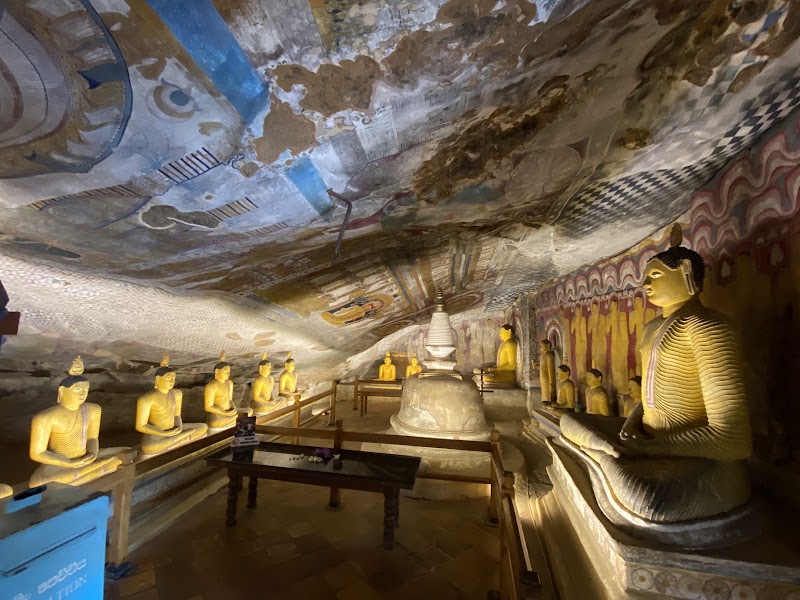
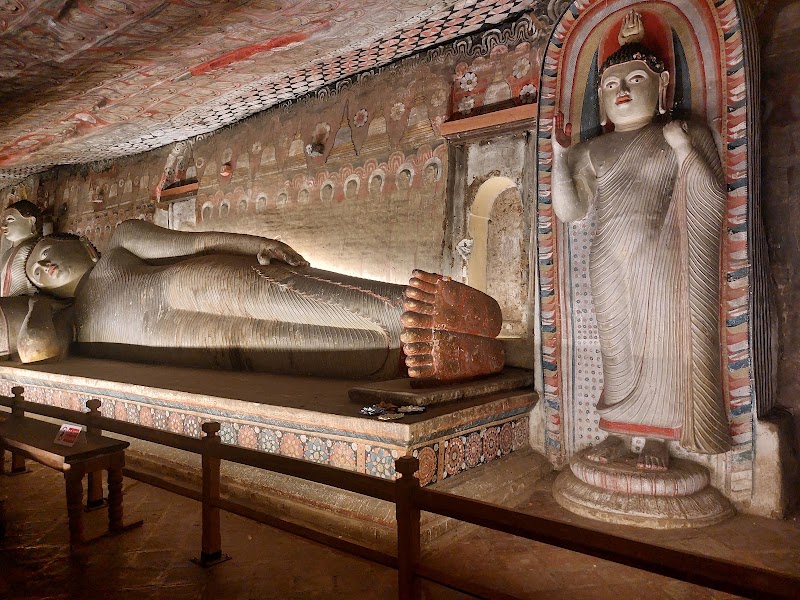
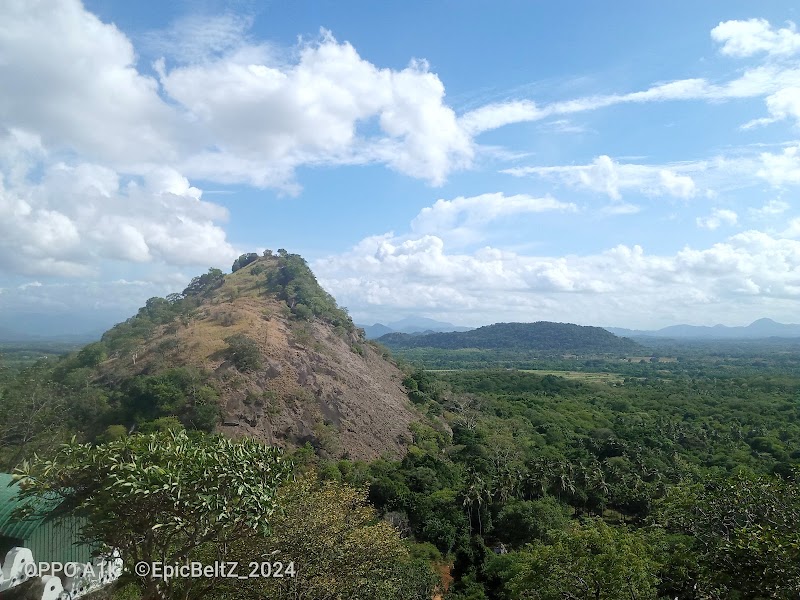
Photos published by travelers on Google, not AI generated.
What stands out
- Five rock caves
- Ancient ceiling paintings
- Reclining Buddha statue
- Views from the upper level
Worth knowing
- Steep climb of roughly 350 steps
- Shoulders and legs must be covered
- Reviews give little detail about the inscription
Don't miss
What comes up most in public reviews
- The five cave shrines
- Painted cave ceilings
- Buddha statues in varied postures
- The massive reclining Buddha
Worth the trip?
What the reviews actually cover
Dambulu Rock Inscription holds a Google rating of 4.5 from 111 reviews, but the available comments largely describe the broader Rangiri Dambulla Cave Temple experience. Travellers repeatedly focus on the climb, five caves, Buddhist statues, ceiling paintings and views from the rock. They provide little specific information about the inscription, including its precise position, script or historical meaning.
That distinction matters. Anyone coming primarily to study the inscription may find the listing less informative than its strong rating suggests. For general visitors, however, the reviews present the surrounding cave complex as one of Dambulla’s most rewarding historical sights. Its religious setting, rock-cut spaces and large collection of painted surfaces and statues provide the main reasons to visit.
Caves, paintings and statues
The cave interiors receive the most consistent praise. Reviewers describe several Buddha statues in different postures, with the massive reclining Buddha singled out as particularly memorable. Painted ceilings are another recurring highlight. Visitors commonly regard the combination of sculpture, murals and natural rock chambers as the defining feature of the site.
The complex is also identified in reviews as a UNESCO World Heritage Site. Some travellers recommend hiring a guide, particularly for those who want historical and religious context rather than simply walking through the caves. Given the limited review detail about the inscription, a knowledgeable guide may also be the best way to identify it and understand how it relates to the wider temple complex.
The climb and practicalities
Reaching the caves involves a steep ascent. One reviewer counted roughly 350 steps, while others simply described the climb as demanding but worthwhile. The descent may feel easier, though uneven rock and steps still call for care. The views from the upper level add another reward once the climb is complete.
Clothing rules feature prominently in the feedback. As this is an active religious site, shoulders and legs should be covered. Long trousers or other clothing extending below the knees can prevent the inconvenience of needing an additional wrap at the entrance. A hat may help during the exposed climb, but visitors should expect to remove headwear when entering sacred areas.
Editorial verdict
Synthesised review sentiment is strongly positive for the cave temple as a whole. The ancient paintings, Buddha figures and unusual rock setting appear to justify the physical effort for most visitors. It suits travellers interested in Buddhist art, Sri Lankan history and major Cultural Triangle landmarks.
The main reservation is one of listing clarity. The reviews do not establish whether visitors are finding, examining or even noticing the Dambulu Rock Inscription as a separate feature. Those seeking that specific landmark should arrive prepared to ask temple staff or a guide where it is located. For everyone else, the caves and their interiors are clearly the dominant attraction and merit half a day at an unhurried pace.
Ask anything
Looking for somewhere else?
Keep exploring around Dambulla
More from Sri Lanka
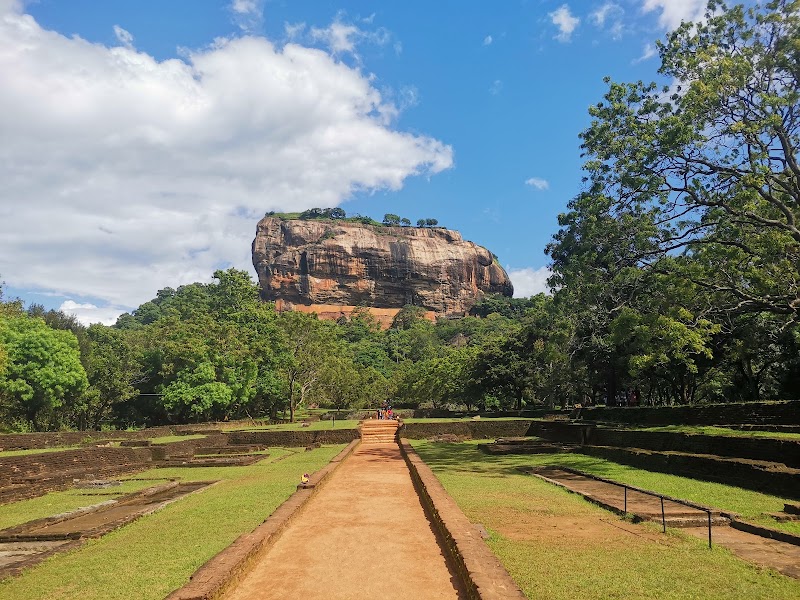
Sri Lanka · Sigiriya
Preaching Rock: Elevated Views Across Sigiriya
Travellers praise the rewarding climb and broad views, while warning that heat, crowds and bottlenecks can complicate the experience.
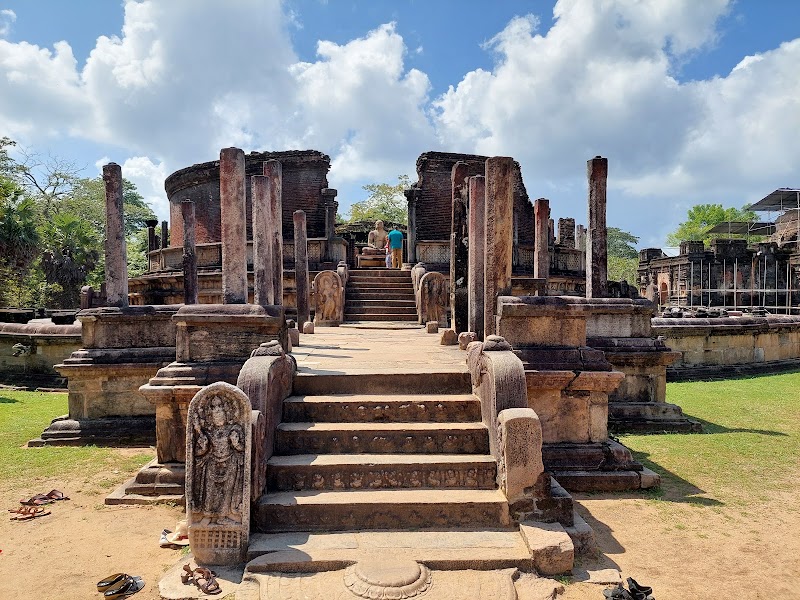
Sri Lanka · Polonnaruwa
Vatadage: Polonnaruwa’s Refined Circular Relic House
Intricate carvings, balanced architecture and serene Buddha statues make the Vatadage a standout within Polonnaruwa’s ancient city.
Sri Lanka · Polonnaruwa
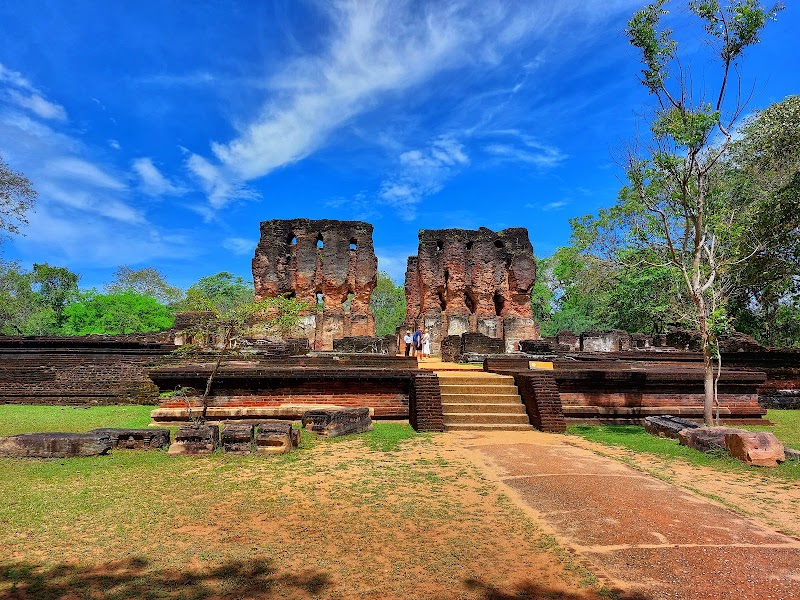
Royal Palace of King Parakramabahu: Monumental Ruins
Massive brick walls and traces of timber construction reveal the scale of this ancient royal complex in Polonnaruwa.
Sri Lanka · Nissankamallapura
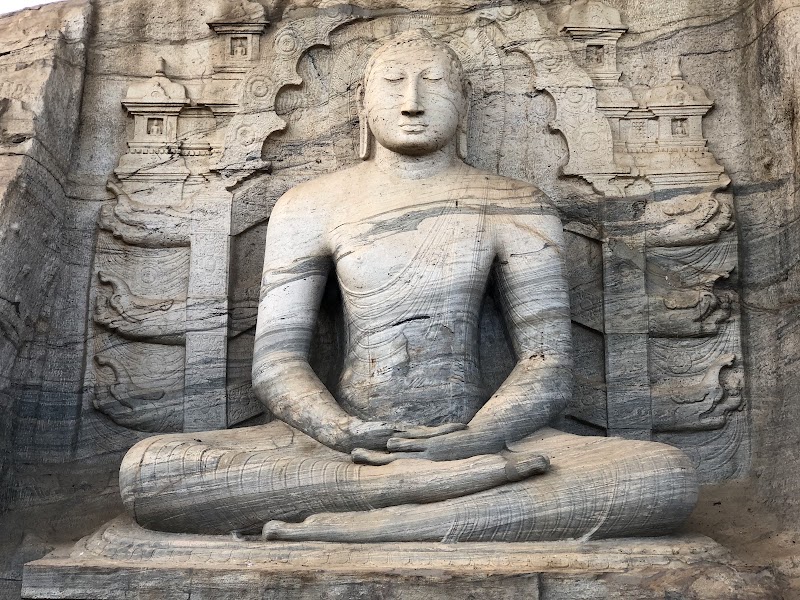
Gal Viharaya: Polonnaruwa’s Monumental Rock-Cut Buddhas
Four Buddha figures carved into granite make this sacred Polonnaruwa landmark a compelling stop for history, art and Buddhist culture.