Dambulla Cave Temple: Ancient Art Above the City
Five sacred caves, vivid murals and scores of Buddha statues reward the steep climb to this landmark in Sri Lanka’s Cultural Triangle.
More photos
Photos published by travelers on Google, not AI generated.
What stands out
- Five sacred cave temples
- Ancient murals and ceiling frescoes
- Extensive collection of Buddha statues
- Panoramic views after the climb
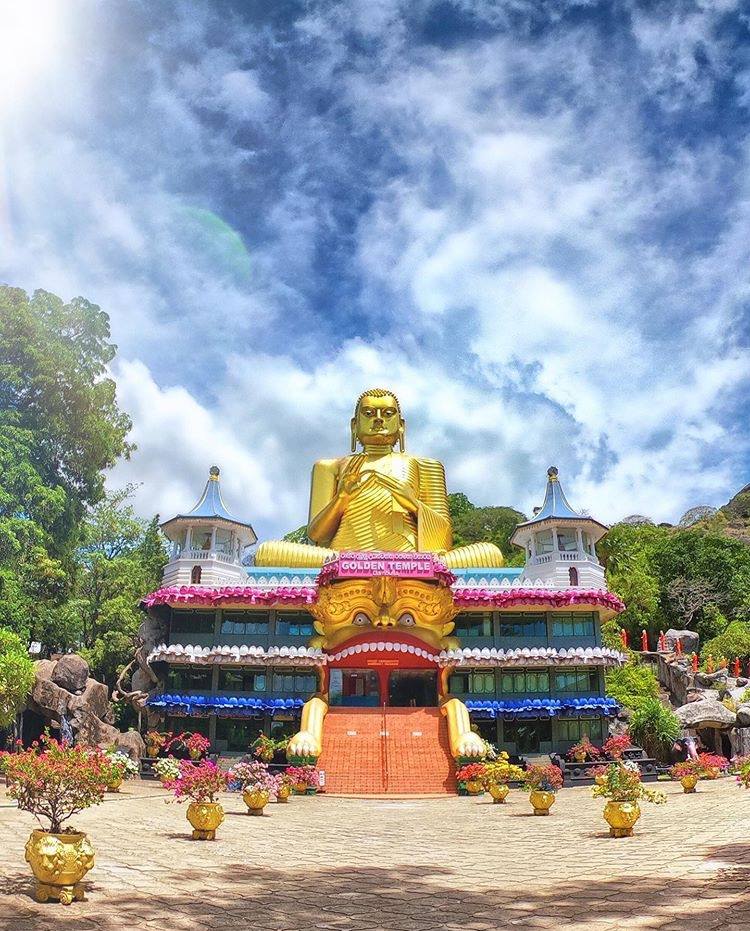
- Huge golden Buddha statue
Worth knowing
- Steep, uneven rock-cut steps
- Buy cave-temple tickets at the main gate
Don't miss
What comes up most in public reviews
- Explore all five sacred caves
- Study the painted ceilings and murals
- See the Buddha statues, deities and royal figures
- View the huge golden Buddha below
- Pause for the panoramic views
Worth the trip?
What the reviews say
Dambulla Cave Temple has a Google rating of 4.5 from 16625 reviews. Across that public feedback, travellers praise the ancient art and religious importance, as well as the views from above the city. Most treat it as a worthwhile stop in Sri Lanka’s Cultural Triangle, not just a quick roadside attraction.
The site is also known as Dambulla Raja Maha Vihara and the Golden Temple. Reviews refer to its UNESCO World Heritage Site status and a history stretching back more than 2,000 years. It draws plenty of tourists, yet many visitors still describe the atmosphere as peaceful and spiritual.
Inside the cave complex
Five sacred caves, cut into a large rock formation, make up the main attraction. Reviewers note the sheer number of Buddha statues and the variety among them, with figures of deities and kings also present. The painted interiors draw the strongest reactions. Colourful ceiling frescoes and intricate murals extend across broad areas of the caves, filling each chamber with dense detail.
Their preservation comes up often in reviews. Visitors find the paintings and statues remarkably impressive for their age, and the wider complex is generally described as clean and well maintained. These are caves best explored without hurrying, especially by travellers interested in Buddhist heritage, Sri Lankan history or religious art. Little prior knowledge is needed to appreciate the scale of the work or how much decoration has been fitted into the chambers.
The climb and lower temple area
The route to the caves follows old rock-cut steps uphill. Some stretches are steep and uneven, reviewers warn, which can make the ascent difficult for anyone with limited mobility. Still, the climb is more than the route in. Public feedback regularly picks out the panoramic views from the upper level as a highlight of the visit.
Below, a huge golden Buddha statue stands in sharp contrast to the much older cave interiors overhead. Reviews also mention the surrounding greenery and the serene feel of the lower area. With the temple beside the main Kandy–Jaffna highway, it fits naturally into a wider Cultural Triangle itinerary.
Editorial verdict
Taken together, the review patterns suggest an attraction with considerably more substance than its best-known images convey. There is scale and history here, but much of the appeal lies in the concentrated artistic detail inside the caves. The elevated position supplies the scenic payoff. Dambulla is at its best for travellers willing to pause over the murals and statues instead of moving quickly from chamber to chamber.
The approach is the main drawback. Steep, irregular steps make the visit physically demanding, so travellers need to allow for the ascent when planning a stop. Reviews also say that cave-temple entry tickets should be bought at the main gate before the climb begins. For visitors comfortable with that route, Dambulla remains one of the Cultural Triangle’s most rewarding religious sites.
Plan the rest of the trip
Ask anything
Looking for somewhere else?
Keep exploring around Dambulla
More from Sri Lanka
Sri Lanka · Illukkumbura
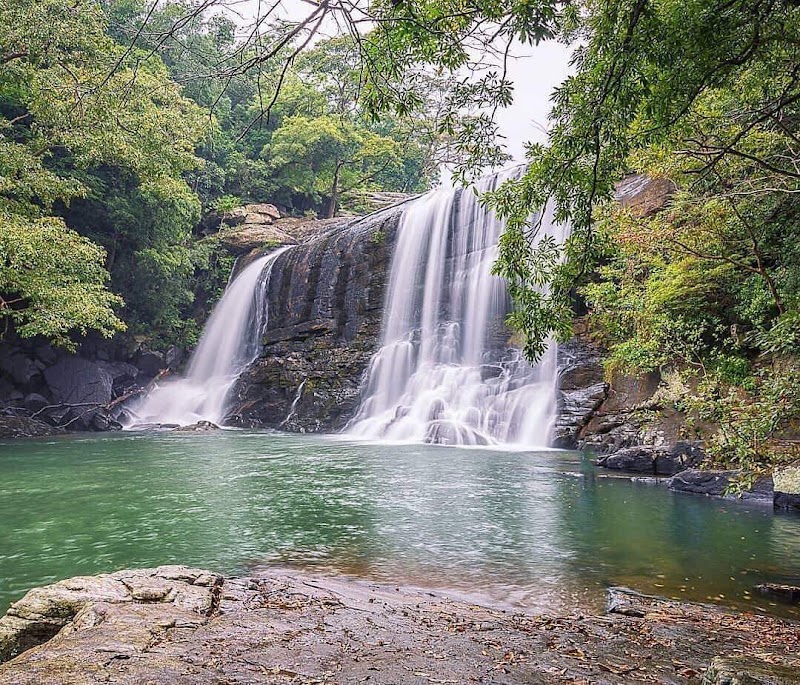
Sera Ella Water Fall: A Walk Behind the Cascade
Sera Ella Water Fall pairs a short forest hike with a rare chance to step into the rock cave behind its falling water.
Sri Lanka · Peliyagoda
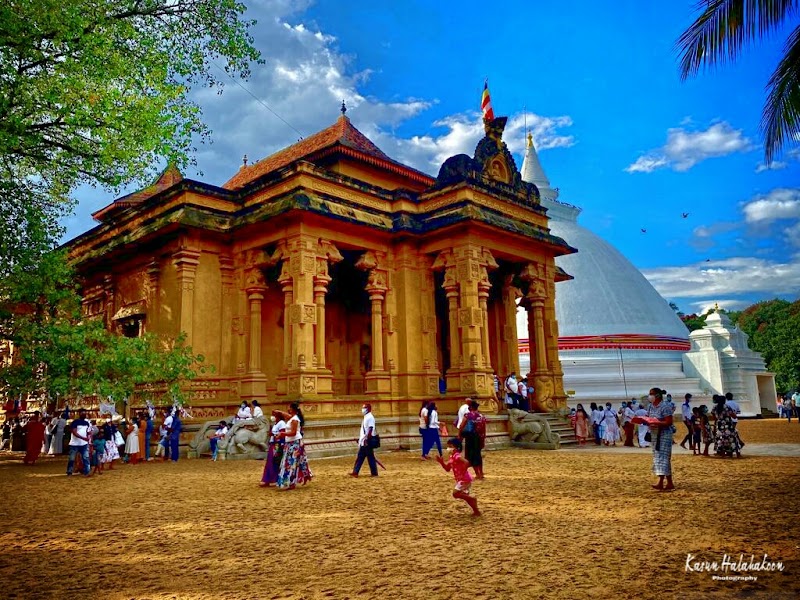
Kelaniya Raja Maha Viharaya: Murals, History and Quiet Reflection
A highly regarded Buddhist temple near Colombo, known for its peaceful grounds, striking murals and deep religious significance.
Sri Lanka
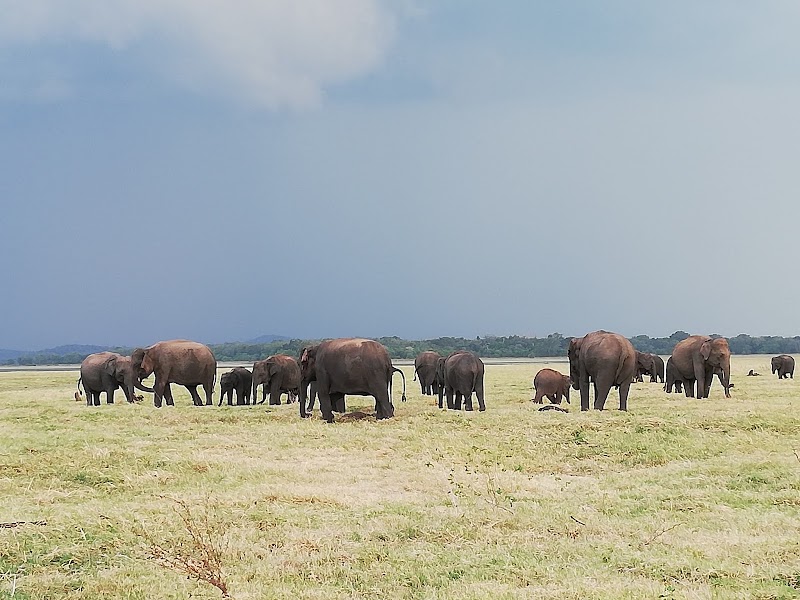
Minneriya National Park: Elephant Herds by the Reservoir
Public reviews consistently praise Minneriya for large elephant gatherings, open landscapes and memorable jeep safaris, despite heavy visitor traffic.
Sri Lanka
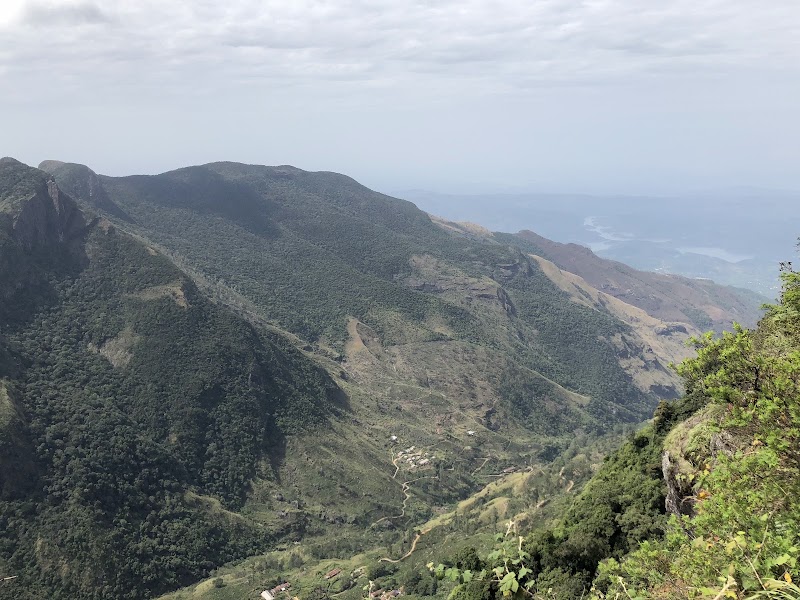
Great World's End Drop: Horton Plains’ Dramatic Viewpoint
A highland hike through grassland and cloud forest leads to one of Sri Lanka’s most striking cliff-edge viewpoints.