Cultural Heritage Centre: Arusha’s expansive art stop
Public reviews praise this Arusha complex for its vast African art collection, striking architecture, sculptures and intricate beadwork.
More photos


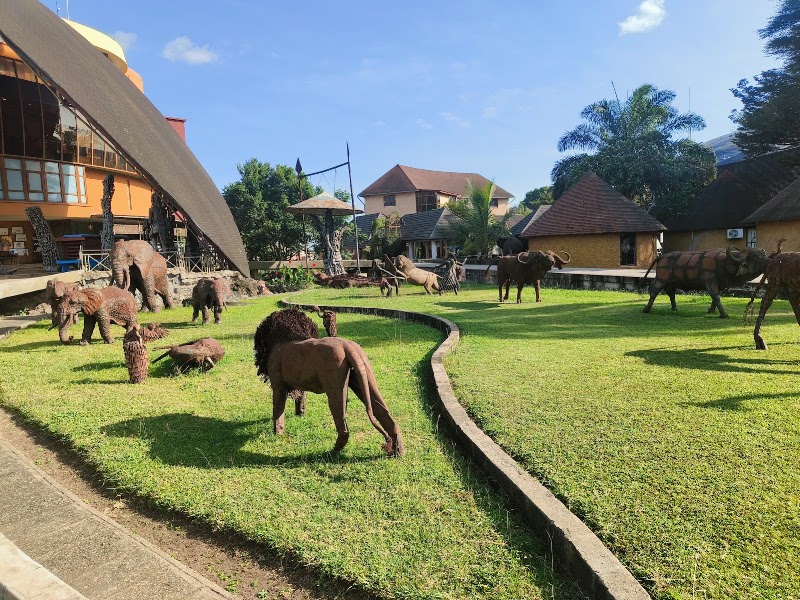
Photos published by travelers on Google, not AI generated.
What stands out
- Extensive African art collection
- Tanzanian paintings and sculptures
- Intricate Maasai beadwork
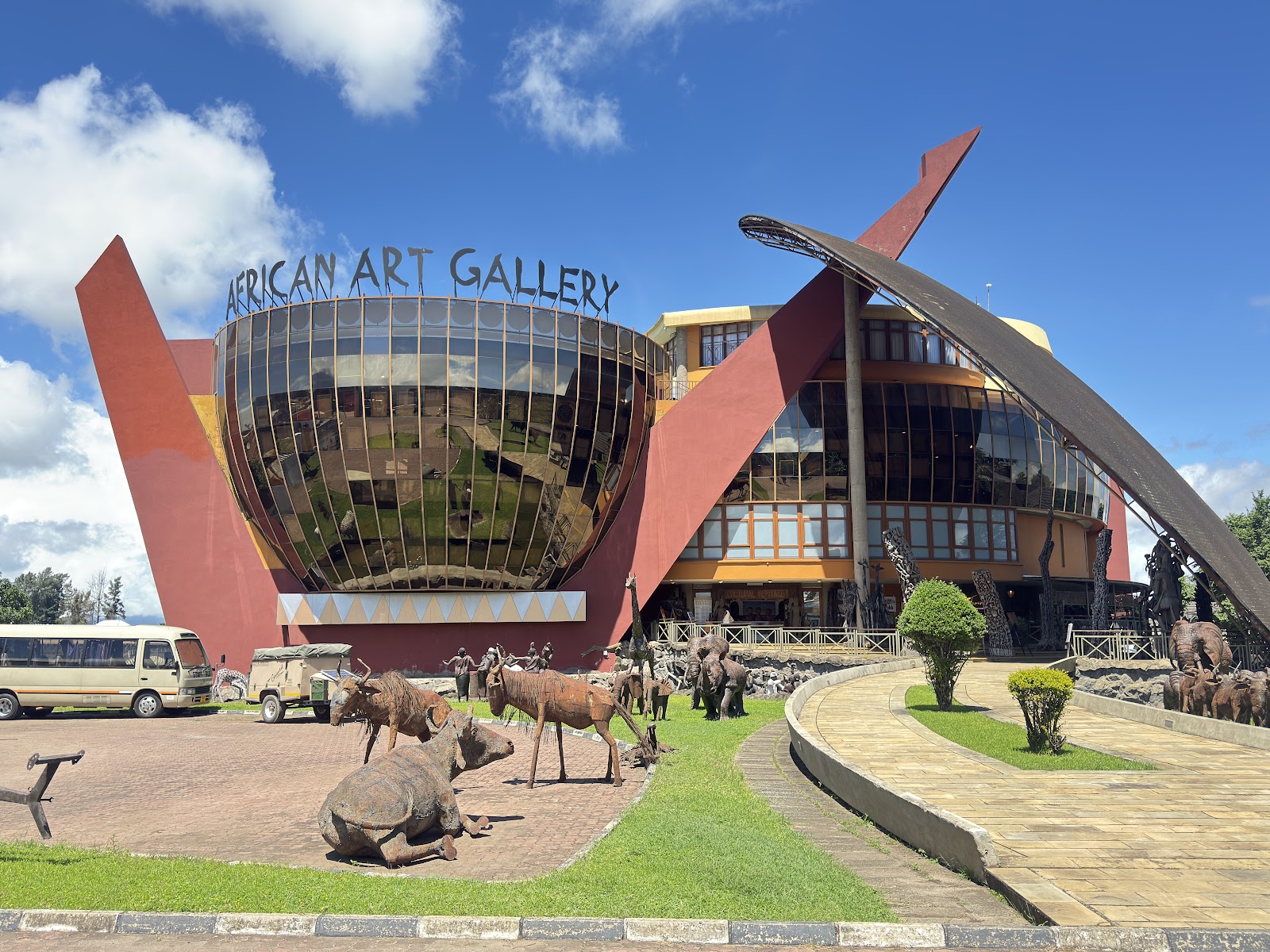
- Shield-and-drum-inspired architecture
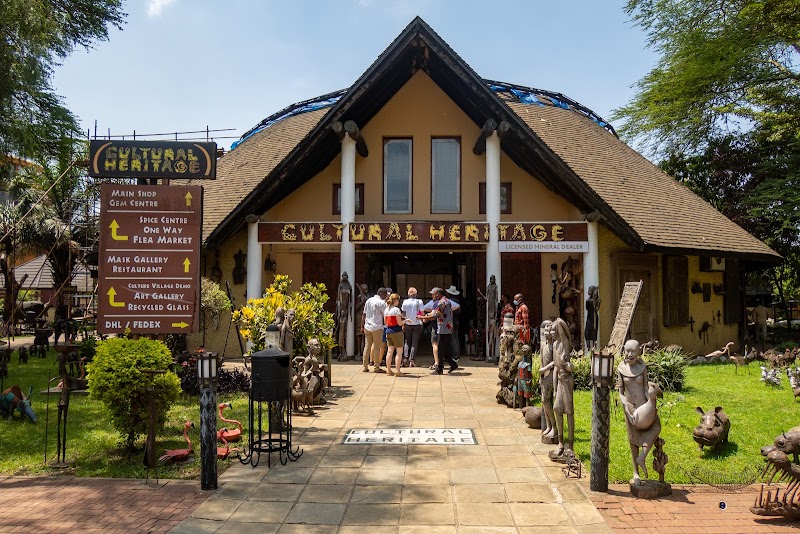
- Traditional artifacts and souvenirs
Worth knowing
- Photography restrictions may apply
- One review reported inconsistent rule enforcement
- Confirm current admission arrangements
Don't miss
What comes up most in public reviews
- African Gallery
- Tanzanian paintings
- Sculpture collection
- Maasai beadwork
- Distinctive shield-and-drum architecture
Worth the trip?
Why it stands out
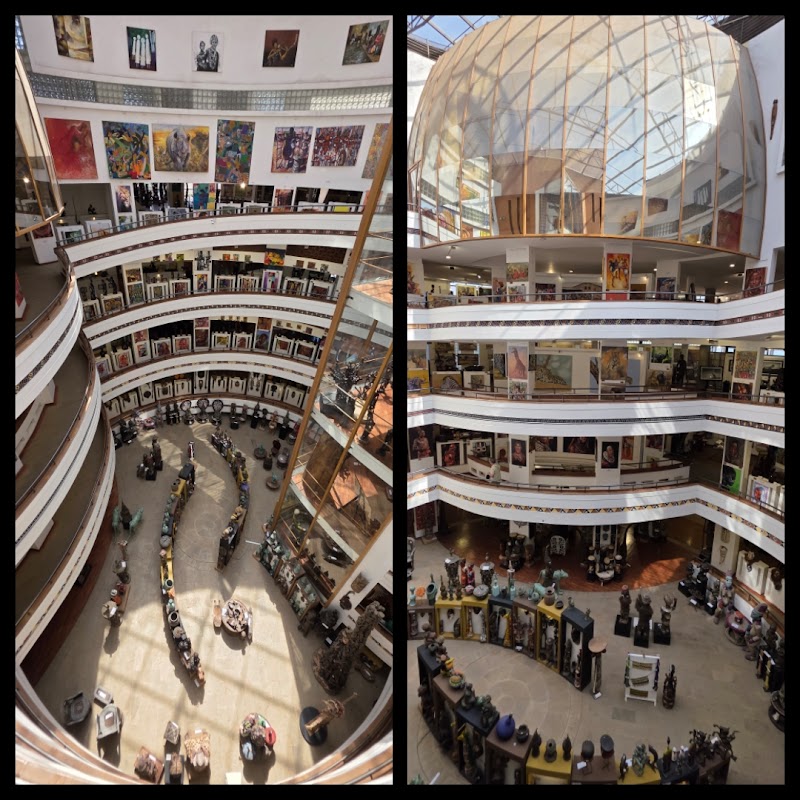
With a Google rating of 4.5 from 3270 reviews, the Cultural Heritage Centre is repeatedly described as one of Arusha’s most substantial stops for African art and material culture. Public feedback points to scale as its defining strength. Visitors mention galleries filled with paintings, sculptures, traditional artifacts, contemporary works and Tanzanian crafts, often saying the collection proved far larger or more affecting than expected.
The centre appears to work for both dedicated art followers and travellers simply looking for a cultural introduction before or after time elsewhere in northern Tanzania. Several reviewers suggest that prior enthusiasm for art is not essential. The variety, craftsmanship and breadth of the displays seem to provide the appeal, with individual comments singling out Tanzanian art, Maasai beadwork and rare tanzanite gemstones.
Galleries and architecture
The African Gallery receives particular attention in public reviews. It is described as holding an extensive collection representing cultures from across Tanzania, alongside works and heritage objects from elsewhere in Africa. Paintings are a major component, but sculptures, beadwork and traditional artifacts keep the experience from feeling like a conventional picture gallery.
The buildings are part of the attraction rather than merely containers for the exhibits. Reviewers repeatedly admire the architecture, including forms said to evoke traditional shields and drums. This distinctive design adds visual interest between displays and gives the complex a sense of occasion. One visitor also highlighted a live performance near the entrance, although travellers should not assume that performances take place every day.
The centre also functions as a marketplace, with souvenirs and crafted objects featuring prominently in reviews. That combination of gallery and retail space may suit visitors seeking a broad overview of local artistic traditions while also browsing for something to take home. A cafe and restaurant are listed on-site, but the supplied reviews focus overwhelmingly on the art rather than the food.
Planning the visit
A few hours should allow time to explore without rushing, while committed art enthusiasts could reasonably devote half a day. Reviews commonly report free admission, but current entry arrangements should be confirmed directly before visiting because policies can change.
There is no clear review consensus on the best season or time of day. The centre therefore makes a flexible addition to an Arusha itinerary, particularly when travellers want an indoor cultural activity rather than another tightly scheduled excursion.
What to keep in mind
The main concern in the available feedback involves photography. One reviewer reported being restricted from taking pictures and felt the policy was applied inconsistently between visitors. That experience does not dominate the broader feedback, but it is specific enough to warrant attention. Visitors should ask staff about photography rules before using a camera or phone and follow any restrictions within individual gallery areas.
Overall, the strongest review pattern is one of surprise at the collection’s depth. The volume of paintings, detailed sculptures, beadwork and dramatic architecture makes the Cultural Heritage Centre more than a quick souvenir stop. It is best approached as a substantial gallery visit, with enough time reserved to look closely rather than simply pass through.
Ask anything
Looking for somewhere else?
Keep exploring around Arusha
More from Tanzania
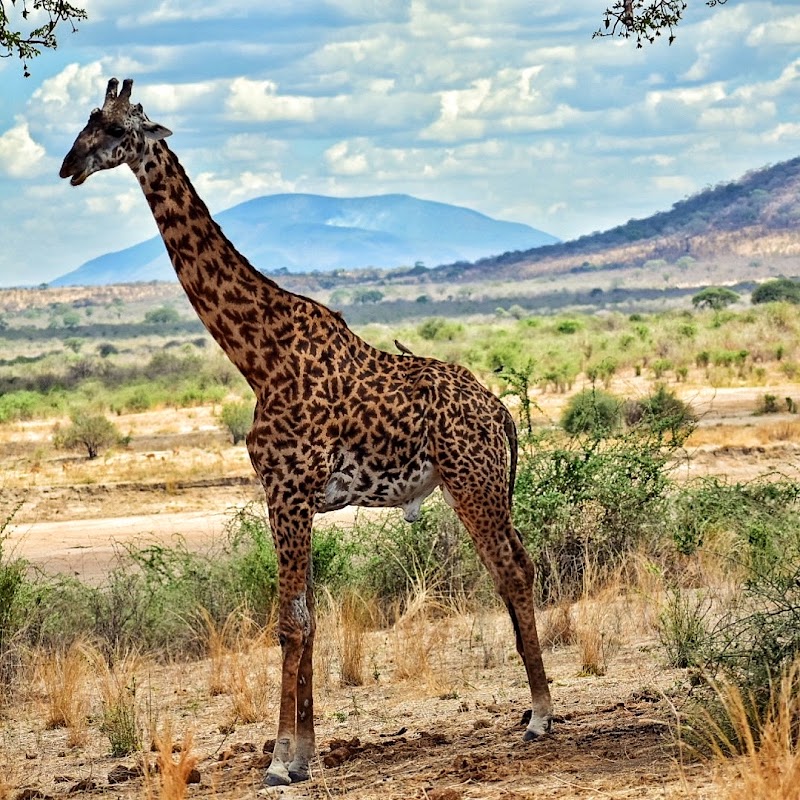
Tanzania · Iringa
Ruaha National Park: Wild Safaris Without the Crowds
Reviews point to a vast, quiet safari destination known for predators, elephants, birdlife and memorable nights close to the wilderness.
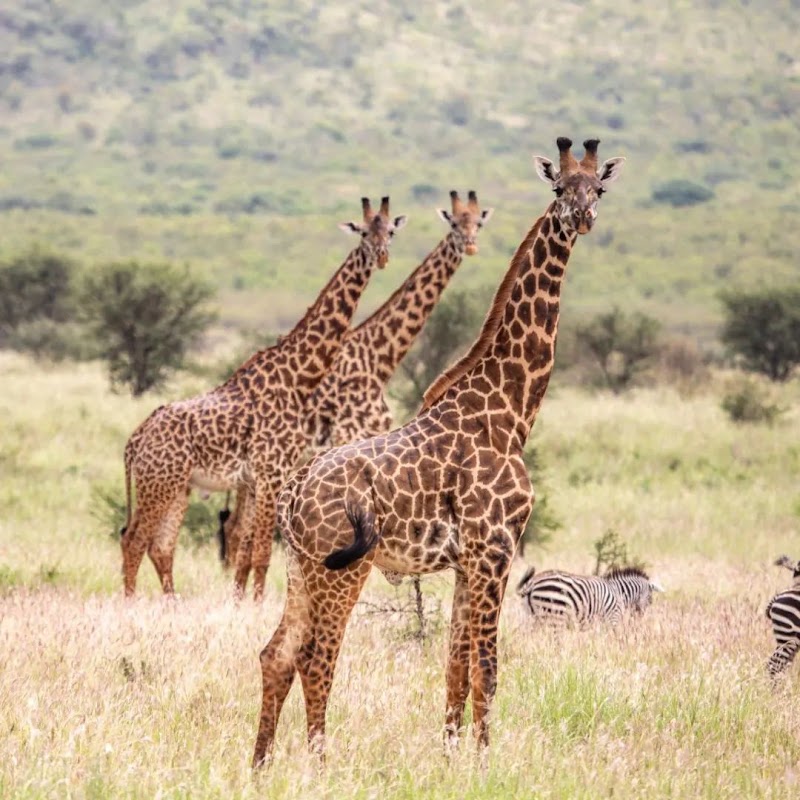
Tanzania
Selous Game Reserve: Big Landscapes, Varied Safaris
Boat trips, game drives and guided walks give this vast southern Tanzania wilderness broad appeal, with wildlife and scenery earning consistent praise.
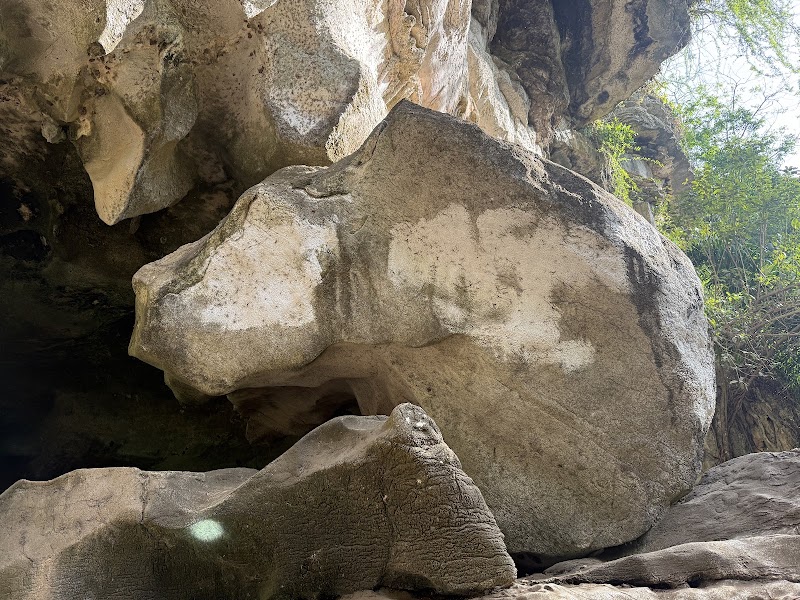
Tanzania
Amboni Caves: Limestone, bats and local history near Tanga
Amboni Caves combines dramatic limestone formations, wildlife and local history, though steep steps, heat and uncertain directions require preparation.
Tanzania · Mwanza
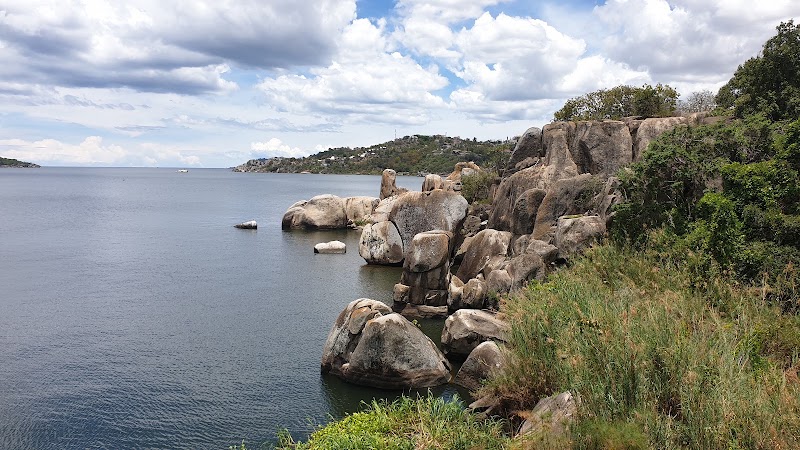
Saanane National Park: Lake Views Close to Mwanza
A compact island escape offering boat access, walking paths, birdlife and broad Lake Victoria views just outside central Mwanza.