Cristo Obrero Church: Dieste’s Brickwork in Motion
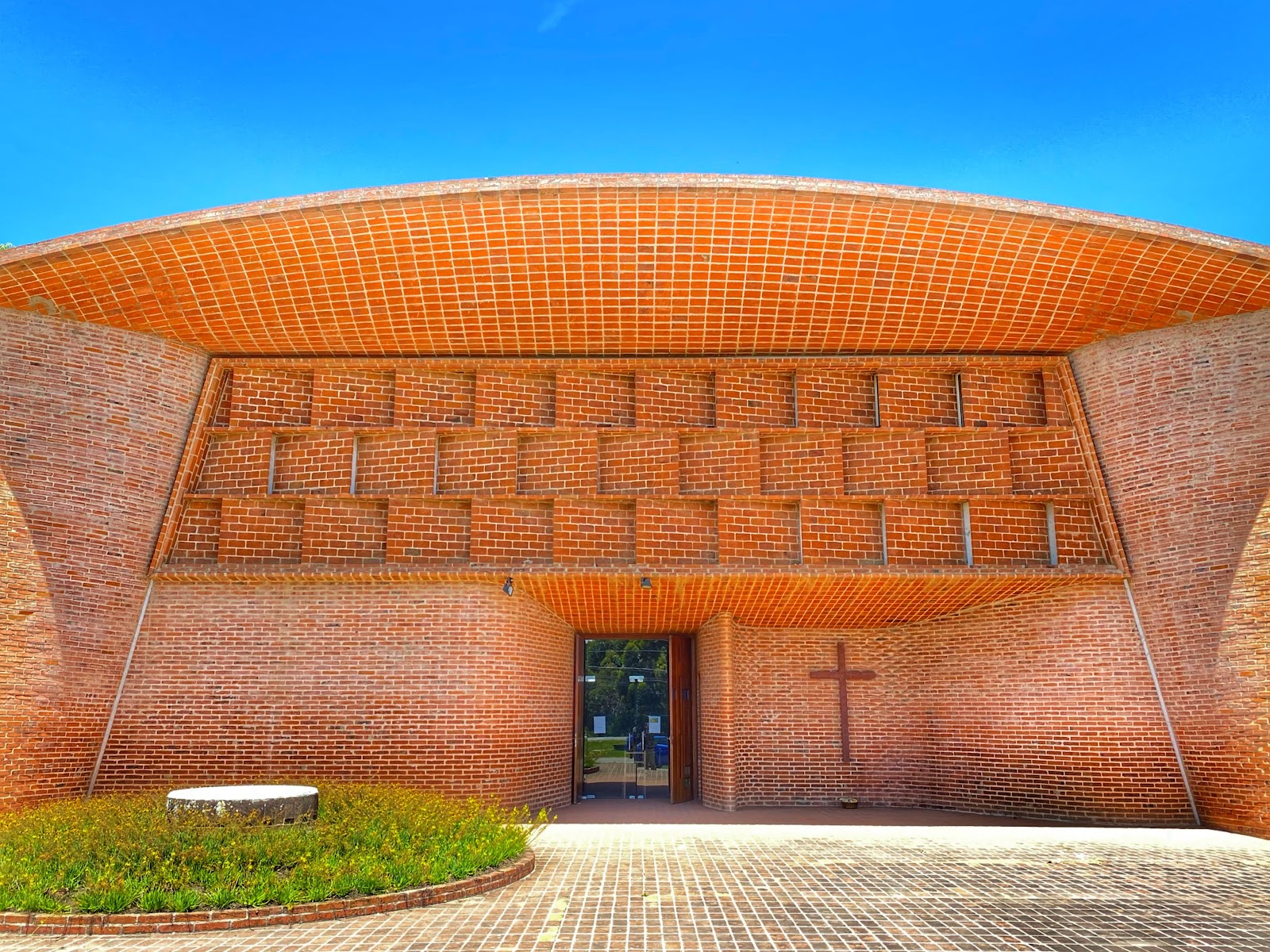
This UNESCO-listed church near Atlántida pairs Eladio Dieste’s structural ingenuity with rippling brick walls and jewel-like stained glass.
More photos

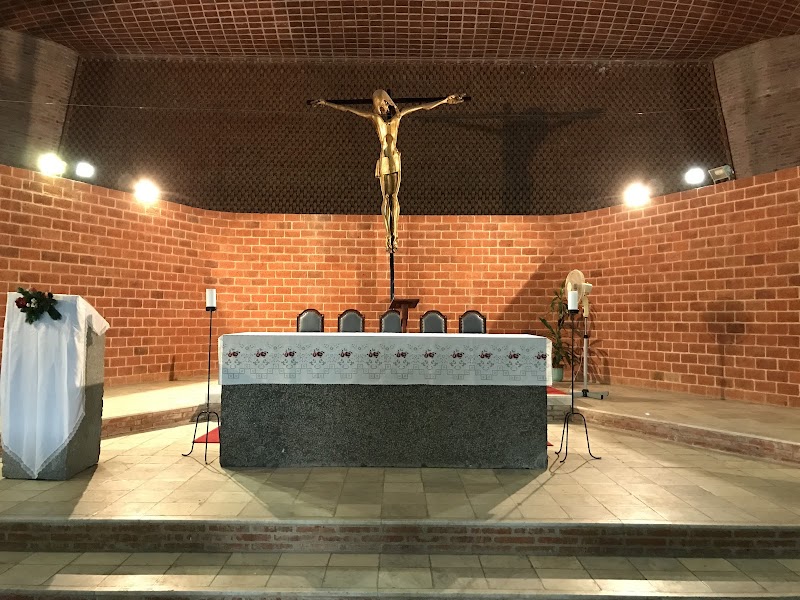

Photos published by travelers on Google, not AI generated.
What stands out
- Undulating brick walls
- Colourful stained-glass shapes
- Innovative structural brickwork
- Atmospheric interplay of light and masonry
Worth knowing
- Verify current opening and guided-visit times
- Online map hours may be inconsistent
Don't miss
What comes up most in public reviews
- Study the curved brick walls
- See the stained-glass light inside
- Join a guided visit for architectural context
- Ask about Eladio Dieste’s structural innovations
Worth the trip?
Why it stands out
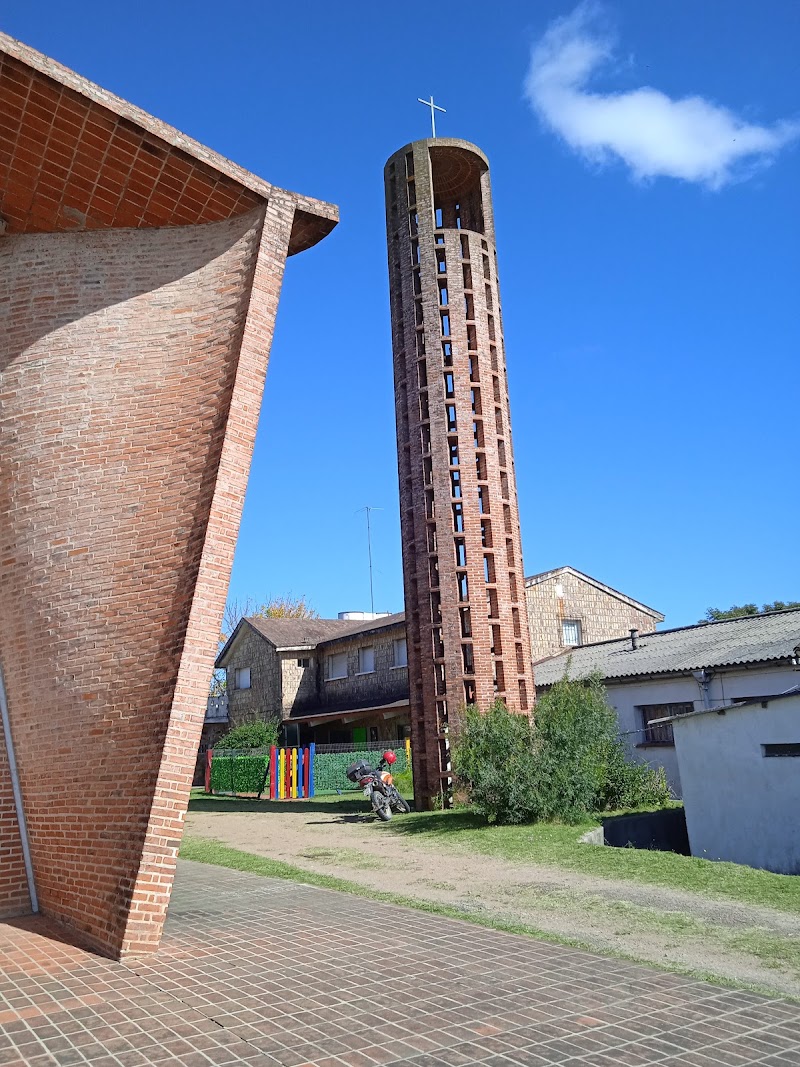
Cristo Obrero Church is less a conventional religious landmark than a study in what brick can do. Designed by Uruguayan engineer and builder Eladio Dieste, the church uses undulating walls, slender structural forms and carefully controlled daylight to create a space reviewers repeatedly call distinctive, sober and deeply atmospheric.
That response is reflected in its Google rating of 4.7 from 551 reviews. Public feedback concentrates less on decoration or ecclesiastical grandeur and more on the building itself: the apparent movement of the brickwork, the balance between solidity and openness, and the way light changes the interior. For architecture enthusiasts, it is the construction method that commands attention. For other visitors, the appeal is more immediate, rooted in colour, shadow and an unexpectedly fluid sense of space.
The interior experience
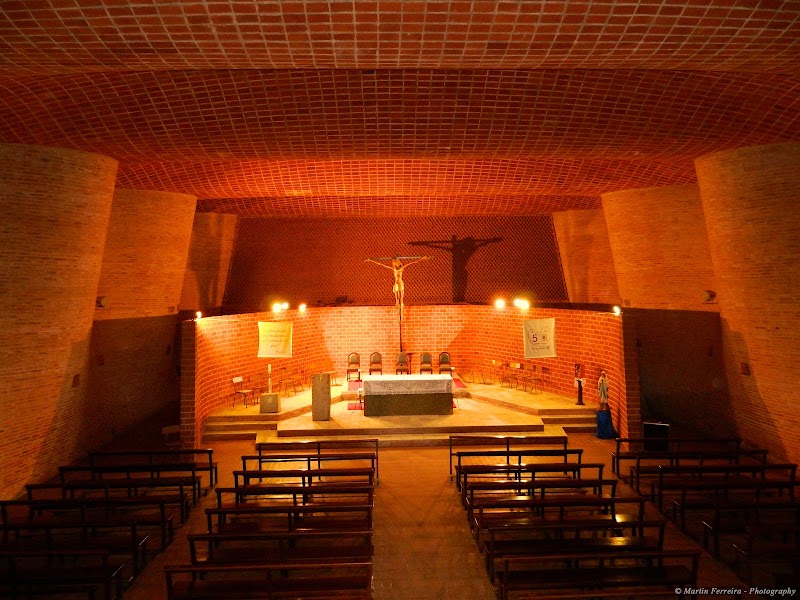
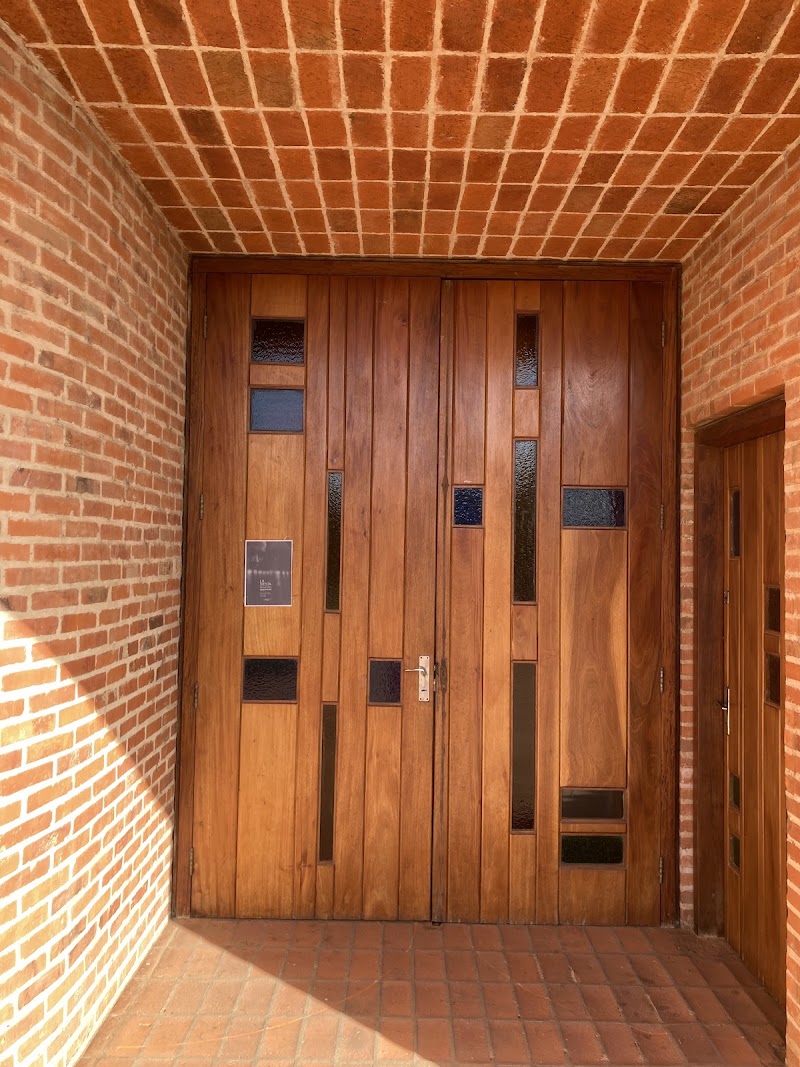
The interior is where the church’s ideas become clearest. Reviewers frequently single out the colourful stained-glass shapes, which introduce bright fragments of light without overwhelming the restrained brick surfaces. The effect has been described as mystical and poetic, particularly where daylight brings out the curves and texture of the masonry.
Dieste’s approach to reinforced brick construction allowed him to develop forms that appear light despite the weight of the material. The walls seem to ripple rather than simply enclose the nave, giving the protected worship space a sense of movement. Reviews also connect the design with Dieste’s belief that art and ambitious architecture should not be reserved for wealthy communities. That social purpose adds useful context, though the building remains compelling even without detailed technical knowledge.
The church is still a place of worship, so a quiet, respectful visit suits the setting. Its strongest moments are observational rather than activity driven: following the brick curves, watching coloured light reach the walls and studying how the roof and supports work together.
Guided visits and independent access
Several reviewers recommend joining a guided visit to understand the history, structural experimentation and intentions behind the church. The engineering is unusual enough that explanation can significantly deepen the experience. Public comments also indicate that independent visits may be possible when a tour is unavailable, allowing the architecture to be appreciated at an unhurried pace.
Opening information deserves advance checking. One reviewer specifically advised consulting the official website for exact guided-visit times and noted that online map listings had previously shown conflicting information about Thursday access. Travellers should therefore treat third-party opening hours cautiously and verify the current schedule before making a dedicated journey to Estación Atlántida.
Editorial verdict
Cristo Obrero Church is a focused attraction rather than a sprawling sightseeing stop, but its combination of structural innovation, expressive brickwork and stained-glass colour leaves a strong impression. It is best suited to architecture followers, design students and culturally curious travellers visiting the Atlántida area. A guided visit is the most informative option, while an independent look still offers plenty for those drawn to space, light and material.
Ask anything
Looking for somewhere else?
Keep exploring around Estación Atlántida
More from Uruguay
Uruguay · Colonia del Sacramento
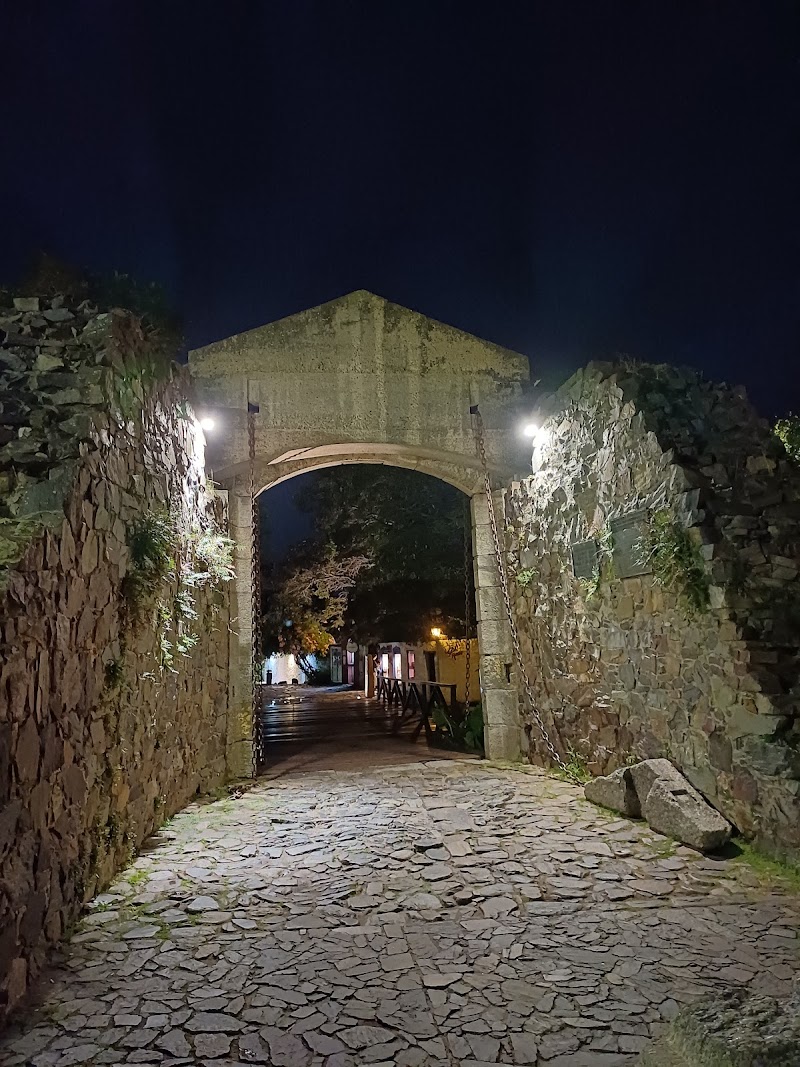
Puerta de la Ciudadela: Colonia’s Historic Gateway
Colonia del Sacramento’s preserved city gate offers a striking passage into the old walled quarter and a tangible link to its Portuguese past.
Uruguay · Montevideo
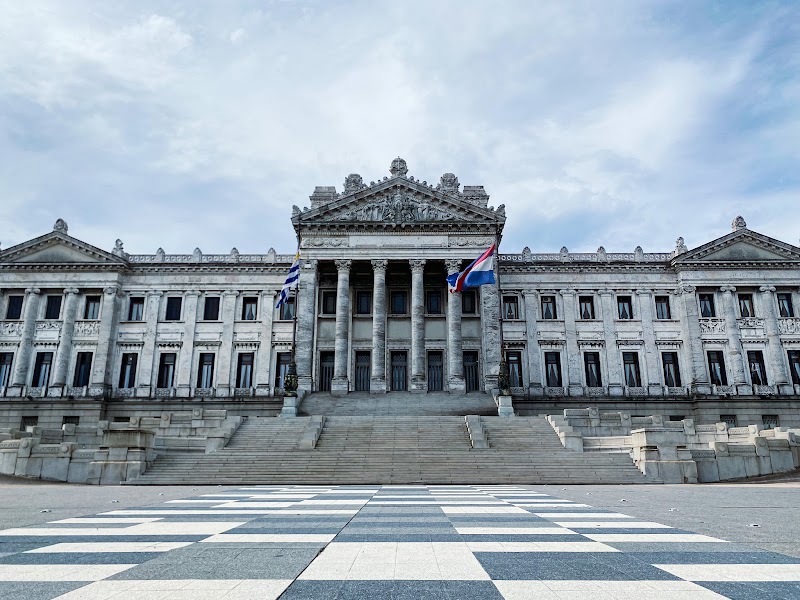
Palacio Legislativo: Architecture and Democracy on Display
Montevideo’s working legislature pairs monumental architecture with guided tours that explain Uruguay’s history and democratic institutions.
Uruguay
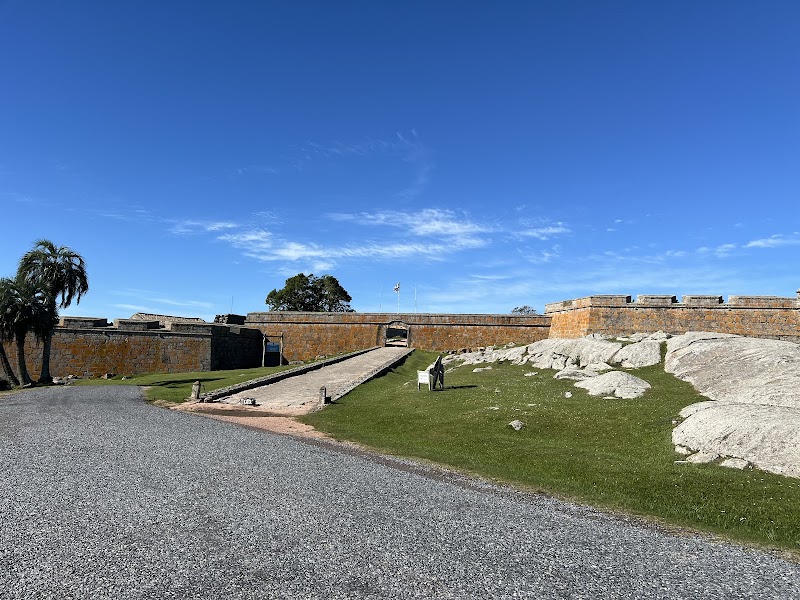
Fortress of Santa Teresa: History Inside a National Park
Strong reviews, preserved fortifications and a nature-rich park setting make this an easy historical stop on Uruguay’s Atlantic side.

Uruguay · Trinidad
Palace Cave: Geology and History Near Trinidad
An intimate archaeological park where unusual ferricrete formations, wildlife and knowledgeable guides turn a short visit into a memorable one.