Convent of Christ: Templar history on a monumental scale
Tomar’s vast medieval complex wins strong praise for its Templar legacy, elaborate Charola and centuries of Portuguese architecture.
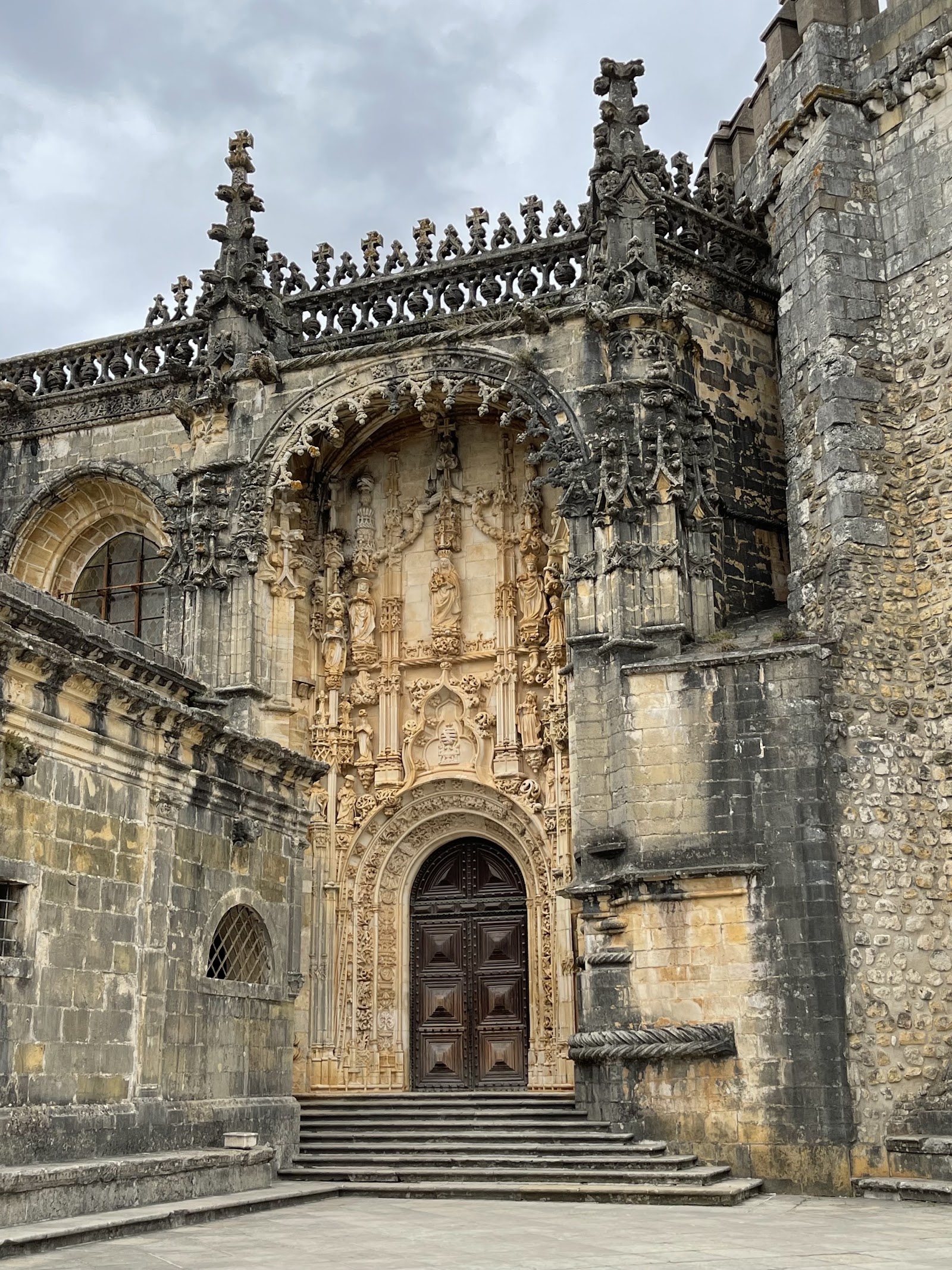
More photos
Photos published by travelers on Google, not AI generated.
What stands out
- The ornate Charola
- Knights Templar history
- Fortress and monastery architecture
- Atmospheric medieval interiors
Worth knowing
- Restoration work and scaffolding
- Possible closures in Templar areas
- Crowds taking photos in key spaces
Don't miss
What comes up most in public reviews
- Enter the Charola or Round Church
- Explore the Templar section
- Walk through the medieval fortress complex
- Examine the frescoes and gilded arches
Worth the trip?
Why it stands out
Public feedback presents the Convent of Christ as one of Portugal’s most absorbing historic attractions. It holds a Google rating of 4.7 from 19542 reviews, and the strongest comments focus on the scale of the complex, its atmosphere and the unusually visible layers of Templar and Order of Christ history.
This is far more than a conventional monastery visit. Reviewers describe a fortified medieval site that began as a Templar stronghold and later developed into an extensive religious complex. Castle-like walls, cloisters, church spaces and richly worked architectural details make the experience feel substantial rather than confined to a single building. Even visitors making a dedicated train journey from Lisbon report that the site justifies the excursion.
The Charola takes centre stage
The Charola, also called the Round Church or original Templar oratory, is the clear highlight across the reviews. Visitors repeatedly single out its circular form, frescoes, gilded arches and sculpted columns. The effect is both theatrical and intimate, with decoration that contrasts sharply with the austere military character of the surrounding fortress.
Travellers interested in the Knights Templar tend to respond most enthusiastically. Reviews refer to the Templar section as a principal reason to visit and praise the sense of stepping into Portugal’s medieval past. Those with less specialist historical knowledge still find plenty to admire in the craftsmanship, architecture and shifting character of the complex.
Time and pacing
The Convent of Christ rewards an unhurried visit. Its size, multiple sections and dense architectural detail make half a day a sensible allowance, particularly for visitors who want to examine the Charola and Templar areas rather than simply walk through the main rooms. The atmosphere appears strongest when crowds are lighter, and one early-arriving reviewer reported no ticket-counter queue at 9am.
Some reviews mention tourists stopping for selfies in prominent spaces, which can interrupt the mood around the central church. An early visit is therefore the strongest option suggested by the feedback, both for quieter interiors and easier access.
Restoration can affect the experience
The main caveat is ongoing preservation work. Several reviewers encountered scaffolding, construction or restoration activity, and one found the Templar castle section closed. Most accepted the need for maintenance, but the disruption can limit views or prevent access to parts of the complex.
Prospective visitors should check current conditions before making a dedicated journey, especially when the Templar areas are the main draw. Even with works in progress, reviewers generally regard the Convent of Christ as worthwhile. Its combination of fortress architecture, religious art and historical depth gives Tomar a landmark with broad appeal, while the Charola provides the memorable focal point that consistently anchors the experience.
Plan the rest of the trip
Ask anything
Looking for somewhere else?
Keep exploring around Tomar
More from Portugal
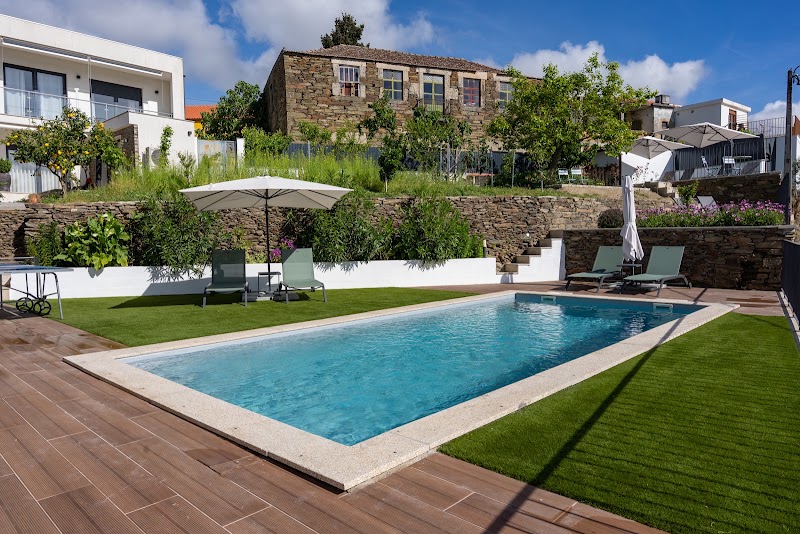
Portugal · Vilarinho de Cotas
Casa Dona Edite Guesthouse: A Warm Douro Valley Base
A highly rated family-run guesthouse in Vilarinho de Cotas, valued for its hospitality, vineyard views, pool and memorable shared dinners.
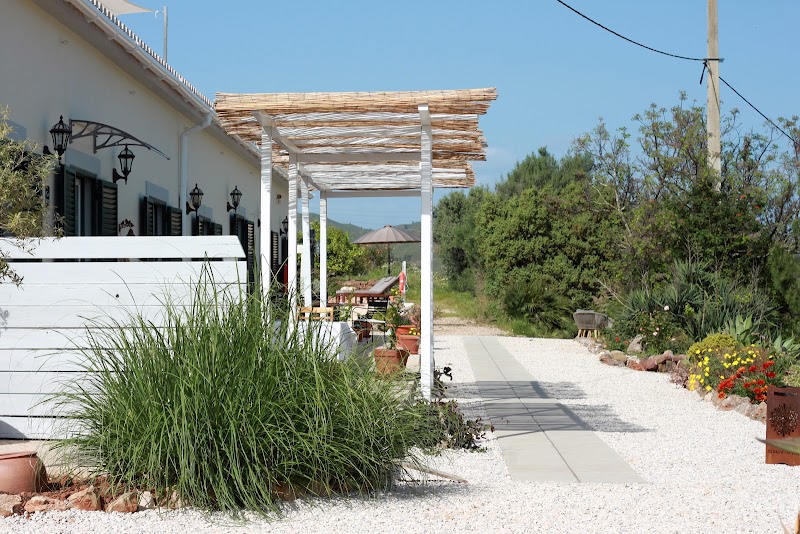
Portugal · Silves
Quinta da Luz makes a relaxed Silves base
This highly rated boutique B&B pairs thoughtful hosting, generous breakfasts and countryside calm with easy access to Silves.
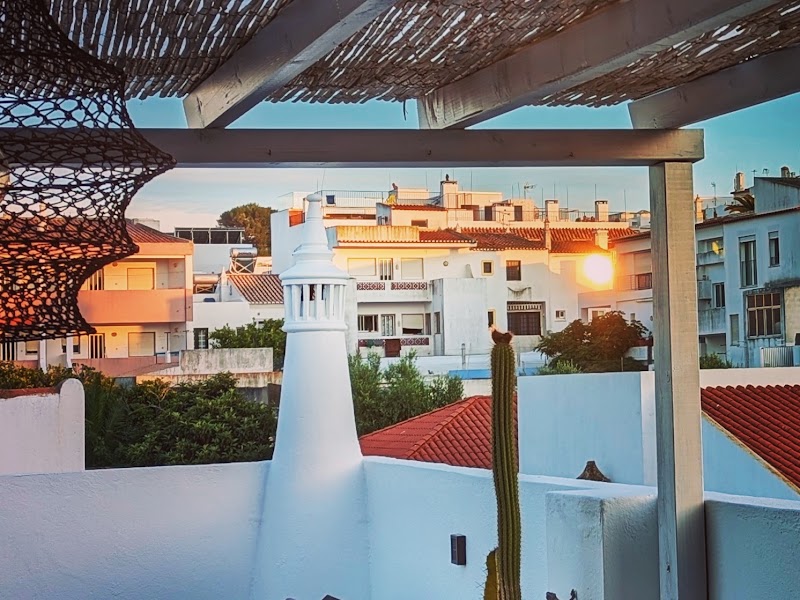
Portugal · Lagos
Infante Guesthouse, a Central Lagos Stay with Rooftop Views
Public reviews praise Infante Guesthouse for its welcoming hosts, peaceful rooms, central location and rooftop evenings in Lagos.

Portugal · Peniche
Mercearia d’Alegria: A Warm, Well-Kept Peniche Stay
Public reviews praise this friendly Peniche hotel for its fresh breakfast, clean rooms, courtyards and useful extras such as bikes and beach toys.