Cologne Cathedral: Gothic scale beside the station
Cologne’s vast Gothic cathedral earns exceptional praise for its architecture, stained glass, sacred artworks and powerful interior.
More photos


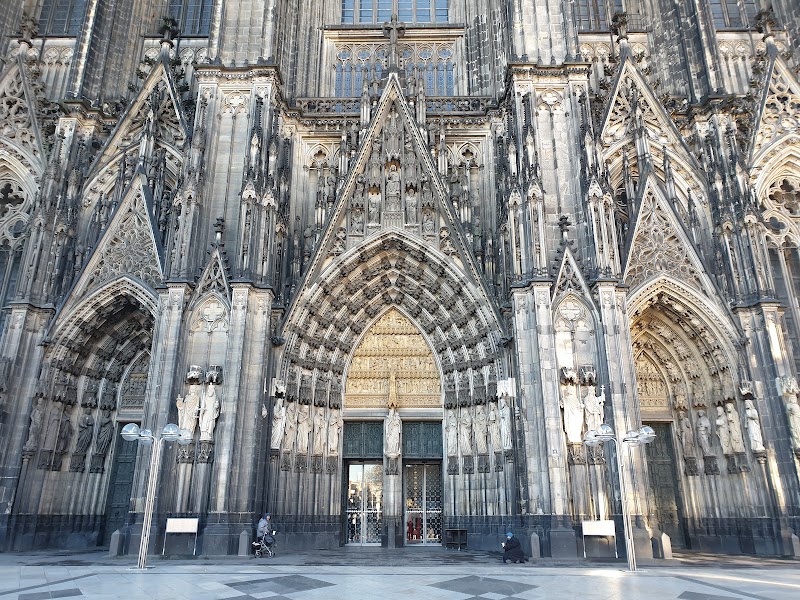
Photos published by travelers on Google, not AI generated.
What stands out
- Monumental Gothic architecture
- Towering interior arches
- Medieval and restored stained glass
- Easy location beside the main station
- Active place of worship
Don't miss
What comes up most in public reviews
- Shrine of the Three Kings
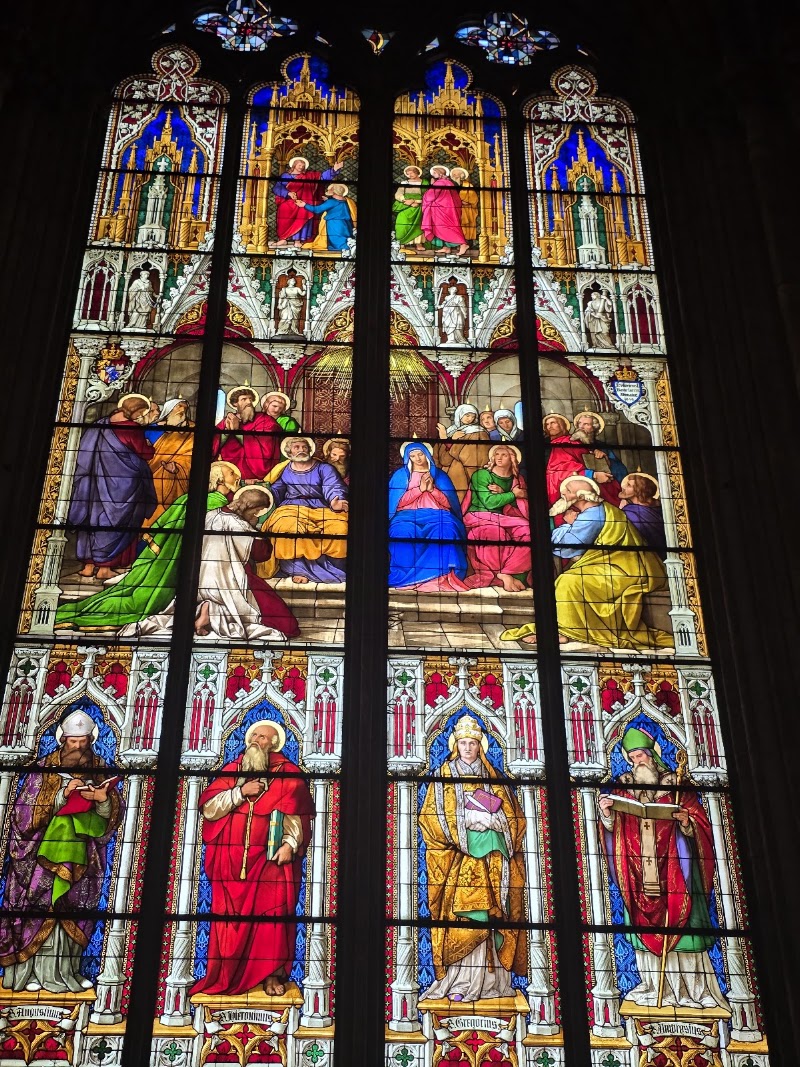
- The stained-glass windows
- The Black Madonna
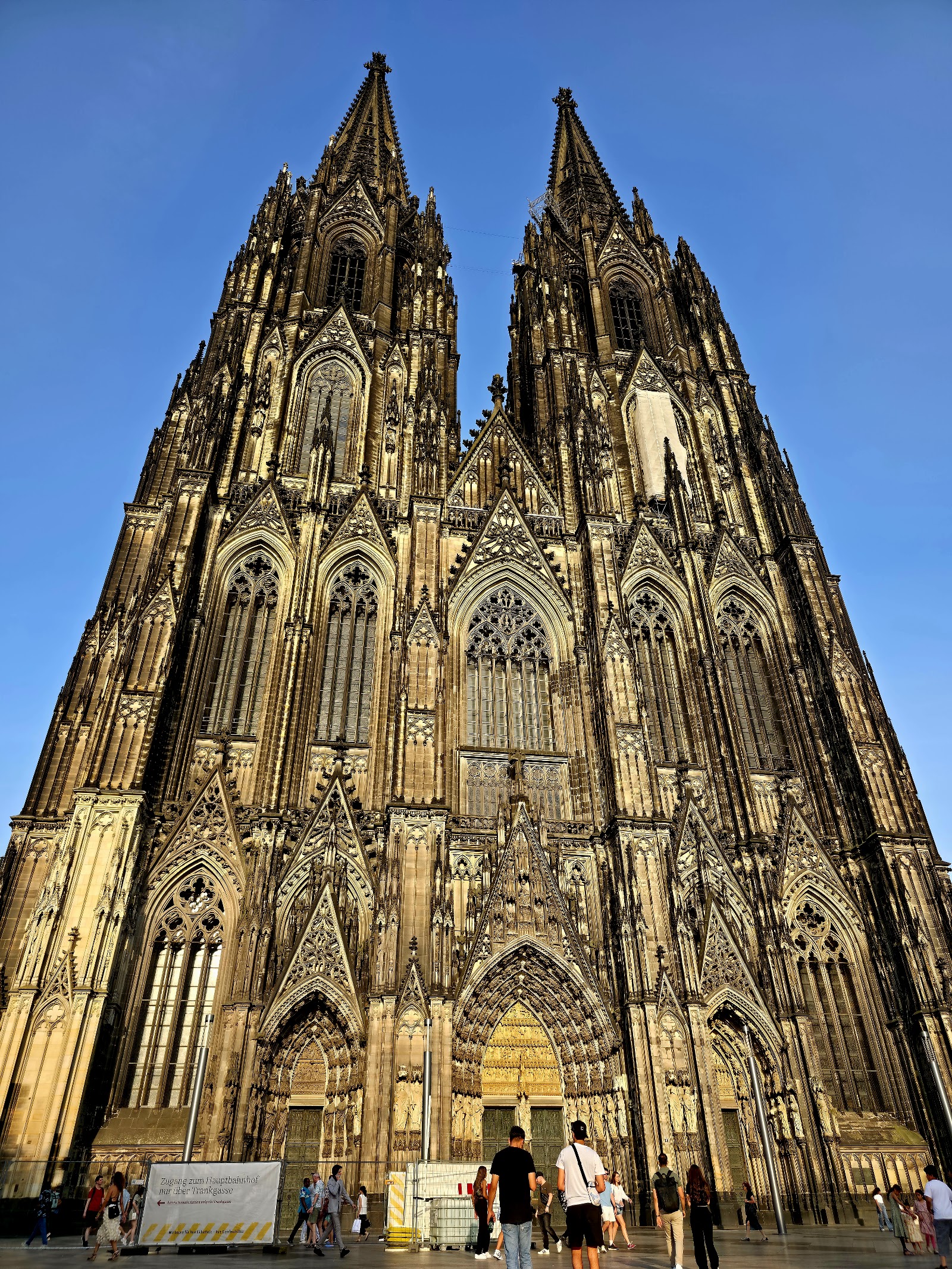
- The Gothic exterior
- Mass in the side chapel
Worth the trip?
The verdict
Cologne Cathedral commands unusually strong approval, with a Google rating of 4.8 from 3845 reviews. Public feedback repeatedly describes a landmark whose scale is difficult to capture in photographs. The exterior delivers the first dramatic impression, but reviewers are equally enthusiastic about the soaring interior, intricate decoration and atmosphere of worship.
Its location beside Cologne’s main train station also makes it exceptionally straightforward to include in a city visit. Travellers frequently treat the cathedral as an essential Cologne sight rather than a specialist stop for architecture enthusiasts. The combination of visual spectacle, medieval history, art and active religious life gives it broad appeal.
Architecture and interior
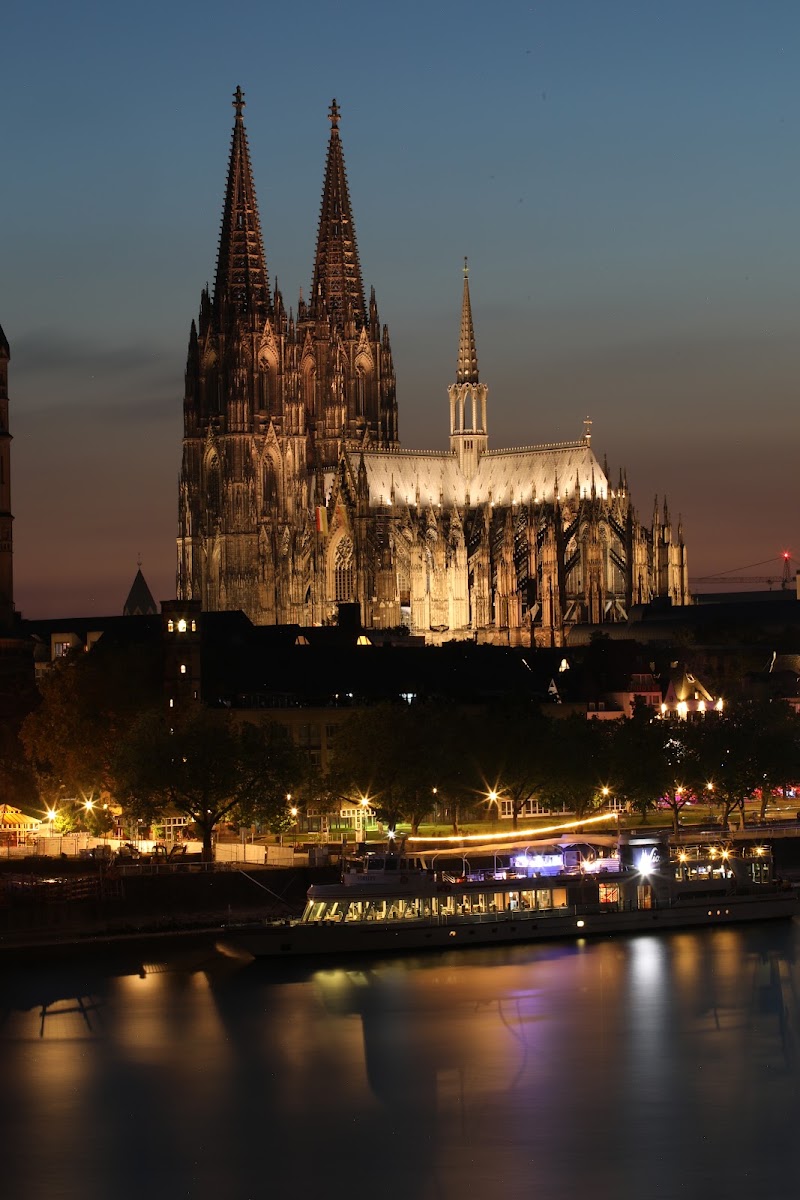
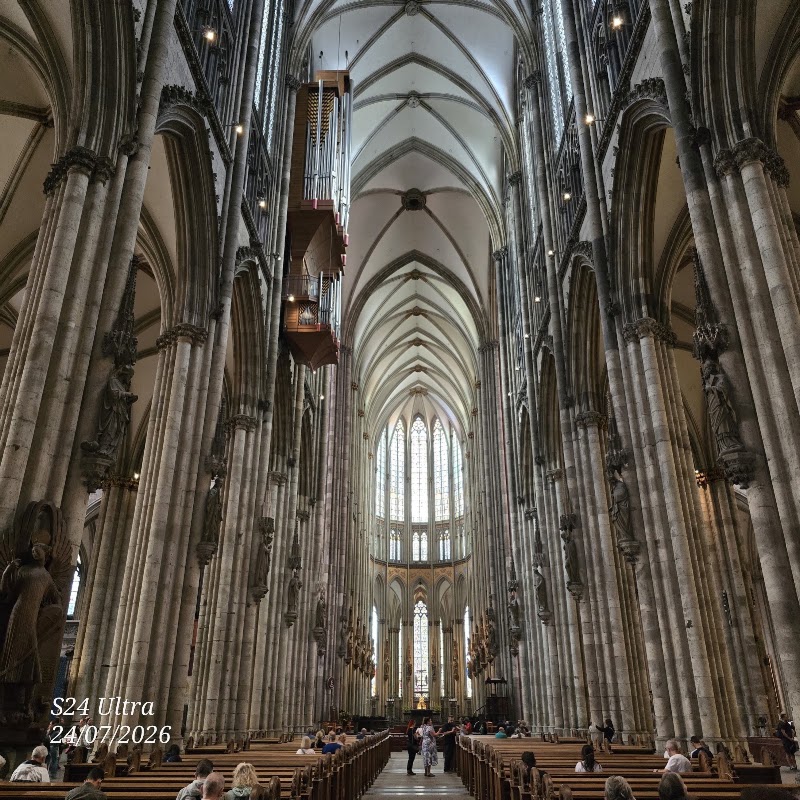
The cathedral’s immense proportions dominate visitor accounts. Reviewers focus on the elaborate Gothic exterior and the sensation of standing beneath towering arches inside. Several suggest that photographs cannot communicate the building’s true size or density of detail, even though the exterior is considered highly photogenic.
Inside, stained-glass windows are a recurring highlight. Public comments praise both medieval glass and restored windows, describing the overall effect as mesmerising. The architecture is not presented merely as monumental. Visitors also find places to pause, sit and observe the interior, which allows the cathedral’s details and spiritual character to emerge gradually.
Review patterns indicate that a rushed look from the square would miss much of what makes the site memorable. The strongest experiences combine time outside to appreciate the façade with a slower circuit through the interior.
Sacred art and worship
Specific features mentioned by reviewers include the Shrine of the Three Kings, described as the cathedral’s golden heart, and the Black Madonna. These give visitors clear focal points beyond the arches and windows. They also reinforce the building’s layered identity as a place of medieval heritage, sacred art and continuing devotion.
The cathedral remains an active place of worship rather than simply an architectural attraction. One review particularly values the Masses held throughout the day in a side chapel. That living religious role shapes the atmosphere and calls for considerate behaviour from sightseers, even though the supplied reviews do not identify crowding, access or other practical concerns.
Planning a visit
The position next to the main railway station is one of the cathedral’s clearest practical strengths. It can work as a first stop after arrival, a final landmark before departure or the centrepiece of a short Cologne itinerary. A visit of one to two hours should allow time for the exterior, windows, shrine and quieter details, though travellers especially interested in Gothic architecture or religious art may prefer longer.
No particular season or time of day emerges from the supplied reviews. What does emerge is a consistent recommendation to go inside rather than treating the cathedral only as a backdrop for photographs. Based on the public rating and recurring enthusiasm, Cologne Cathedral stands out for sheer scale, craftsmanship and the unusual convergence of history, art and active faith.
Ask anything
Looking for somewhere else?
Keep exploring around Köln
More from Germany
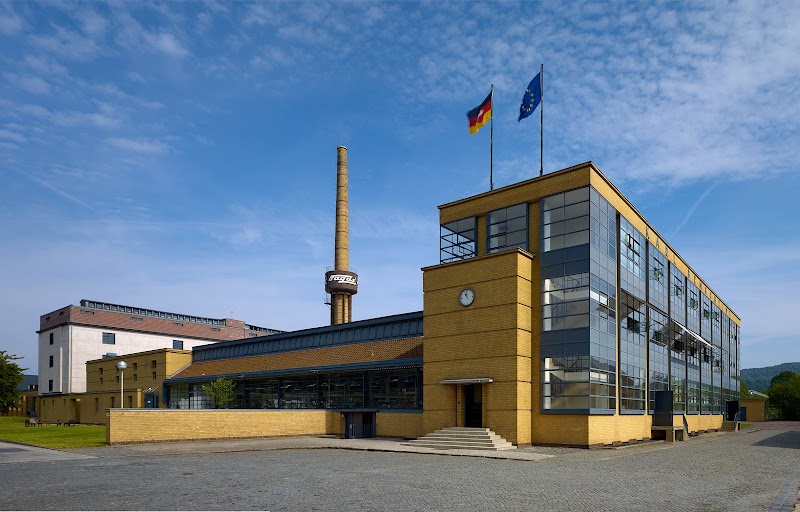
Germany · Alfeld (Leine)
Fagus-Werk: Modernist architecture inside a working factory
Walter Gropius’s pioneering factory complex pairs UNESCO-listed architecture with five floors of industrial and design history.
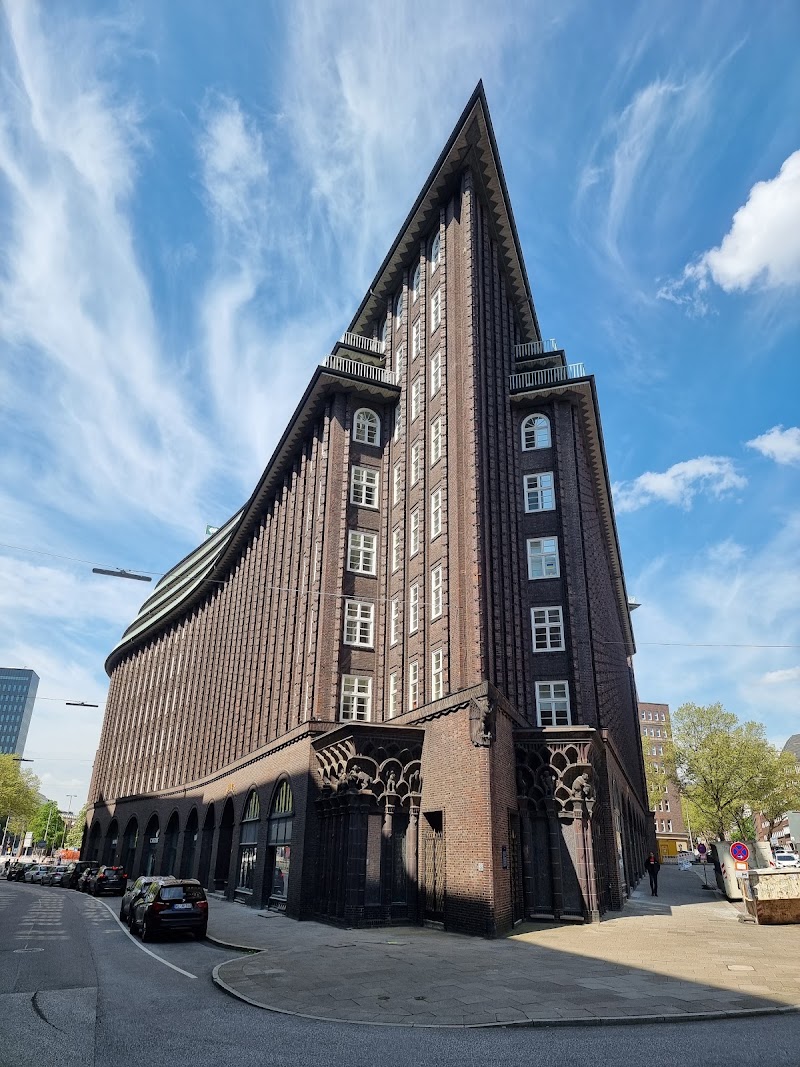
Germany · Hamburg
Chilehaus: Hamburg’s Ship-Shaped Brick Landmark
This 1924 office building rewards a slow circuit with sharp angles, elaborate brickwork and views into Hamburg’s architectural history.
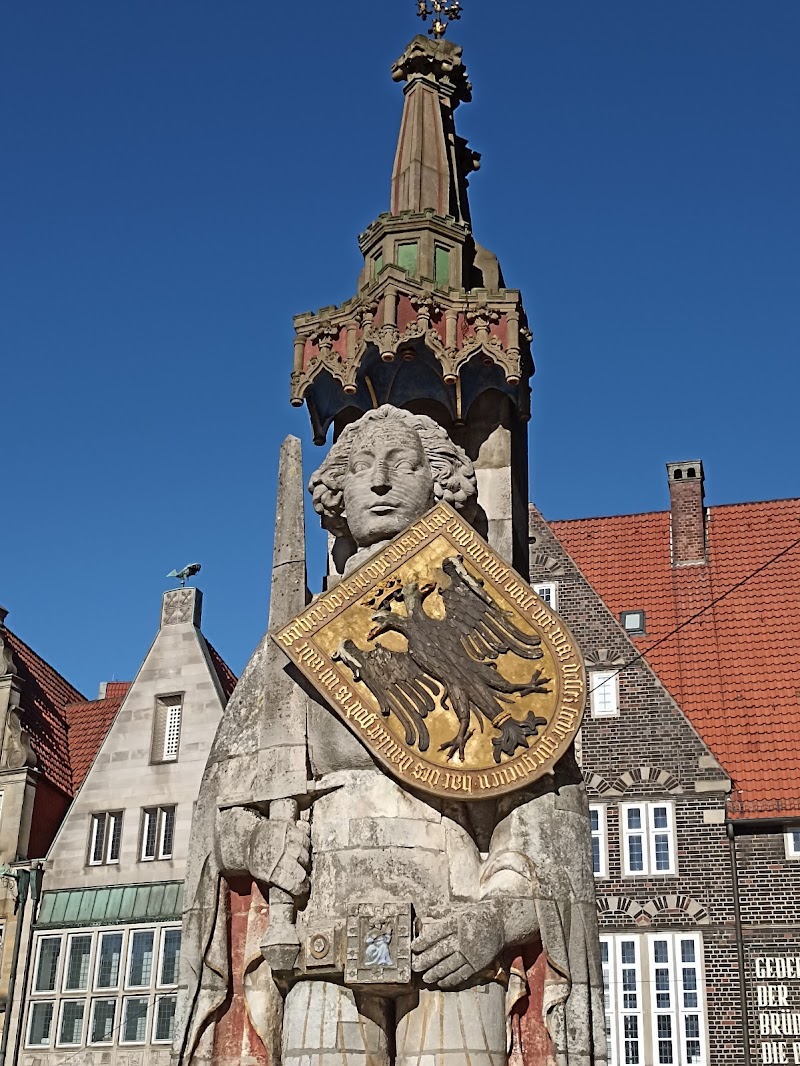
Germany · Bremen
Bremen Roland: A Symbol of Freedom on the Marktplatz
Bremen’s medieval Roland statue anchors an architectural ensemble that reviewers regard as an essential stop in the city’s historic centre.

Germany · Würzburg
Würzburg Residence: Grand Rooms and Restored Splendour
Lavish interiors, ambitious postwar restoration and formal gardens make this palace one of Würzburg’s most rewarding landmarks.