Cihu Mausoleum: History, Gardens and Memorials
Cihu Mausoleum pairs Chiang Kai-shek’s memorial site with landscaped grounds, ponds, statues and a ceremonial guard change.
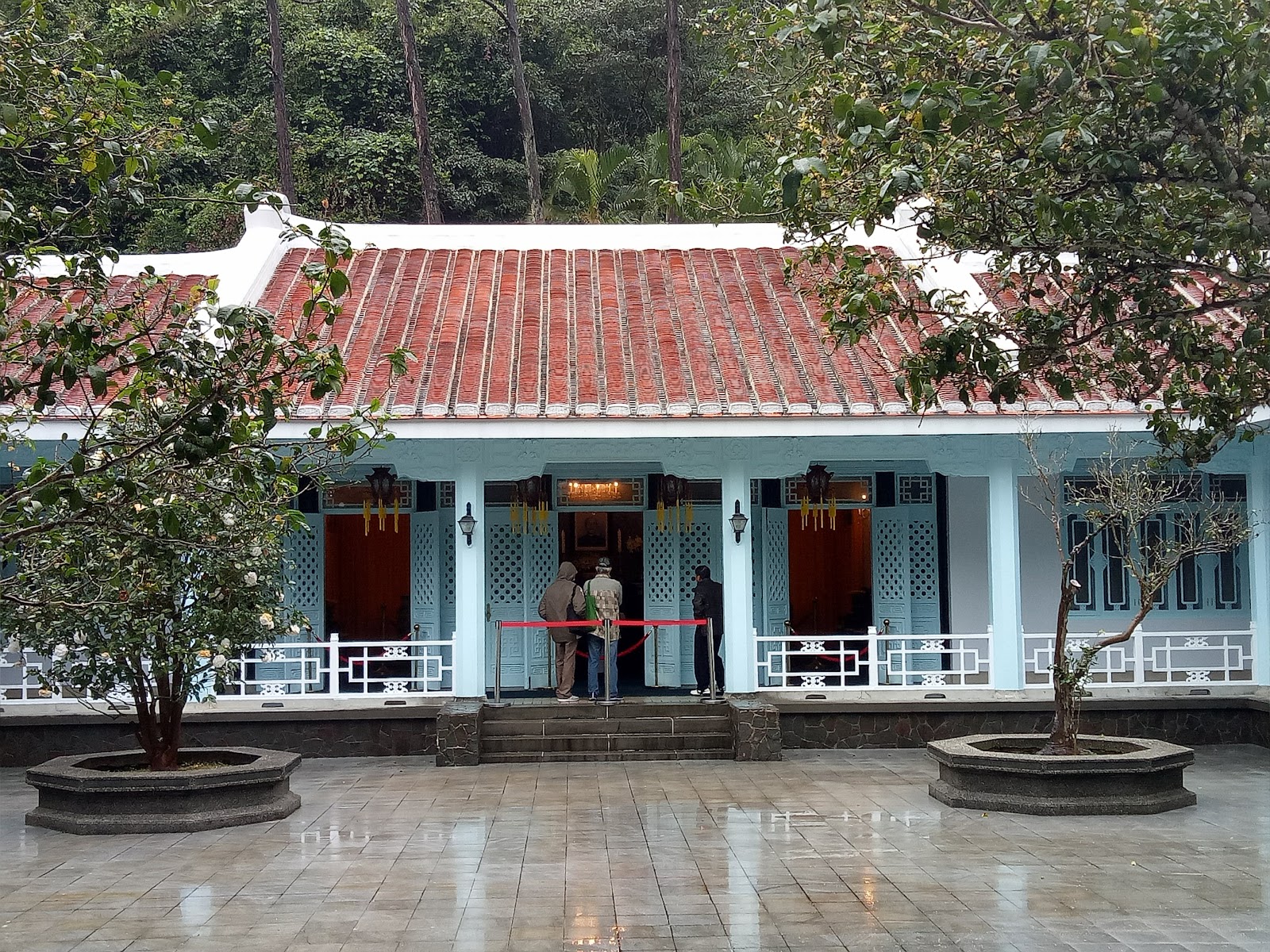
More photos
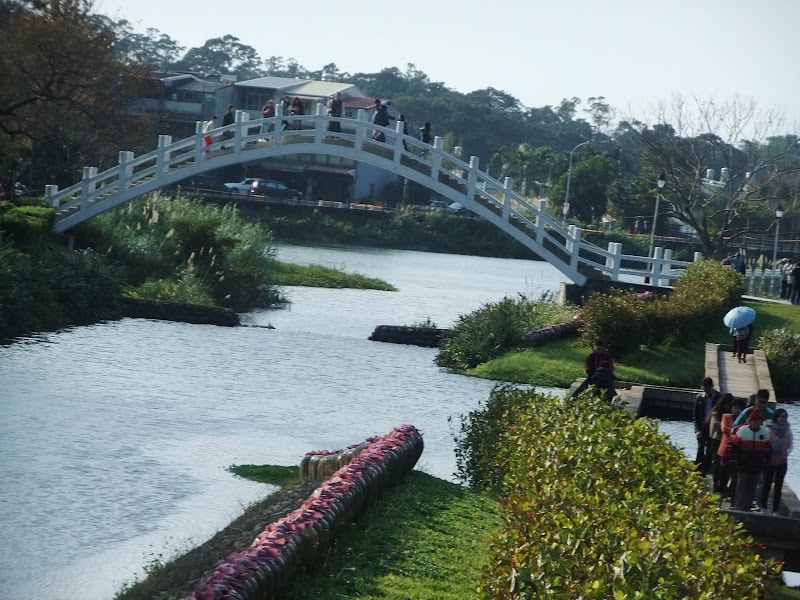

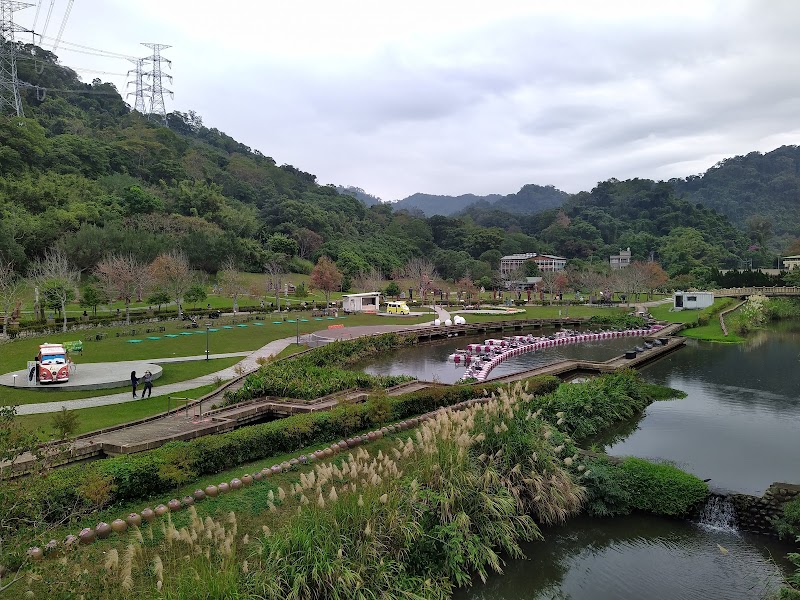


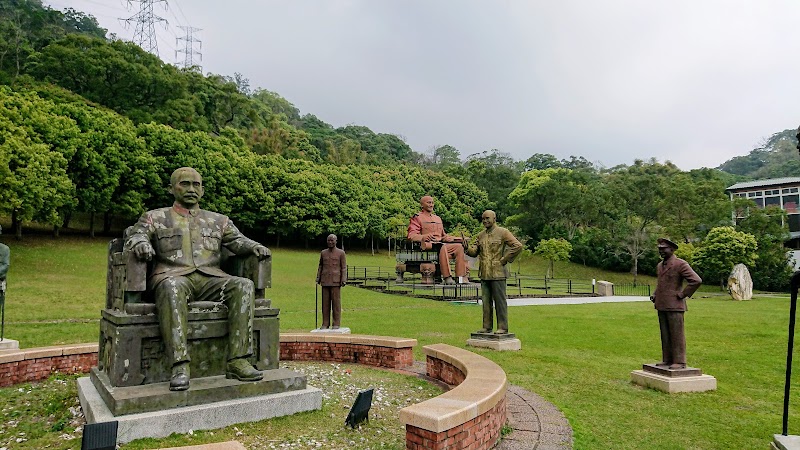
Photos published by travelers on Google, not AI generated.
What stands out
- Landscaped gardens and mountain scenery
- Ponds, streams and waterfowl
- Chiang Kai-shek statue collection
- Changing of the guard
- Former residence and mausoleum
Worth knowing
- Mausoleum interior access may be restricted
- Guard-change times should be confirmed
- Political context can be difficult to interpret
Don't miss
What comes up most in public reviews
- Changing of the guard
- Ponds and garden paths
- Chiang Kai-shek statue collection
- Sun Yat-sen statues
- Mausoleum and former residence exterior
Worth the trip?
Why visitors go
Cihu Mausoleum is both a historical landmark and a landscaped memorial park in Fu'an Village. Public feedback, including a Google rating of 4.2 from 4196 reviews, commonly praises the combination of green surroundings and a complicated chapter of Taiwan’s modern history. Reviewers often describe the setting as peaceful and dignified, with water, mountain scenery and carefully maintained gardens softening the formality of the memorial.
The site is associated with Chiang Kai-shek and incorporates one of his former residences, later used as his mausoleum. That political legacy shapes much of the visitor experience. Some reviewers approach it as a place to pay respects, while others focus on the wider historical questions raised by Chiang’s rule and Taiwan’s democratisation. It is better understood as a place for reflection than as a straightforward celebration of one figure.
Gardens, ponds and statues
The grounds receive some of the strongest praise. Reviews repeatedly mention a stream, ponds, ducks and other waterfowl, along with abundant greenery and mountain views. These features make the park appealing even for visitors with only a general interest in political history. The paths around the water and gardens also provide a calmer counterpoint to the memorial building.
Another distinctive feature is the collection of Chiang Kai-shek statues. Reviewers explain that many were relocated here after democratisation, creating an unusual display of political imagery from an earlier era. Statues of Sun Yat-sen are also reported within the grounds. Together, the works provide useful visual context, although their significance may not be immediately clear without prior reading or interpretation.
Ceremonial and historical interest
The regularly scheduled changing of the guard is frequently singled out as a highlight. It adds ceremony and movement to a visit that otherwise centres on walking, observing the grounds and considering the historical setting. Travellers interested in seeing it should confirm the day’s schedule before setting out, as the supplied reviews do not establish current performance times.
The mausoleum itself remains the emotional focus. Several reviewers were disappointed that they could not enter or view the interior, reporting that access was restricted following vandalism. Because those accounts may reflect visits at different times, current access should be checked in advance. Even when the interior is unavailable, reviewers still find value in the residence exterior, gardens, statues and guard ceremony.
Planning the visit
One review notes public transport connections from Taoyuan Station, though travellers should verify the latest route and timetable. Half a day allows time to walk through the park, see the ponds and statue collection, and wait for a guard change without rushing.
The strongest experience comes with some background knowledge. Chiang Kai-shek’s role is politically sensitive, and the meaning of the relocated statues can be difficult to interpret in isolation. Visitors who arrive prepared for competing historical perspectives are more likely to appreciate Cihu as both a scenic park and a site where Taiwan’s contested past remains visible.
Ask anything
Looking for somewhere else?
Keep exploring around Fu'an Village
More from Taiwan
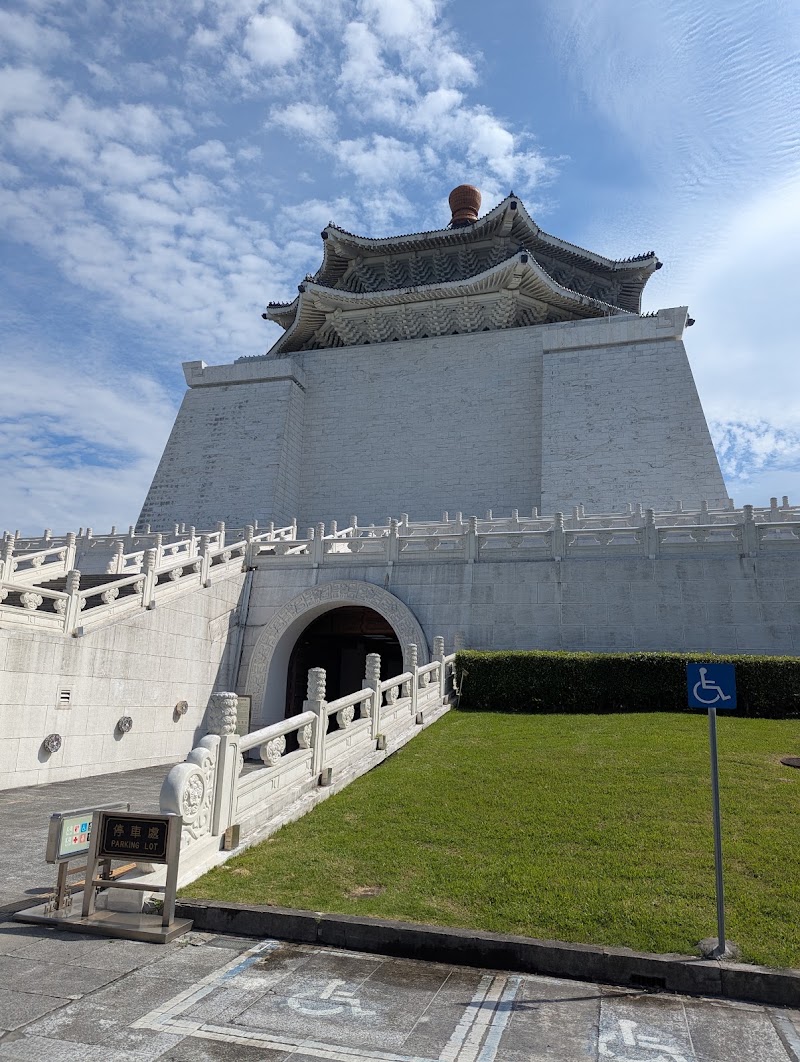
Taiwan · Xinying Village
Daxiao Gate: A Grand Entrance to a Peaceful Park
Highly rated for its architecture and setting, Daxiao Gate leads into expansive grounds associated with Chiang Kai-shek Memorial Hall.
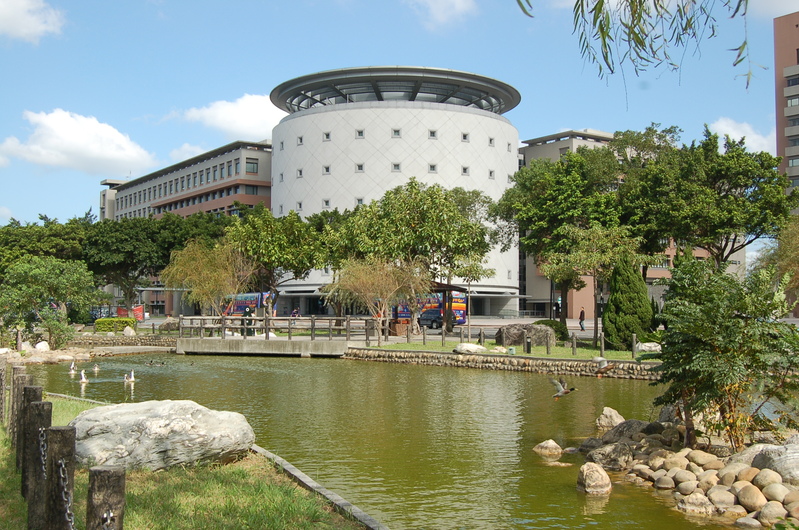
Taiwan · Wenqing Village
Formosa Plastics Group Museum: Industry and Ideas
A multi-floor museum in Wenqing Village tracing Formosa Plastics Group, Taiwan’s industrial development and changing approaches to sustainability.

Taiwan · Nanwang Village
Peinan Site: Prehistory and Open Space Near Taitung
An expansive archaeological park near Taitung Station, Peinan Site combines prehistoric interpretation, family space and an adjoining museum visit.
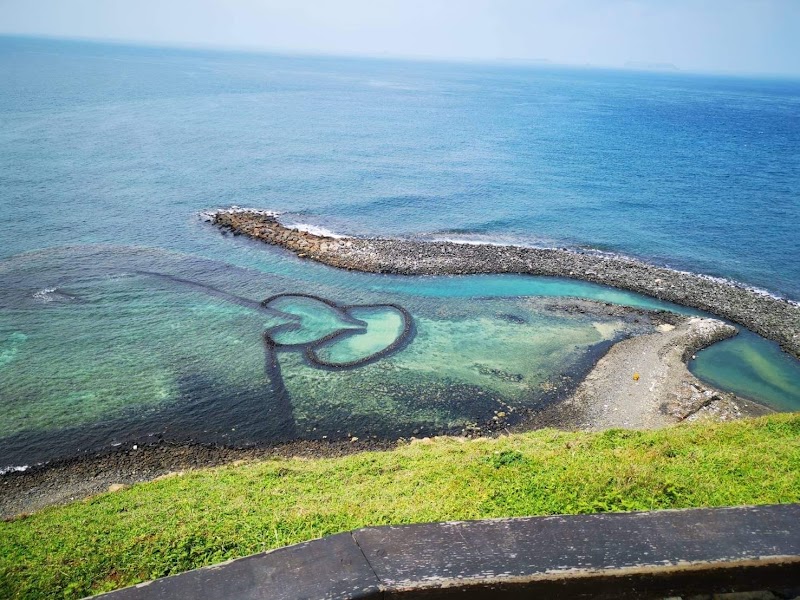
Taiwan
Twin Hearts Stone Weir: Qimei’s Coastal Landmark
This double-heart fish trap on Taiwan’s Qimei Island combines traditional coastal engineering with a memorable viewpoint over the sea.