Church of the Holy Sepulchre: History, Faith and Crowds
Jerusalem’s landmark church earns exceptional praise for its spiritual atmosphere, historic importance and striking interior, though crowds require planning.
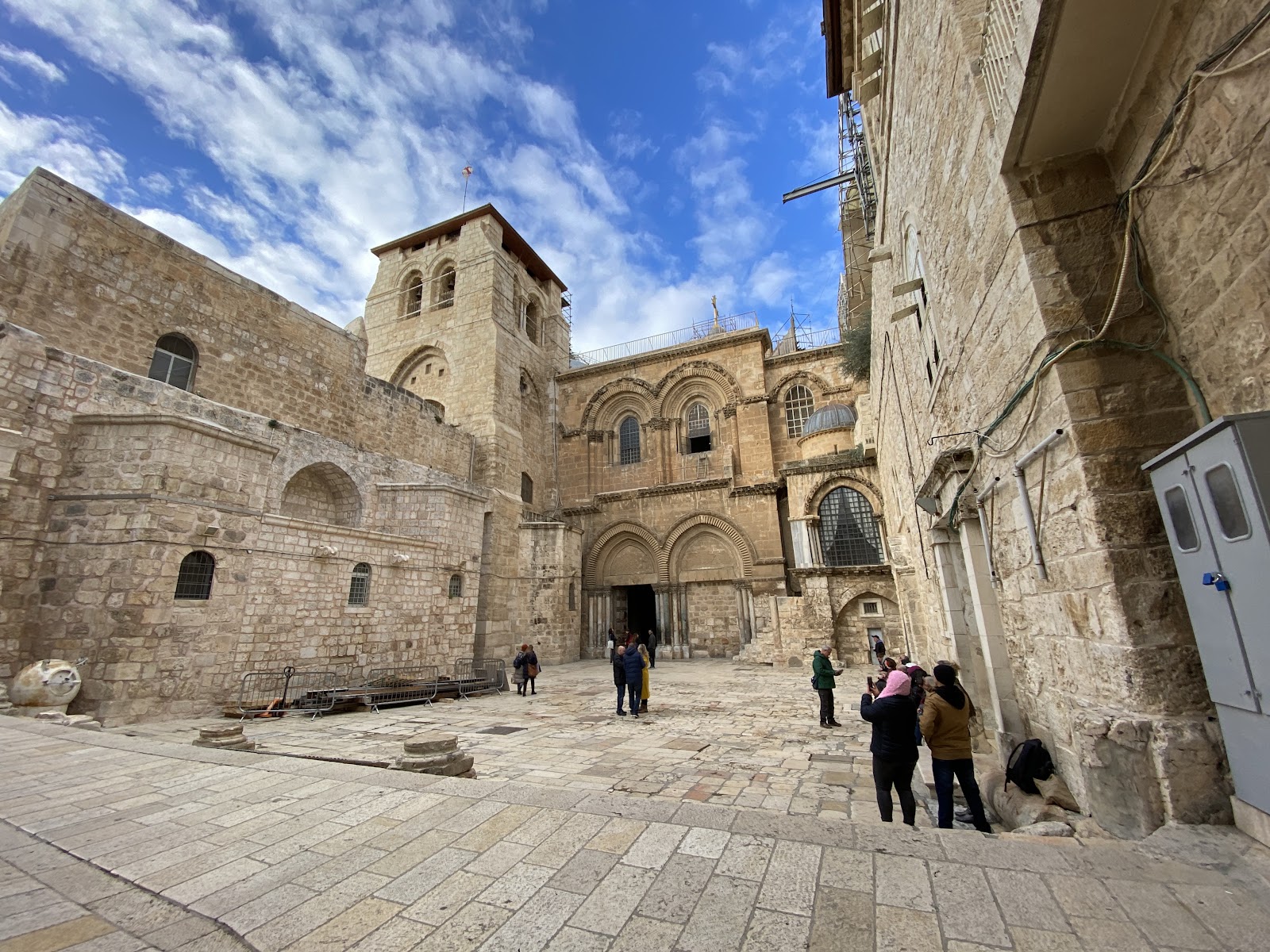
More photos
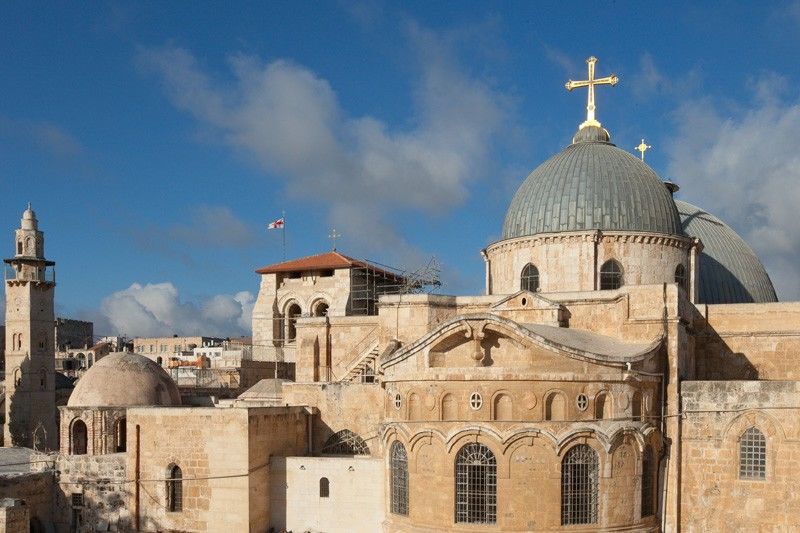


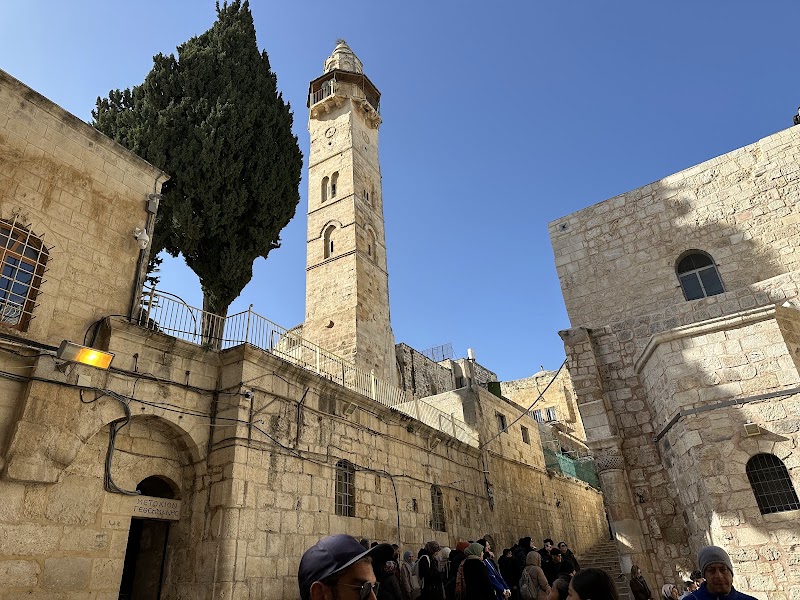
Photos published by travelers on Google, not AI generated.
What stands out
- Powerful spiritual atmosphere
- Historic church architecture
- Significance to Christian pilgrims
- Educational value for non-religious visitors
- Setting within Old Jerusalem
Worth knowing
- Heavy crowds, especially during holidays
- Limited quiet at busy times
Don't miss
What comes up most in public reviews
- The tomb associated with Jesus’ burial
- Time to walk around the historic interior
- Historical context from a guide or advance research
Worth the trip?
Why the church matters
The Church of the Holy Sepulchre is presented in public reviews as both a major Christian pilgrimage site and an essential stop for anyone exploring the religious history of Jerusalem. Christian visitors describe an intense emotional response on entering, with several emphasizing feelings of peace, warmth and holiness. The church’s association with the crucifixion and the tomb where Jesus is traditionally believed to have been laid gives the visit particular weight for pilgrims.
That significance is reflected in a Google rating of 4.7 from 25082 reviews. The strongest responses focus less on conventional sightseeing and more on the atmosphere inside. For many reviewers, the church is not simply an old building to inspect. It is a functioning place of worship where history, belief and personal reflection overlap.
What visitors praise
The historic structure and interior architecture receive repeated admiration. Reviewers call the church beautiful and describe walking through it as powerful, peaceful and memorable. Even when the building is busy, its age and religious associations appear to make a lasting impression.
The appeal is not restricted to religious travellers. One non-religious reviewer found the experience deeply educational and appreciated the church through its historical importance. That broader response makes it a worthwhile stop for visitors interested in architecture, Jerusalem’s past or the connections among the faith traditions represented within the Old City.
Reviews also suggest that context significantly improves the visit. Without some understanding of the traditions attached to the site, parts of the interior may be difficult to interpret. A guided tour or advance research can help visitors understand why particular areas matter and how the church fits into the wider religious history of Jerusalem.
Crowds and timing
Crowding is the clearest recurring concern. Reviewers repeatedly describe the church as busy, particularly during religious holidays. The number of pilgrims can affect both movement through the building and the opportunity for quiet reflection. Some visitors accept the bustle as part of the character of such an important pilgrimage site, while others strongly recommend planning around it.
Early morning is the most consistently suggested time to arrive. Reviews also recommend avoiding major holiday periods, or visiting a week before or after, when possible. Those choices may provide a calmer atmosphere and more time to appreciate the historic interior without the heaviest flow of people.
Respectful behaviour is appropriate throughout. The building remains a sacred place rather than a conventional museum, and many visitors are present for prayer or pilgrimage.
Editorial verdict
Synthesizing the public feedback, the Church of the Holy Sepulchre stands out as one of Jerusalem’s most emotionally resonant attractions. Its strongest qualities are spiritual atmosphere, historical importance and the ability to engage religious and non-religious visitors alike.
Crowds are the principal drawback, but timing and preparation can make a substantial difference. An early visit supported by a guide or prior reading offers the clearest route to understanding the church beyond its visual impact. For travellers exploring the Old City, it merits serious attention rather than a hurried stop.
Ask anything
Looking for somewhere else?
Keep exploring around Jerusalem
More from Israel
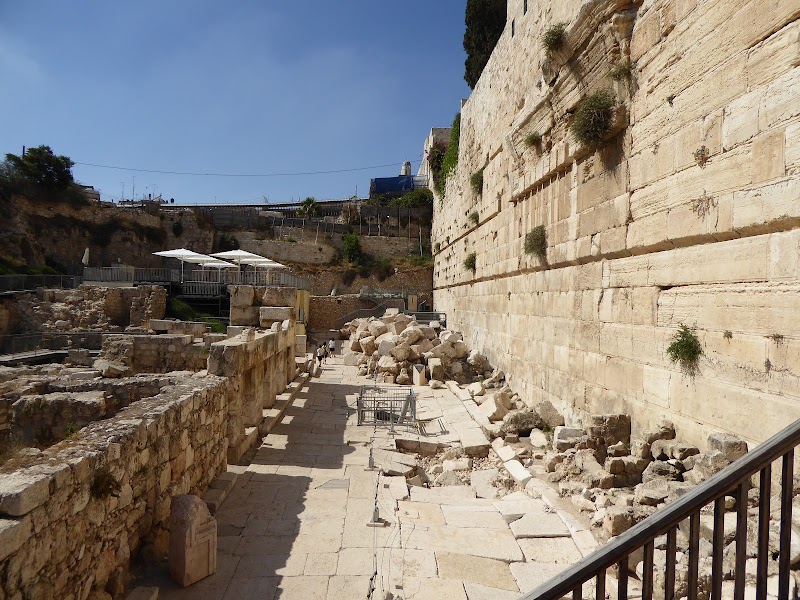
Israel · Jerusalem
Ancient Jerusalem in Stone at the Western Wall Excavations
Ruins, ritual spaces and a compact coin display add archaeological depth to a visit around Jerusalem’s Western Wall.
Israel
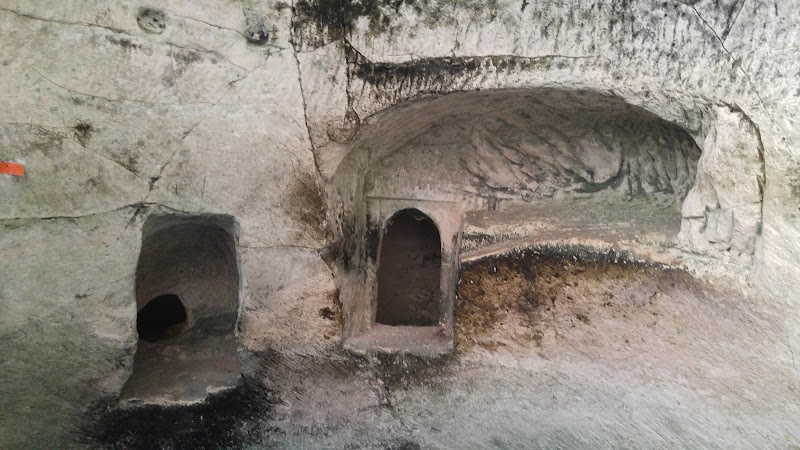
Maresha: Hilltop Views and a Varied Underground World
Maresha combines flower-covered hilltop scenery with labyrinth, bell and painted burial caves shaped by a complex Hellenistic past.
Israel · Ein Al Sultan
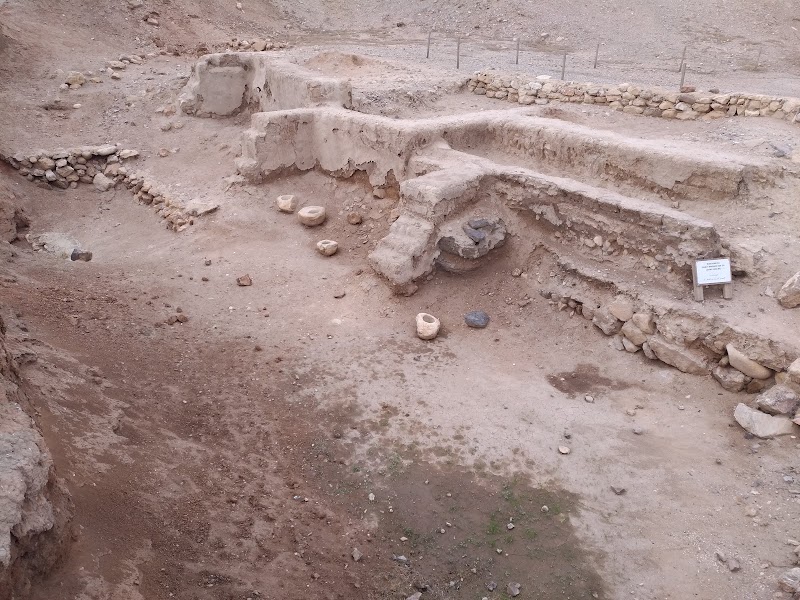
Ancient Jericho at Tell es-Sultan: History in Layers
Public reviews praise Tell es-Sultan’s immense archaeological significance, while cautioning that its excavated remains can appear modest at first glance.
Israel · Jerusalem
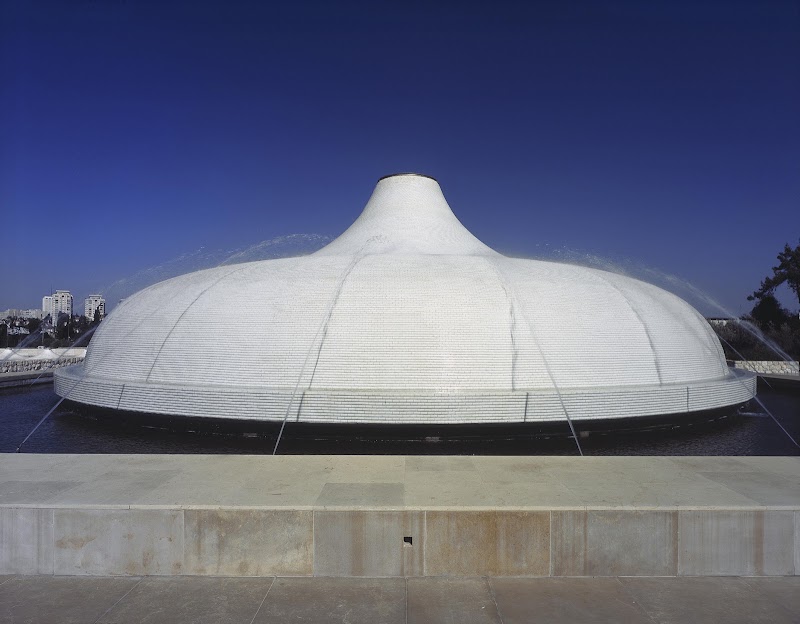
Shrine of the Book: Jerusalem’s Scrolls and Sacred Texts
Public reviews praise this Israel Museum attraction for its Dead Sea Scrolls, Isaiah exhibit, historic codex and nearby model of ancient Jerusalem.