Chumphu Nye: A Sacred Hike Through Paro’s Forests
Public reviews describe Chumphu Nye as a peaceful but demanding pilgrimage hike, with river trails, sacred formations and a temple dedicated to Dorji Phagmo.
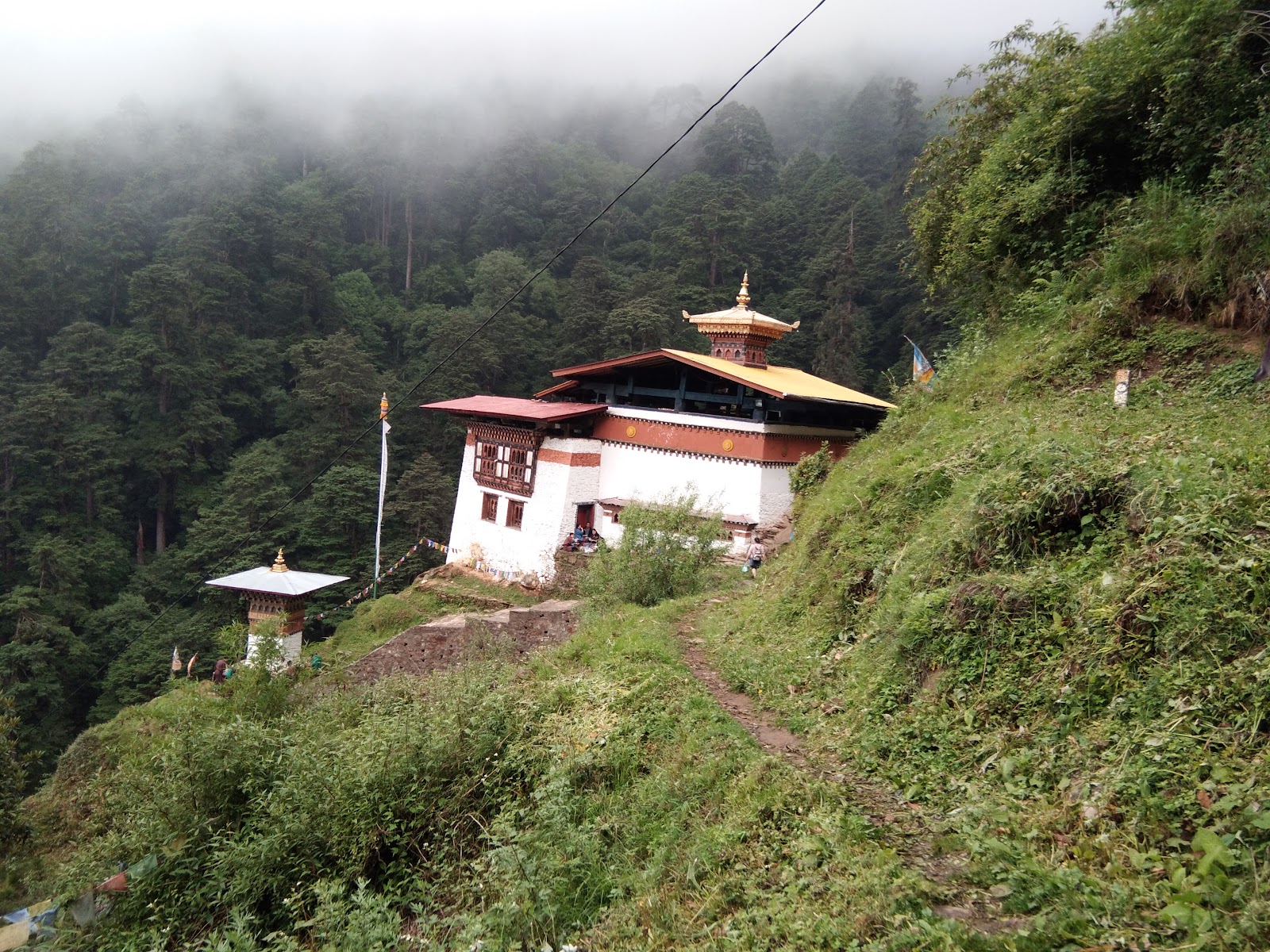
More photos
Photos published by travelers on Google, not AI generated.
What stands out
- Peaceful forest and river trail
- Temple dedicated to Dorji Phagmo
- Sacred rock formations linked with Guru Rinpoche
- Waterfalls and caves
- Remote mountain scenery
Worth knowing
- Rain can make the route dangerous
- Road access may be unavailable
- Allow several hours for the hike
Don't miss
What comes up most in public reviews
- Visit the Dorji Phagmo temple
- Follow the river trail
- See the sacred rock formations
- Look for waterfalls and caves
Worth the trip?
What the reviews show
Chumphu Nye has a Google rating of 4.7 from 79 reviews. Public feedback consistently presents it as a spiritual hiking destination rather than a quick sightseeing stop. The route leads through forested mountain country, alongside a river and past rock formations associated with Guru Rinpoche. At the upper reaches, travellers describe a temple dedicated to Dorji Phagmo, also known as Vajravarahi.
The atmosphere is a major part of the appeal. Reviewers repeatedly mention peace, quiet and a sense of sacredness. The setting includes waterfalls, caves and mountain scenery, though the exact route and access conditions vary in the accounts. One review describes a journey of several hours, while another reports a much longer outing after an access road was unavailable.
The hike itself
Chumphu Nye requires preparation. Reviews describe the walk as rewarding but strenuous, with some travellers calling it one of their hardest hikes. A route that is manageable in dry conditions can become significantly more difficult in rain. One account says the group had to add roughly four kilometres because the road to the trail base could not be used, turning the excursion into an approximately eight-hour day.
The trail is not presented as uniformly extreme. Another reviewer calls it a peaceful hike and says the trail is not especially hard. That difference is useful context: difficulty depends on the route used, recent weather and the condition of the access road. Travellers should confirm the current starting point before setting out and allow time for a slow ascent.
What makes the destination special
The temple at the top is the central draw. Reviewers say reaching it feels meaningful, particularly after following the river and passing through the forest. The connection with Guru Rinpoche, the sacred rock formations and the remote setting give the walk a pilgrimage character rather than the feel of a standard nature excursion.
The natural details reward a patient pace. Waterfalls, caves, forest trails and mountain views recur in the public descriptions. The route appears best suited to people who value quiet surroundings and cultural significance over convenience. It is not a stop for travellers looking for easy access or a brief temple visit.
Planning notes
The clearest warning concerns the rainy season. One reviewer strongly advises against visiting between June and August after completing the hike in wet conditions. Mud, slippery ground and road access can add difficulty, so travellers should check conditions locally before departure. No reliable public price information was provided in the supplied listing data.
For visitors staying in Paro, Chumphu Nye is best treated as a full-day excursion, with time reserved for the approach, the temple visit and the return journey. Public reviews do not establish a single standard distance or duration. A local guide or informed host can help confirm the trailhead and current access before the hike begins. The destination suits experienced walkers and pilgrims who are comfortable with a remote, weather-sensitive route.
Plan the rest of the trip
Ask anything
Looking for somewhere else?
Keep exploring around Paro
More from Bhutan

Bhutan · Thimphu
Royal Botanical Garden Serbithang: A Quiet Thimphu Escape
Peaceful trails, Himalayan plants and mountain views make this garden a worthwhile nature stop outside Thimphu, with some maintenance gaps noted.
Bhutan · Pachu
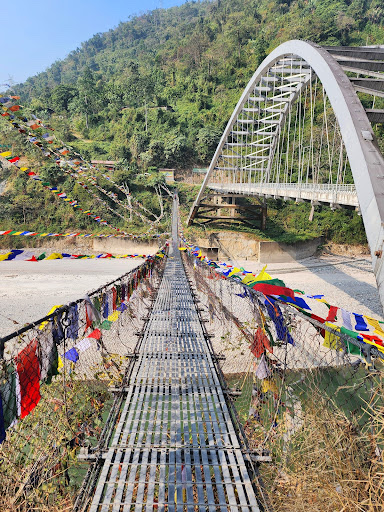
Amochu Suspension Bridge: A Scenic Walk Over the River
Public reviews rate this Pachu attraction highly for its river views, mountain setting and short suspension-bridge walk near Phuentsholing.
Bhutan · Teoprongchu
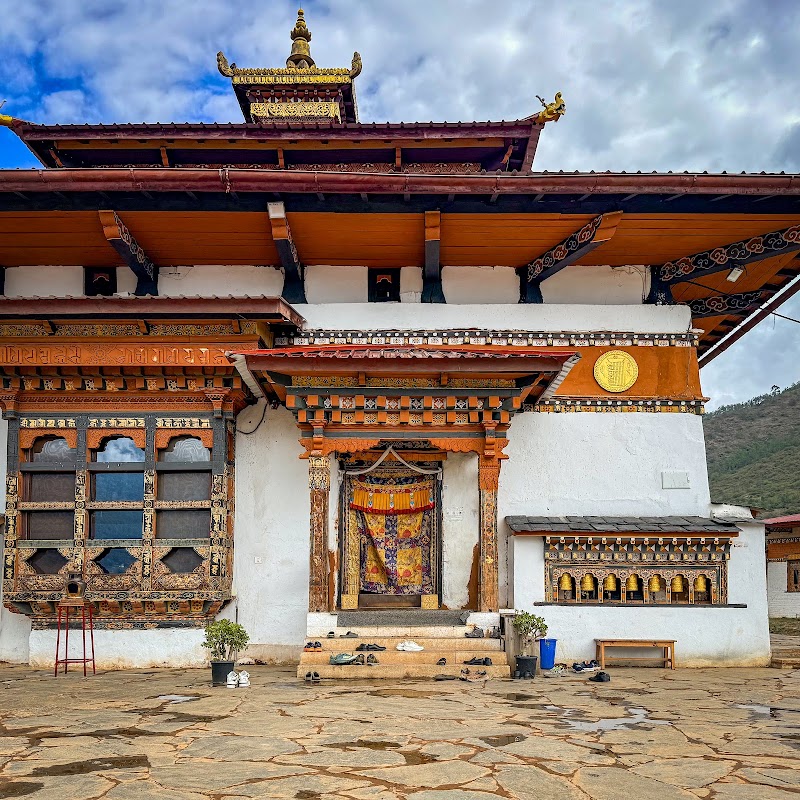
Chimi Lhakhang, Bhutan’s Fertility Temple in the Punakha Valley
Chimi Lhakhang combines a short rural walk, distinctive religious symbolism and the stories of Bhutan’s unconventional Divine Madman.
Bhutan · Chapna N.C.
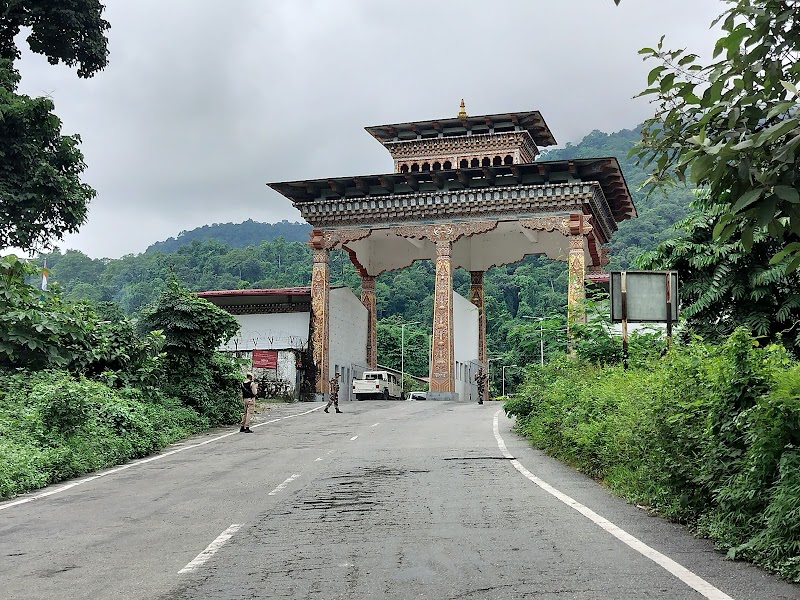
Indo-Bhutan Border Gateway: A Practical Crossing Visit
This India-Bhutan gateway offers a brief cultural stop, photo opportunities and a firsthand look at the contrast between Jaigaon and Phuentsholing.