Choeung Ek: Phnom Penh’s Essential Place of Remembrance
A carefully preserved memorial site where an effective audio guide and stark physical evidence illuminate Cambodia’s Khmer Rouge history.

More photos
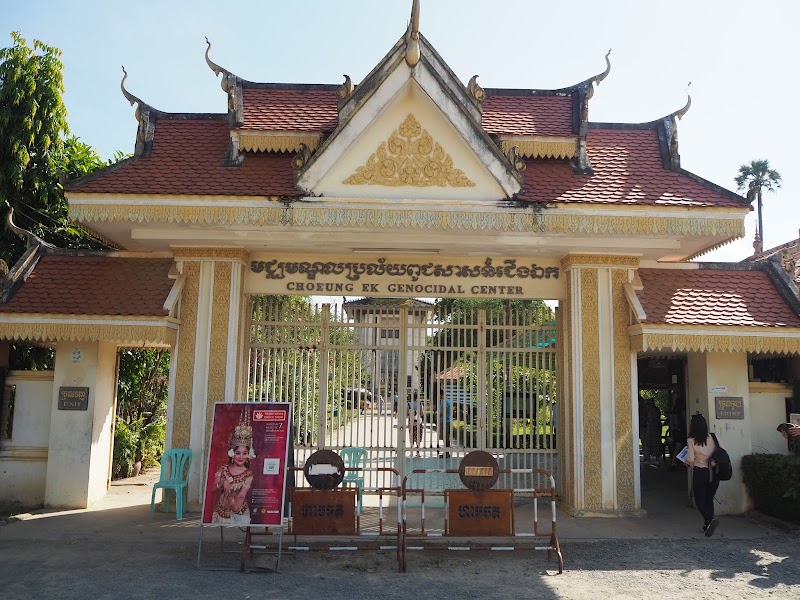
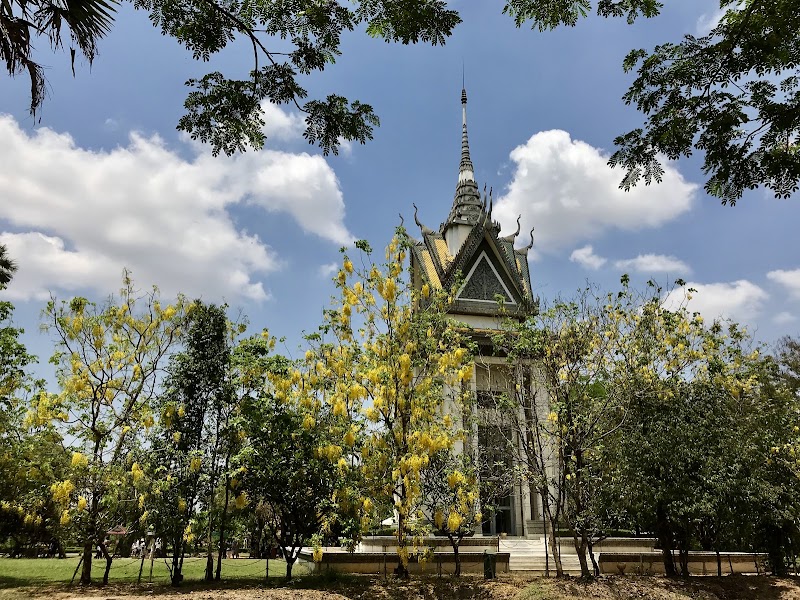

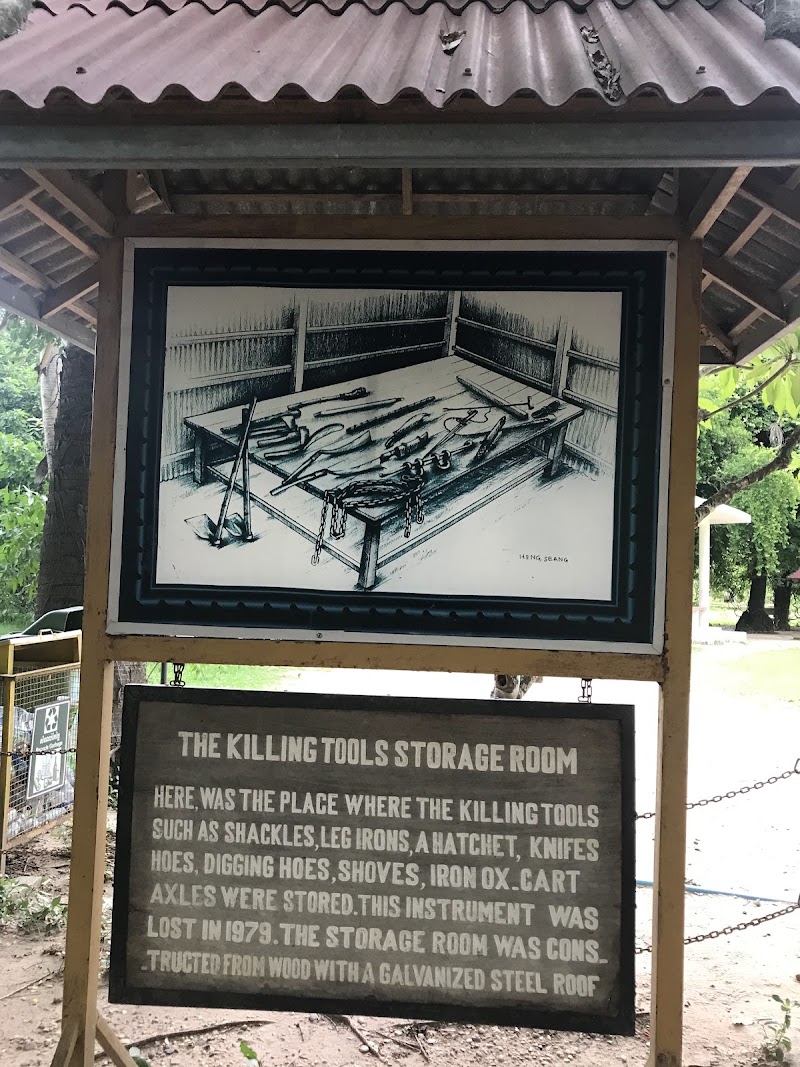

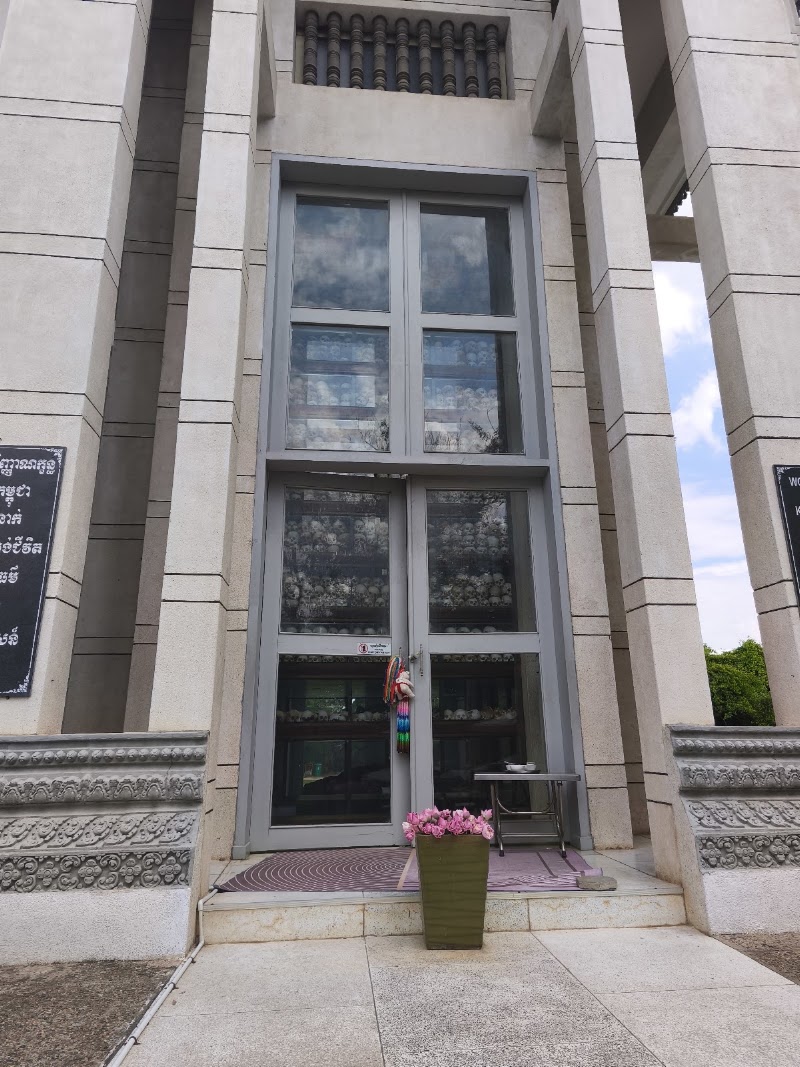
Photos published by travelers on Google, not AI generated.
What stands out
- Powerful and well-integrated audio guide
- Respectfully preserved memorial grounds
- Visible burial pits
- Personal stories and historical context
- Peaceful setting for reflection
Worth knowing
- Emotionally distressing subject matter
- Graphic history of mass violence
- Requires a quiet, respectful approach
Don't miss
What comes up most in public reviews
- Follow the audio tour
- See the burial pits
- Read the map and on-site signage
- Visit Tuol Sleng first for added context
Worth the trip?
Why Choeung Ek matters
Choeung Ek Genocidal Center is not a conventional museum visit. It is a place of remembrance, education and mourning, preserving evidence of mass killing under Cambodia’s Khmer Rouge regime. Public feedback gives the attraction a Google rating of 4.6 from 2144 reviews, with recurring praise for the respectful presentation of an exceptionally difficult subject.
Reviewers commonly describe the experience as moving, heartbreaking and essential. The site’s quiet grounds contrast sharply with their history, while the visible burial pits make the scale of the atrocities feel immediate. Several visitors stress that Choeung Ek helps keep a less widely understood chapter of 20th-century history from being forgotten.
The audio-guided experience
The audio guide is the strongest recurring feature in public reviews. Visitors report that it combines historical context with personal stories, creating a clear narrative as they move around the grounds. One review also notes how effectively the recording works with the physical map and on-site signage.
This structure appears especially useful at a location where the surviving landscape carries much of the story. Rather than treating the grounds as a collection of disconnected stops, the audio material helps explain what happened at specific points and why they matter. Reviewers suggest that the result is informative without losing sight of the people who suffered here.
Guided visits can also add context. One traveller praised a guide who shared personal knowledge before allowing time for independent reflection. Whether using a guide or the audio tour, the consensus is that Choeung Ek rewards a slow, attentive visit rather than a hurried circuit.
What the visit feels like
The most consistent warning is emotional rather than practical. Reviews describe Choeung Ek as sombre, chilling and deeply upsetting. The burial pits and accounts of mass violence confront visitors with the physical reality of genocide, so this is not an attraction suited to casual sightseeing or light entertainment.
At the same time, reviewers frequently call the grounds peaceful and well maintained. That careful preservation appears to support the site’s commemorative purpose, giving visitors space to listen, walk and reflect. The tone is repeatedly described as respectful, with an emphasis on remembrance, historical understanding and the consequences of political violence.
Visitors should arrive prepared for distressing material and behave accordingly. Quiet conversation, patience around the audio stops and respect for the memorial setting are appropriate throughout.
Pairing it with Tuol Sleng
One reviewer specifically recommends visiting the Tuol Sleng Genocide Museum first. That sequence can provide broader context on the Khmer Rouge regime before Choeung Ek focuses attention on the killing site and its victims.
Taken together, the two locations can form a demanding but coherent historical experience in Phnom Penh. Choeung Ek’s particular strength lies in the connection between narration, signage and the surviving landscape. It is difficult, sobering and unlikely to be forgotten, which is precisely why public reviews regard it as an important visit rather than simply another stop on an itinerary.
Ask anything
Looking for somewhere else?
Keep exploring around Phnom Penh
More from Cambodia
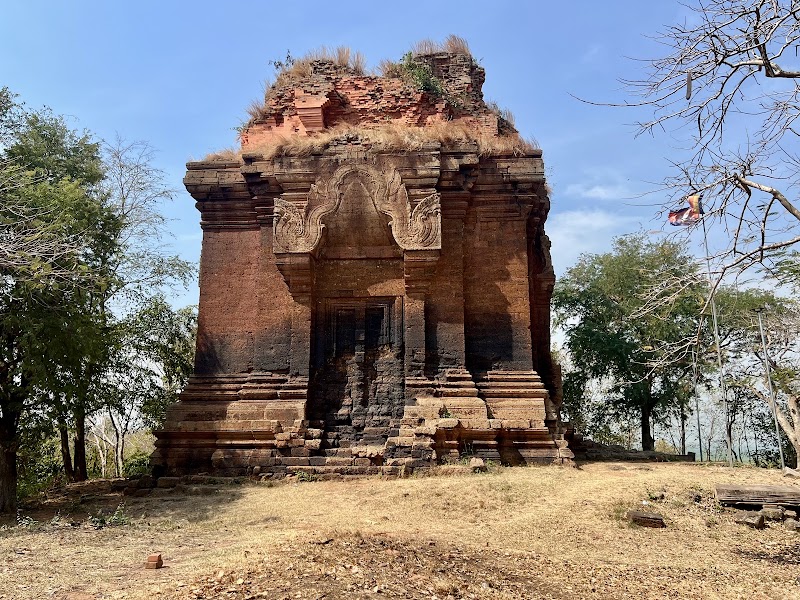
Cambodia · Angkor Borei
Phnom Da Temple: Hilltop History in Angkor Borei
An atmospheric hilltop temple where a short stair climb leads to ancient Khmer architecture, broad landscapes and a notably quiet setting.
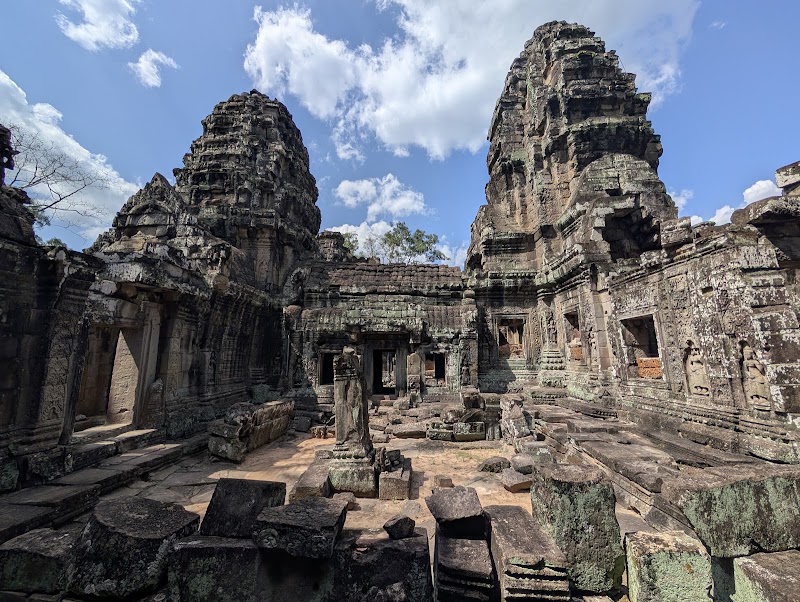
Cambodia · Krong Siem Reap
Banteay Kdei offers a calmer walk through Angkor’s ruins
Long corridors, apsara carvings and tree-framed stonework make this an appealing, easily accessed stop opposite Srah Srang.
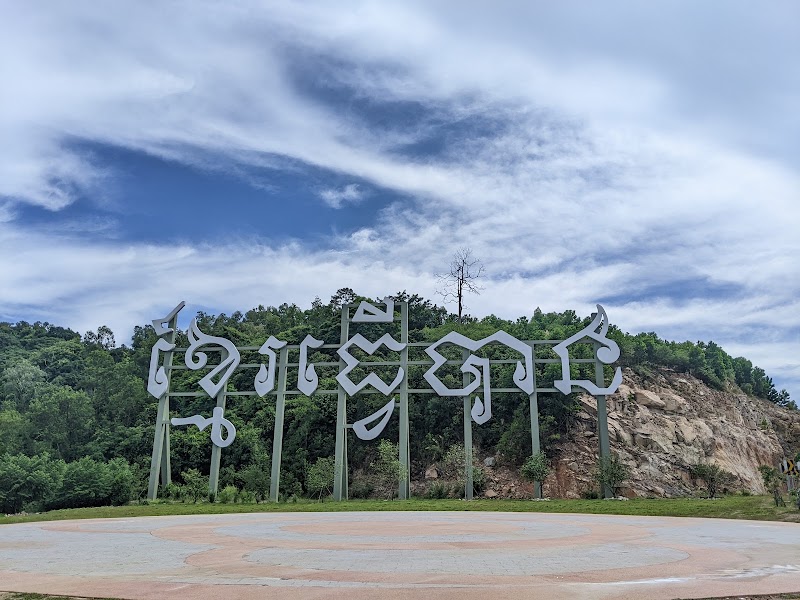
Cambodia
Cambodian Can Do It: A Scenic Sihanoukville Viewpoint
Public reviews highlight a photogenic hilltop panorama where the sea, mountains and Sihanoukville surroundings come together.
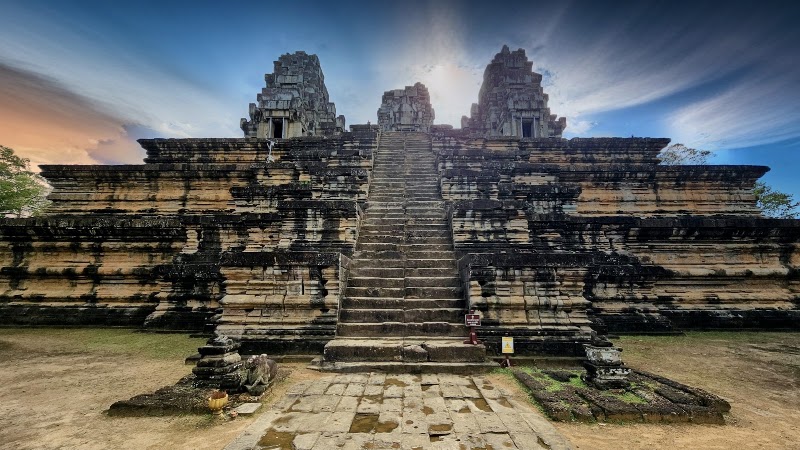
Cambodia · Krong Siem Reap
Ta Keo Temple: A Steep Sandstone Pyramid at Angkor
Ta Keo rewards a short stop with imposing tiered architecture, an unfinished character and broad views after a demanding climb.