Chinggis Khaan National Museum: Mongolia’s History in Focus
Ulaanbaatar’s vast modern museum traces Mongolian history through immersive galleries, archaeological displays and a grand top-floor hall.
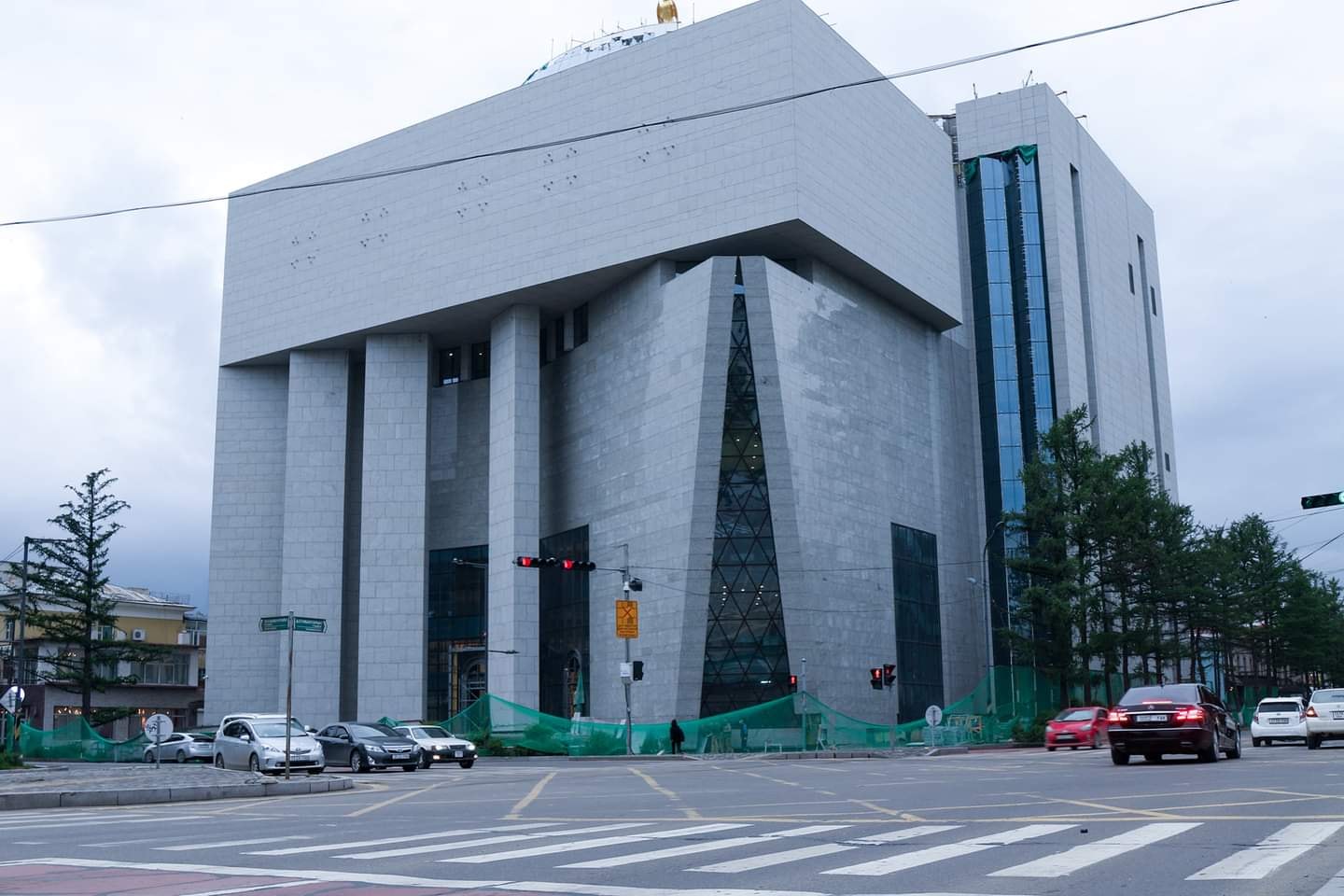
More photos
Photos published by travelers on Google, not AI generated.
What stands out
- Chronological galleries across multiple floors
- Reconstructed archaeological burial
- Top-floor Chinggis Khaan Hall
- Golden statue of Chinggis Khaan
- Modern architecture with Mongolian motifs
Worth knowing
- Top-floor hall may require an additional ticket
- Separate photography charge and restrictions
- English interpretation may vary
Don't miss
What comes up most in public reviews
- See the reconstructed archaeological burial
- Visit the top-floor Chinggis Khaan Hall
- View the large golden statue
- Ask which galleries the ticket includes
- Check photography rules before paying
Worth the trip?
Why it stands out
The Chinggis Khaan National Museum holds a 4.5 Google rating from 1776 reviews, putting it among Ulaanbaatar’s most reliably praised cultural attractions. Public reviews often suggest making it a first stop in Mongolia. The reason is straightforward: its galleries offer a broad chronological grounding in the country’s history.
This is a large, modern museum covering multiple floors, according to reviewers, and each level focuses on a particular period. The story stretches well beyond the life and legacy of Chinggis Khaan, setting the Mongol Empire within a much longer historical narrative. Several visitors find the displays more engaging and contemporary than those in the nearby National Museum of Mongolia, while also noting that the two institutions serve different purposes and hold different collections.
The building gets its share of notice too. Reviews regularly point to the monumental golden entrance, the modern architecture and the traditional Mongolian motifs worked into the facade.
Galleries and visitor experience
Curation and presentation receive strong marks. Travellers describe galleries that feel immersive and carefully designed, yet remain manageable given the size of the building. Each floor follows a structured one-way route, running from the gallery entrance to an exit near the escalators. It is a practical layout. Visitors can move upward through the chronology without repeatedly doubling back.
A reconstructed archaeological burial is among the exhibits most often singled out in reviews. Instead of presenting artefacts only as detached objects, the display adds context about how such discoveries are made. Another repeated highlight is the top-floor Chinggis Khaan Hall, especially its large golden statue. Protective shoe coverings may be required before visitors enter this space.
Artefacts have English labels, making the collection easier to follow for international travellers. The longer interpretive material is another matter. At least some reviewers say English coverage can be less consistent or less detailed there. Visitors looking for more depth may want to check on the day whether an audio guide, guided visit or other English-language interpretation is available.
Tickets and photography
Ticketing draws the most mixed response in public feedback. Reviews indicate that the top-floor hall or special exhibition may need an additional ticket rather than being covered by standard admission. Inclusions are not always obvious, so visitors should confirm exactly which galleries a ticket covers before paying.
Self-service ticket machines are available. Still, reviewers say the staffed counter can be the easier choice when queues are short. Photography also needs checking in advance. Public feedback refers to a separate photography charge, while restrictions continue to apply in certain rooms and around some objects. Anyone planning to document the visit should ask where photography is allowed before buying that option.
Editorial verdict
Taken together, the public ratings and reviews make a strong case for the museum as a choice for first-time visitors, history enthusiasts and travellers seeking context before seeing the rest of Mongolia. Its scale warrants at least half a day. The logical floor-by-floor route stops the visit from feeling chaotic, even with so much material to cover. Ticket supplements, photography rules and uneven English interpretation are the main cautions. Even so, the polished presentation and broad scope place it among Ulaanbaatar’s most compelling museum visits.
Plan the rest of the trip
Ask anything
Looking for somewhere else?
Keep exploring around Ulaanbaatar
More from Mongolia

Mongolia
Khan Khentii: Mountains, Forests and Nomadic Landscapes
Public reviews portray Khan Khentii as a tranquil expanse of green valleys, forests and mountains suited to slow outdoor exploration.
Mongolia · Dalanzadgad
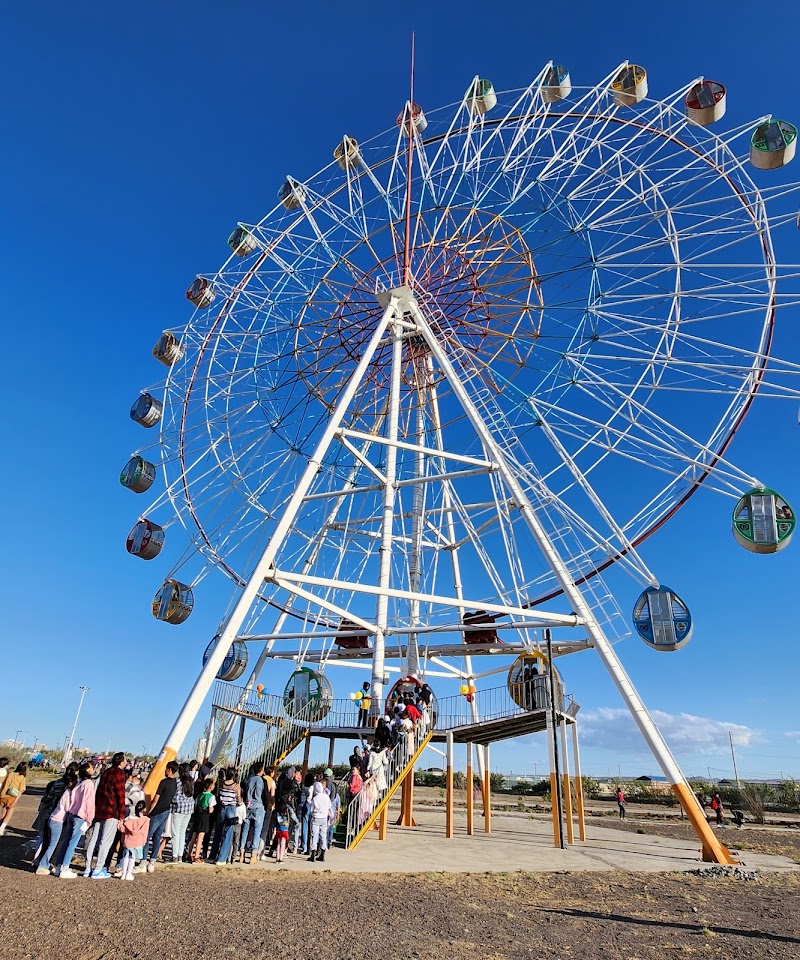
Ömnögovi Aimag Culture & Recreation Center review
Dalanzadgad’s dinosaur-themed recreation park offers a short, family-friendly stop, though ageing sculptures and faulty animatronics temper expectations.
Mongolia
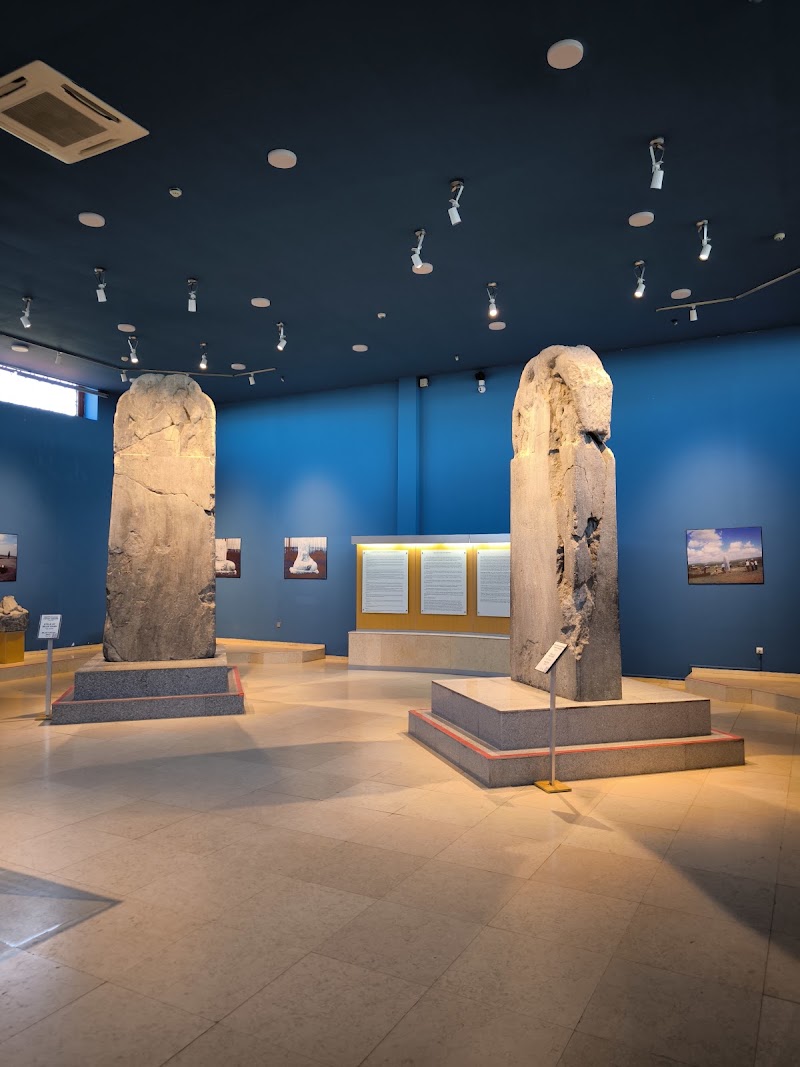
Göktürk history at Khoshoo Tsaidam
A compact museum near Kharkhorin preserves the Orkhon Inscriptions and major artefacts from the early history of the Turkic peoples.
Mongolia · Ulaanbaatar
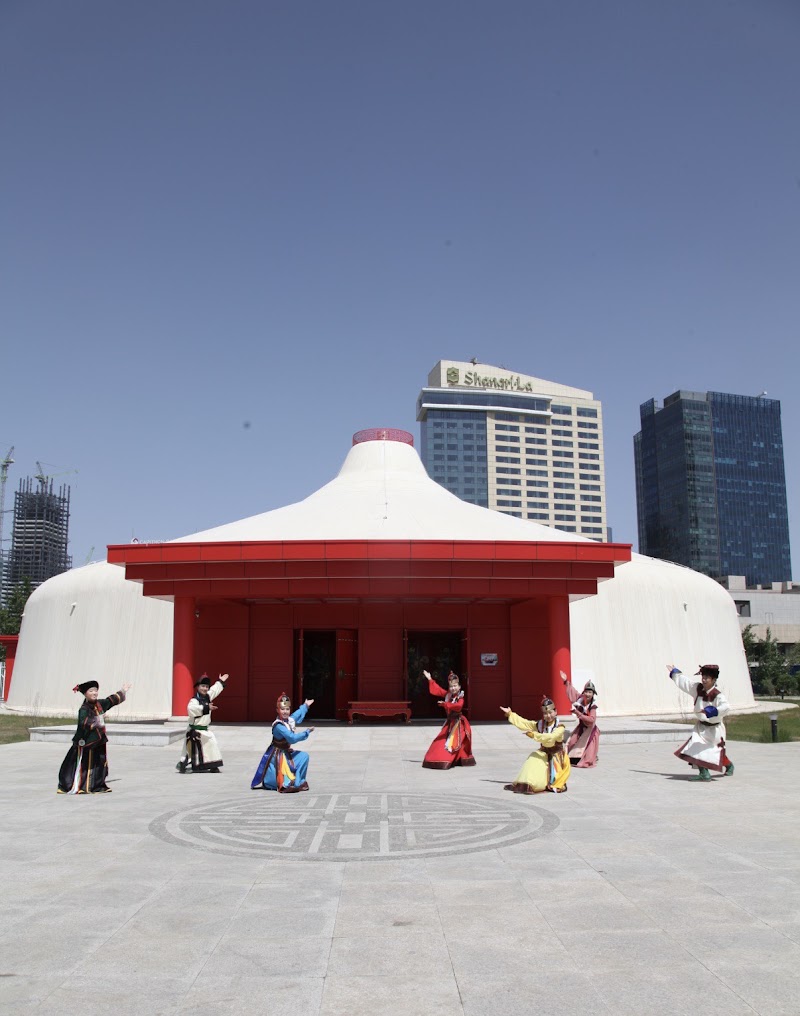
Tumen-Ekh packs Mongolian performance into one vivid hour
Throat singing, horsehead fiddle, dance and contortion make this compact Ulaanbaatar folklore show a strong cultural introduction.