Chemtou Archaeological Site: Marble, Ruins and History
Chemtou pairs a well-presented museum with Numidian and Roman remains, an ancient quarry and a striking landscape shaped by orange-toned marble.
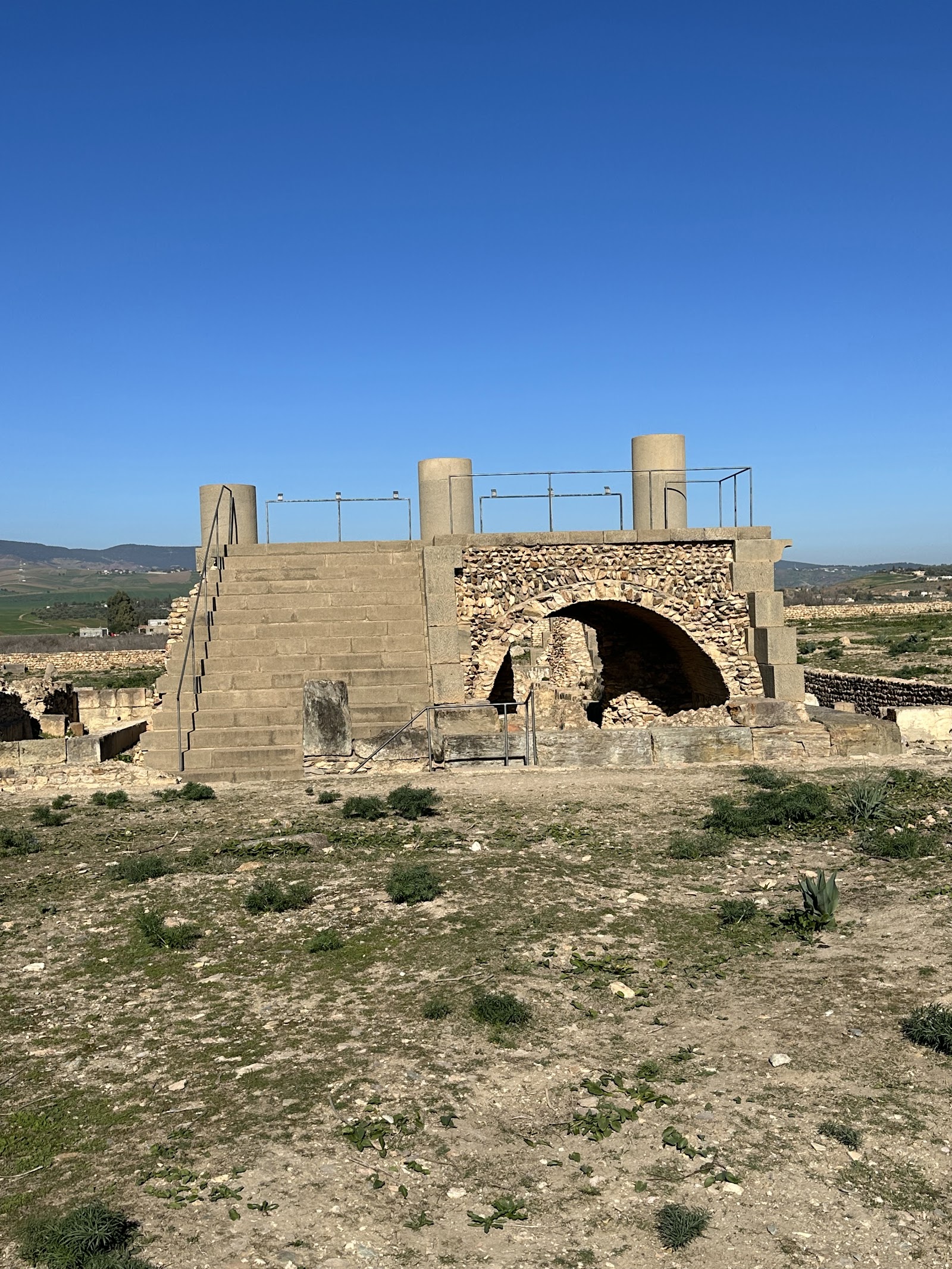
More photos
Photos published by travelers on Google, not AI generated.
What stands out
- Museum displays on Chemtou’s past
- Ancient marble quarry on the hill
- Orange-toned marble rocks
- Numidian and Roman history
- Peaceful archaeological landscape
Worth knowing
- The site is larger than it first appears
- Some ruins feel modest beside other Tunisian sites
Don't miss
What comes up most in public reviews
- Visit the museum before the outdoor site
- Climb the hill to the ancient quarry
- Examine the orange-toned marble
- See the theatre, road and amphitheatre
Worth the trip?
Why Chemtou stands out
Chemtou Archaeological Site holds a Google rating of 4.7 from 43 reviews, with travellers repeatedly focusing on its distinctive quarrying history, peaceful setting and combination of museum displays and outdoor remains. This is not simply another collection of Roman ruins. The site’s identity is tied to the orange-toned marble extracted here, giving the visit a clearer and more unusual theme than many broad archaeological complexes.
Public feedback describes Chemtou as historically rich and scenic, with roots in the Numidian period before its development under Roman rule. Reviewers particularly value the opportunity to connect the surviving structures with the story of marble extraction. Piles of marble rock and the quarry landscape make that industrial history tangible rather than abstract.
Start with the museum
The museum is the most useful introduction. Reviews call its displays thoughtful and well presented, and one traveller specifically recommends visiting it before exploring the wider site. That sequence helps explain the quarry, the marble and the transition from Numidian settlement to Roman centre.
This context matters because the outdoor remains cover a fairly large area. Without an overview, the theatre, road, amphitheatre and other structures may feel like separate fragments. After the museum, they form part of a broader story about settlement, extraction and the movement of stone. Visitors interested in archaeology or ancient economic history are likely to get the most from this approach.
Quarry hill and Roman remains
The climb to the hill and quarry is the defining outdoor experience in the reviews. Travellers describe it as the site’s unique element, combining visible traces of extraction with broad scenery and heaps of orange marble. The colour and texture of the stone receive particular praise, and they help explain why it was so valued in the Roman world.
Elsewhere, visitors can seek out the theatre, road and amphitheatre. Feedback suggests these remains are worthwhile but less spectacular than those at some other Tunisian archaeological sites. Chemtou’s appeal therefore lies less in any single monumental ruin and more in the complete setting: museum, quarry, marble debris, ancient structures and landscape considered together.
Planning the visit
Reviews indicate that Chemtou is larger than it may first appear. One visitor with limited time missed some visible remains, so a rushed stop risks reducing the experience to the museum and a small part of the ruins. Half a day is a sensible allowance for the introductory displays, the quarry climb and a walk among the principal structures.
The atmosphere is repeatedly characterised as peaceful, making the site well suited to travellers who enjoy unhurried walking and historical interpretation. It is also described as worth a detour for those interested in Tunisian history and culture. Visitors expecting the scale or visual drama of the country’s most famous Roman monuments may find some individual structures modest. Those drawn to Numidian history, ancient quarrying and the unusual marble landscape should find Chemtou considerably more rewarding.
Plan the rest of the trip
Ask anything
Looking for somewhere else?
Keep exploring around Wadi Maliz
More from Tunisia
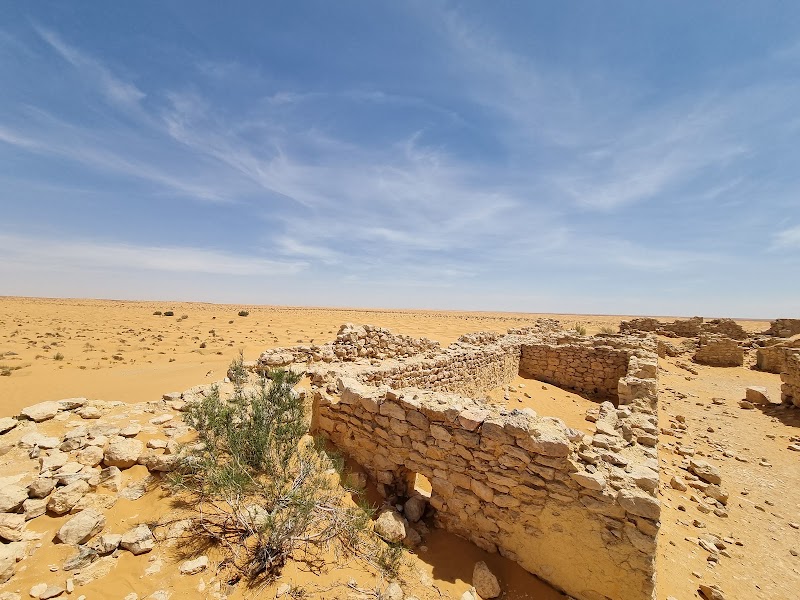
Tunisia · Ksar Ghilane
Ksar Ghilane: Oasis, Dunes and Roman Remains
A warm spring, Sahara excursions and sunset views make Ksar Ghilane a rewarding stop despite limited transport options.
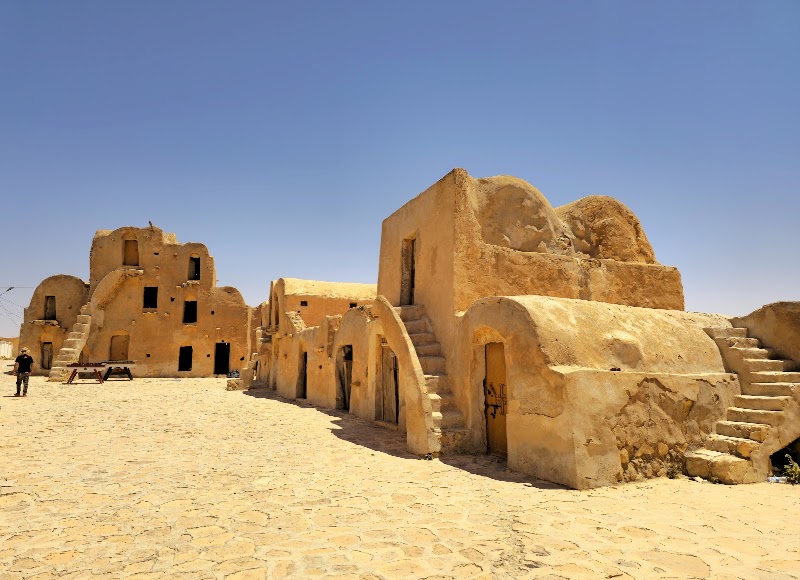
Tunisia · Tataouine
Ksar Ouled Soltane: A Compact, Characterful Landmark
Strong preservation, distinctive architecture and a Star Wars connection make this small Tataouine landmark a rewarding short stop.
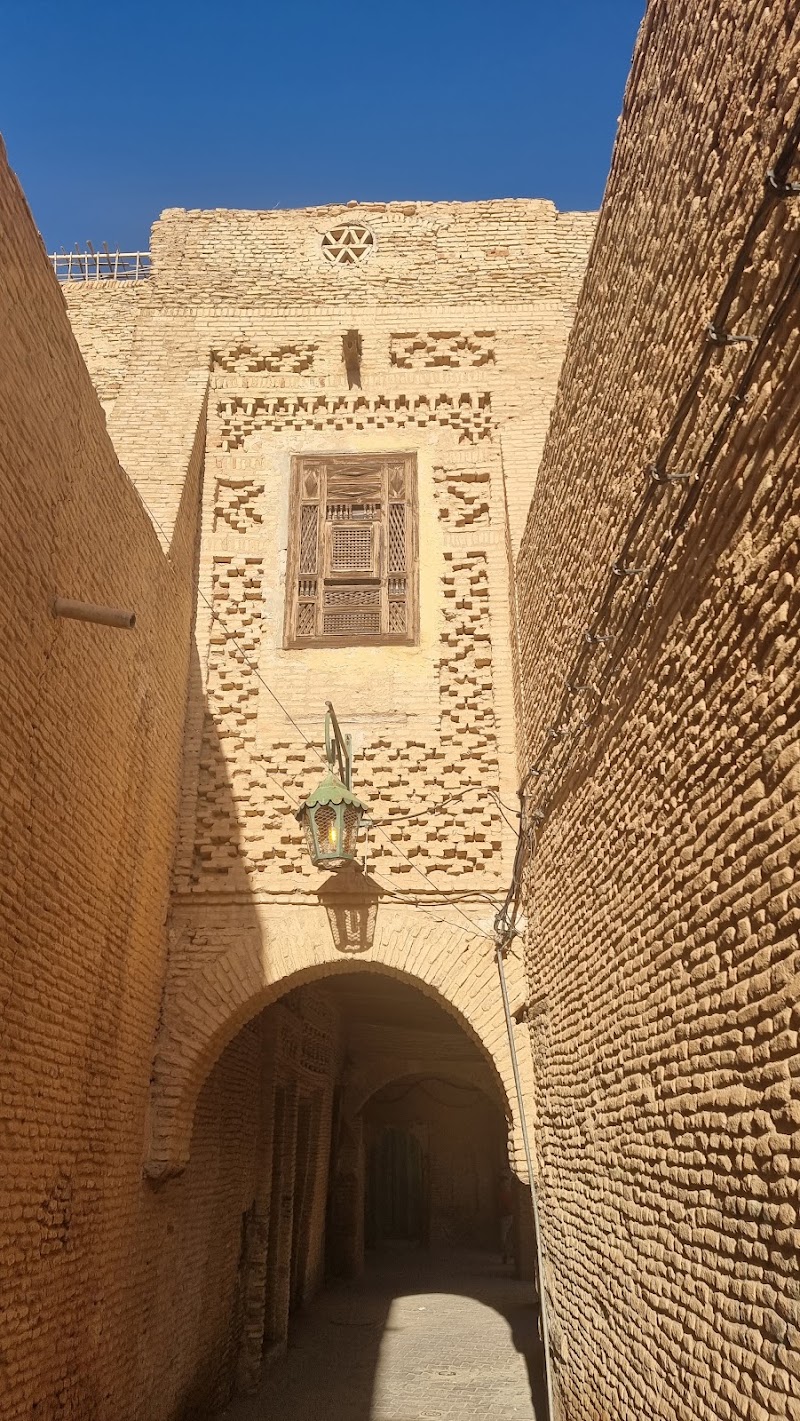
Tunisia · Tozeur
Medina of Tozeur: Brickwork, Alleys and Local Life
Tozeur’s old quarter rewards an unhurried walk with patterned brickwork, traditional doors, small shops and a relaxed residential atmosphere.

Tunisia · Tunis
WildyNess review: Tailored tours across Tunisia
Strong public feedback highlights thoughtful planning, capable guides and flexible itineraries spanning Tunis, southern Tunisia and the Sahara.