Château de Labourdonnais: mansion, gardens and rum
A restored colonial mansion in Mapou, praised for its period interiors, manicured gardens, estate tastings and peaceful atmosphere.
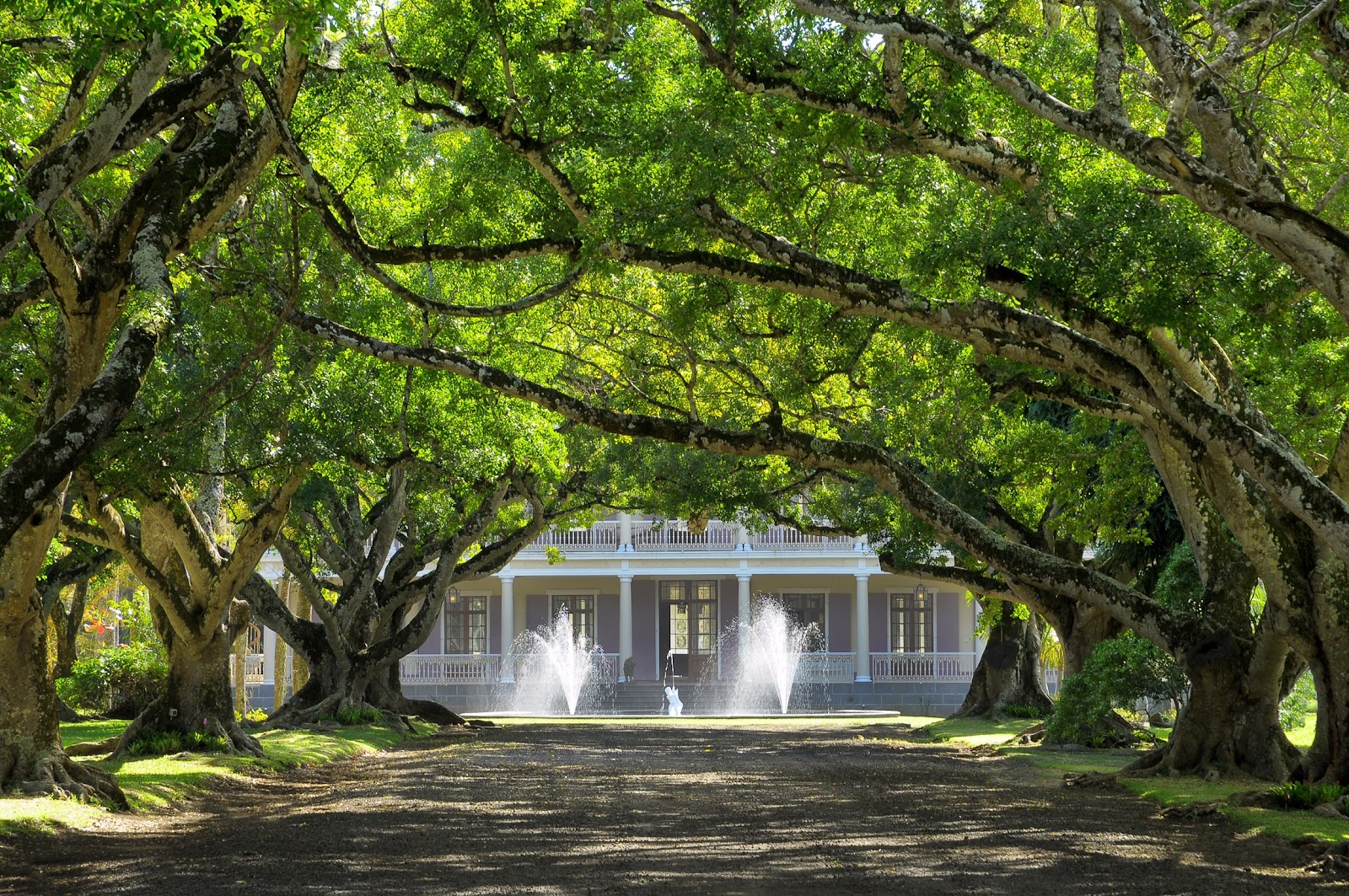
More photos
Photos published by travelers on Google, not AI generated.
What stands out
- Restored colonial mansion
- Antique interiors and family history
- Manicured gardens and mature trees
- Rum, juice and fruit-jelly tastings
- Nearby dining and local shops
Worth knowing
- House entry and guided tours require a ticket
- Broader history may require separate museum visits
Don't miss
What comes up most in public reviews
- Touring the restored mansion and antique interiors
- Walking through the manicured gardens
- Sampling the estate rum
- Trying the juice tasting
Worth the trip?
Why it stands out
Château de Labourdonnais emerges from public ratings and reviews as one of the more polished heritage attractions in northern Mauritius. Its Google rating of 4.5 from 2670 reviews is matched by repeated praise for the peaceful setting, careful restoration and old-world atmosphere. Travellers describe a visit that combines architecture, plantation-era family history, gardens and tastings rather than a conventional museum experience alone.
The mansion is especially popular with visitors interested in photography and period design. Reviews highlight its antique interiors, colonial architecture and long approach lined with banyan and mango trees. The estate feels orderly and well maintained, with enough visual interest to reward a slow walk rather than a rushed stop.
Inside the house and museum
The restored house is the centrepiece. Visitors report learning about the family associated with the estate and seeing how the property would have functioned during the 19th century. Several reviews describe the experience as a step back in time, helped by the preserved rooms, furnishings and formal architecture. One account also mentions an underground museum as part of the visit.
Public feedback suggests that entry arrangements distinguish between the grounds and the interior. One reviewer reports that the gardens can be explored without a ticket, while admission is needed for the house and guided tours. Travellers primarily interested in architecture and history should therefore plan around interior access rather than treating the estate solely as a garden stop.
The plantation setting also benefits from wider historical context. One reviewer recommends visiting a slavery museum before the château, followed by a sugar-cane factory, so the broader chronology is easier to understand. That sequence places the mansion’s family story within Mauritius’s more complex colonial and sugar-industry history.
Gardens, tastings and food
The landscaped grounds are another recurring highlight. Reviewers praise the manicured gardens, mature trees and calm atmosphere, with public bathrooms reported around the grounds. The gardens provide space to linger and also frame the mansion particularly well for photographs.
Estate tastings add a more relaxed finish. Multiple reviews mention Mauritian rum alongside juice, while fruit jelly also appears in visitor feedback. One traveller describes being welcomed with juice before sampling several rum varieties, and another notes that the rum tasted was made with molasses. Souvenirs are also mentioned in connection with the estate shop.
Dining can extend the visit. Reviews refer to an upmarket restaurant near the château and to Quartier des Serres, which has several lunch options and local shops to browse.
Overall verdict
Château de Labourdonnais suits travellers who prefer attractive historic properties, gardens and food or drink experiences to high-energy sightseeing. Its strongest qualities are presentation, atmosphere and variety: the house supplies the history, the grounds provide an easy stroll, and the tastings offer a distinctly Mauritian conclusion.
The most rewarding visit appears to be one that includes the interior rather than only the free-access gardens. For a fuller understanding of the plantation era, the château also works best as part of a broader historical itinerary rather than as a self-contained account of Mauritian history.
Plan the rest of the trip
Ask anything
Looking for somewhere else?
Keep exploring around Mapou
More from Mauritius
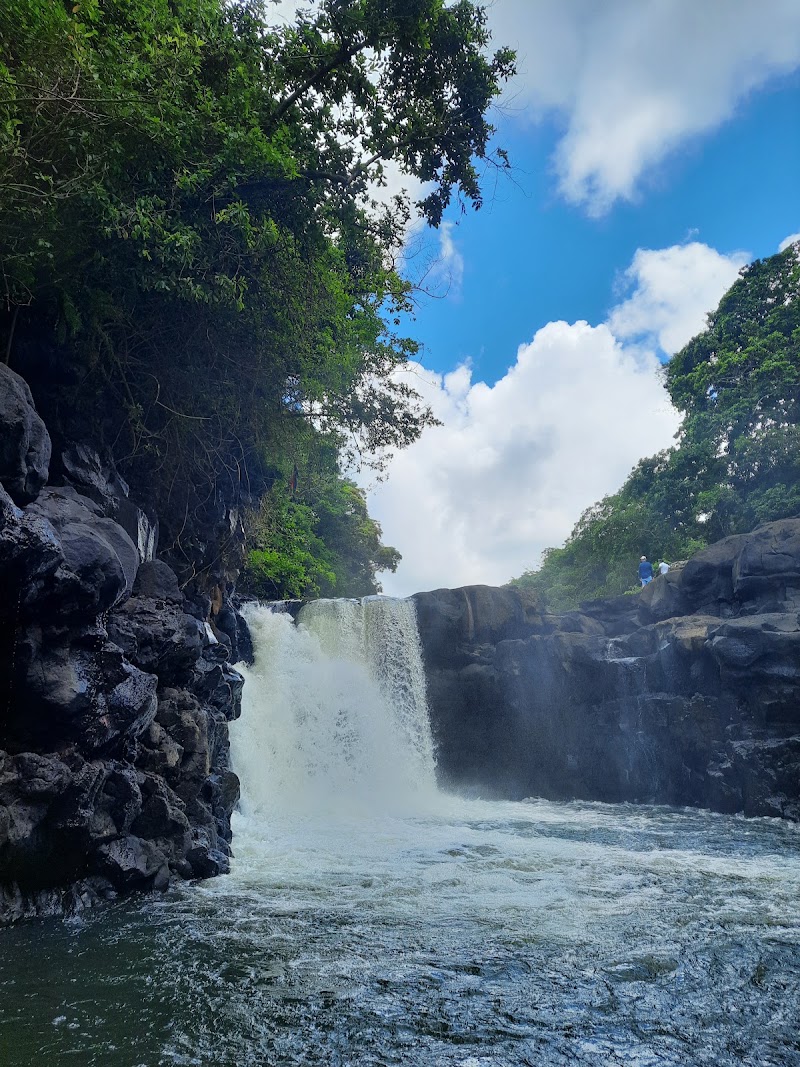
Mauritius · Grand River South East
GRSE Waterfall: A Wild River Stop in Mauritius
Public reviews favour GRSE Waterfall for its river scenery, short inland walk and peaceful swimming spots away from the busiest boat traffic.
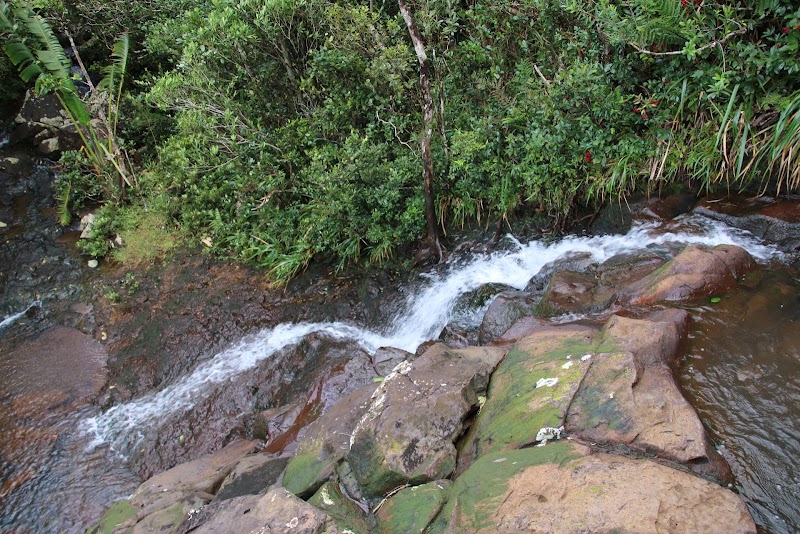
Mauritius
Alexandra Falls: The Viewpoint Is Only the Start
Public reviews rate Alexandra Falls highly for its forest setting, but the strongest experience comes from walking beyond the main viewpoint.
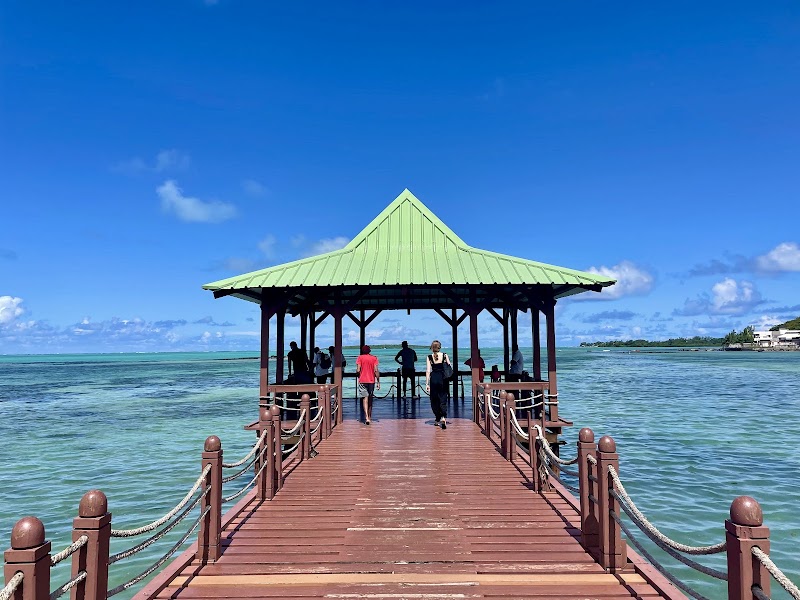
Mauritius · Mahebourg
Mahébourg Waterfront: A Calm Lagoon-Side Walk in Mauritius
Public reviews describe a peaceful waterfront promenade with lagoon views, gardens, statues and a strong early-morning appeal.
Mauritius · Pamplemousses
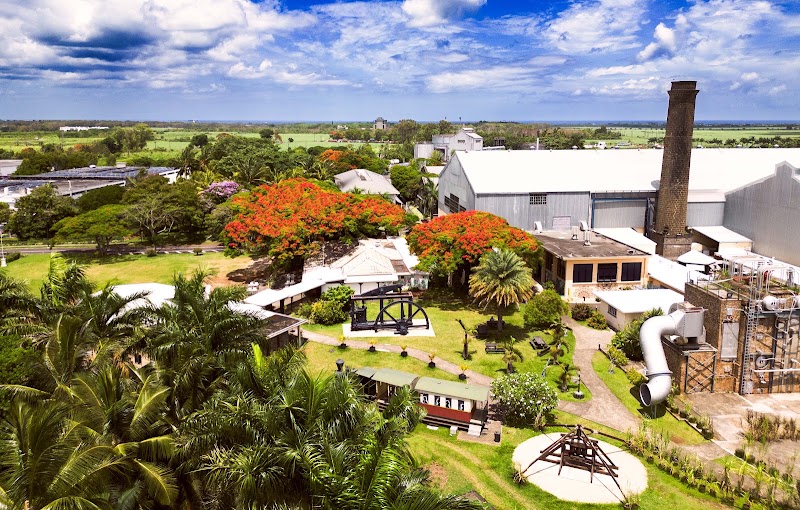
L’Aventure du Sucre: Mauritius’s Sugar Story in Pamplemousses
A well-reviewed former sugar factory where clear museum displays, tastings and a Wednesday cane-cutting activity bring Mauritius’s sugar history into focus.