Chashmai Ayub Mausoleum: A Quiet Bukhara Landmark
A compact religious site with a sacred spring, a water-history exhibition and useful proximity to Bukhara’s central market.

More photos
Photos published by travelers on Google, not AI generated.
What stands out
- Sacred spring associated with Ayub
- Exhibition on Bukhara’s water supply
- Near the Ismail Samani Mausoleum
- Close to the central market
- Opposite the Imam al-Bukhari Museum
Worth knowing
- The visit is brief and the structure is relatively simple
- The tomb’s actual remains are uncertain
Don't miss
What comes up most in public reviews
- See the sacred well
- Visit the water-supply exhibition
- Walk to the Ismail Samani Mausoleum
- Visit the central market
- Look across to the Imam al-Bukhari Museum
Worth the trip?
What the reviews show
Chashmai Ayub Mausoleum is a short, focused stop in central Bukhara. Its public Google listing gives it 4.4 from 396 reviews, with travellers generally describing it as worthwhile after the city’s major sights. The site is close to the Ismail Samani Mausoleum and the central market, making it easy to add to a walking route through the historic area.
The atmosphere is quieter than at Bukhara’s headline monuments. Several reviews call the building simple, but still worth seeing. That makes the mausoleum better suited to travellers who want context and local religious history rather than a long visit packed with displays.
The spring and the story
Chashmai Ayub means the Spring of Ayub. The site combines a mausoleum with a sacred well associated with the Prophet Ayub, known in English as Job. One widely repeated account says that Ayub passed through the area, slept there for a night and drew water from the well before continuing his journey.
The story remains central to the site’s character. Reviews describe the water as respected by local visitors, with some people believing it is drinkable and associated with healing. Those beliefs are part of the religious tradition surrounding the spring, not a substitute for modern medical advice.
The mausoleum’s history reaches back to the 12th century, during the Karakhanid period. Reviews also point to later enlargement and improvement in the 14th century, when craftsmen from Khorezm were brought to Bukhara. The result is a structure whose importance comes as much from its accumulated history as from its size.
What to see inside
The site now functions partly as a small museum. Its most useful exhibition covers Bukhara’s water supply across the centuries, giving the spring a wider civic context. Travellers who only pause for the exterior may miss the strongest interpretive element.
The tomb’s attribution is not fully certain. One review notes that the mausoleum may not contain a body and that the location of Ayub’s actual remains is unknown. That uncertainty does not erase the site’s importance. Chashmai Ayub served as a place of pilgrimage, and the spring continues to shape how visitors understand it.
Across the way, the Imam al-Bukhari Museum is also mentioned positively in public reviews. Its architecture and position along the same axis make it a practical companion visit, especially for travellers already in the area.
Planning the stop
Chashmai Ayub works best as part of a half-day exploration of central Bukhara. It can be paired with the Ismail Samani Mausoleum, the market and the Imam al-Bukhari Museum without requiring a separate excursion. The visit itself is likely to be brief, so expectations matter. This is not a sprawling monument complex.
Public reviews do not establish a clear best season or time of day. They do show consistent value for travellers interested in sacred places, historic water systems and the stories attached to Bukhara’s older buildings. The spring, the museum exhibition and the surrounding walking route are the main reasons to come.
Plan the rest of the trip
Ask anything
Looking for somewhere else?
Keep exploring around Buxoro
More from Uzbekistan
Uzbekistan · Buxoro
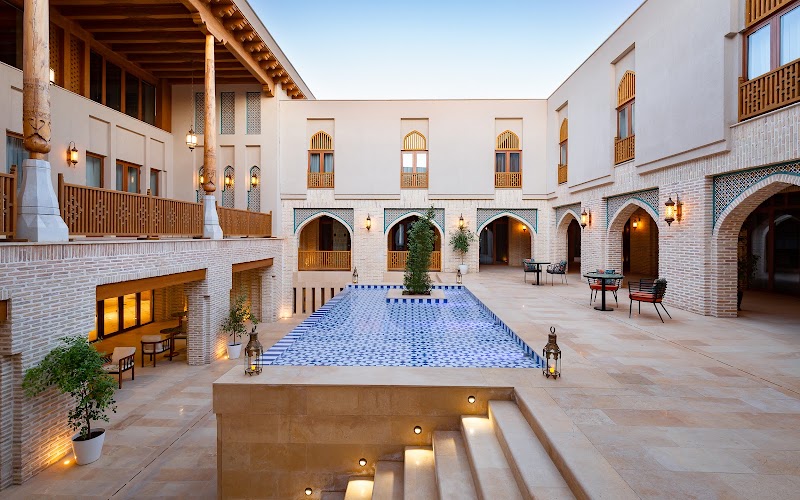
Mercure Bukhara Old Town: A Comfortable Base Near the Centre
Public reviews praise the spa, pool and helpful reception team, while climate control, internet and the walk into central Bukhara draw criticism.
Uzbekistan · Buxoro
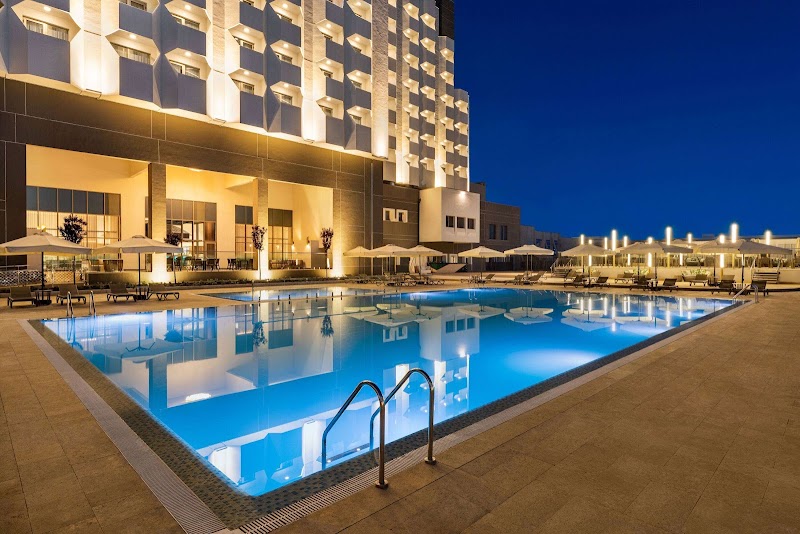
Wyndham Bukhara: A Comfortable Base for Exploring the Old City
Public reviews point to a well-run Bukhara hotel with comfortable rooms, helpful staff, an outdoor pool and easy access to the city’s main sights.
Uzbekistan · Тоshkent
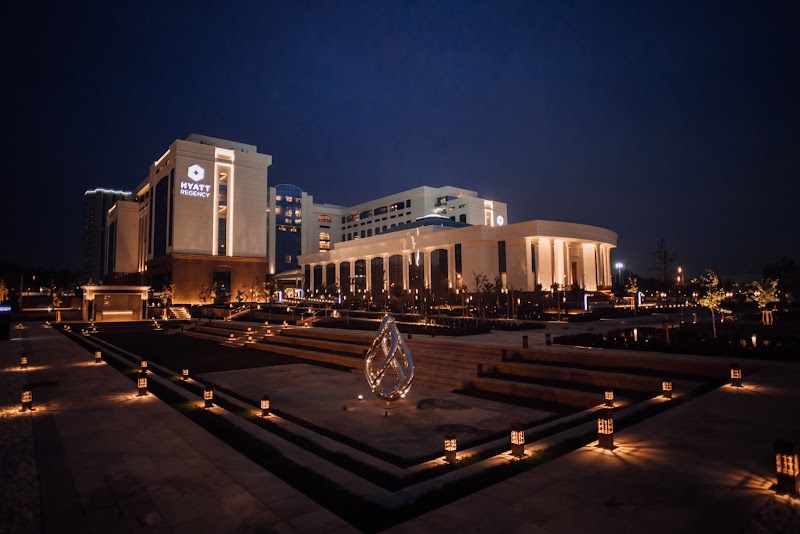
Hyatt Regency Tashkent: Central Comfort With Strong Service
Public reviews praise this central Tashkent hotel for its rooms, facilities and attentive staff, while isolated complaints flag event noise and inconsistent front-desk service.
Uzbekistan · Тоshkent
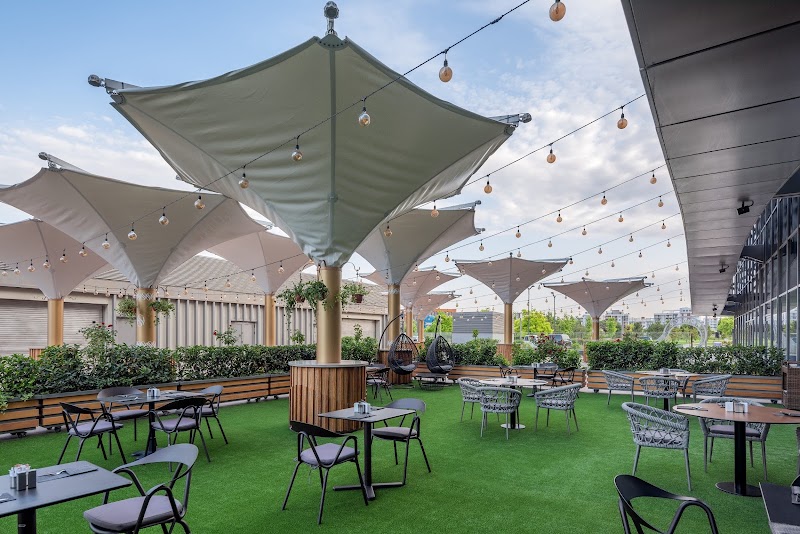
Hilton Tashkent City: Modern Comfort in Uzbekistan’s Capital
Public reviews point to a polished Tashkent base with welcoming service, quiet rooms, strong breakfast options and useful leisure facilities.