Charterhouse of Saint Lawrence: Monumental Calm in Padula
This vast former Carthusian monastery rewards visitors with monumental cloisters, richly decorated interiors and an unusually peaceful atmosphere.

More photos
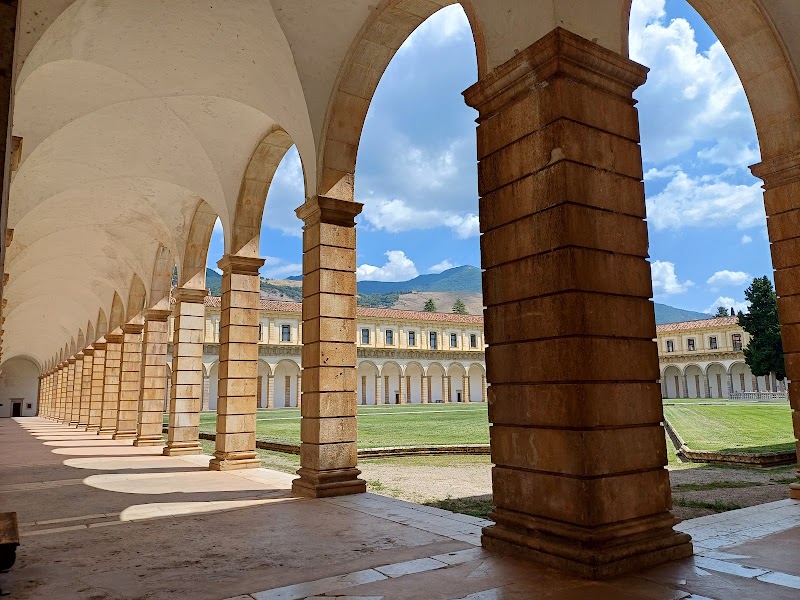

Photos published by travelers on Google, not AI generated.
What stands out
- Vast, quiet monastic complex
- Largest cloister and Carthusian cells
- Library with Vietri ceramic floor
- Marble-decorated church
- Grand scale without Rome-sized crowds
Worth knowing
- Wartime history may be underrepresented
- Large site is best explored unhurriedly
Don't miss
What comes up most in public reviews
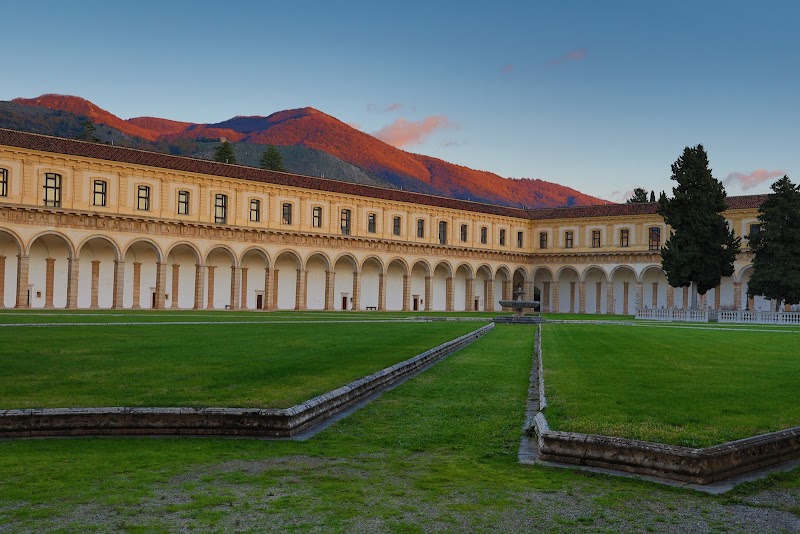
- Walk through the largest cloister
- See the library’s ceramic-tiled floor
- Visit the marble-decorated church
- Look for the spiral staircase
- Explore the kitchen, chapels and Treasury
Worth the trip?
Why it stands out
The Charterhouse of Saint Lawrence, also known as the Certosa di Padula, has a Google rating of 4.5 from 6790 reviews. Its scale comes up again and again in public feedback. Several travellers say the complex feels less like one religious building and more like a small town, with rooms, courtyards and monastic spaces continuing across an extensive site.
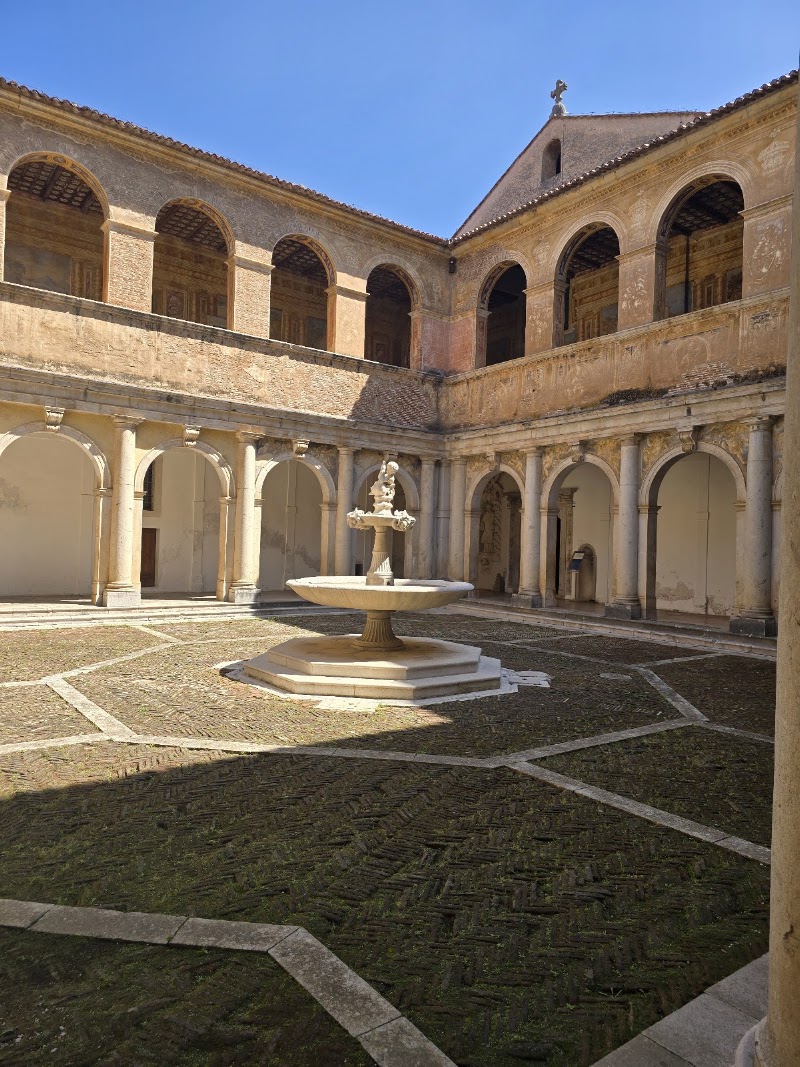
The setting matters too. Reviewers draw comparisons with the crowded monuments of Rome, pointing out that architecture of comparable grandeur can be seen here without anything like the same number of visitors. Secluded and calm are recurring descriptions, especially in comments about the cloisters and former Carthusian cells.
Architecture and interiors
Much of the attention goes to the largest cloister. Reviews note its dimensions, but also the orderly lines of cells once occupied by the Carthusian monks. More than any other part of the complex, it conveys the monastery’s self-contained rhythm and the ambition behind its sheer size.
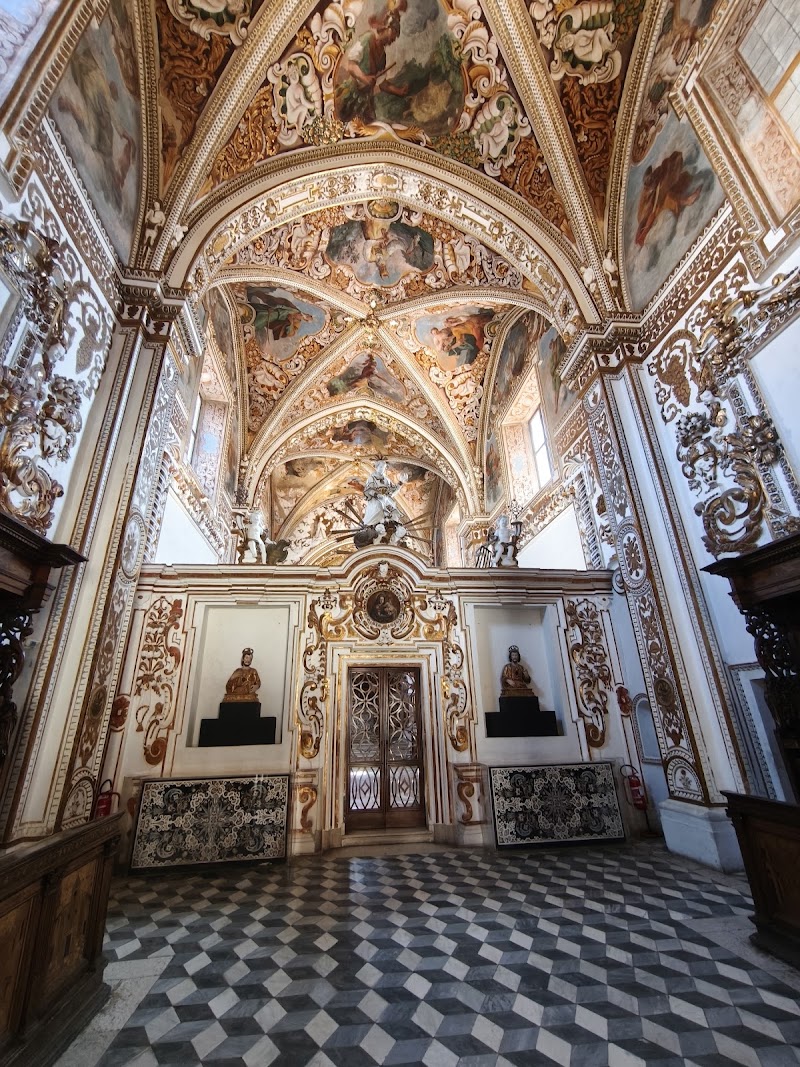
In the church, reviewers praise the precious marble decoration. The library draws notice for a different reason: its floor is covered with ceramic tiles associated with Vietri sul Mare. Against the otherwise restrained monastic setting, both spaces bring in colour and visible craftsmanship.
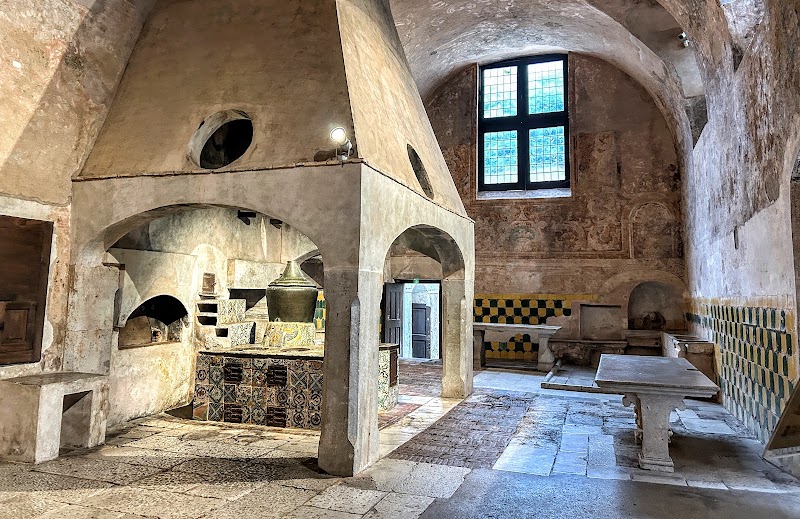
The large kitchen, the Chapter Room, the Treasury, the chapels and the Sala delle Campane are also frequently mentioned. So is a spiral staircase, remembered by visitors as a particularly striking architectural feature. The range of rooms changes the pace of the visit. This is not simply a church followed by a cloister.
How long to allow
One public reviewer completed the visit in around two hours. Even so, the size of the site suggests that half a day is the more comfortable allowance for travellers who want time with the interiors and museum material rather than moving through at speed. It is particularly well suited to visitors interested in ecclesiastical architecture, monasteries, historic interiors and large-scale heritage sites.
Public reviews suggest the appeal is not limited to specialists. One traveller with a professional interest in Carthusian monasteries noted that accompanying family members enjoyed the experience too. The monks are no longer present, yet the surviving rooms and cells still give a clear sense of how the community was organised.
Context and limitations
The site’s history covers roughly six centuries, from its period as a Carthusian monastery to its later use as an orphanage. One reviewer also described a personal connection to the site’s use as a prisoner-of-war site in 1942. That reviewer noted that this wartime chapter did not appear in the interpretation encountered during the visit. Travellers looking specifically for 20th-century history may therefore find it less visible than the religious and architectural narrative.
Taken together, public ratings and reviews place the Charterhouse among Padula’s most substantial cultural attractions. Space, atmosphere and architectural variety are its clearest strengths. The relatively quiet visitor experience is another major advantage, though the size of the precinct rewards an unhurried visit.
Ask anything
Looking for somewhere else?
Keep exploring around Padula
More from Italy
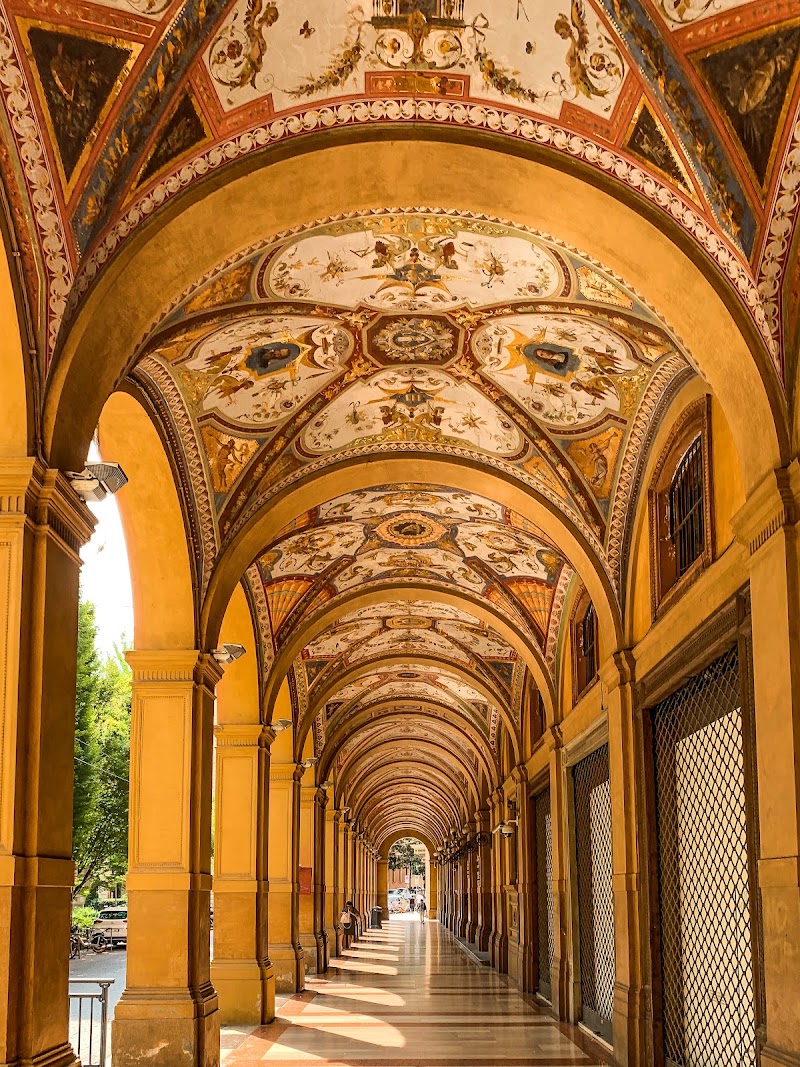
Italy · Bologna
Portici di Bologna: the walkways that define the city
Bologna’s extensive covered walkways turn an ordinary city stroll into a close look at its architecture, history and everyday life.
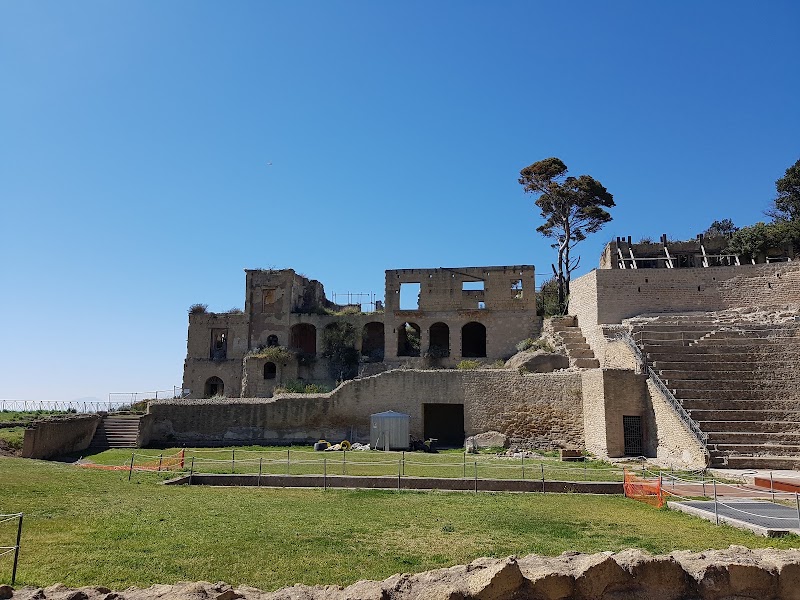
Italy · Napoli
Parco Archeologico del Pausilypon: ruins with a sea view
Roman ruins, two theatres and a remarkable ancient tunnel combine with sweeping coastal scenery at this reservation-led archaeological park.
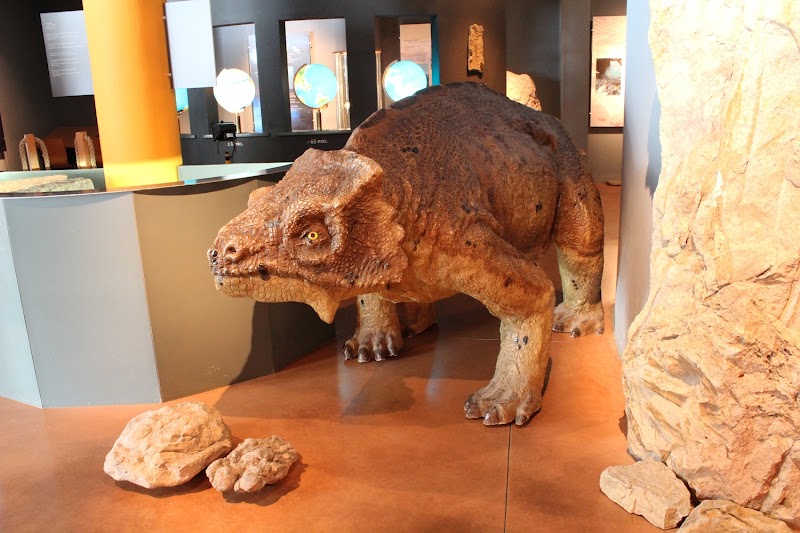
Italy · Aldino
Geology and family hiking at GEOPARC Bletterbach
A dramatic gorge walk near Aldino combines exposed rock formations, educational interest and a rewarding physical challenge for active families.
Italy · Bergamo
Mura Veneziane: Bergamo’s panoramic historic walk
Bergamo’s well-preserved walls offer an atmospheric walk around the old town, with broad views that reviewers particularly praise at sunset.