Charles Darwin Research Station: Tortoises and Conservation
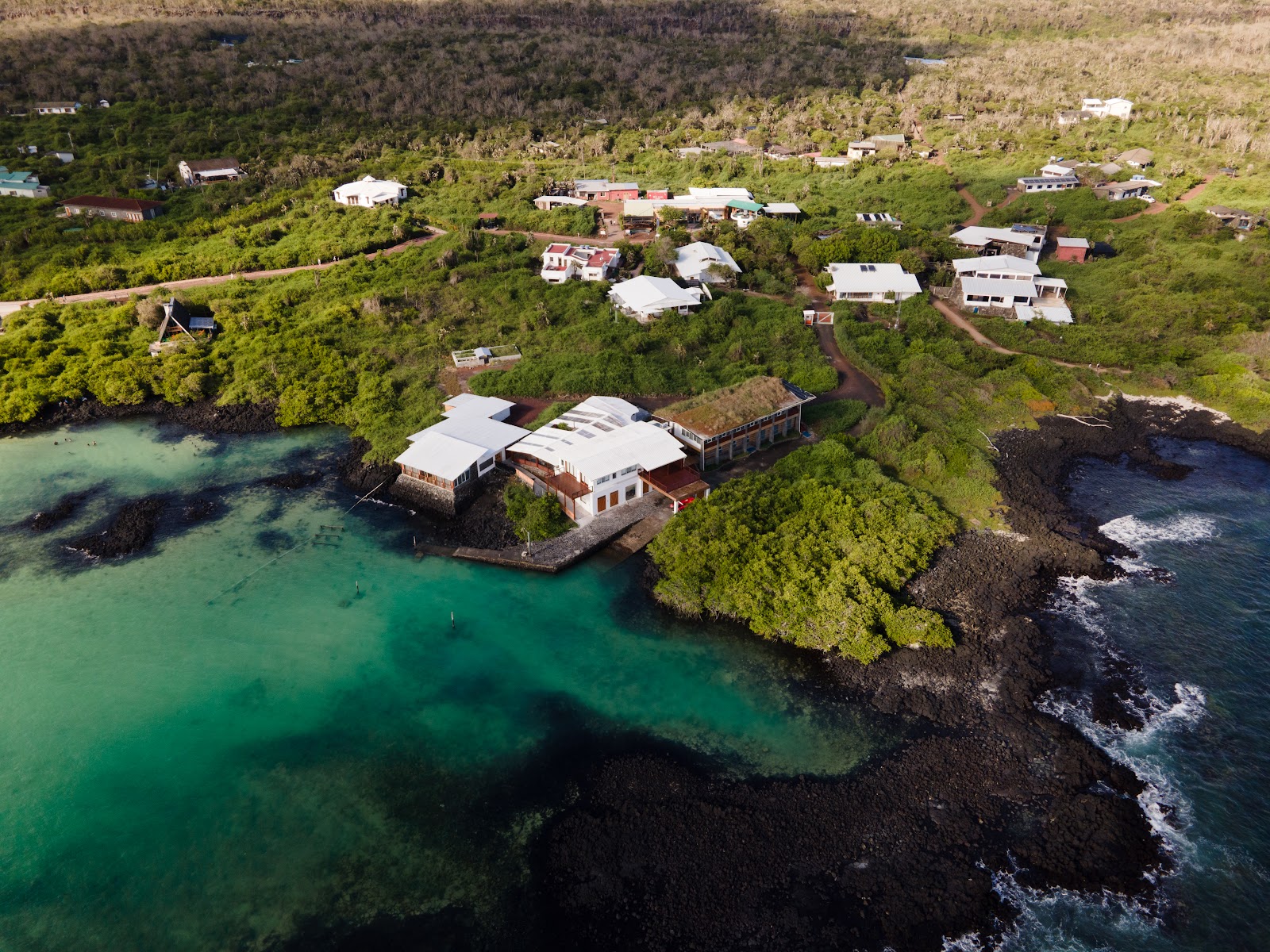
Puerto Ayora’s research station combines giant tortoises, shaded paths and a compact museum with an accessible introduction to Galápagos conservation.
More photos
Photos published by travelers on Google, not AI generated.
What stands out
- Giant tortoises of different ages and sizes
- Mostly shaded walking trail
- Small museum on Galápagos ecosystems
- Tortoise and land iguana breeding work
- Walk towards the water or nearby dock
Worth knowing
- Conflicting reports about tortoise access
- Some visitors report pressure to buy an add-on
- Museum is relatively small
Don't miss
What comes up most in public reviews
- Giant tortoise areas
- Tortoise breeding program
- Land iguana breeding program
- Museum exhibits
- Trail towards the water
Worth the trip?
Why it stands out
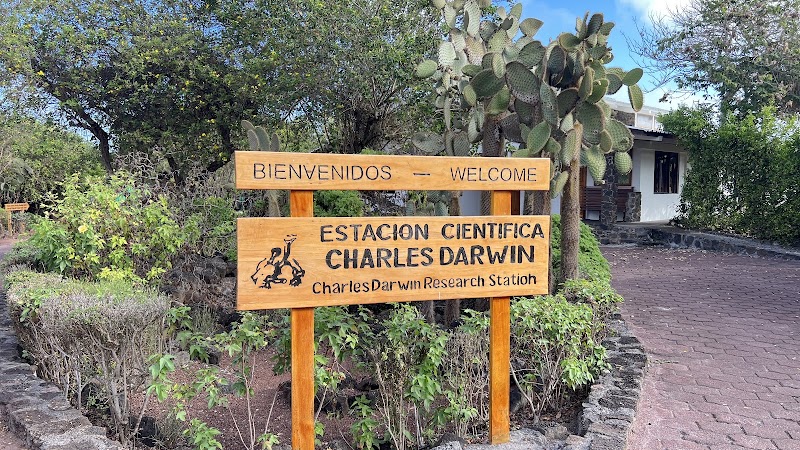
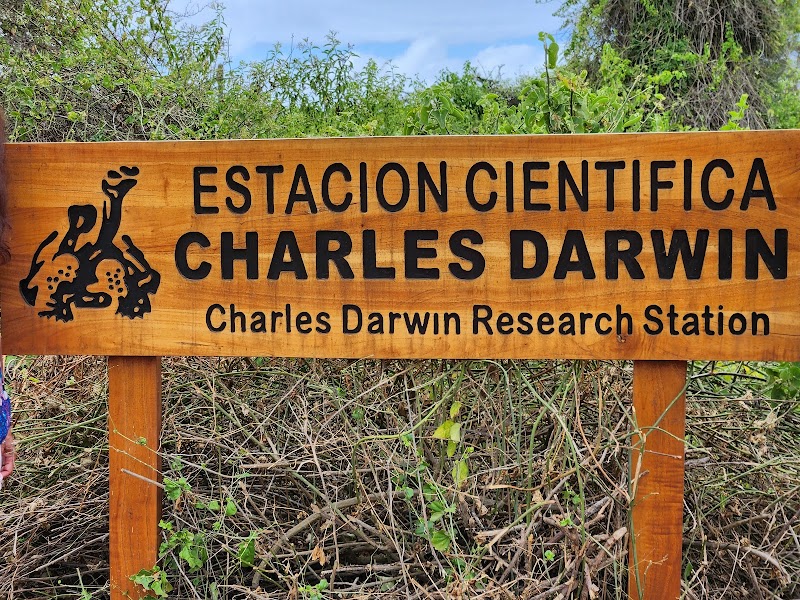
The Charles Darwin Research Station is one of Puerto Ayora’s most prominent visitor attractions, particularly for travellers interested in Galápagos wildlife and conservation. Its Google rating of 4.5 from 1293 reviews reflects strong public enthusiasm, with recurring praise for the giant tortoises, informative displays and well-maintained grounds.
Reviewers often describe the complex as clean, organised and easy to explore. It is not presented as a large museum or wildlife park. Instead, it works best as a focused introduction to the research and breeding efforts associated with the islands’ distinctive species. The setting on Santa Cruz Island also makes it a practical addition to time spent in Puerto Ayora rather than a separate day trip.
Tortoises, iguanas and breeding work
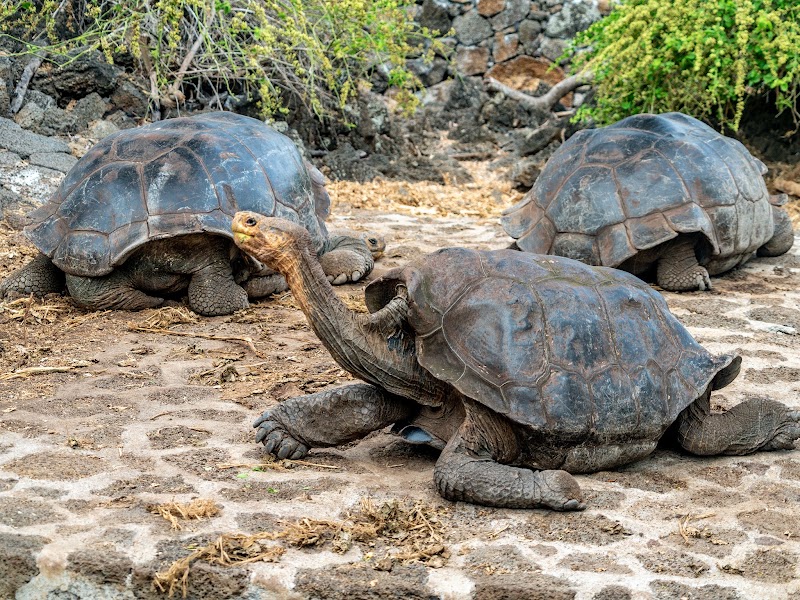
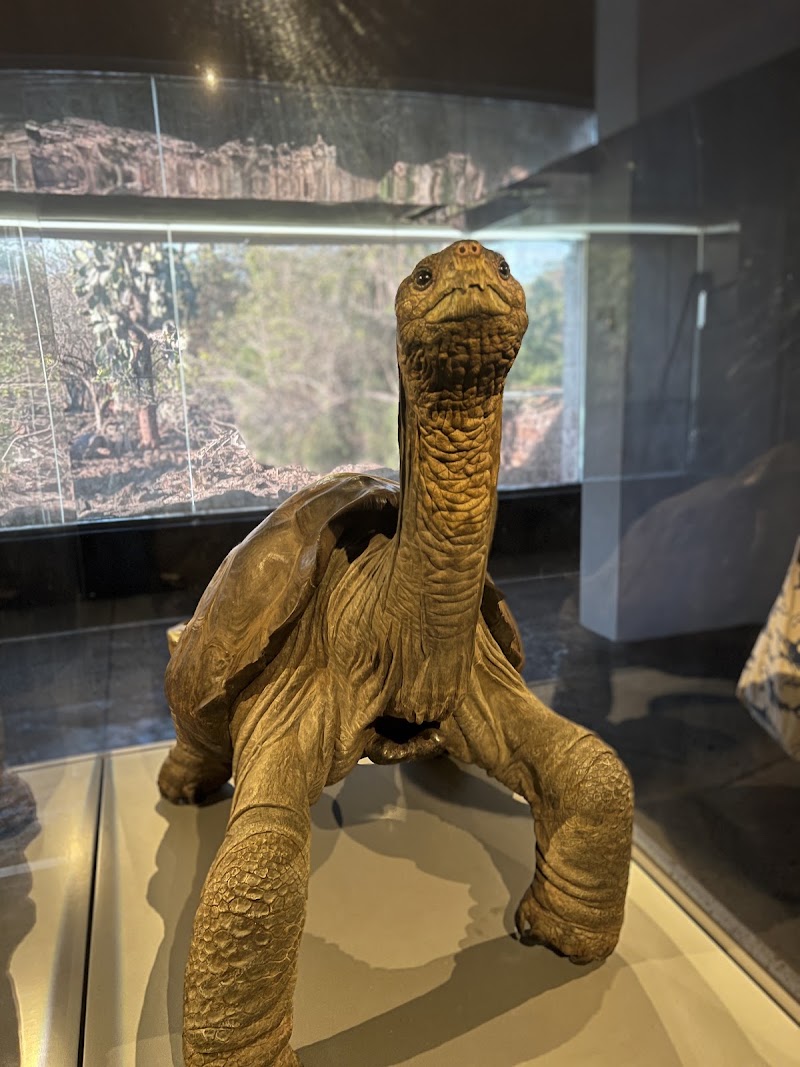
Giant tortoises are the central attraction. Public reviews repeatedly mention seeing animals of different ages and sizes, alongside information about their diet, biology and conservation. The station is especially well known among visitors for its tortoise breeding work, while land iguana breeding is also identified as part of its conservation activity.
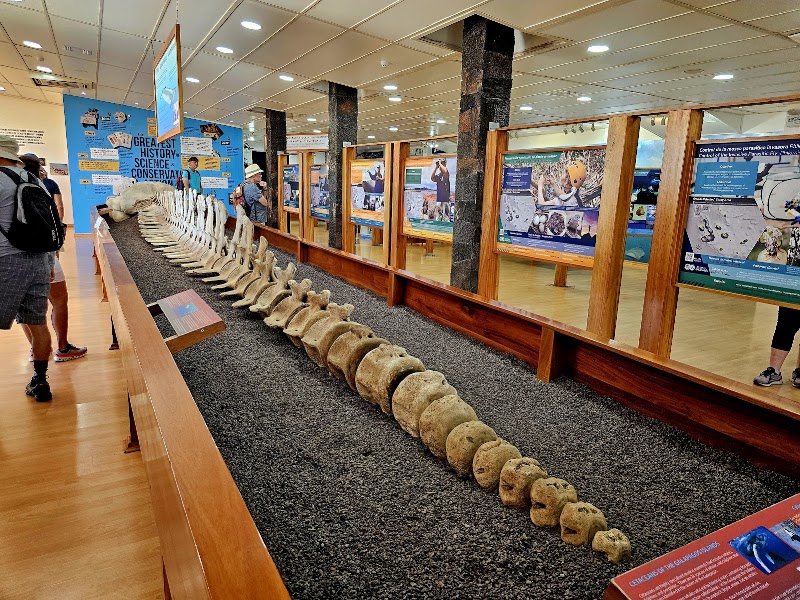
A mostly shaded trail runs through the complex, making the wildlife areas feel more like a walk than a sequence of indoor exhibits. Reviewers report that the route is a comfortable distance, with enough interpretation to give context without demanding an entire day. The small museum adds background on Galápagos ecosystems and the research station’s work, although some visitors find it limited in scale.
Access can be confusing
The main point of disagreement in the reviews concerns access to the tortoises. Some visitors report seeing them on the standard route by turning left after the museum and continuing uphill. Others describe paying for an additional guided experience and consider it worthwhile. A few reviews claim that the paid option is the only way to see the tortoises, while others strongly dispute that assertion.
Because those accounts conflict, visitors should confirm the current route and access arrangements directly with official staff before entering any additional area. Clear signage may not resolve every question, and reviewers occasionally mention feeling pressured to purchase an add-on. Donations are encouraged, while purchases from the small gift shop are described as supporting the research centre.
How to plan the visit
The station suits wildlife enthusiasts, families and travellers seeking context for the animals encountered elsewhere in the Galápagos. A few hours should allow time for the museum, shaded trail and tortoise areas without rushing. Those wanting deeper interpretation may find a guided component useful, but the public feedback suggests checking exactly what it includes first.
Some reviewers also continue through the grounds towards the water or a nearby dock, adding a coastal finish to the visit. Overall, the station earns its place on a Puerto Ayora itinerary through the combination of living animals and practical conservation information. Expectations should remain measured: the museum is small, the route is straightforward and the experience centres more on education than spectacle.
Ask anything
Looking for somewhere else?
Keep exploring around Puerto Ayora
More from Ecuador

Ecuador · Llagos
Cerro Puñay: A Demanding Trek With Andean Views
Strong reviews praise Cerro Puñay’s sunsets and mountain panoramas, while warning of a strenuous climb, cold nights and very limited facilities.
Ecuador · Quito · $$
Casa Agave: Ecuadorian agave culture near Quito
Tours, tastings, cocktails and Ecuadorian agave traditions make Casa Agave a worthwhile addition to a Mitad del Mundo outing.
Ecuador · Quito
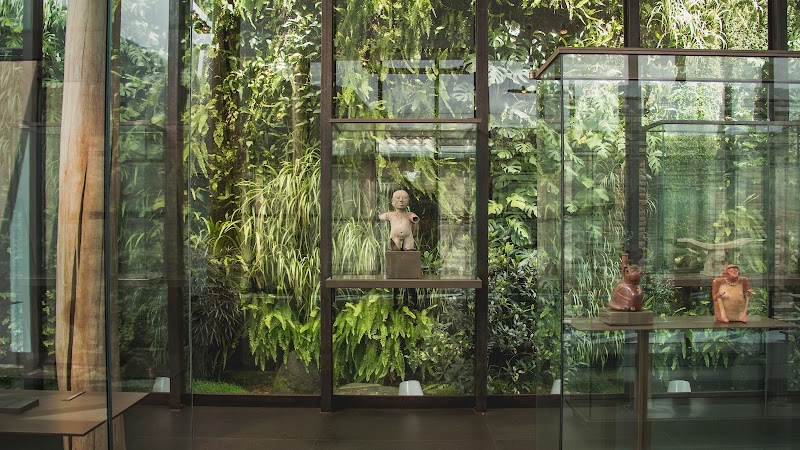
Casa del Alabado: Pre-Columbian art in a historic home
Thoughtful thematic displays, dramatic lighting and restored architecture make this compact museum a standout in Quito’s historic district.
Ecuador · Guayaquil
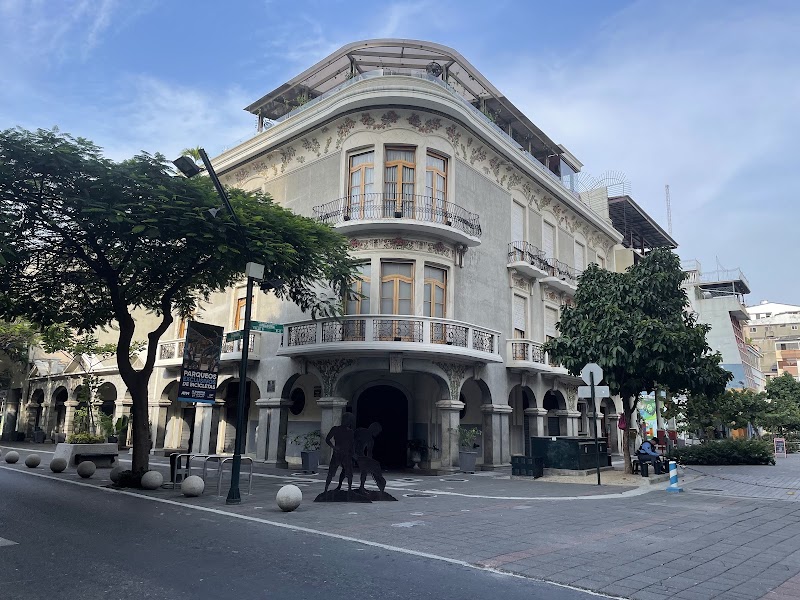
El Museo del Cacao: Ecuador’s cacao story in Guayaquil
A compact, well-reviewed museum tracing cacao’s history, cultural importance and global reach, with guides and chocolate treats adding appeal.