Charaideo Maidam: Assam’s Royal Burial Landscape
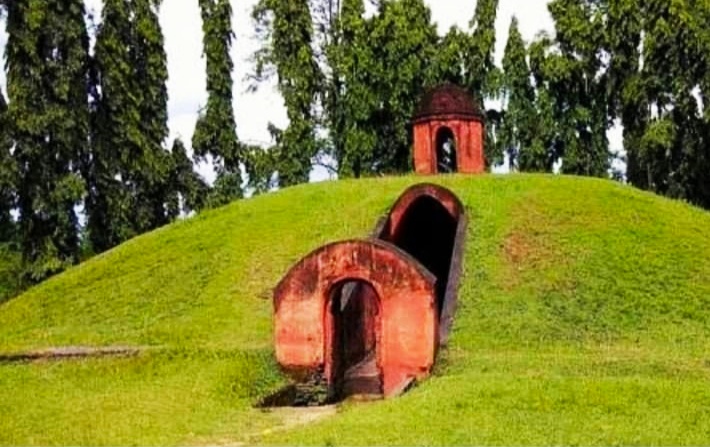
Ahom royal burial mounds, peaceful grounds and deep historical significance make this a compelling half-day landmark in Assam.
More photos
Photos published by travelers on Google, not AI generated.
What stands out
- Ahom royal burial mounds
- Serene green landscape
- Clean, well-maintained grounds
- Pyramid-like funerary structures
- Quiet atmosphere for reflection
Worth knowing
- The extensive grounds take time to cover
- Two entry sections may involve separate tickets
- A rushed late visit may miss important context
Don't miss
What comes up most in public reviews
- Walk among the royal burial mounds
- Ask a guide about Ahom burial traditions
- See the pyramid-like mound structures
- Allow time for both entry sections
Worth the trip?
Why Charaideo Maidam matters
Charaideo Maidam is a royal burial landscape associated with the Ahom dynasty, containing mound-like tombs for kings, queens, children and nobles. Its historical importance is the dominant theme across public reviews, with visitors frequently comparing the structures to pyramids because of their scale, purpose and distinctive form. UNESCO World Heritage recognition has brought the site wider attention while underlining its significance within Assam’s cultural history.
The landmark holds a Google rating of 4.5 from 2488 reviews. That strong score is supported by recurring praise for the setting, upkeep and sense of calm. It is not presented by reviewers as a quick photo stop. Instead, they describe a place where the landscape and history work together, rewarding visitors who move slowly and spend time understanding what the mounds represent.
What the visit feels like
Reviews repeatedly describe the grounds as serene, green, quiet and clean. The burial mounds sit within a spacious landscape, creating an atmosphere that some visitors find reflective or almost spiritual. Travellers mention visiting alone as well as with family, suggesting that the experience works for several types of visitor rather than one narrow audience.
The peace is part of the appeal. Reviewers indicate that the site can support an unhurried walk, quiet contemplation or even meditation. Those expecting a densely packed collection of monuments may find the experience more landscape-led. Much of its impact comes from seeing the burial structures in relation to the surrounding greenery and considering the generations of Ahom royalty and nobility commemorated here.
Maintenance receives positive comments. Visitors describe the grounds as well preserved and clean, which helps the burial mounds remain visually impressive without losing the stillness that defines the site.
How to get more from the history
A guide is strongly recommended in the available feedback. The mounds carry substantial historical meaning, but their significance may not be immediately clear from appearance alone. Guided interpretation can explain the burial tradition, the people interred here and the wider Ahom context, turning a scenic walk into a more substantial historical visit.
Time is another important consideration. One reviewer recommends keeping three to four hours available before 5 pm, noting that the large area cannot be covered properly when rushed. That makes half a day a sensible plan, especially for visitors who want a guide, wish to explore both entry sections mentioned in reviews, or prefer to pause among the quieter parts of the grounds.
Editorial verdict
Synthesizing the public feedback, Charaideo Maidam stands out for the combination of royal history, monumental burial architecture and a calm, well-maintained landscape. Its strongest audience is likely to be travellers interested in Assam’s history, archaeology and cultural heritage, though families and solo visitors also respond positively to the peaceful surroundings.
The main practical concern is allowing enough time. A hurried arrival late in the day risks reducing the visit to a brief circuit without the context that makes the site meaningful. With several hours and informed interpretation, it becomes one of the region’s most distinctive historical landmarks.
Plan the rest of the trip
Ask anything
Looking for somewhere else?
Keep exploring around Bokopukhuri Habi
More from India
India · Verul
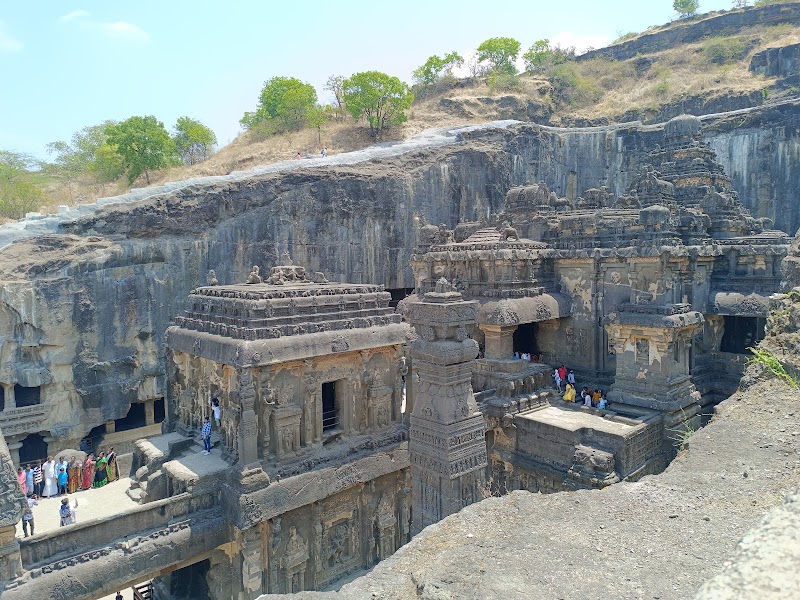
Ellora Caves: Monumental Art Carved Into Basalt
Ellora’s 34 rock-cut monuments unite Buddhist, Hindu and Jain traditions, with the vast Kailasa Temple dominating visitor impressions.

India · New Delhi
Qutb Minar: Monumental Architecture Beyond the Tower
Delhi’s soaring minaret anchors a well-kept heritage complex filled with intricate carvings, lawns and evocative medieval ruins.

India · Agra
Taj Mahal review: Agra’s defining monument
Agra’s white-marble mausoleum pairs immense historical significance with one of the strongest public rating signals in Indian tourism.
India · Bengaluru
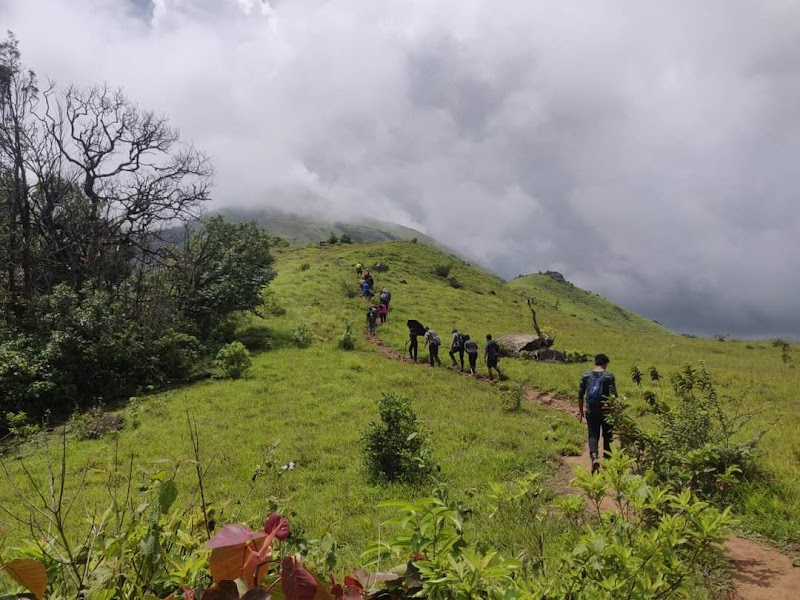
Bangalore AdvenTuRers: organised treks with a social side
Strong public feedback highlights attentive trek leaders, careful organisation and friendly group trips to destinations across Karnataka and Kerala.