Cetinje Monastery: Spiritual History in the Old Capital
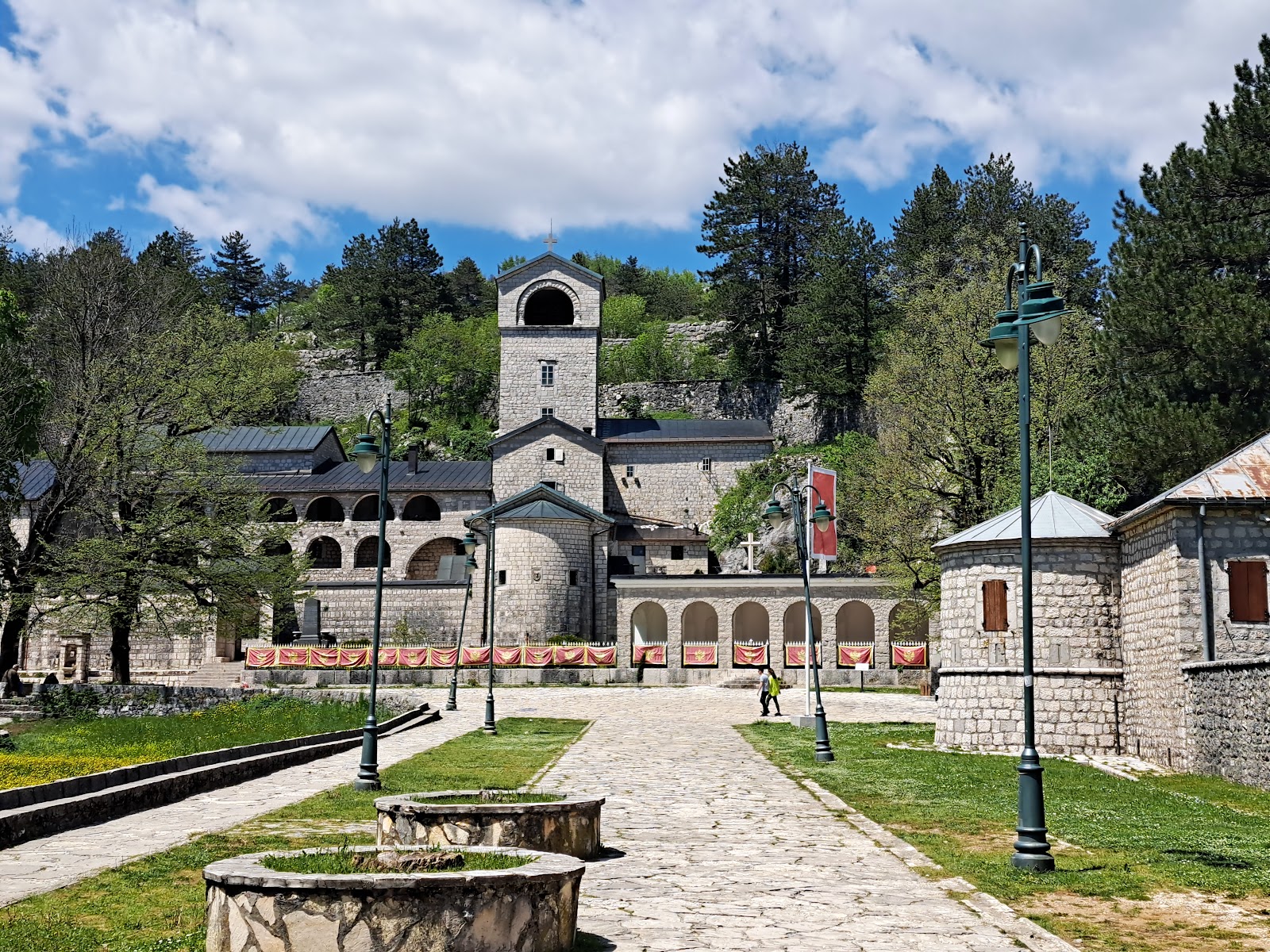
A peaceful Orthodox sanctuary where traditional architecture, sacred relics and Montenegro’s layered history meet.
More photos

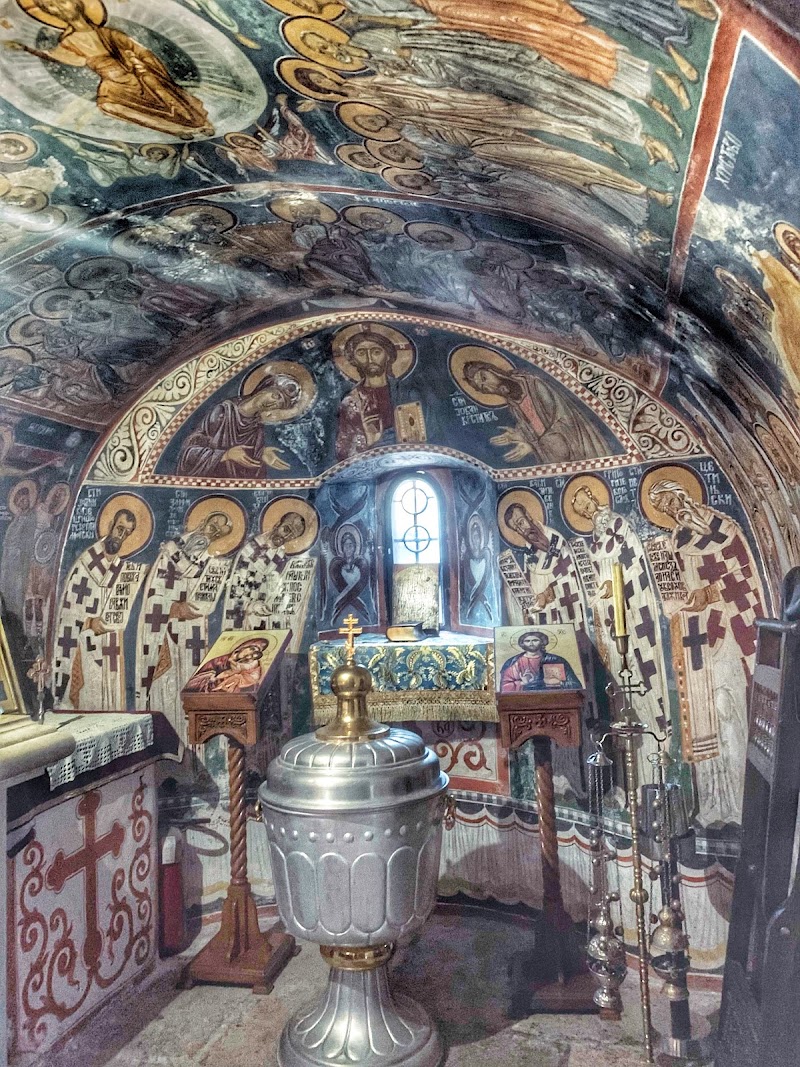
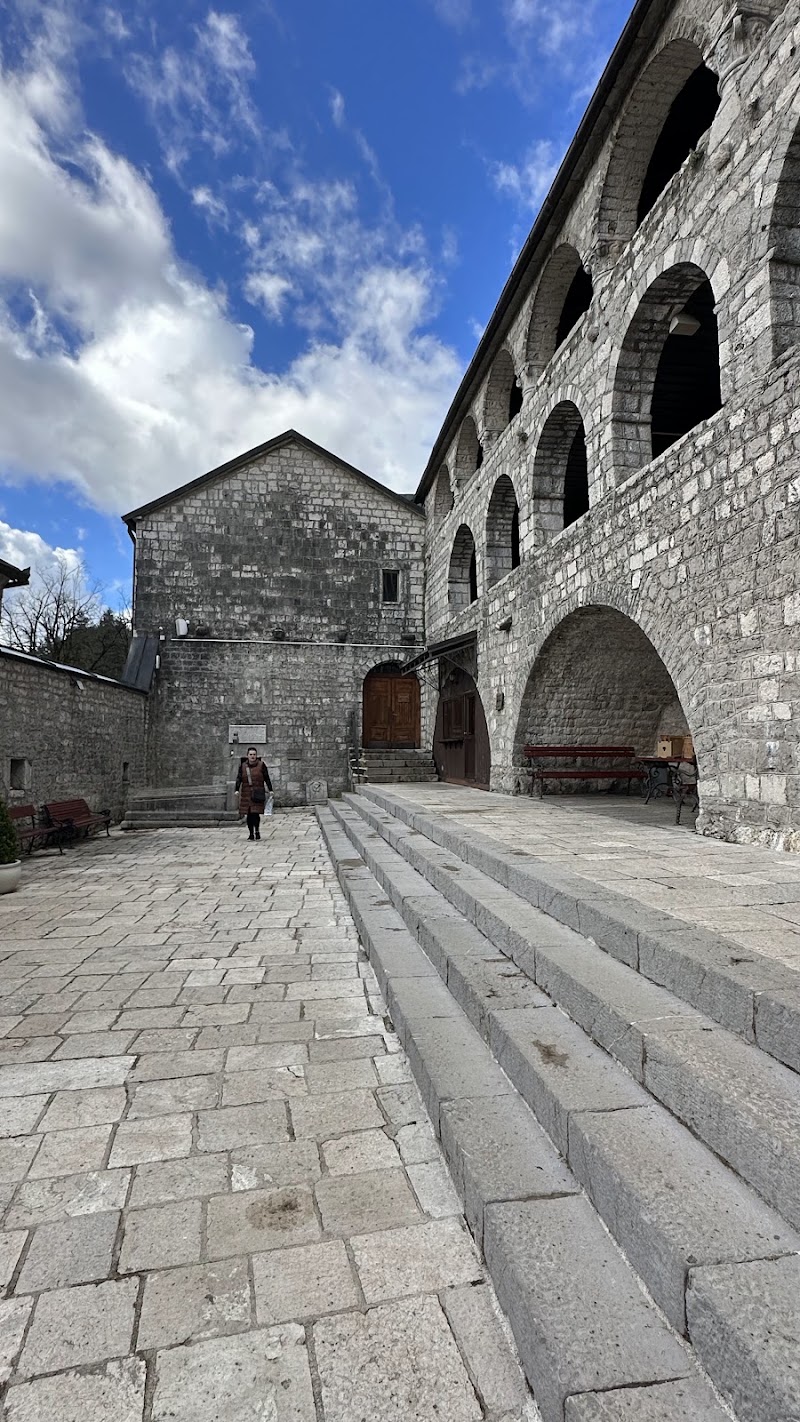
Photos published by travelers on Google, not AI generated.
What stands out
- Peaceful sacred atmosphere
- Traditional monastery architecture
- Important religious relics
- Historic Cetinje setting
- Nearby food and souvenir street
Worth knowing
- Modest dress is expected
- Treasury access may require a polite request
- Paid parking arrangements may change
Don't miss
What comes up most in public reviews
- Ask to see the treasury
- See the monastery’s precious relics
- Browse the monastery shop
- Walk along the nearby shopping street
Worth the trip?
Why it stands out
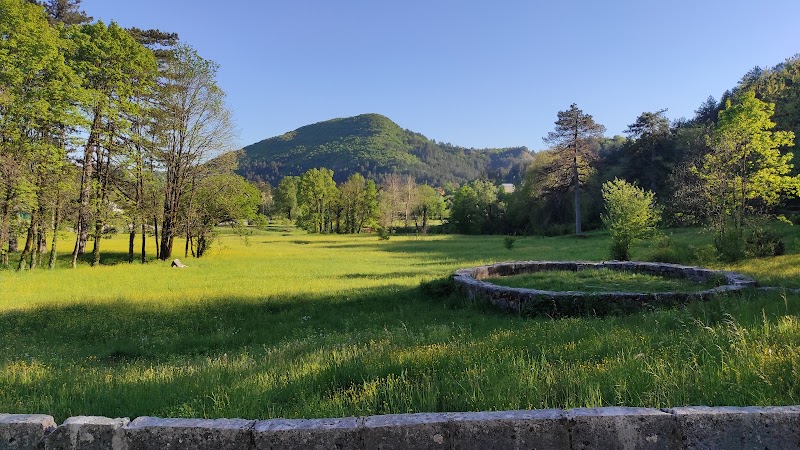
A 4.7 rating from 2775 Google reviews gives a fair indication of Cetinje Monastery’s appeal. Public feedback returns often to the same points: the calm atmosphere, the site’s religious importance and its long history. In the historic surroundings of Cetinje, Montenegro’s old royal capital, it remains an active sacred place as well as a cultural landmark.
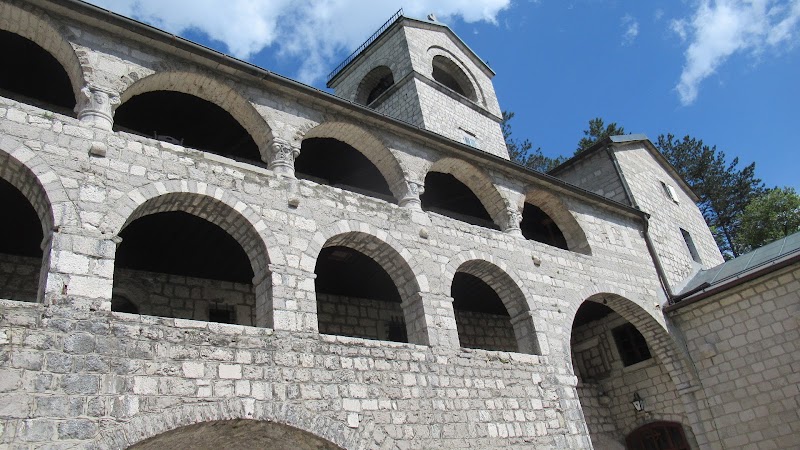
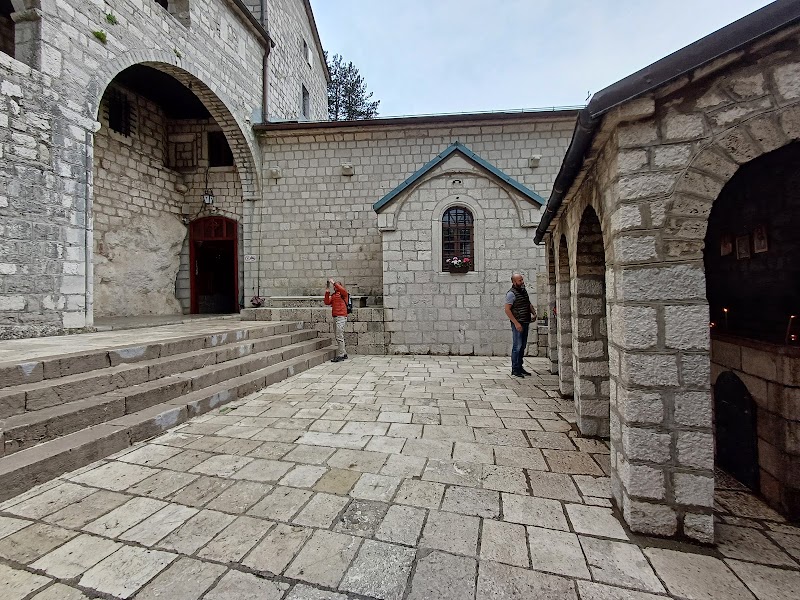
Reviewers frequently call the complex beautiful and peaceful. Traditional architecture and quiet courtyards set it apart from Montenegro’s busier visitor stops. Travellers with little religious interest also describe the setting as meaningful, although it will probably appeal most to those interested in Orthodox heritage, historical places and devotional art.
Relics and treasury
Many visitor accounts focus on the monastery’s religious collection. Reviews mention relics associated with John the Baptist, the Holy Cross and Saint Peter of Cetinje. Access and presentation can vary, however, and visitors should not expect every item to be on unrestricted public display.
The treasury is easy to miss. Several reviewers advise asking specifically to see it because it is not prominently advertised. One visitor said an English-speaking monk explained the precious relics, but English-language help cannot be assumed. A polite enquiry is the sensible option, especially when the monastery is quiet and no religious service is taking place.
Feedback also mentions a large shop. It may be useful for visitors seeking religious items or something tangible to remember the visit by, though reviews say little about the exact selection available.
Visiting respectfully
Cetinje Monastery is a place of worship, not a conventional museum. Reviewers repeatedly stress appropriate dress and restrained behaviour. Shoulders and knees should be covered. Conversations should stay quiet, and photography should be discreet. Any instructions from monks or signs at the entrances need to be followed, particularly near relics and worship spaces.
The sense of peace praised in public reviews depends in part on visitors showing that consideration. Those coming mainly for the architecture can still find plenty to appreciate, but respectful conduct remains essential, whatever their personal beliefs.
Practical context
According to one review, paid parking is available only a few metres away, which makes the monastery fairly straightforward to include in a broader Cetinje visit. Parking conditions and availability may change. Drivers should therefore check local signs rather than count on one specific arrangement.
There is also a nearby shopping street with food and souvenirs. One reviewer found it budget friendly compared with other places in Montenegro, although that is a personal judgement rather than a dependable price guide. The street makes it easy to pair the monastery with a meal or a walk through central Cetinje.
Taken together, the review pattern suggests allowing one or two hours, then adding more time for the surrounding historic area. The stillness stands out, as do the traditional appearance and concentrated religious history. The treasury is the part visitors are most likely to overlook. A courteous request to see it may add considerably to the experience.
Ask anything
Looking for somewhere else?
Keep exploring around Cetinje
More from Montenegro
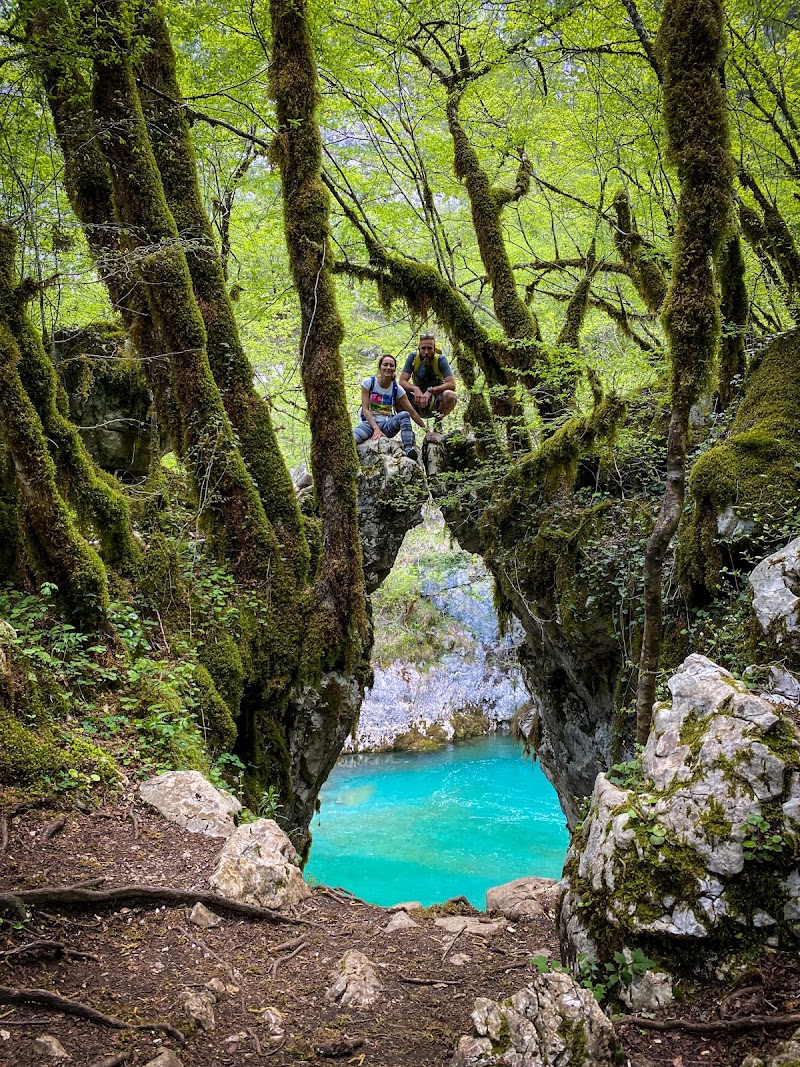
Montenegro · Medjurecje
Mrtvica Canyon: A Riverside Hike Worth the Effort
Clear water, narrow rock walls and strong spring flows make Mrtvica Canyon one of Montenegro’s most rewarding moderate hikes.
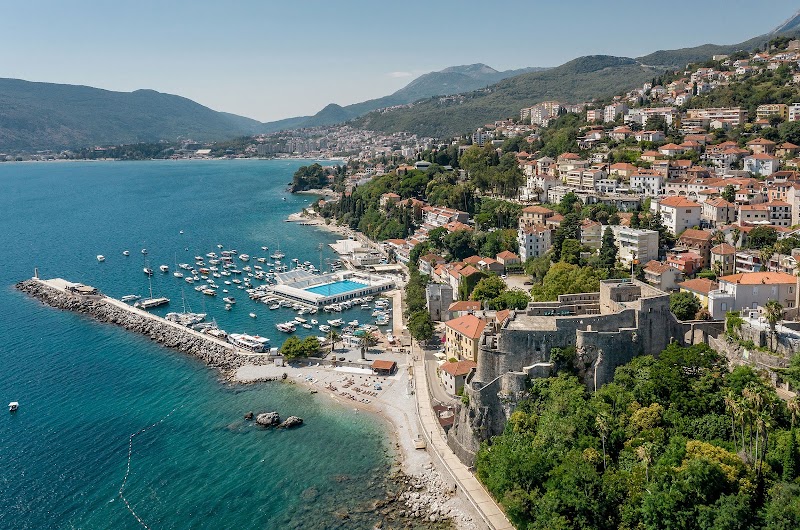
Montenegro · Herceg - Novi
Forte Mare: Sea Views and Stone Passageways in Herceg Novi
This compact waterfront fortress pairs atmospheric stone architecture with broad views across Herceg Novi and the Bay of Kotor.
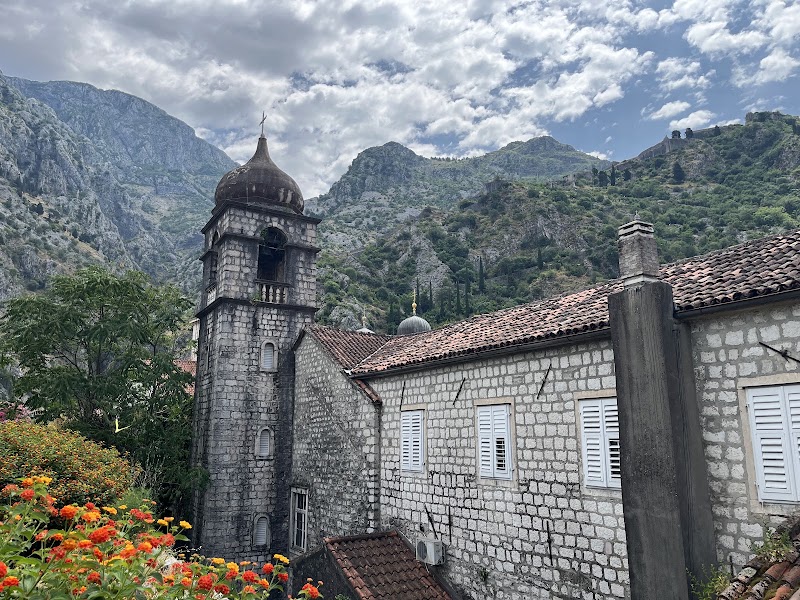
Montenegro · Kotor
Kotor Town Walls: Old Town Walks and Bay Views
Kotor’s defensive walls combine an easy circuit around the old town with a steeper, paid climb towards the church and fortress.
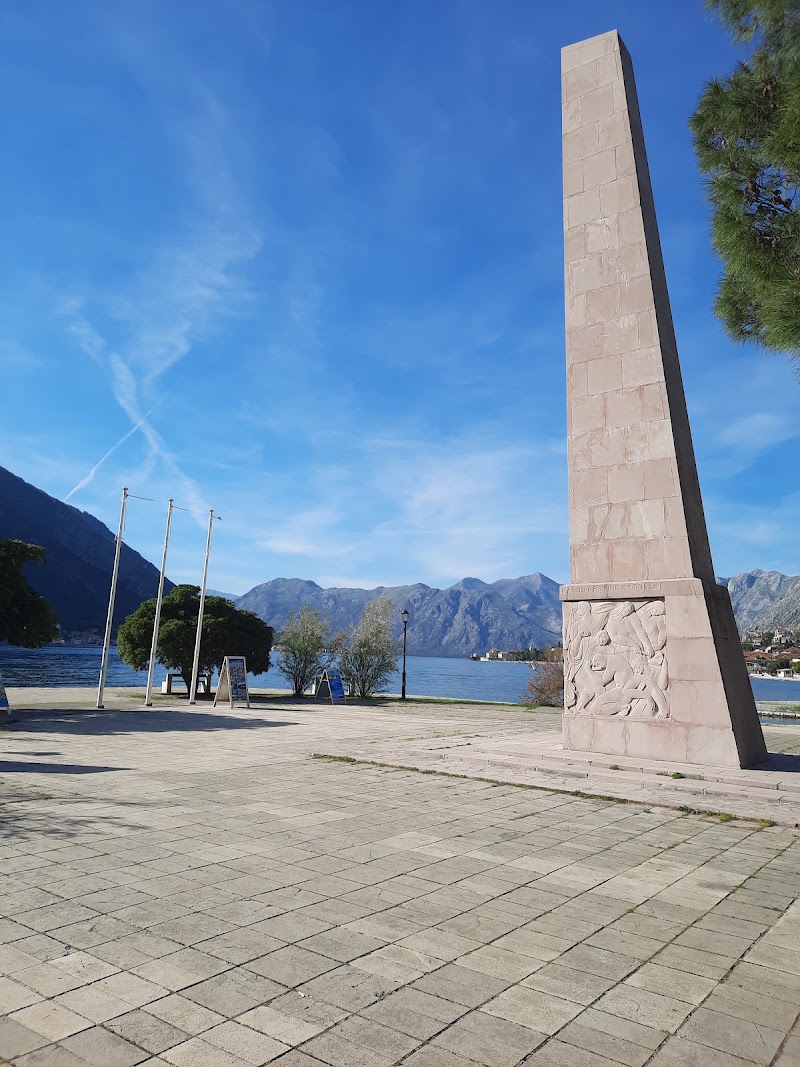
Montenegro · Kotor
Spomenik Palim Za Slobodu: A Quiet Kotor Memorial
This World War II memorial pairs a peaceful shaded park with broad views across Kotor Bay and space for a contemplative pause.