Céide Fields: Prehistory on Ireland’s Atlantic Edge
Ancient field systems, interactive exhibits and expansive views make Céide Fields a rewarding historical stop in Glenurla.
More photos
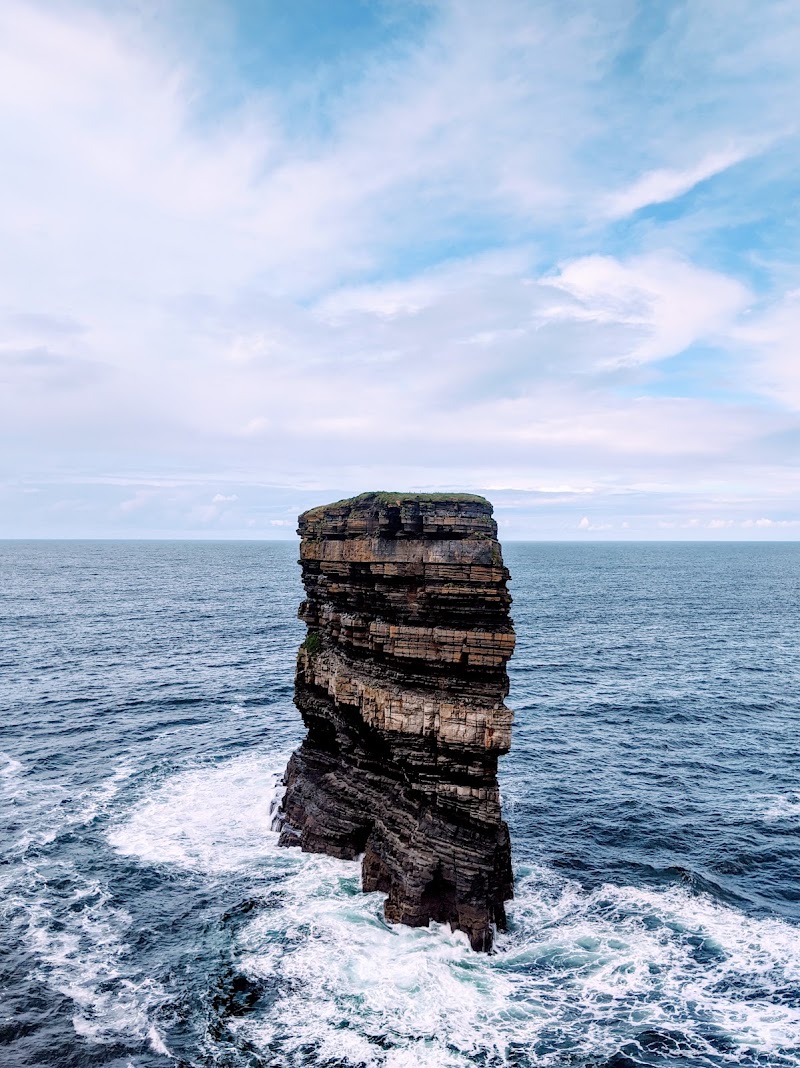
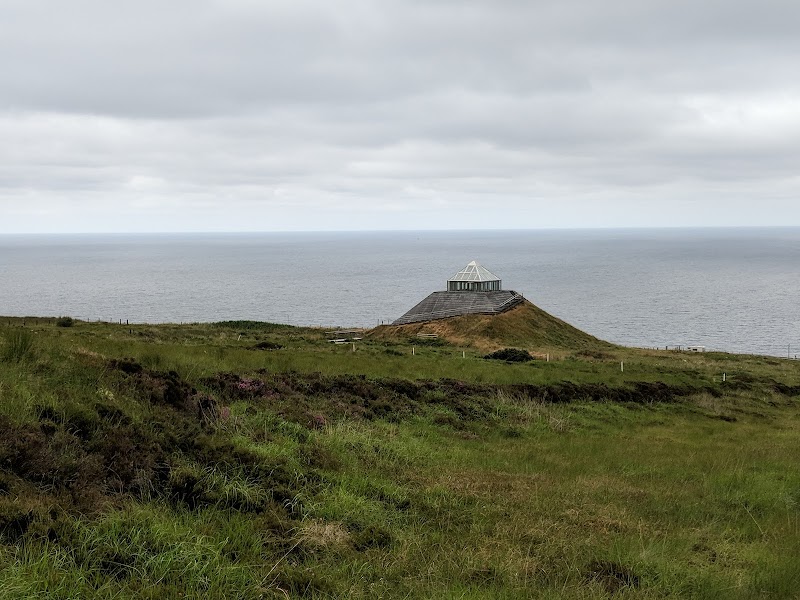
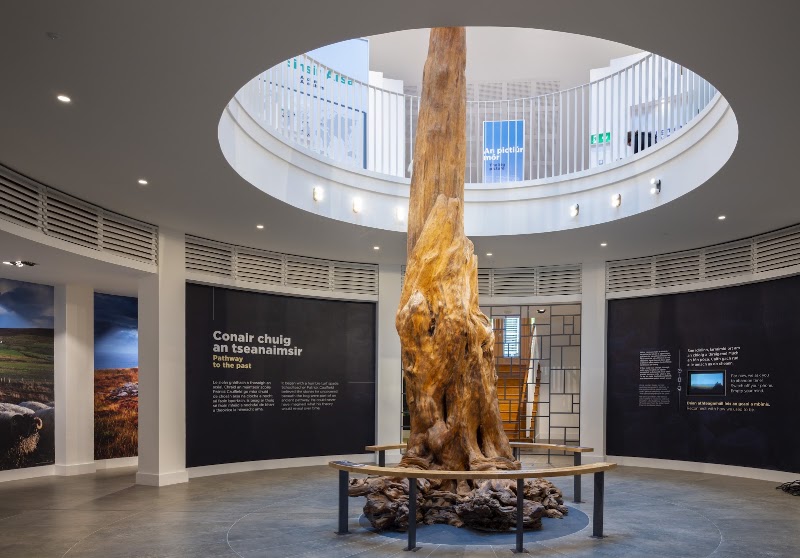
Photos published by travelers on Google, not AI generated.
What stands out
- Guided interpretation of the stone fields
- Interactive archaeological and ecological displays
- Expansive views from the grounds
- Accessible visitor experience
- Welcoming lobby café
Worth knowing
- Outdoor tours can be curtailed by heavy rain
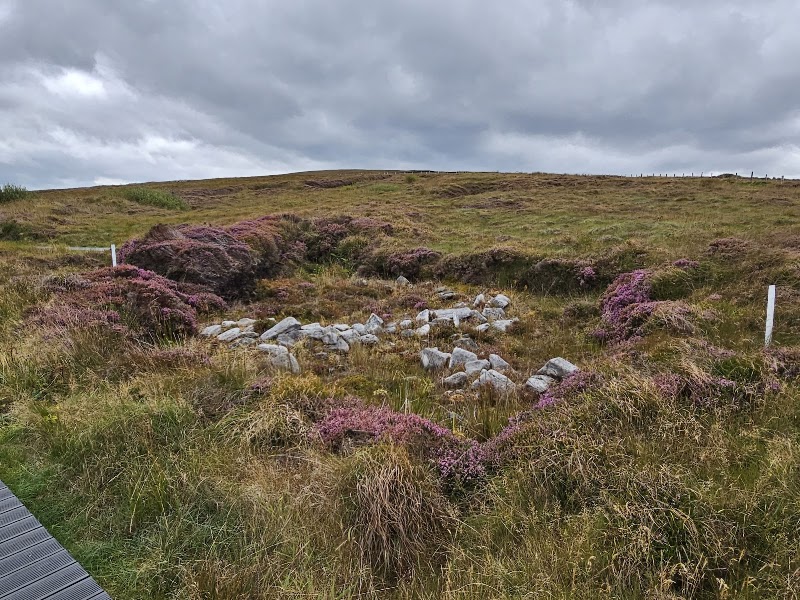
- Visible archaeological remains are relatively subtle
Don't miss
What comes up most in public reviews
- The guided tour of the prehistoric fields
- The hands-on interpretive displays
- The audiovisual exhibition room
- The views from the grounds and exterior walk
Worth the trip?
An archaeological landscape
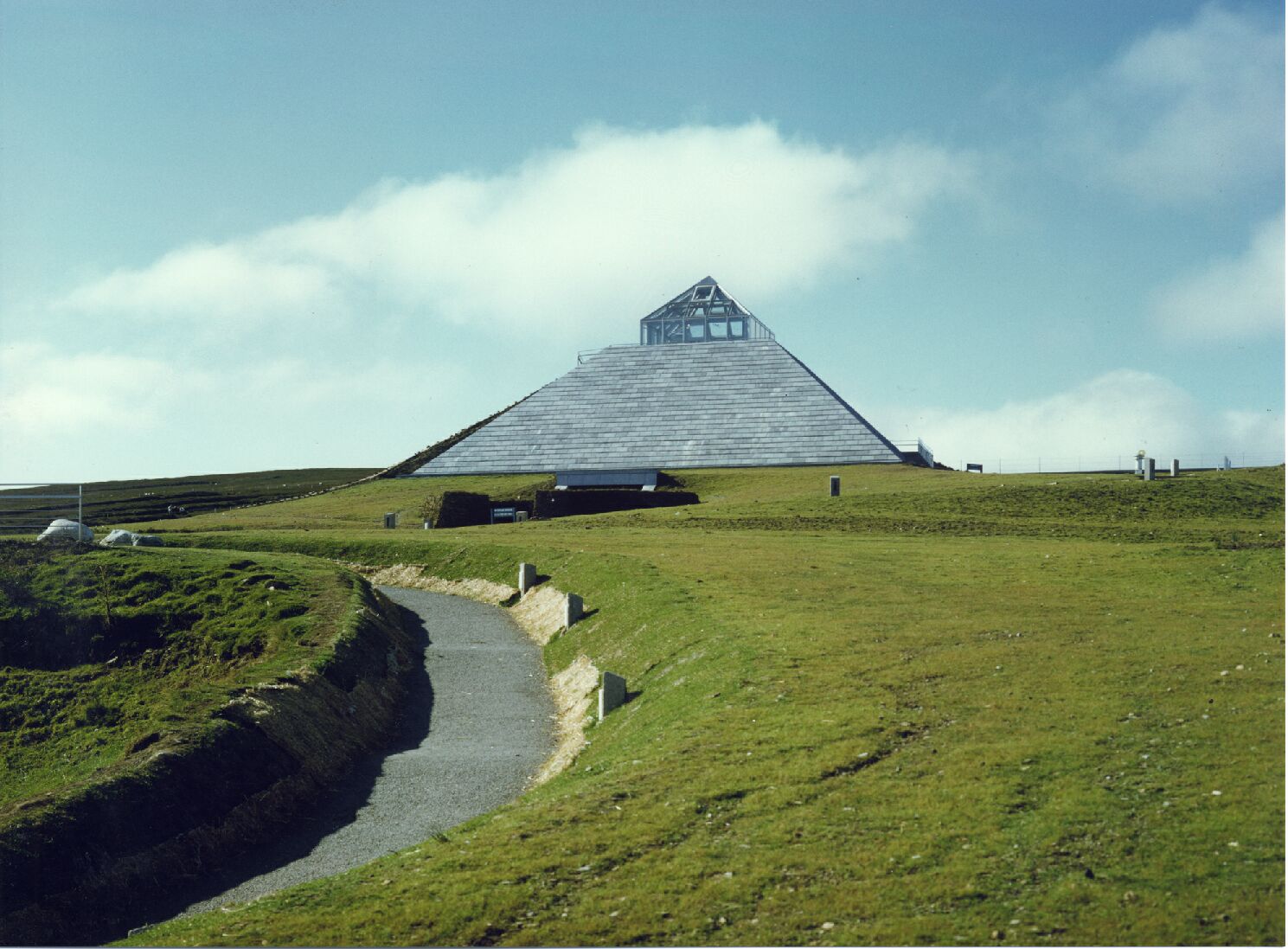
Céide Fields is less about monumental ruins than learning how to read a landscape. The surviving prehistoric settlement is subtle, with only limited stonework immediately visible, but public reviews repeatedly suggest that its significance becomes clearer through interpretation. Reviewers describe an archaeological site dating back roughly 6,000 years, associated with the period when farming communities began shaping the land.
That combination of archaeology, ecology and exposed scenery gives the attraction a character distinct from more visually imposing heritage sites. One reviewer specifically contrasted it with Newgrange, noting that Céide Fields offers a different experience. Another praised the site for leaving enough to the imagination. The overall Google rating of 4.4 from 1396 reviews supports the impression of a well-regarded, educational attraction rather than a conventional collection of dramatic ruins.
Why the guided tour matters
The strongest recurring advice is to take the guided tour. Without explanation, the remaining stones and field boundaries may appear modest. Reviewers say knowledgeable interpretation brings the stone field to life, connecting the visible landscape with prehistoric farming, settlement and environmental change.
The tour also appears to help visitors understand why the site matters beyond what can be seen at first glance. One review called the guide exceptional and knowledgeable, while another said the explanations transformed an otherwise sparse stone field. For travellers with only a passing interest in archaeology, this human context may be the difference between a brief scenic stop and a memorable historical experience.
Weather is the main practical concern. At least one reviewer became soaked during the outdoor tour and had to cut it short. The exposed setting is part of the appeal, but rain protection and flexible expectations are sensible.
Exhibits and accessibility
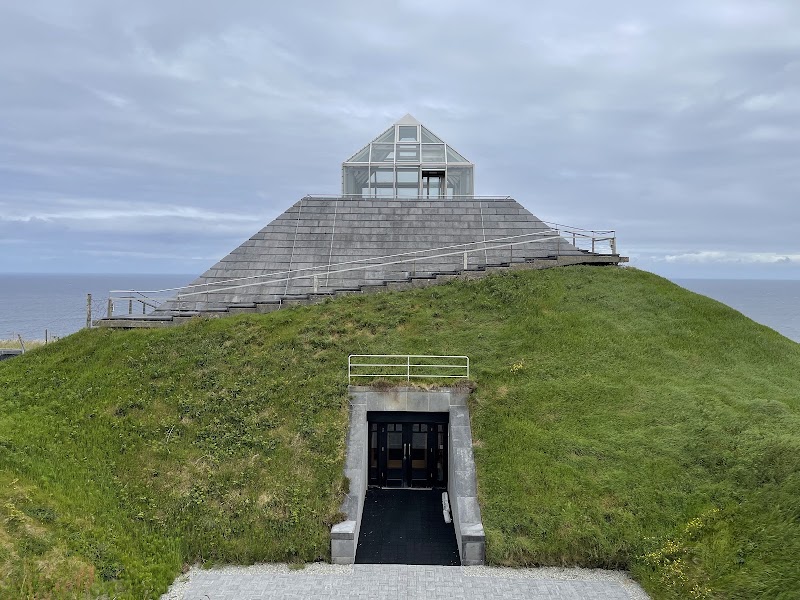
The visitor experience extends beyond the outdoor remains. Reviews consistently praise the modern displays, describing them as clear, interactive and suitable for exploring at an individual pace. Hands-on interpretation covers both the ecological past and the site’s archaeological story, while the audiovisual exhibition room receives specific approval.
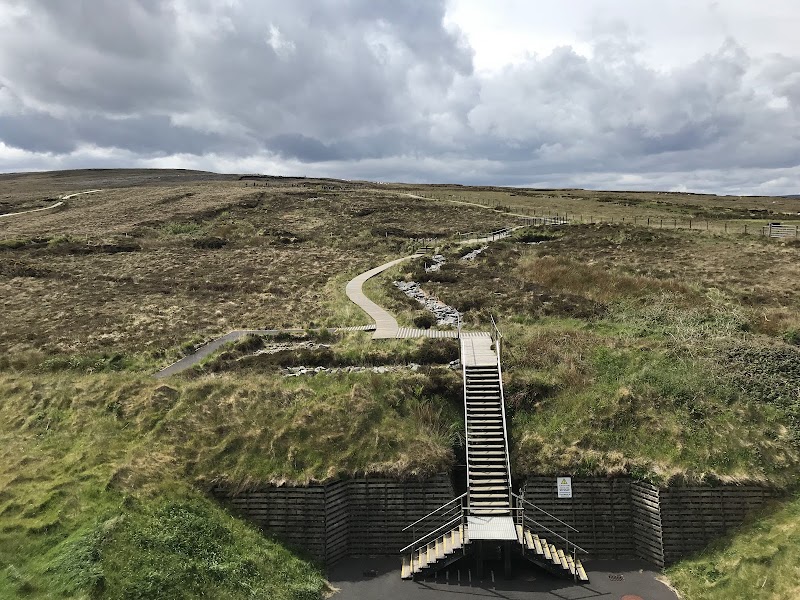
A reviewer returning after 26 years noted good upkeep, modern displays and newer additions. Another described the attraction as accessible for disabled visitors and highlighted the grounds and exterior walk. These comments suggest that the centre works particularly well for mixed groups, including families, visitors who prefer structured interpretation and those who may not be able to spend long on uneven outdoor ground.
Views and overall verdict
The setting is repeatedly described as breathtaking, with strong views from the grounds and exterior walk. That scenery adds weight to a visit even when the archaeological traces themselves require explanation. The combination of landscape, guided interpretation and interactive displays makes Céide Fields best approached as an educational half-day rather than a quick photo stop.
A welcoming lobby café is also mentioned, serving hot drinks, cakes, scones and wraps. It provides a useful pause before or after the outdoor portion, particularly in changeable weather. Based on the rating and review patterns supplied, Céide Fields is a compelling stop for archaeology enthusiasts, curious families and travellers interested in Ireland’s earliest farming landscapes.
Ask anything
Looking for somewhere else?
Keep exploring around Glenurla
More from Ireland
Ireland · Oldcastle
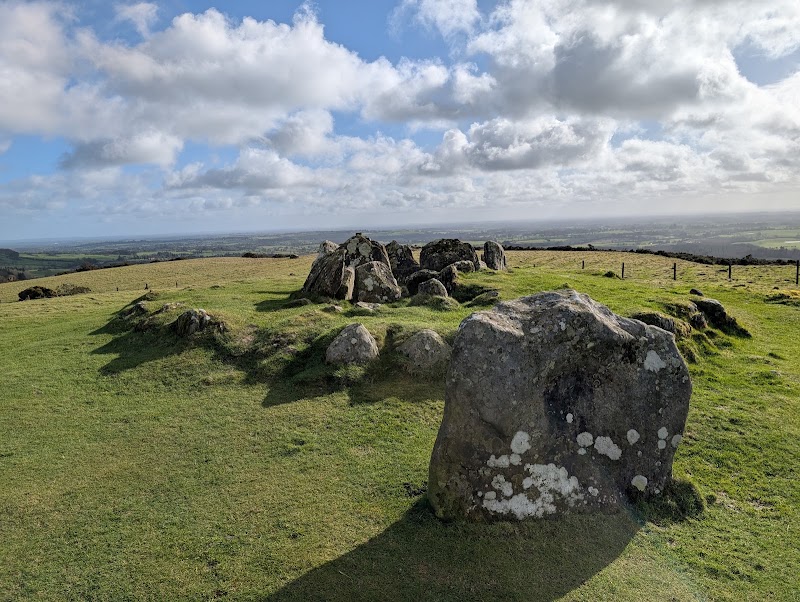
Loughcrew Cairns: Ancient Tombs Above County Meath
A steep countryside climb leads to ancient passage tombs, surviving stone carvings and wide views over the landscape around Oldcastle.
Ireland · Drogheda
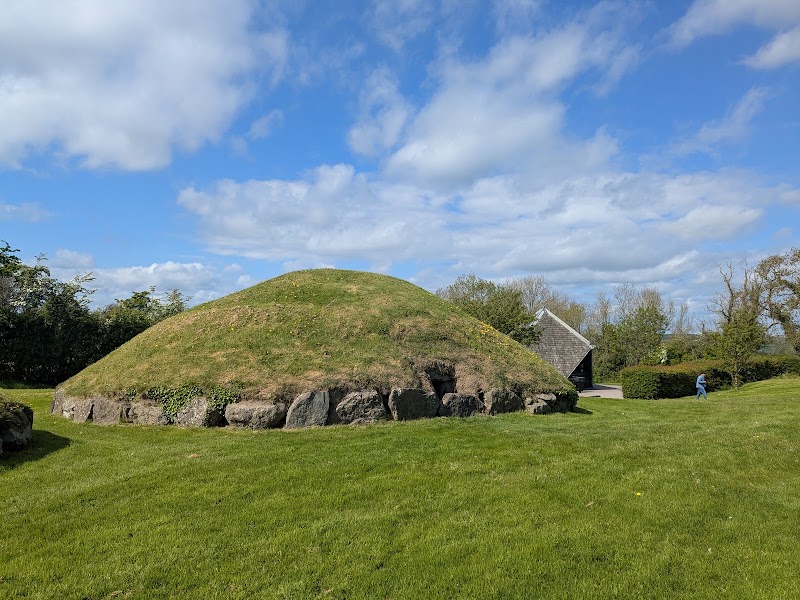
Knowth: Neolithic history with a debated modern viewpoint
Knowth pairs an ancient burial mound and surrounding monuments with expert-led tours, broad countryside views and some contentious restoration choices.

Ireland · Donore
Brú na Bóinne turns ancient earthworks into a vivid day out
Strong interpretation, engaging guides and close-up monument visits make this Donore landmark rewarding, provided visitors are ready to walk.
Ireland · Trim
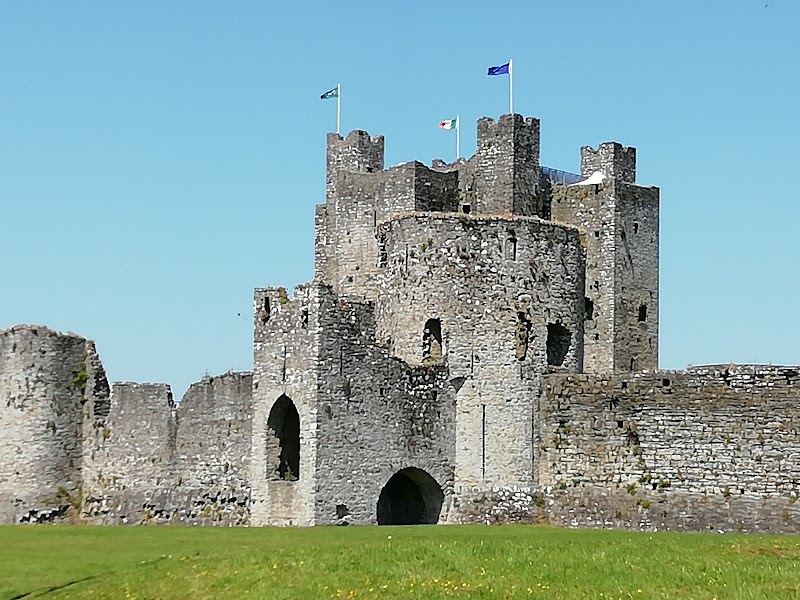
Trim Castle: Imposing History and Rewarding Guided Tours
Trim Castle pairs well-preserved architecture and scenic grounds with guided visits that earn strong praise from public reviewers.