Çatalhöyük: Neolithic history brought into focus
Near Konya, this Neolithic settlement pairs a restrained excavation site with an interactive museum praised for making prehistory accessible.
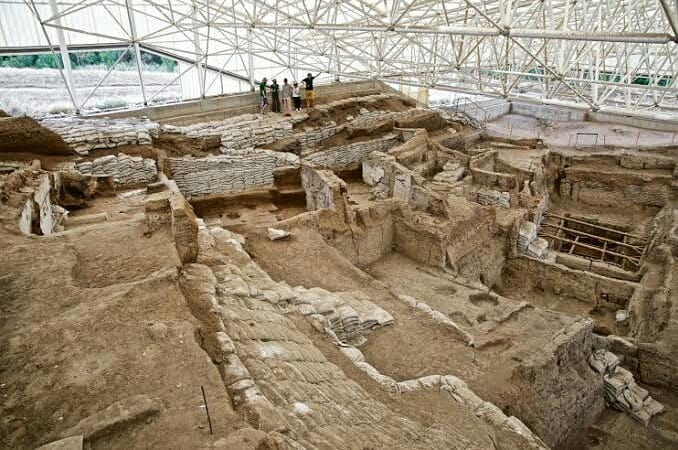
More photos
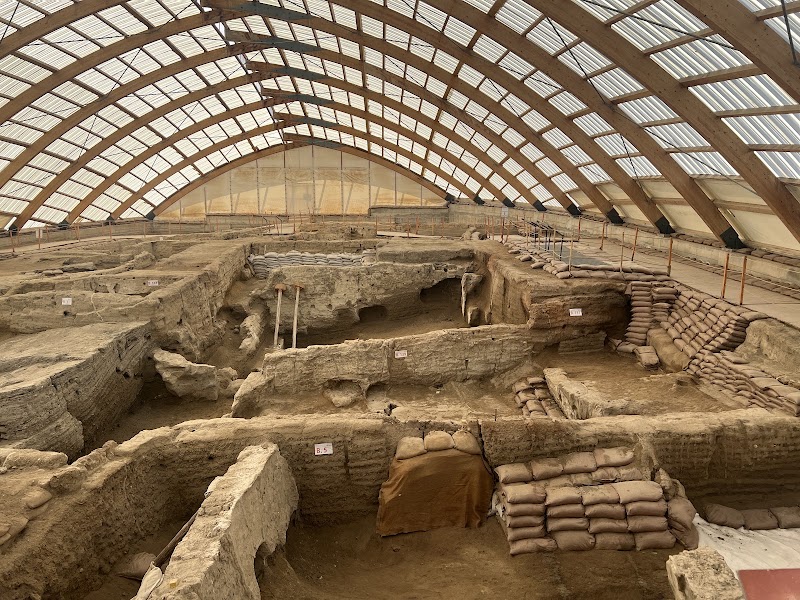
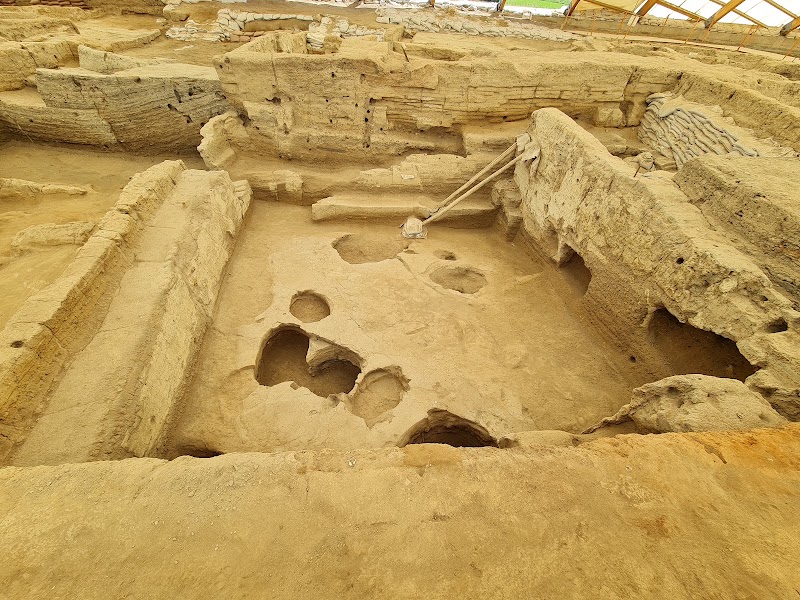

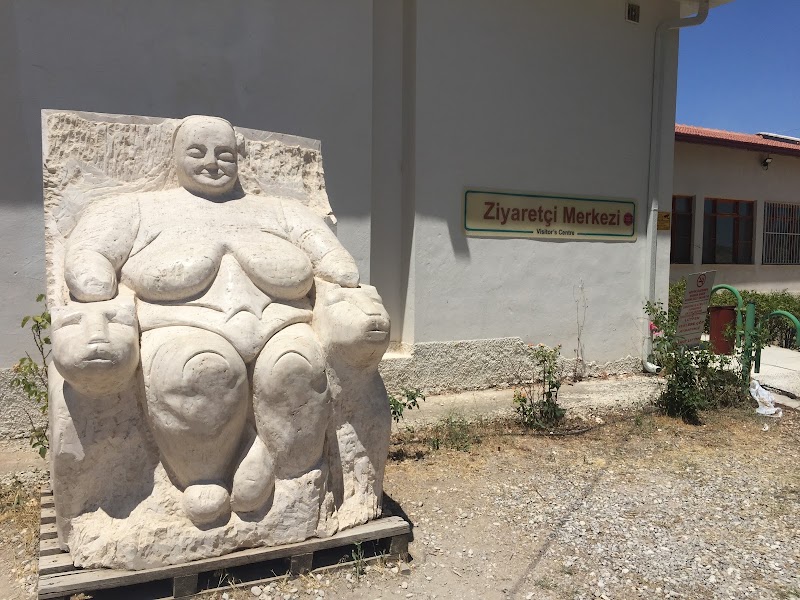


Photos published by travelers on Google, not AI generated.
What stands out
- Well-curated interactive museum
- Re-created Neolithic houses
- Videos and archaeological reconstructions
- Excavation history explained clearly
Worth knowing
- The exposed site can feel visually limited
- Some associated wall art is held in Ankara
Don't miss
What comes up most in public reviews
- Visit the museum before the site
- Explore the re-created houses
- Watch the reconstruction videos
- Follow the displays on the excavation process
Worth the trip?
Why Çatalhöyük matters
Çatalhöyük is no conventional monument. This prehistoric settlement in central Anatolia, near Konya, is described by reviewers as a proto-city and one of the world’s most important archaeological sites. One public review dates its occupation to approximately 7400 to 5600 BCE and notes its addition to the UNESCO World Heritage List in July 2012.
With a Google rating of 4.6 from 4949 reviews, the landmark attracts strong approval, particularly from travellers interested in archaeology and early human settlement. Yet the enthusiasm comes with an important qualification: several reviewers find the exposed site itself less visually dramatic than its reputation might suggest. Its significance lies in what archaeologists have learned from it, rather than in monumental ruins rising above the landscape.
The museum leads the experience
The clearest pattern in the supplied reviews is praise for the museum. Visitors describe it as excellent, well curated and interactive, with enough interpretation to turn difficult archaeological material into a coherent story. Videos, reconstructions and displays tracing the excavation process receive particular approval. One reviewer compares the experience of moving through the material to reading an absorbing book.
That interpretive work is crucial at a site where much of the history is not immediately legible. Re-created houses help visitors picture domestic life around 9,000 years ago, while interactive stations add context to the settlement’s layout and development. Reviewers repeatedly suggest visiting the museum before approaching the archaeological remains. Doing so gives the excavation areas a clearer purpose and makes subtle details easier to understand.
A 4,949 review refers to the museum as newly opened and praises its presentation, although travellers should check current visitor information before making a special journey. Another reviewer would like to see original material, particularly wall art held in Ankara, returned to Çatalhöyük. That comment points to a possible limitation: the local interpretation may be strong, but not every significant object associated with the settlement is necessarily displayed here.
What the archaeological site is like
Expect an academic landscape rather than a field of spectacular standing architecture. One reviewer bluntly says there is not much to see at the site, even while strongly recommending the museum. The remains are most rewarding for visitors prepared to examine excavation areas closely and connect them with the reconstructions and explanations encountered indoors.
For history enthusiasts, this restraint is unlikely to diminish the visit. Public reviews repeatedly call the place unique, important and essential for understanding Neolithic life. The chance to see how excavations were conducted, and how researchers reconstruct ancient homes and communities from fragmentary evidence, is a major part of the appeal.
Verdict
Çatalhöyük works best as a combined museum and archaeological visit. The physical remains alone may feel understated, but the interactive interpretation gives them weight and clarity. Travellers with a serious interest in archaeology are likely to find the experience compelling, while casual sightseers should arrive knowing that the museum, reconstructed houses and excavation story provide much of the impact. Based on the supplied public feedback, it deserves a strong recommendation for history-focused visitors exploring the Konya region.
Ask anything
Looking for somewhere else?
Keep exploring
More from Türkiye

Türkiye
Titanic Deluxe Lara: a polished family resort near Antalya
Strong service, varied dining and standout children’s activities make this large Lara hotel a persuasive choice for family beach holidays.
Türkiye
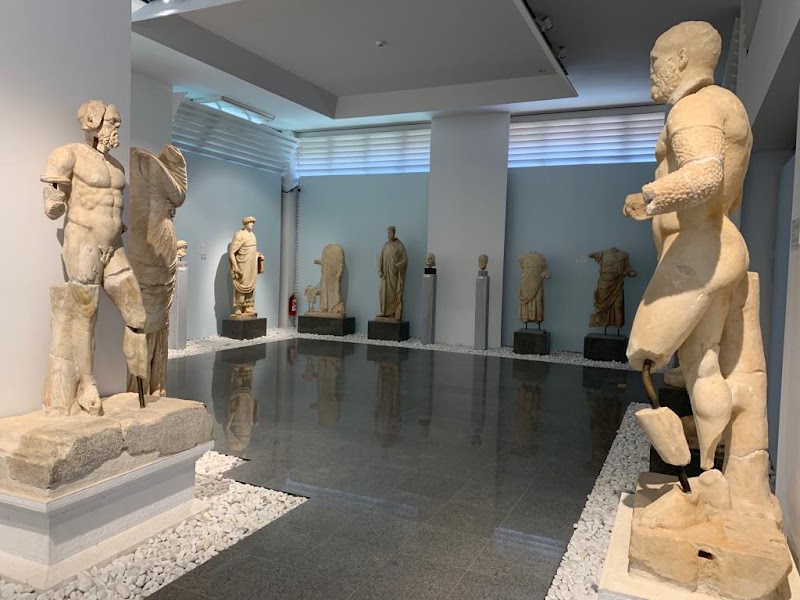
Aphrodisias: Marble Monuments and a Remarkable Stadium
A peaceful archaeological city where monumental ruins, intricate carvings and an impressive stadium reward the journey inland.
Türkiye
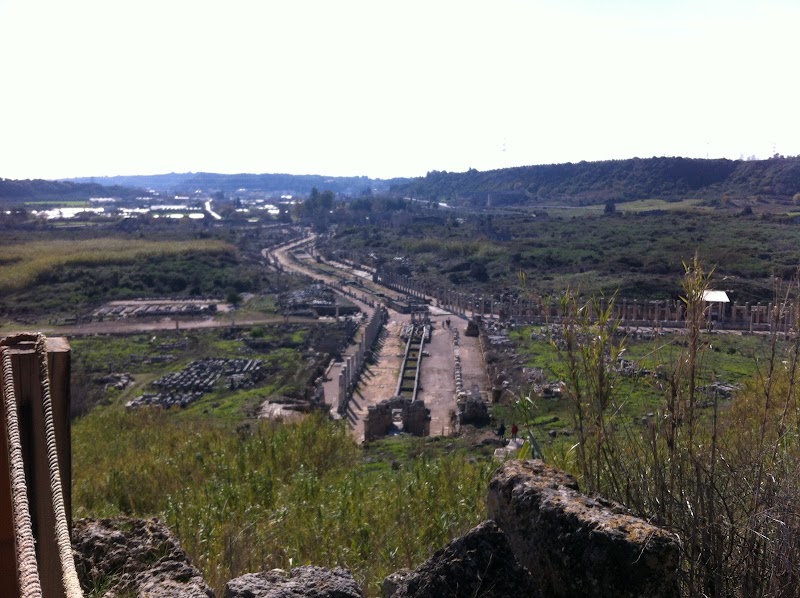
Perge Ancient City: Monumental Ruins Near Antalya
Perge combines imposing Roman engineering, layered Anatolian history and straightforward access from Antalya in one extensive archaeological site.
Türkiye
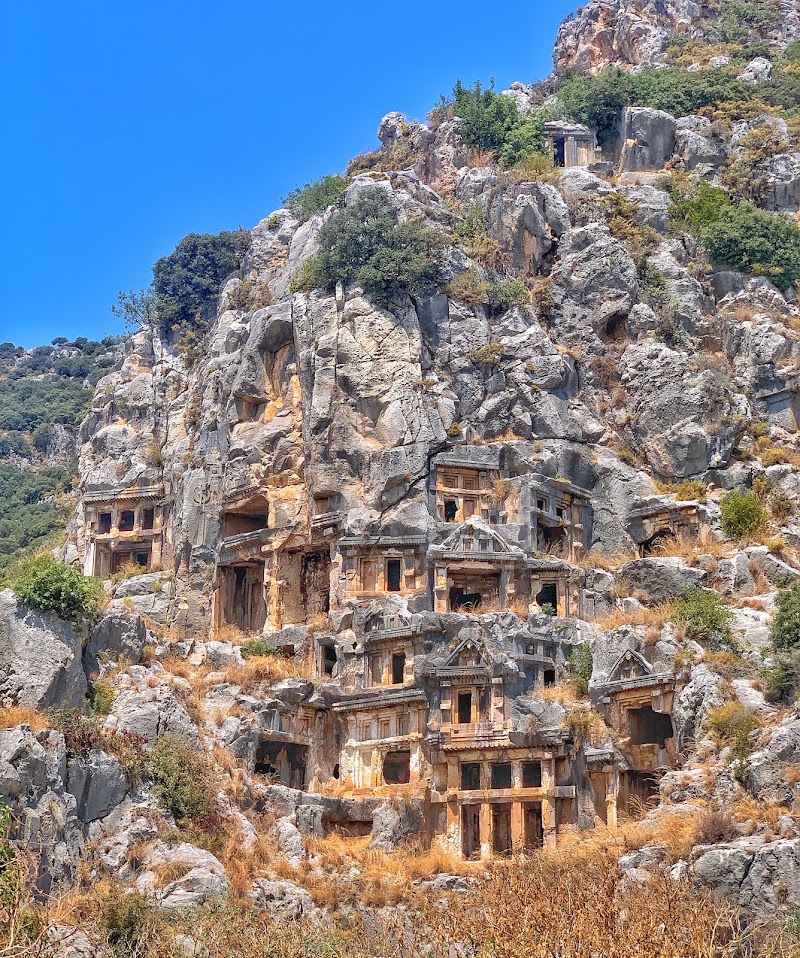
Myra Ancient City: Rock Tombs and a Walkable Theatre
Myra pairs striking cliff-cut Lycian tombs with an ancient theatre, although limited access and ticket value divide visitors.