Castelo de São Jorge: Lisbon views from historic walls
Lisbon’s hilltop citadel combines fortifications, archaeology and wide city views, though the steep approach and ticketing deserve planning.
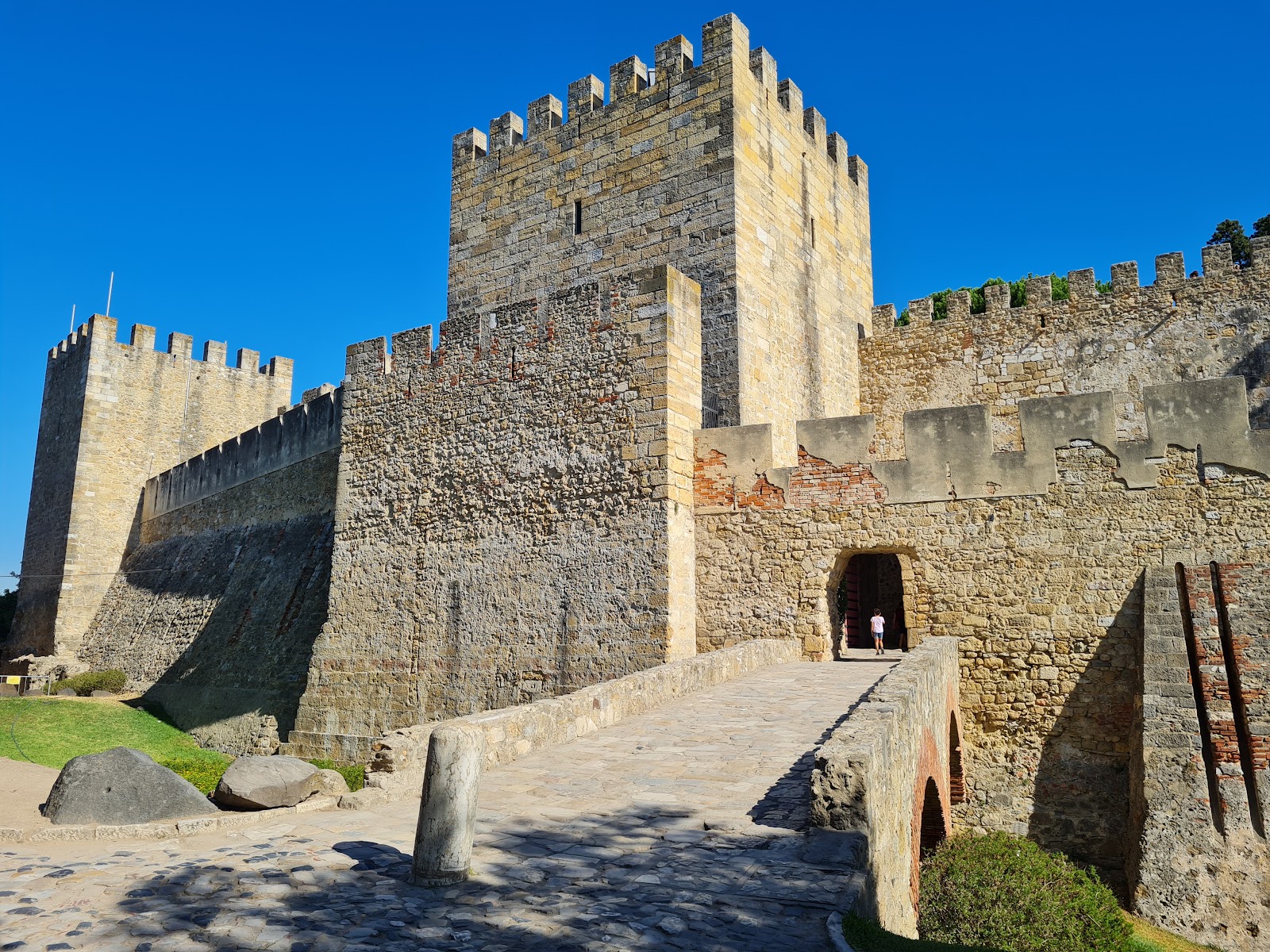
More photos
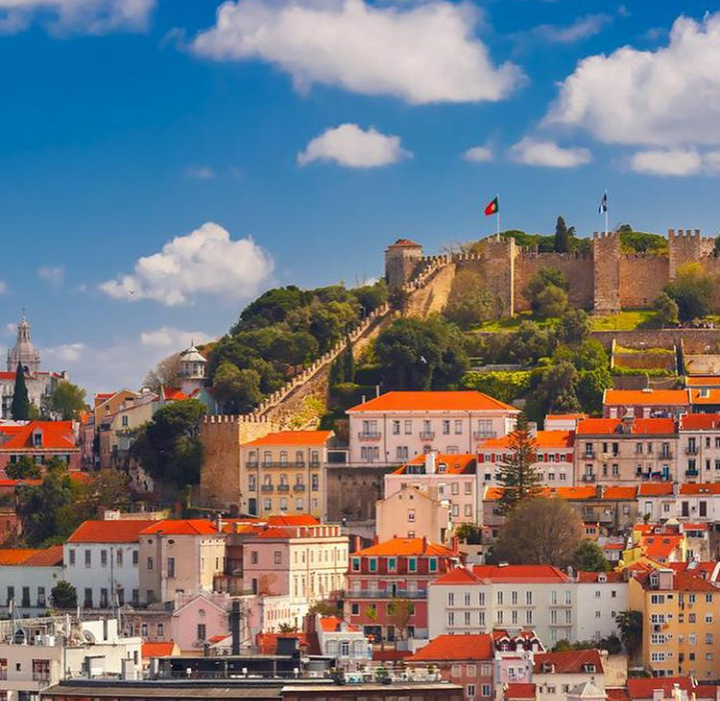
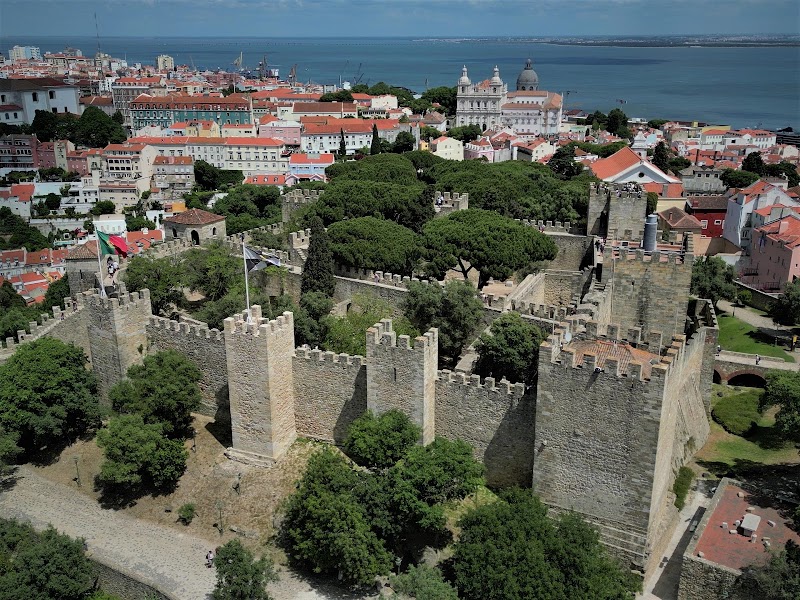

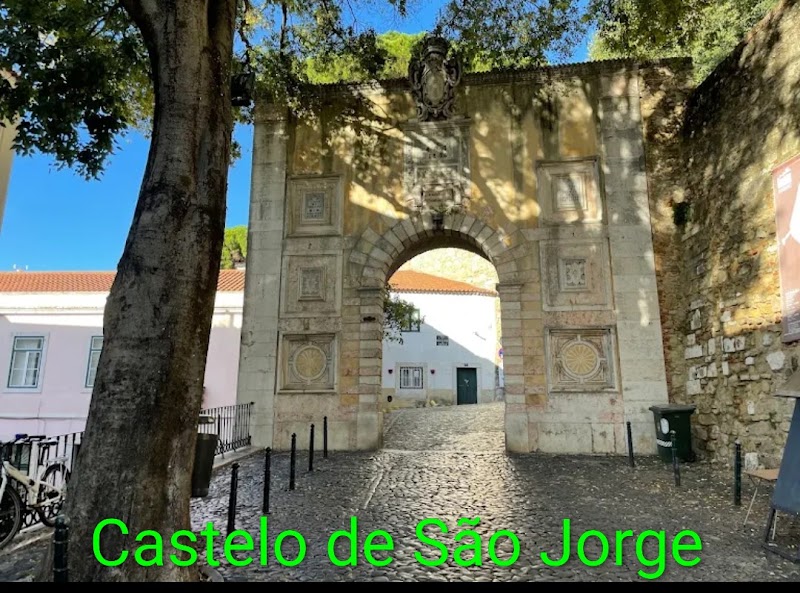

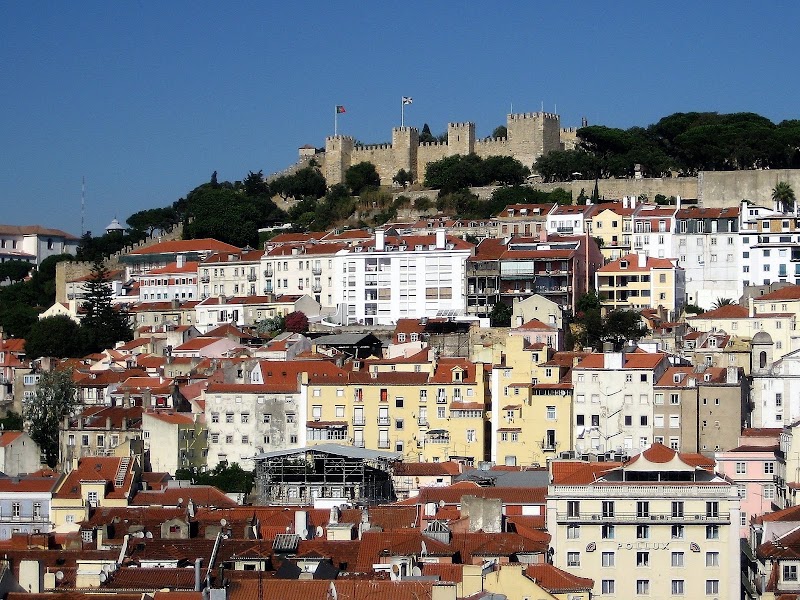
Photos published by travelers on Google, not AI generated.
What stands out
- Panoramic Lisbon and Tagus views
- Walks along historic fortification walls
- Surviving towers and castle grounds
- Archaeological area and museum centre
Worth knowing
- Steep hilltop approach
- Online ticketing may occasionally fail
- Castle interiors may feel less impressive than the views
Don't miss
What comes up most in public reviews
- Views over the Tagus River
- Lisbon rooftop panoramas
- Fortification walls and towers
- Active archaeological site
- Museum centre
Worth the trip?
Why it stands out
Castelo de São Jorge earns a Google rating of 4.5 from 102459 reviews, with public feedback repeatedly centring on two strengths: its long historical story and its commanding views over Lisbon. Reviewers often describe it as a defining city landmark rather than simply another castle interior.
The setting is a major part of its appeal. Positioned high above the Alfama district, the citadel overlooks Lisbon’s tiled rooftops and the Tagus River. Travellers regularly call the panorama breathtaking, impressive or among the best in the city. That visual payoff helps explain why even visitors who have seen grander or more ornate castles still tend to recommend stopping here at least once.
Walls, towers and archaeology
Public reviews describe a site shaped by several periods of occupation, from the Iron Age and Roman era to the 11th-century Moorish citadel. Its later dedication to Saint George is also associated in reviews with the historic alliance between Portugal and England. The result is less a single preserved palace than a layered historical complex.
The main experience involves walking through the grounds, following the fortification walls and exploring the surviving towers. An active archaeological area and museum centre add context to the defensive architecture. Reviews suggest that the visit works best for travellers comfortable learning through ruins, viewpoints and outdoor spaces rather than expecting lavish furnished rooms.
The route is frequently described as pleasant and relaxed. Visitors can move between walls and lookout points at their own pace, pausing to take in different angles across central Lisbon and the river. The scale is substantial enough to reward exploration without turning the visit into a full-day commitment.
Views are the headline attraction
The rooftops, surrounding neighbourhoods and broad sweep of the Tagus recur across traveller feedback. Several reviewers consider the near-360-degree outlook the castle’s strongest feature. Photographers and first-time Lisbon visitors are likely to get the most from the elevated position, particularly while walking the outer walls.
The castle itself receives slightly more mixed praise than the scenery. Some travellers do not find it as visually striking as other castles they have visited. Even so, those same reviews often regard the grounds as enjoyable and the setting as worth the climb. It is the combination of history, open-air exploration and perspective over the city that carries the experience.
Planning the visit
The hilltop location requires some thought. Reaching the entrance involves a steep ascent through one of Lisbon’s oldest districts, while public transport can make the return downhill easier. A reviewer specifically noted that taking the bus down was convenient.
Ticketing may also require flexibility. One July visitor reported that online purchasing was unavailable and tickets had to be bought at the entrance, although the queue moved quickly. That appears to be an isolated experience rather than a consistent problem, but checking the official booking system before setting out remains sensible.
Overall, synthesized public feedback supports Castelo de São Jorge as a high-priority Lisbon landmark. It is strongest for panoramic views, atmospheric walls and an accessible introduction to the city’s layered past, rather than for elaborate castle interiors.
Ask anything
Looking for somewhere else?
Keep exploring around Lisboa
More from Portugal
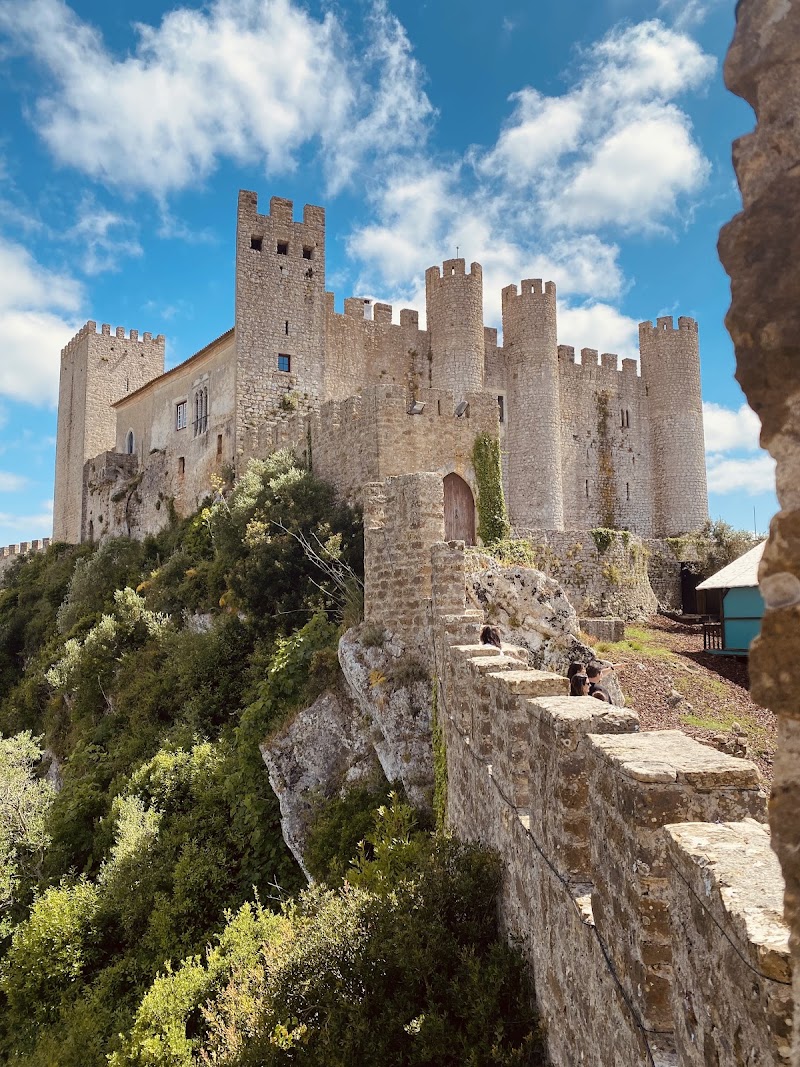
Portugal · Óbidos
Castelo de Óbidos: Medieval Walls and Old-Town Views
Óbidos rewards visitors with preserved walls, tiled gateways, cobbled lanes and broad views, even when the castle building itself is inaccessible.

Portugal · Sintra
National Palace of Sintra: Royal History in the Old Town
Sintra’s distinctive white palace earns praise for its twin chimneys, decorative interiors and layered Iberian and Moorish character.
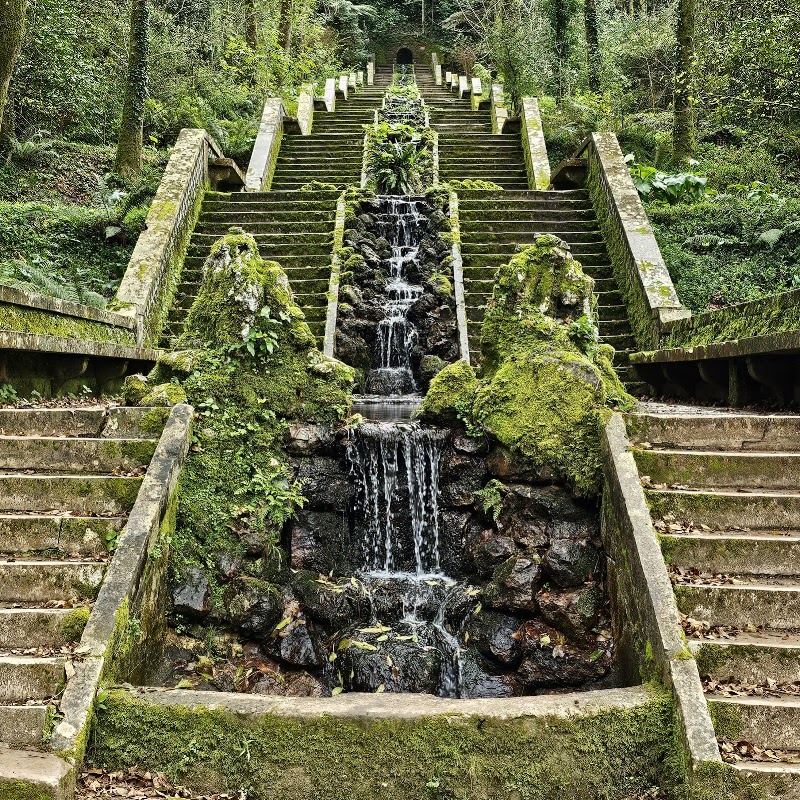
Portugal · Luso
Buçaco National Forest: Peaceful Trails and Palace Views
Near Luso, Buçaco pairs quiet woodland walks with ornate architecture, landscaped gardens, springs and viewpoints higher on the mountain.
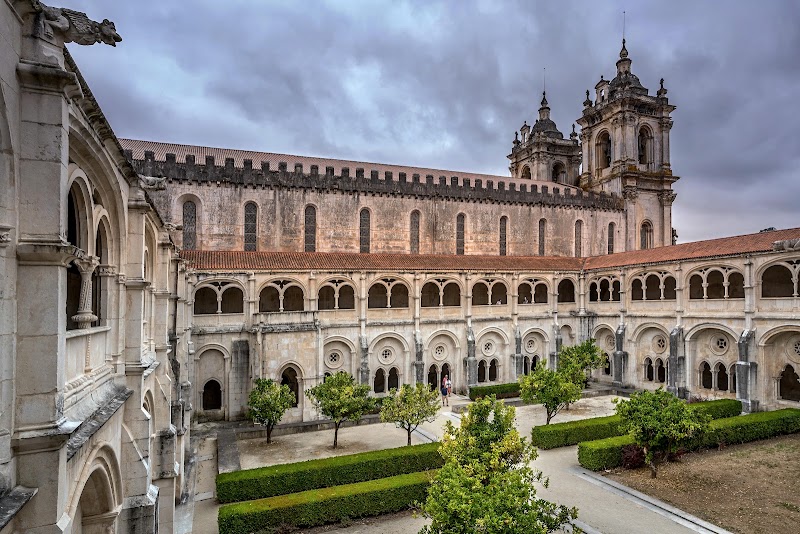
Portugal · Alcobaça
Monastery of Alcobaça: Gothic Scale and Quiet Cloisters
A vast Gothic church, atmospheric cloisters and elaborate medieval details make this UNESCO-listed monastery a rewarding cultural stop.