Castelo de Óbidos: Medieval Walls and Old-Town Views
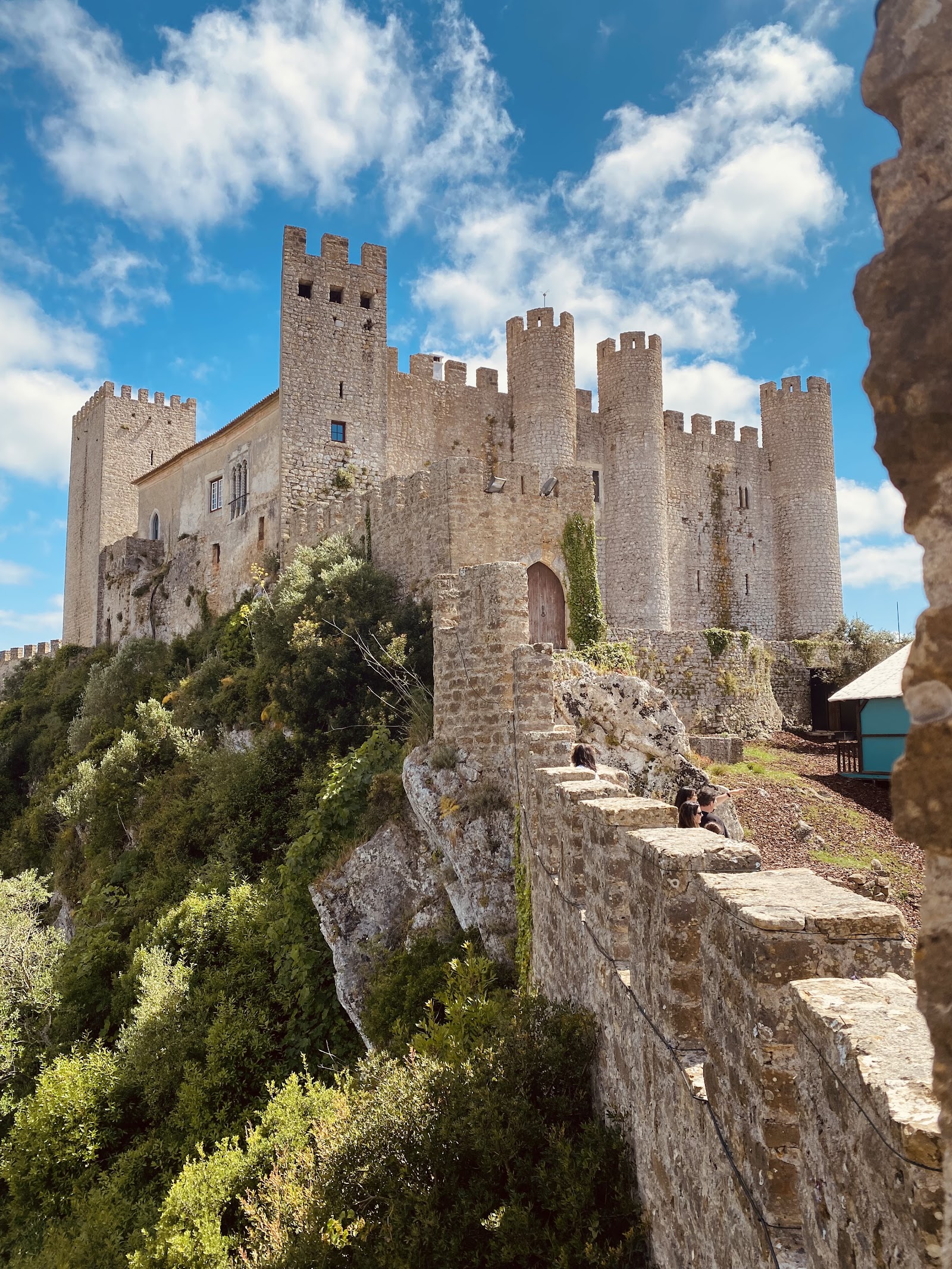
Óbidos rewards visitors with preserved walls, tiled gateways, cobbled lanes and broad views, even when the castle building itself is inaccessible.
More photos
Photos published by travelers on Google, not AI generated.
What stands out
- Intact medieval walls
- Elevated views from the wall walk
- Narrow cobbled lanes
- Historic ceramic tile work
- Artisan shops and local food stops
Worth knowing
- Castle building access may be limited to hotel guests
- Upper wall walk requires care
- Closing times should be checked in advance
Don't miss
What comes up most in public reviews
- Walk the town walls
- See the tiled main entrance
- Explore the narrow alleys
- Try Ginjinha in a chocolate cup
- Browse local artisan shops
Worth the trip?
The overall verdict
Castelo de Óbidos has a Google rating of 4.7 from 40903 reviews. Across the available public feedback, visitors tend to describe it as a wider medieval-town experience, not a conventional castle tour. The intact defensive walls draw frequent praise, as do the narrow lanes and whitewashed buildings with colourful trim. Here, the setting counts for as much as any one monument.
The main entrance delivers the first impact. One reviewer pointed to its historic ceramic tile work. Others were more taken by the mix of stone walls, cobbled streets and preserved architecture. Within the fortifications, shops, bakeries, restaurants and artisan outlets keep the place active. Óbidos comes across as a functioning small town, rather than a historical site standing apart from everyday life.
What the visit involves
Most of the visit is spent on foot. Reviews often recommend following the walls around the town for the elevated views, and one visitor completed the full upper-wall circuit. From there, the route opens up a different perspective across the rooftops and surrounding countryside. It also requires attention. Reviewers specifically urge care on the wall walk, since the elevated sections may be a poor fit for anyone uneasy with heights or uneven historic surfaces.
Down below, the alleys provide an easier option. Travellers mention browsing local goods, watching artisans at work and stopping at small food and drink businesses. It is easy to spend several hours inside the walls without entering the main castle building at all. One visitor arrived late and missed access before a reported 5pm closing time, but still felt the trip was worthwhile. There was plenty left to explore elsewhere.
Castle access and expectations
The public reviews make a useful distinction between the castle structure and the walled town around it. According to one visitor, the castle operates as a luxury hotel and cannot be toured by people who are not guests. Access to the building itself should therefore be treated as uncertain, with current arrangements checked before travelling.
That need not define the visit. The strongest patterns in the reviews concern sights that do not rely on hotel entry: the gateways, wall circuit, lanes, tile work and townscape. Travellers hoping for extensive furnished interiors or a standard museum-style castle experience may need to adjust their expectations.
How long to allow
Half a day is enough for the main entrance, central streets, shops and a measured stretch of the walls. A full day leaves room for the complete circuit, artisan browsing, meals and unhurried pauses at the viewpoints. One reviewer found an overnight stay inside the medieval walls especially atmospheric, recalling a quiet evening picnic and time in the lanes after the day visit.
Ginjinha, the local cherry liqueur, comes up repeatedly in the feedback and is often served in a chocolate cup. Individual accounts also mention port wine, bakeries and sardine shops. These stops make the landmark more than a place for photographs. Castelo de Óbidos works best as the dramatic centrepiece of a compact historic town, with the wall walk and street-level exploring doing most of the work.
Plan the rest of the trip
Ask anything
Looking for somewhere else?
Keep exploring around Óbidos
More from Portugal
Portugal · Vilarinho de Cotas
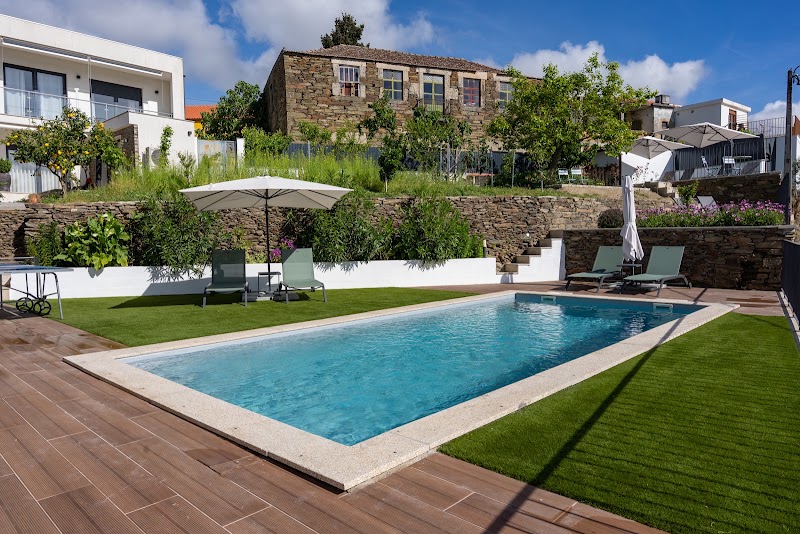
Casa Dona Edite Guesthouse: A Warm Douro Valley Base
A highly rated family-run guesthouse in Vilarinho de Cotas, valued for its hospitality, vineyard views, pool and memorable shared dinners.
Portugal · Silves
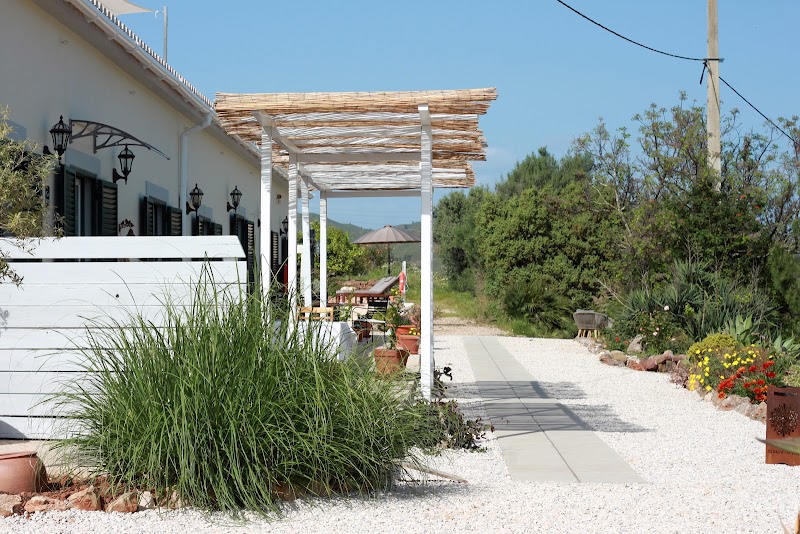
Quinta da Luz makes a relaxed Silves base
This highly rated boutique B&B pairs thoughtful hosting, generous breakfasts and countryside calm with easy access to Silves.
Portugal · Lagos
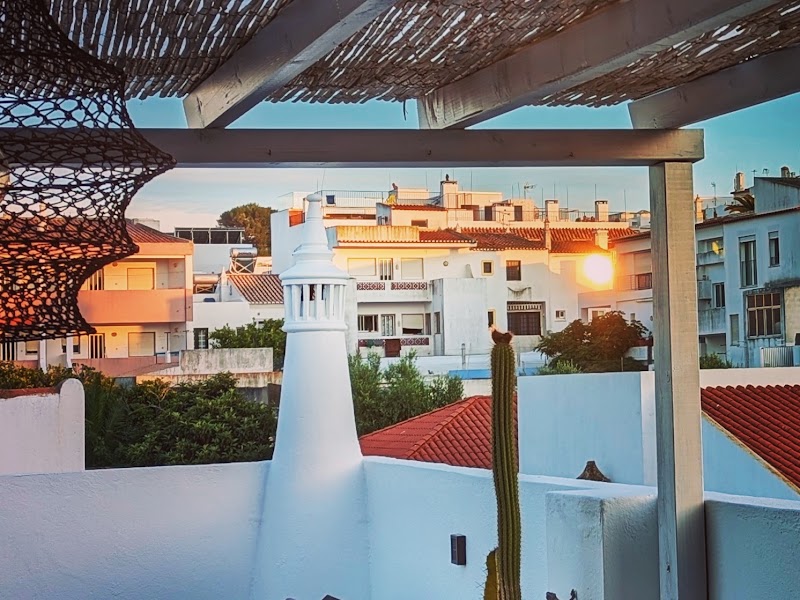
Infante Guesthouse, a Central Lagos Stay with Rooftop Views
Public reviews praise Infante Guesthouse for its welcoming hosts, peaceful rooms, central location and rooftop evenings in Lagos.

Portugal · Peniche
Mercearia d’Alegria: A Warm, Well-Kept Peniche Stay
Public reviews praise this friendly Peniche hotel for its fresh breakfast, clean rooms, courtyards and useful extras such as bikes and beach toys.