Casa de África: Havana’s African Heritage Museum
A substantial collection explores African influences in Cuba, though Spanish-language interpretation and uneven staff support can limit the experience.

More photos

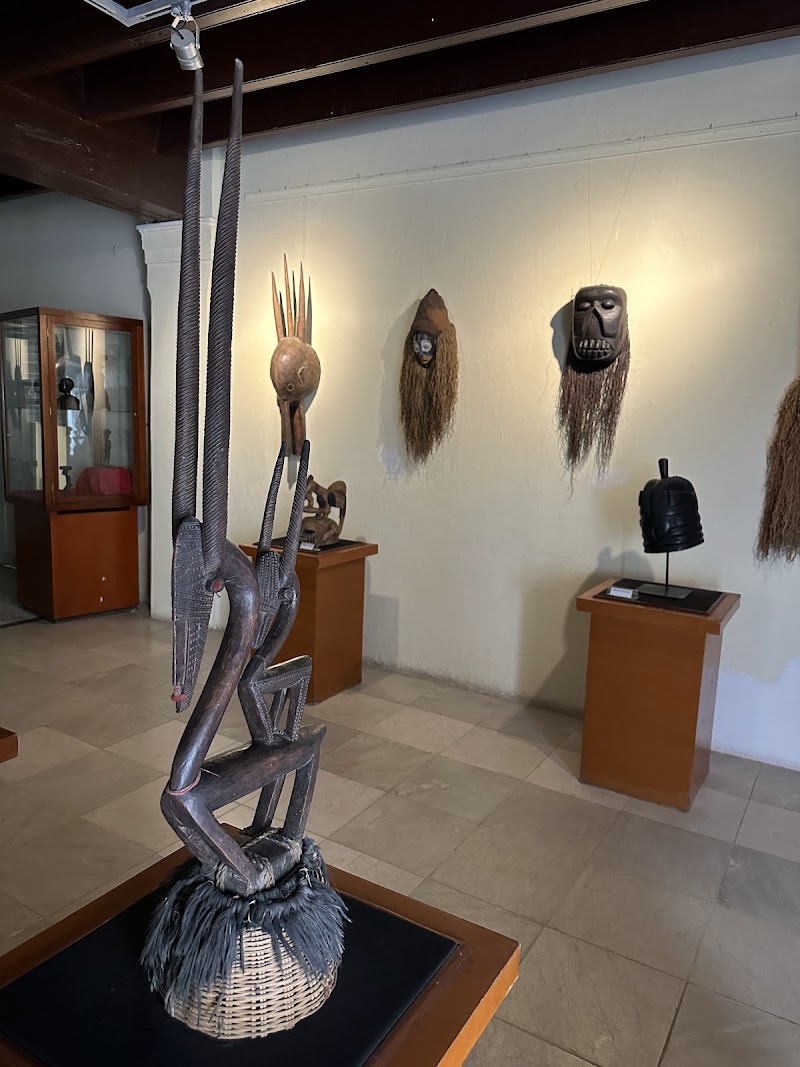

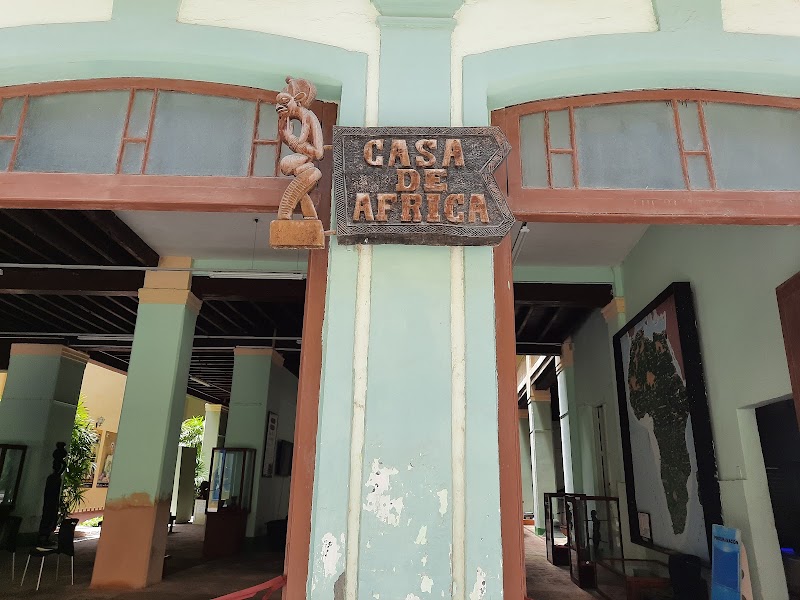

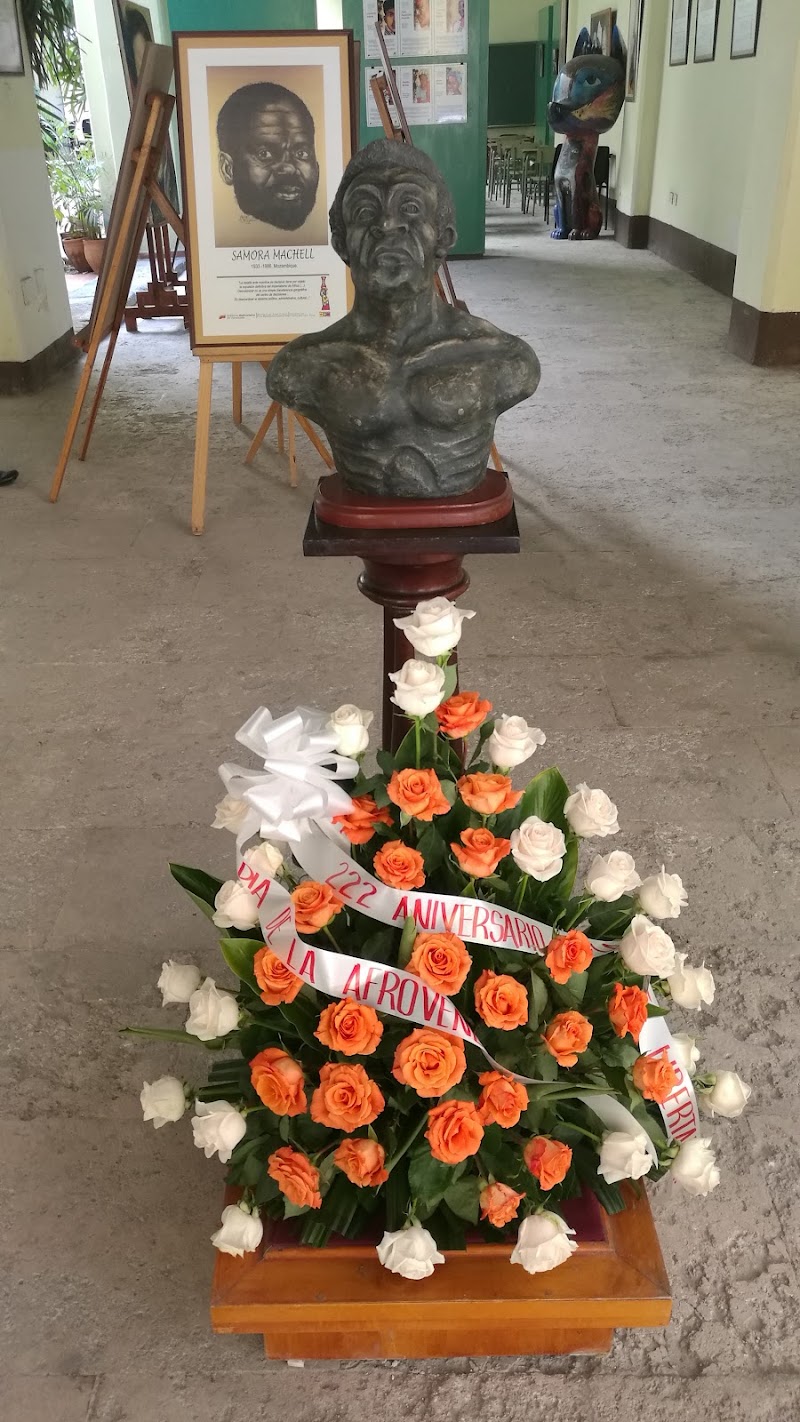
Photos published by travelers on Google, not AI generated.
What stands out
- African contributions to Cuban culture
- First- and second-floor displays
- Orisa history and significance
- Material on the slave trade in Cuba
Worth knowing
- Limited value without Spanish or a guide
- Uneven staff interactions
- Displays can feel messy or overwhelming
Don't miss
What comes up most in public reviews
- First- and second-floor exhibits
- Displays on the slave trade in Cuba
- Orisa exhibits
- Ask staff for a slow Spanish explanation
Worth the trip?
What the reviews suggest
Google lists Casa de África at 4.5 based on 41 reviews. Public feedback presents it as a worthwhile Havana museum for travellers interested in African contributions to Cuban history, culture and spiritual life. Its collection earns the strongest praise, with visitors describing the museum as both impressive and emotionally affecting.
The experience is not consistently polished. One reviewer found the displays messy, while others felt absorbed by the amount of material spread across the museum. This is an attraction where the objects and subject matter appear to make a stronger impression than the presentation itself. Visitors who arrive with some historical context, or who can discuss the exhibits with staff, are likely to get more from it.
Collection highlights
Reviews repeatedly focus on the museum’s treatment of African influence in Cuba. The first and second floors receive particular praise for their detailed material. Named subjects include the slave trade in Cuba and the Orisa, with displays explaining their cultural and spiritual significance.
Several visitors describe the collection as an important tribute to African contributions. That focus gives Casa de África a clear identity and makes it especially relevant for travellers seeking more context on Cuban culture beyond conventional sightseeing. The collection can also feel dense or overwhelming, but at least one visitor reported that staff responded helpfully when that happened.
The museum rewards unhurried browsing. Reviewers mention moving through multiple floors and getting absorbed in the displays, suggesting that visitors should allow enough time to look closely rather than treating it as a quick photo stop.
Language and visitor support
The clearest recurring concern is language. Reviewers warn that visitors without Spanish may struggle to understand the wider meaning of the exhibits. Objects may be visually understandable, but the historical and cultural connections are harder to follow without explanations.
Staff interactions appear uneven. One visitor praised a staff member on an upper floor for explaining the culture and history slowly in Spanish. Another reported being followed without receiving translation help and described a discourteous interaction over seating. These contrasting accounts suggest that assistance depends on who is working and whether a visitor can communicate in Spanish.
A Spanish-speaking guide or companion would improve the visit considerably. Travellers with basic Spanish may still benefit from asking staff to speak slowly, while those without Spanish should expect the collection to carry more of the experience than the written interpretation.
Editorial verdict
Synthesizing the available reviews, Casa de África stands out for the depth and significance of its subject rather than for seamless museum presentation. Its strongest displays connect African history, the slave trade, Orisa traditions and their continuing importance in Cuba.
It is best suited to culturally curious visitors who are comfortable with a less structured museum and prepared for limited English-language support. Some reviewers considered admission budget friendly, which makes a brief exploratory visit easier to justify. For Spanish speakers, or visitors accompanied by someone able to translate, the museum appears much more rewarding. Others may appreciate the collection but leave without fully grasping the bigger picture.
Ask anything
Looking for somewhere else?
Keep exploring around Havana
More from Cuba
Cuba · Havana
Isla Josefina: Tropical Scenery and Pricey Drinks
This lush Havana attraction earns praise for its photogenic setting, though drink prices and scattered litter temper the experience.
Cuba · Havana
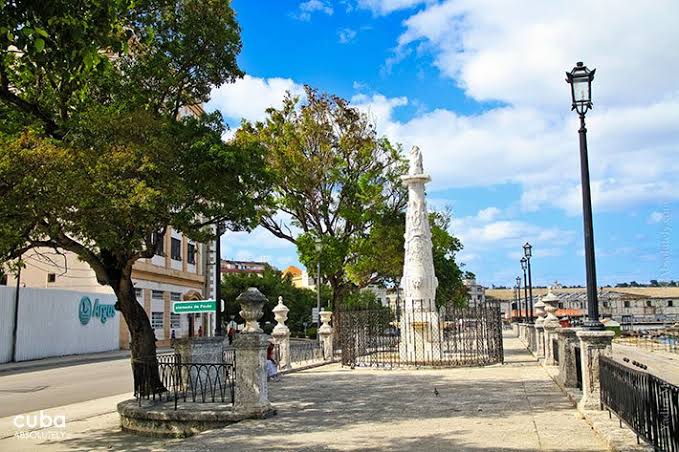
Alameda de Paula: a calm walk with a lively local rhythm
Public reviews describe a relaxing Havana walk framed by ageing architecture, restoration work and informal community sport.
Cuba · Havana
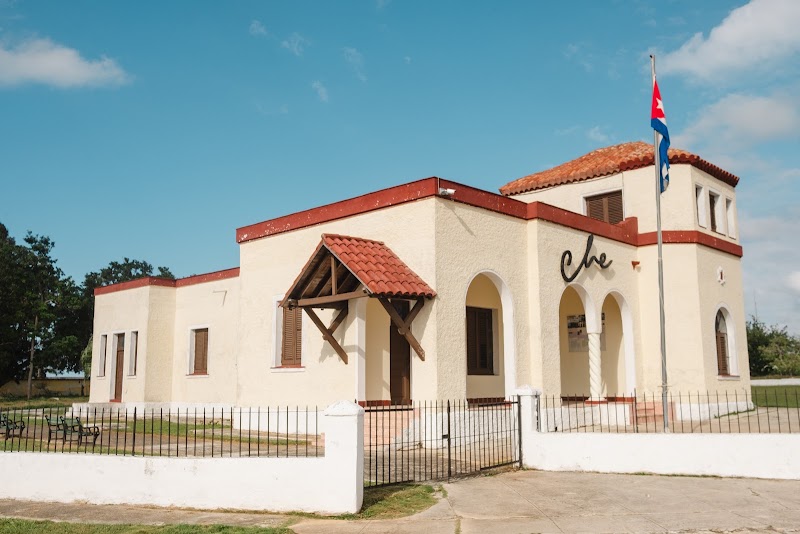
La Cabaña de Che Guevara: history with Havana views
A compact museum combining Che Guevara’s former living quarters, personal objects and broad views across Havana.
Cuba · Marcelo Salado
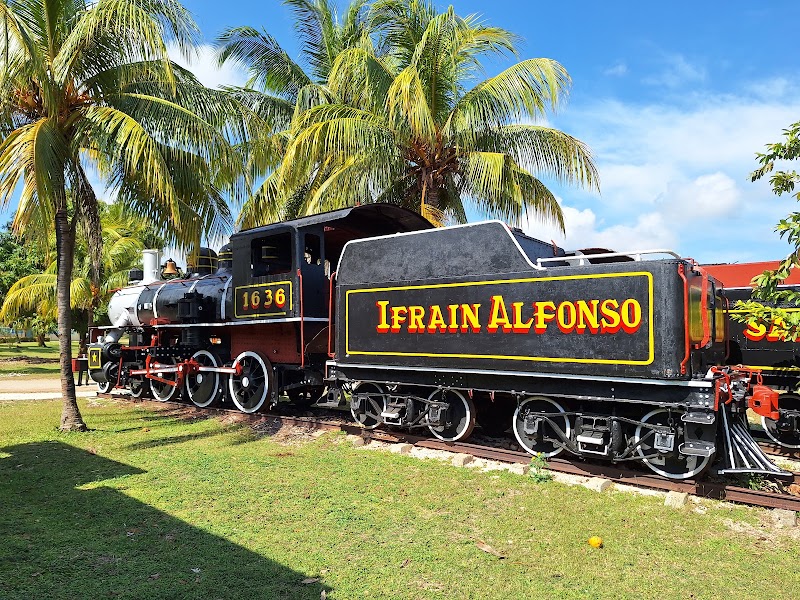
Cuba’s sugar history at Marcelo Salado’s factory museum
This former sugar factory museum appeals to industrial-history fans, though English-language interpretation may be inconsistent.