Capilla del Hombre: Guayasamín’s Powerful Quito Museum
Monumental art, striking architecture and insights into Oswaldo Guayasamín’s life make this one of Quito’s most affecting museums.
More photos
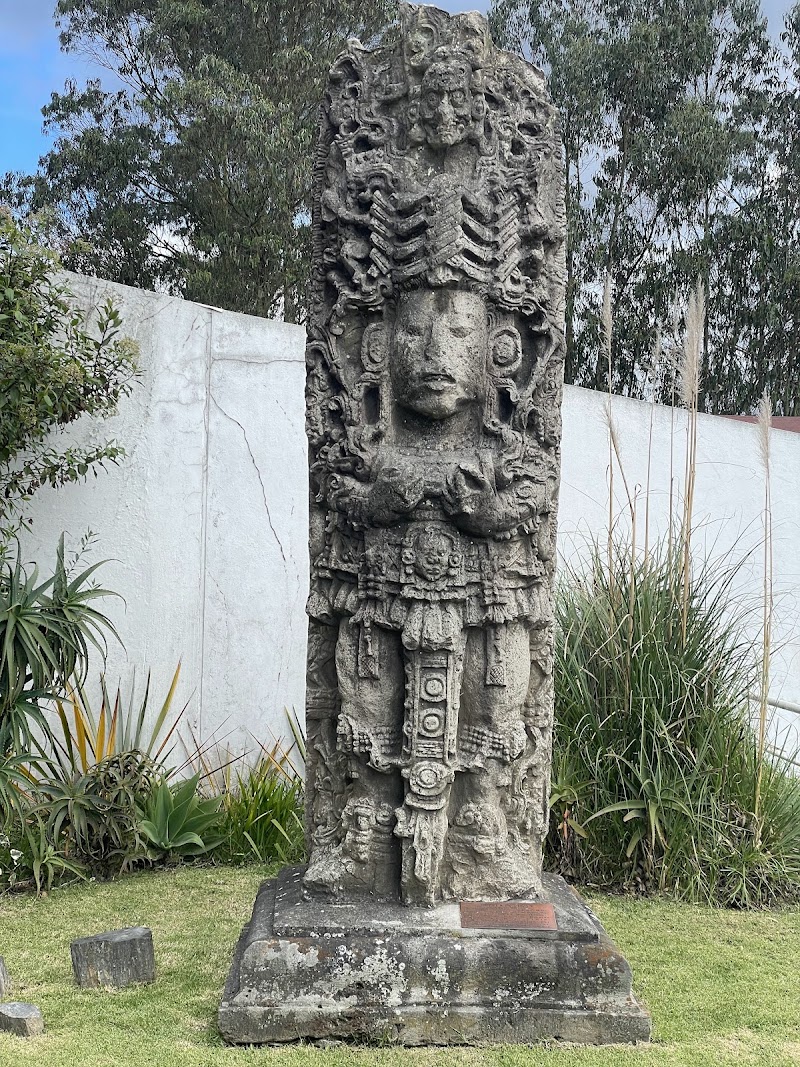
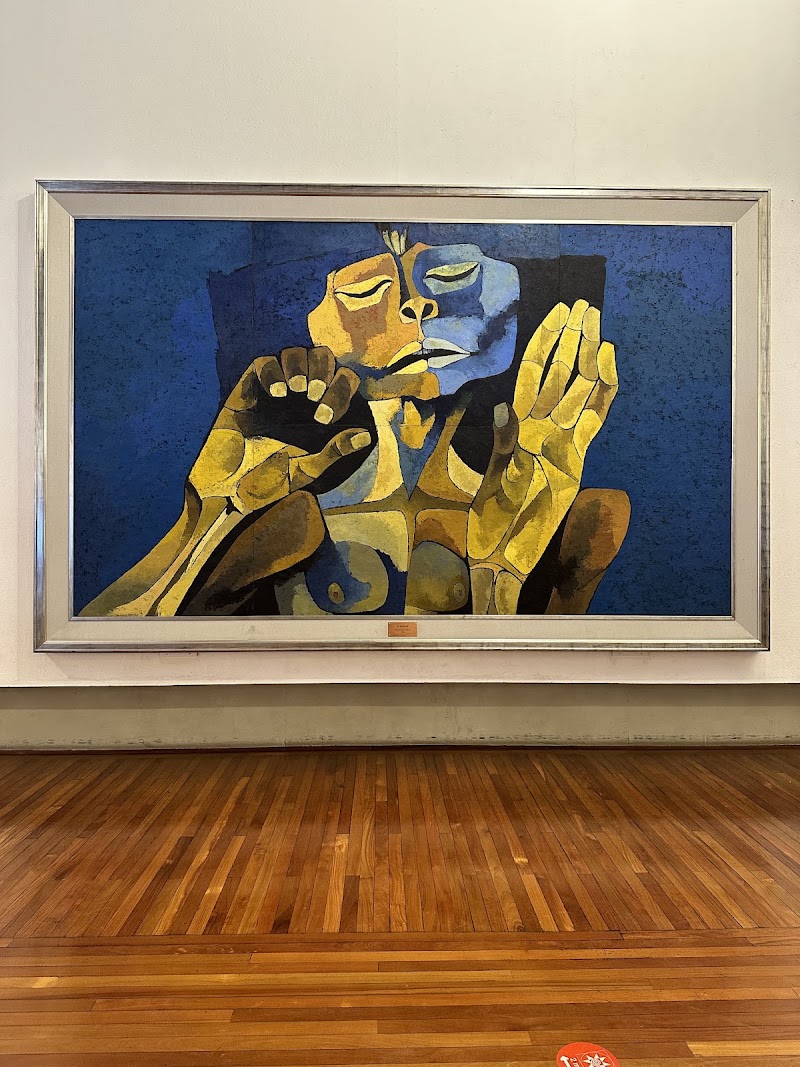
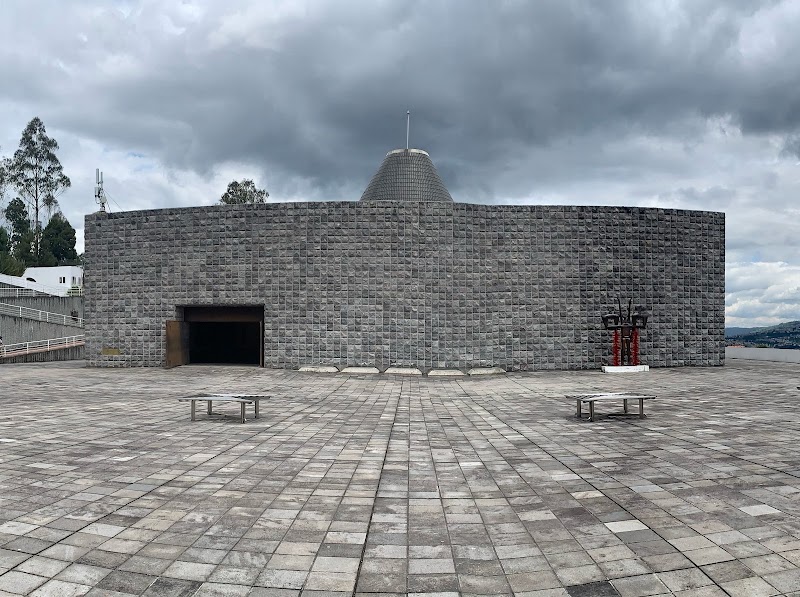
Photos published by travelers on Google, not AI generated.
What stands out
- Emotionally powerful Guayasamín collection
- Monumental murals and striking architecture
- Informative guided interpretation
- Artist’s residence and studio
- Views across Quito
Worth knowing
- Themes of suffering and injustice can be intense
- The art benefits from an unhurried visit
Don't miss
What comes up most in public reviews
- Guayasamín’s major works
- The artist’s residence and studio
Worth the trip?
Why it stands out
Capilla del Hombre emerges from public feedback as one of Quito’s most memorable cultural attractions. It holds a Google rating of 4.8 from 2,737 reviews, while the sample comments repeatedly praise the scale, emotional intensity and presentation of Oswaldo Guayasamín’s work. Several visitors place it among the strongest museums they encountered in the city.
This is not generally described as a light or decorative gallery experience. Guayasamín’s paintings confront suffering, injustice and violence, with particular attention to the human cost of historical atrocities. Reviewers often mention feeling moved or needing time to absorb the work. For travellers receptive to politically and socially engaged art, that emotional force appears to be the museum’s defining quality.
Art and architecture
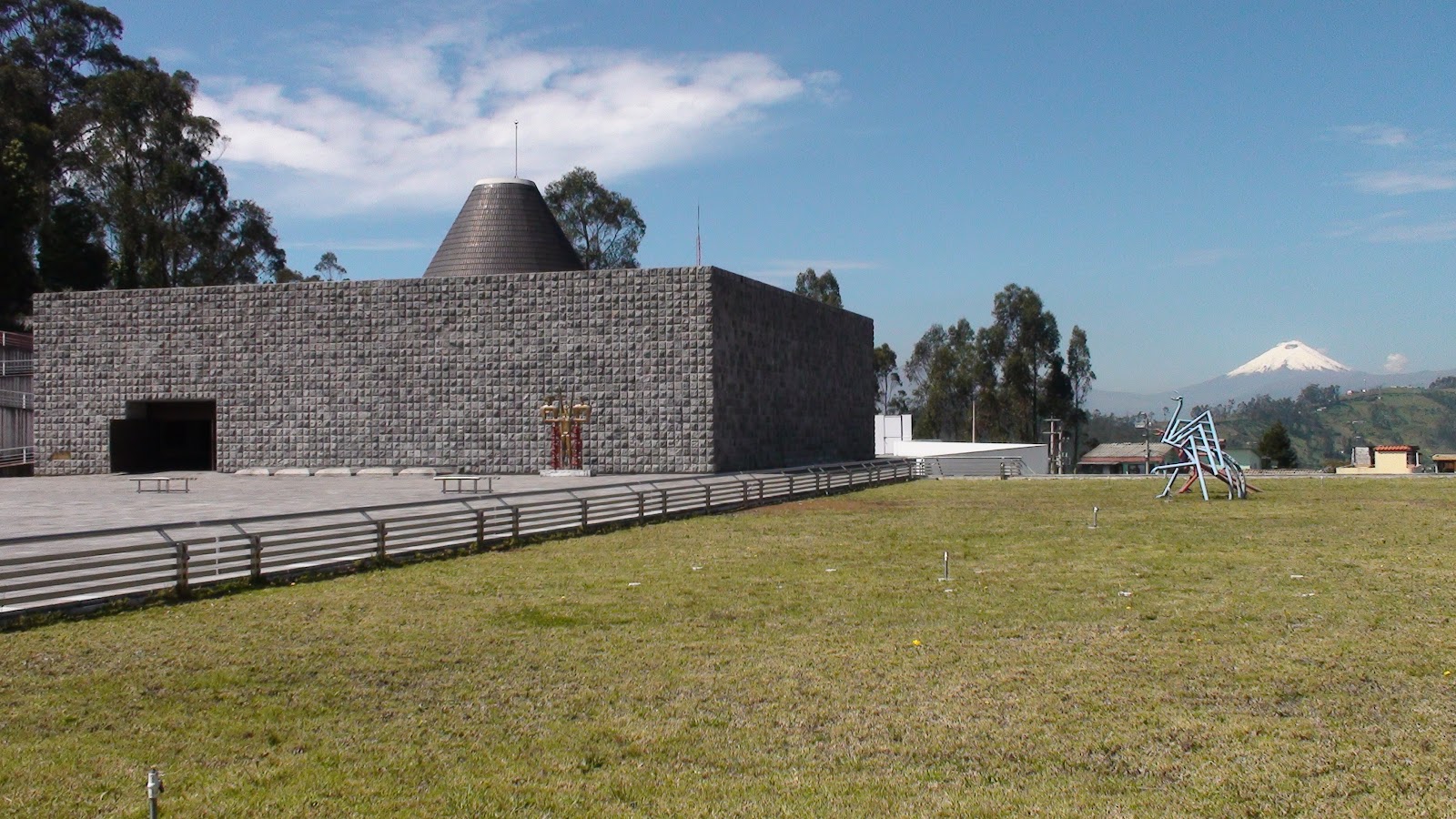
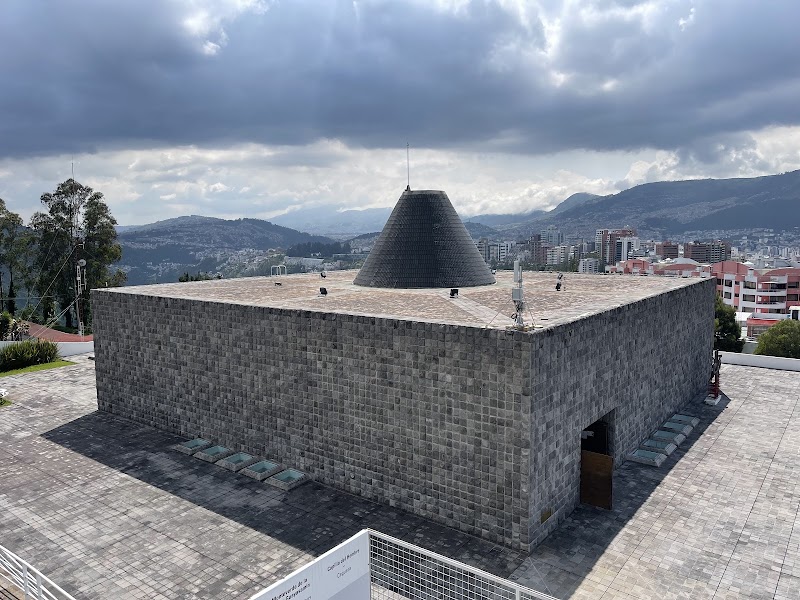
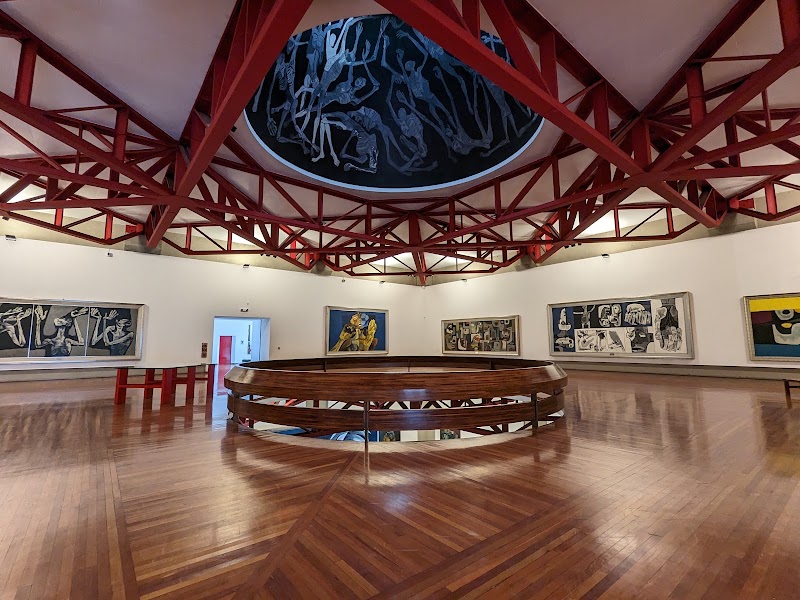
The setting contributes almost as much as the collection. One account describes entering a vast rotunda and immediately being surrounded by monumental murals, with the painted work and architecture functioning together. Other reviewers also highlight the buildings themselves, suggesting that the museum rewards attention to its spatial design rather than a quick circuit focused only on individual canvases.
The collection provides a substantial overview of Guayasamín’s artistic vision. Public comments describe the art as superb and powerful, with large-scale pieces encouraging quiet reflection. A city view from the elevated site is another appreciated feature, adding a calmer counterpoint to the difficult subjects explored inside.
The experience is therefore best approached without rushing. Reviewers recommend pausing in front of the works and allowing their themes to register. Visitors seeking a conventional survey of styles or a broad multi-artist collection may find the focus narrow, but those interested in Guayasamín receive depth rather than variety.
Beyond the galleries
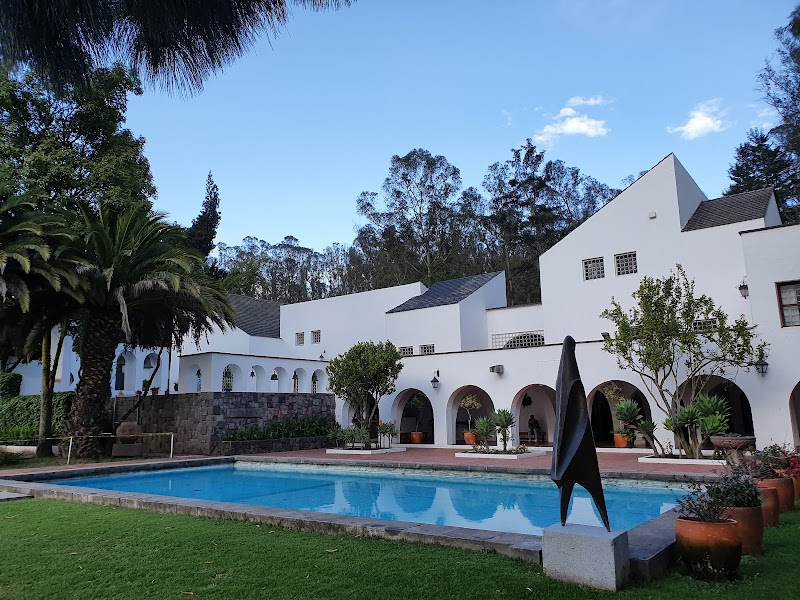
Feedback indicates that the wider visit can include a closer look at the person behind the paintings. The artist’s residence, personal collection and studio are repeatedly valued for showing how he lived and worked. Seeing the creative environment and reported details of his process gives context to the monumental art in the main museum spaces.
Guides also receive positive mentions for being informative. One reviewer reported joining an English-language tour after an introductory video, though schedules and language availability should be confirmed at the venue rather than assumed. For visitors unfamiliar with Guayasamín or Ecuadorian art, guided interpretation appears especially useful.
Who should visit
Capilla del Hombre is particularly well suited to art-minded travellers, architecture enthusiasts and visitors interested in Latin American history and social themes. It can also work for those seeking a contemplative pause within a Quito itinerary. Public reviews portray it as a place to wander, think and engage, not simply photograph and leave.
The principal caution is emotional rather than practical. The subject matter can be distressing, and at least one reviewer describes being brought to tears. A half-day visit allows room for the principal galleries, the artist’s living and working spaces, and time to reflect without turning the experience into a hurried stop.
Ask anything
Looking for somewhere else?
Keep exploring around Quito
More from Ecuador
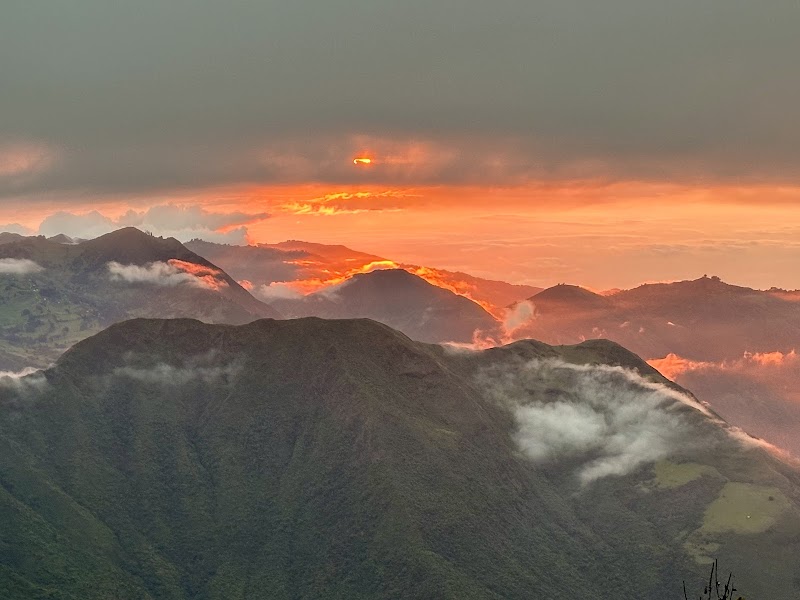
Ecuador · Llagos
Cerro Puñay: A Demanding Trek With Andean Views
Strong reviews praise Cerro Puñay’s sunsets and mountain panoramas, while warning of a strenuous climb, cold nights and very limited facilities.
Ecuador · Quito · $$
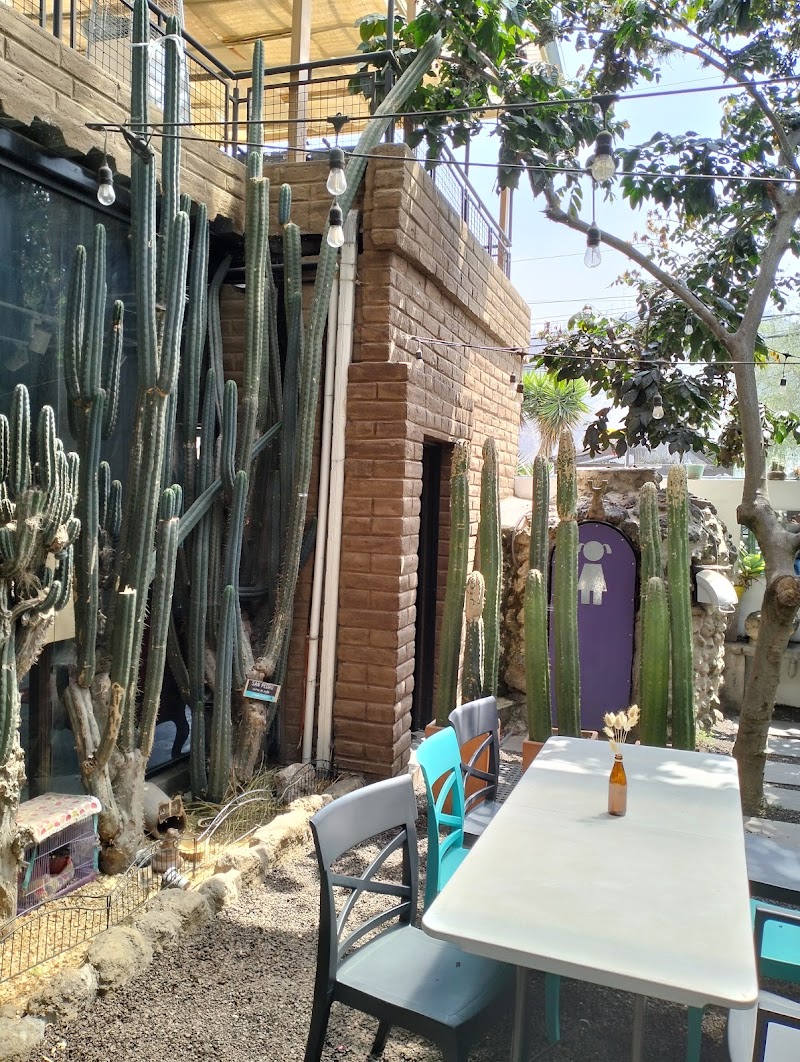
Casa Agave: Ecuadorian agave culture near Quito
Tours, tastings, cocktails and Ecuadorian agave traditions make Casa Agave a worthwhile addition to a Mitad del Mundo outing.
Ecuador · Quito
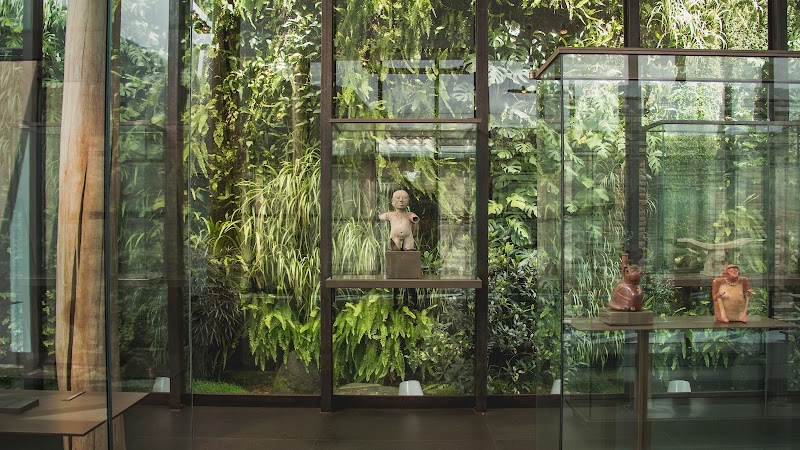
Casa del Alabado: Pre-Columbian art in a historic home
Thoughtful thematic displays, dramatic lighting and restored architecture make this compact museum a standout in Quito’s historic district.
Ecuador · Guayaquil
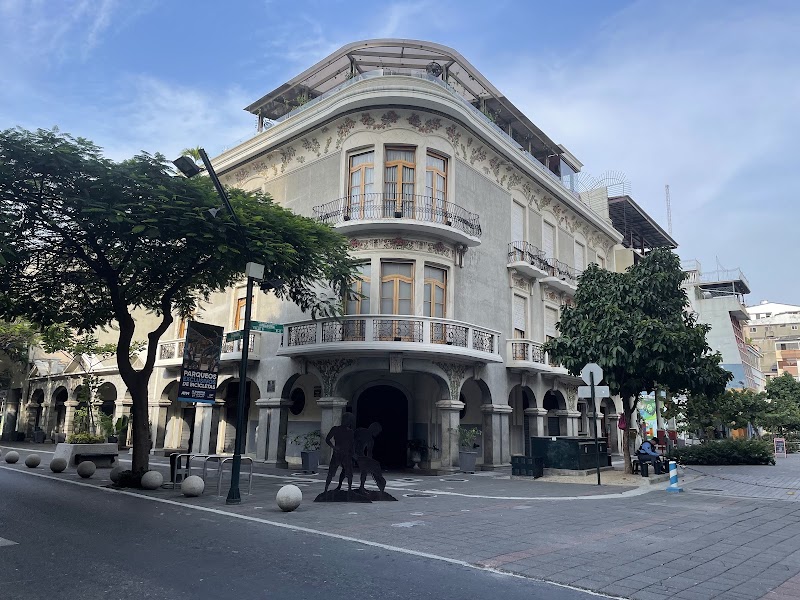
El Museo del Cacao: Ecuador’s cacao story in Guayaquil
A compact, well-reviewed museum tracing cacao’s history, cultural importance and global reach, with guides and chocolate treats adding appeal.